
The American motorcycle industry has spent decades teaching new riders to operate motorcycles with manual transmissions, and for good reason. A clutch is an integral part of the traditional motorcycle experience, and most motorcyclists wouldn’t have it any other way. I saw this article the other day, and it feels more and more relevant as electric motorcycles and scooters become more common. We need to ask ourselves whether mastering a manual transmission should remain a requirement for motorcycle safety courses on the path to attain legal endorsement.
When I first got my motorcycle license, it was almost by accident. I knew I wanted a motorcycle, but they were expensive, and I was having a hard time saving enough to buy one. My wife’s boss was from India, and he approached me with an offer. “Hey, Drew, I have a scooter. I’d love to sell you cheap.” At the time, I kind of laughed at the idea because I didn’t want to ride a scooter. However, the price of entry was so low that I thought I was stupid to turn it down. I could get a scooter, take the test on it, get my endorsement, and buy a motorcycle later. Unaware of the Basic Rider Course endorsement opportunity, this seemed like smoother path than buying an expensive motorcycle and trying to take the test.
I don’t recommend that people follow my path, but one of the key lessons I learned was that once you get on the road, you are learning lessons about how to navigate through traffic, manage the rules of the road, avoid hazards, and control a two-wheel vehicle. That’s the most important part, and it’s something that was reinforced by a friend early in my riding career. He insisted that his daughter ride a scooter for her first year or so of her two-wheel journey. Most of the dangers you encounter on the road are about the terrain, your speed, and the other traffic. Understanding how to manage speed, stop in emergencies, maneuver around obstacles, identify potholes or animals on the road, and manage the motorcycle itself are the skills that keep you alive.
Practicality and Unintended Consequences
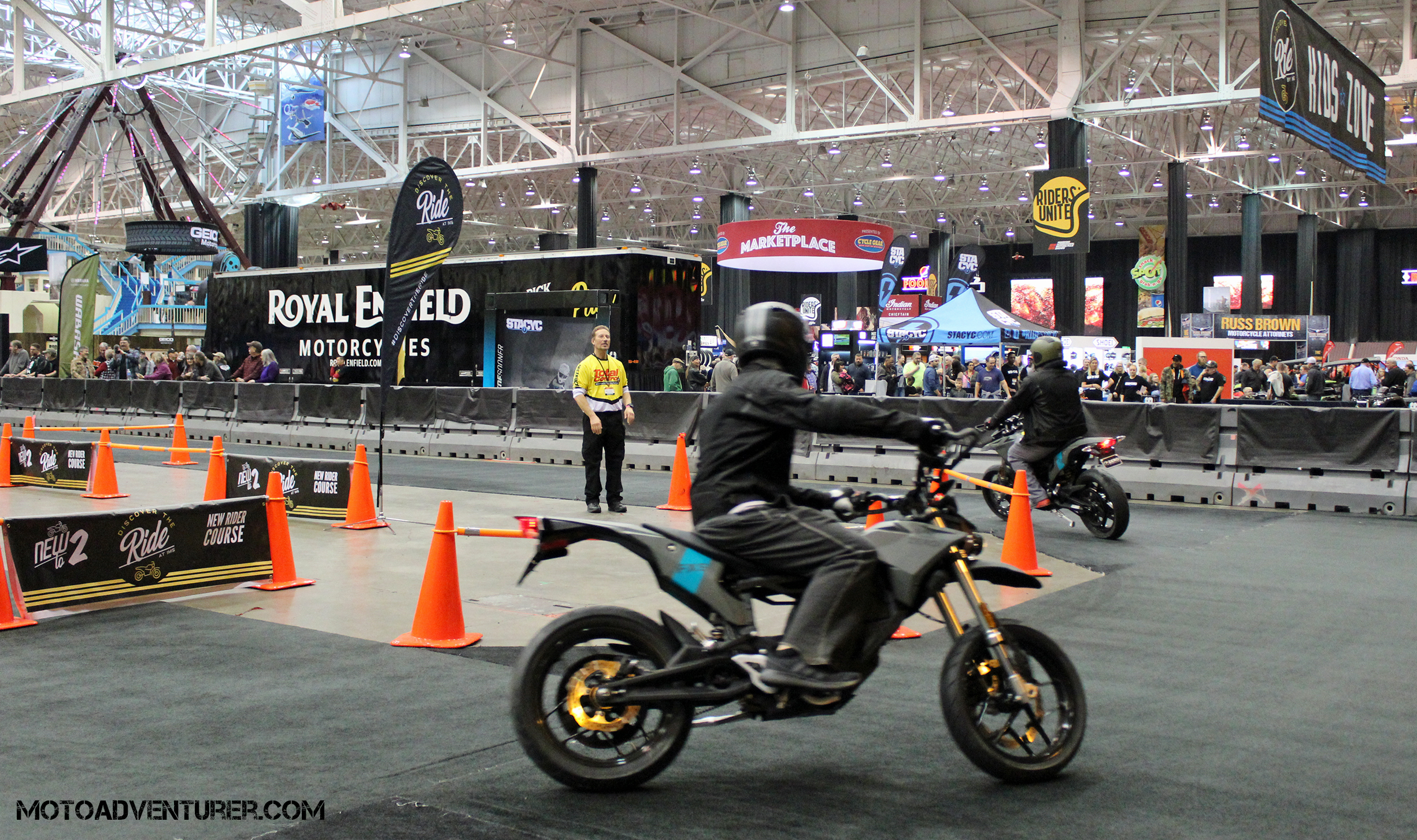
I’m now a Motorcycle Ohio instructor, and I just taught a class over the weekend. As I’m watching students learn, I see some riders really struggling to figure out how a clutch works. That is dominating most of their mental capacity, and it’s not helping them learn how to ride a motorcycle very well because they can’t get started properly. Managing and understanding the clutch takes a lot of practice, and you are by no means going to master it in two days in a parking lot. I still stall motorcycles from time to time, because operating a manual transmission is a perishable skill; anyone who returns to riding after just a few weeks of winter will recognize their skills aren’t as sharp as they were at the end of the season.
Meanwhile, stopping, swerving, maneuverability, and looking where you want to go are the priorities. People naturally have trouble looking where they want to go on a two-wheel vehicle, and understanding counter steering, braking, and how to manage the motorcycle’s weight are skills that deserve a rider’s full attention. Yes, it’s important to understand how a clutch works, but if we’re honestly concerned about getting more motorcyclists onto the road and making sure they survive the experience, the clutch isn’t necessary to learn those fundamental skills.
Consider what happens when someone wants to become a scooterist. To get their endorsement, they may take a safety class that requires them to learn a manual transmission. If they cannot learn it, they may wash out of the course before the second day and miss the key lessons. However, they can still get on their scooter, go take the test, and pass it; which is what I did. Wouldn’t we rather have people complete the safety course, and then we can have a different discussion about whether or not they understand a manual transmission later?
The Next Generation Is Already Here
We also have to understand that the culture has shifted. Manual transmissions used to be ubiquitous, and young people might have learned to drive a tractor or a farm truck before they were old enough to get a driver’s license. That’s not the case anymore. Kids today have electric bicycles and electric scooters all over the place. My nephew already had an electric motorcycle at like age 9. This is becoming a completely normal part of growing up, and the motorcycle industry needs to recognize that young people are already familiar with clutch-less two-wheel vehicles.
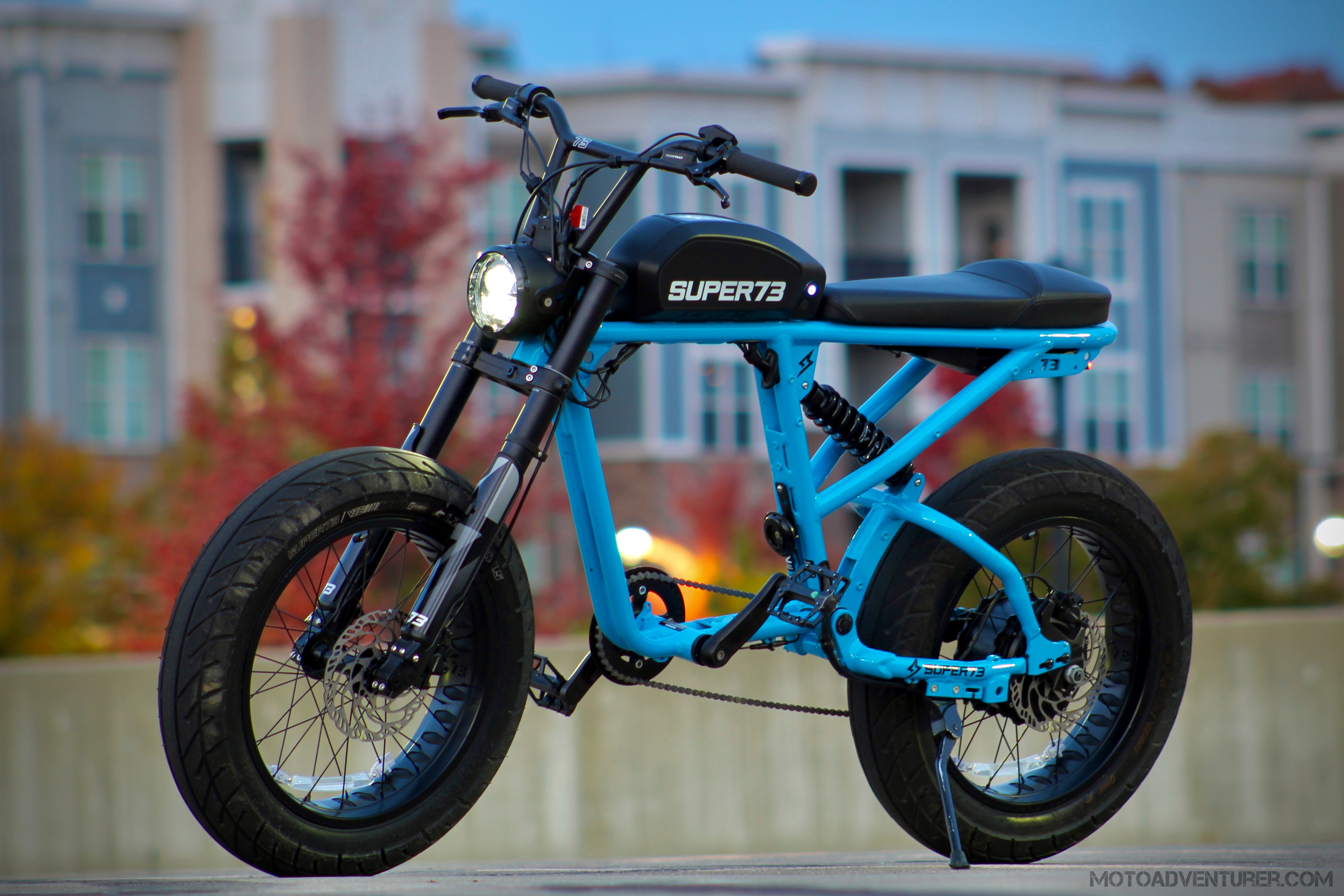
If you can already get the same endorsement on a scooter, why would we not create that option for electric motorcycles? We’re kind of silly to create a barrier to becoming a legal motorcyclist and a safe motorcyclist by forcing young riders to learn a manual transmission when they may never need one. Electric motorcycles are becoming an accessible way to enter the sport, and we should be encouraging riders to learn the skills they need to safely operate them rather than making them master a skill that may have nothing to do with the motorcycle they intend to ride.
Save the Manuals
I want to be clear about something. I prefer manual transmissions by far, and my cars have manual transmissions. That’s how much I love them. I think having a manual transmission is part of the motorcycle culture, and dismissing it completely is foolish. Motorcycles hark back to a simpler, more visceral time and experience. In a world of automatic everything and technology everything, motorcycles mean that the rider has to use every single appendage and be extremely dialed in to what they’re doing. Having a manual transmission is part of the allure for lots of people.
I think everyone should learn to drive a manual transmission, and I even think we could alleviate a lot of stop-and-go traffic if more people drove manuals. However, that’s just not going to happen, and I don’t think forcing it in the motorcycle space just because we can is something we have to do. I’m not against teaching the clutch, and I think everyone should have the opportunity to learn it. I just don’t think making it a requirement is necessary when the cost and complexity create an additional barrier to entry.
Give Electric Riders a Path Forward
I think there should be an electric motorcycle course, or at least a curriculum that states would accept. The course would need to be different because you literally ride an electric motorcycle differently than a traditional motorcycle. Instead of using a clutch for engine braking, you have to use the brakes differently, and some of the exercises and teaching methods would need to change. However, the core pieces of the course should remain focused on maneuverability, braking, swerving, traffic awareness, and learning how to safely control a motorcycle.
I don’t care who delivers the course. It could be the state, independent contractors, or private companies. Harley-Davidson already offers classes, just as states offer their own basic rider courses. There are multiple ways to make it happen, and the state should create a curriculum that’s acceptable so that licensed entities can begin offering it.
The mechanics of riding a motorcycle are tough enough for people to learn. If they’ve already mastered those things on the road without a clutch, going into a parking lot and learning a clutch isn’t a big deal. We shouldn’t allow the challenge of learning a manual transmission to distract from the most important lessons a new rider needs to understand. Let’s teach riders how to be safe. That’s the priority.


I agree with the core argument: safety training should focus on the skills people actually need, rather than making one particular technology or transmission a barrier to entry. But training should also teach a broad range of practical skills that provide a Plan B when technology fails, instead of constantly reducing skills. We need to make the capabilities, limitations and failure modes of technologies and driver assistance systems crystal clear. Blind reliance on technology, combined with a lack of understanding of its limitations, can have fatal consequences. Good training shouldn’t just teach people how to use technology when everything works as intended. It should also prepare them for what happens when it doesn’t.
LikeLike