A few weeks back, my buddy Andy reached out to me to saying he recently started working at Rahal Ducati Indianapolis. As it turns out, a mutual acquaintance was unpacking a new 2026 Ducati Desmo 450 EDX and suggested it would be a great time for me to visit.
In late 2023, Ducati announced its intentions to enter the off-road racing scene. Ducati finished in the top 10 of MXGP in Europe this year, with announcements for the factory supercross team for 2026 here in the States. On the heels of the motocross bike, their cross-country (hare scramble) machine is just starting to hit dealer floors, and presumably an enduro bike shortly behind it. As an amateur XC racer, I was anxious to see the new Ducati up close, including a better look under the covers, considering this is one of the first “EDX” (Enduro-cross) machines to be unpacked in America.
Looking over the details, I was struck by the smooth and tidy body plastics. As a shadetree mechanic, I immediately noted that some of the bolt-on details are also conveniently marked with torque values. The airbox cover is conveniently tool-less, while the seat requires an 8mm socket; some may bemoan the bolted seat retention, however I’ve seen no shortage of seatless race bikes returning to the pits in recent years. The Frame rails are adorned with integrated frame protectors to keep the boot scuffs at bay. Ducati fitted the EDX with a beefy kickstand, including a retaining strap which I appreciate, reminiscent of an Austrian alternative.
I’m told the frame and suspension of the bike might be a bit Honda-inspired; the 49mm Showa forks certainly coincide with that assertion. Looking closely at the details, the throttle body and intake boot are routed up and over the shock mount, versus the tight side-squeeze around the shock spring I’m more accustomed to seeing. While the MX and EDX aren’t equipped with a fan, there is an integrated coolant temperature sensor mounted to the head, and the radiators have all the mounting points integrated for a Ducati factory option that we’ll hopefully see offered standard on an enduro model.
Like the MX, as far as instrumentation, the EDX only has an EFI light and an hour-meter. The EDX bars don’t have any type of switch cubes, only the traditional electric start and engine stop buttons; however, there is a button panel for Traction Control (DTC) and Quick Shifter (DQS) adjustments. I’m told the wiring harness for all 3 models is identical, meaning there are connectors already in place for lights. After doing a little math from Ducati’s website, the fully fueled 450 EDX should be right around 249 pounds ready to ride and set buyers back $12,495 plus tax, title, and dealer fees which is right on par with their European competitors.
Looking forward
Motocross and Cross-country off-road racing may not be everyone’s forte, but I’m especially looking forward to the enduro model arriving on U.S. shores. A 450 moto bike may be a lot of machine for many of us dirt gumbies here on the East Coast, but I suspect many dual-sport enthusiast are much more anxious to get their hands on a big thumper that’s prepared to lug through the Appalachian hollers. I’m also told that, thus far, models arriving in the U.S. can be purchased with titles. As we wait to see if Ducati plans to bring a fully street-legal model to the States, I suspect potential buyers can get their hands on some light kits soon. I look forward to seeing these desmodromic 450 beasts in the woods. In the meantime, here’s a gallery of up-close photos peeking under the covers that is less available elsewhere.
I’ve been bullish on the Himalayan easily since 2017, especially now that we’re seeing so much growth in the lightweight ADV segment. When Dylan from Throttle Company came on Unscripted a few weeks back and suggested I take a Himalayan 450 on a test ride for a few weeks, I jumped at the chance. Dylan handed me the keys to his new Himalayan, no strings attached (short of ‘bring it back’, ‘don’t break stuff’, and ‘don’t break the law’.). I’m a little late to the “long-term” review party, but hopefully lengthy miles of east coast focused adventure riding can help riders decide if a Himalayan is the bike they’re looking for.
Over the course of 4 weeks, I took the Himmy Fo-Fiddy on my favorite day trips, twisty roads in rural Southwest Ohio, the Southern Ohio Adventure Loop (SOAL), A little teaser of Bluegrass Region Adventure Passageway (BRAP), Red River Gorge, and the Daniel Boone Backcountry Byway (DBBB) and all the Mom & Pop lunch stops I could find. This is my take after 2,000 miles in the saddle:
On the Center Stand
You read that right; center stand comes stock, and it was useful on multiple occasions over the course of a month. Now, I get it, love is in the eye of the beholder but gazing at the Four-Fifty in the parking lot, I find it more alluring than the outgoing 410. The new 450 tank is larger than its predecessor, accentuated toward the front of the bike, but shaped to accommodate rider mobility where prudent. Throwing a leg over the Himmy, it’s noticeably different than its predecessor. I’ve said elsewhere, in stock form the old Himalayan 410 was built for my 5’10” frame, everything is exactly where it should be. The new 450 is same, albeit with a modestly more aggressive rider triangle. Complimenting the tank, the seat is skinny toward the front, making it easy to flat foot or hug the tank with your knees when the riding becomes spirited. The saddle spreads out toward the back, offering more real estate to relax on for long-haul. All of the control surfaces where exactly where I wanted them, hat tip to Dylan again, the bike had a few thousand miles on it when it was transferred to my care, and the folks at Throttle Company took bike setup seriously. Settling into the saddle, I also note that the grips are a marginally larger diameter than I see on most ADV bikes shod with 7/8-inch bars; a welcome difference to me considering my preference for heated grips which are typically thicker.
Looking over the Himmy 450, I’m a huge fan of the tank’s factory upper “crash bars” for two reasons. First, if you wander around the Appalachian woods long enough, you’ll encounter saplings or even a vine that can find its way between your tank and most aftermarket ADV crash bars I’ve seen. Unlike those, Royal Enfield (RE) has built these bars into the contours of tank, also at an angle from the headlight so it’s more likely to deflect any frontal collisions with foliage. Second, these crash bars are also luggage racks. Royal Enfield offers traditional pannier racks, but what I like most about the stock bars is that they help put the weight between the axles which will upset the chassis much less when it’s loaded down. I’ve unfortunately had some squirrelly encounters in the past on wet asphalt thanks to too much crap loaded on the rear end of the bike. Hand guards are not stock, but Throttle company saw fit to install a set from Acerbis; Royal Enfield also offers their own flavor for those interested. Serrated pegs with rubber inserts are also stock, along with a very robust serrated brake pedal. When I picked it up, the Himmy was also fitted with “adventure windscreen”, “rally” skid plate, and engine bars from Enfield ($120 & $325 add-ons). Per my request, this model came with “tube-type” wheels, but for a few extra Benjamins, you can get factory tubeless wheels from Enfield.
Something that sets the Himalayan apart from most bikes in the adventure space is the factory tool kit. The before mentioned rubber peg inserts require an Allen wrench to remove. Standing in the gas station parking lot, I used the ignition key to unlock the passenger seat; under which the tool kit was secured with a factory bungie strap. The tool kit includes hex keys, and a small assortment of hex wrenches and “cheater” bar. Sitting neatly in the subframe is a bespoke hex tool for removing the front axle. That’s a trick feature considering I have to carry a special hex socket in my personal kit for my T7; impressive RE saw fit to incorporate that into the design of the motorcycle.
Unlike the “traditional” equipment parked in my garage, the Himmy has a digital display. Speedo and tachometer are easy to read, and the controls are relatively simple, however I recommend having your dealer walk the function (I was foolishly too busy running my trap at the dealer). Trip odometer, fuel efficiency, temperature, and battery voltage are all available at the toggle of a thumb joystick and trigger button. The dash is wifi enabled to connect with your phone and offer turn by turn directions when connected to the Royal Enfield App. The rider mode thumb button is on the right switch-cube; offering riders switch-ability between “Performance” and “Eco” modes, along with “Rear ABS Off” options for each mode. As a guy who tinkered with 80’s UJMs way back when, rotating the off-on-run switch wasn’t new, but it’s definitely a rarer solution to today’s more common toggles, with the bright/dim switch operating in similar fashion. Riders are also offered a USB-C convenience port on the handlebars. I’m less than impressed with the 12V socket I have on my T7; Enfield put more thought into the Himmy’s USB outlet considering its spring-loaded dust cover and positioning to prevent water ingress when not in use.
On the Bitumen
Kicking up the kickstand and rolling away from a stop, the throttle by wire is smooth and forgiving off-idle. Somewhat reminiscent to the KTM LC8 throttle mapping, the Himmy is happy to play it cool under 35% twist on the throttle. As the revs climb past 5,000 RPM, the new “Sherpa 450” mill really comes alive until it bumps off the rev limiter around 8k. This was my first long-term experience with throttle by wire bike and as a self-identified luddite, I can’t complain. The throttle response was smooth and predictable, but you can’t be lazy; the Himmy knows you’re still holding the throttle open 5% when slowing down and keeps putting gas in the chamber, unlike my choked-up Scrambler that’s always trying to meet emissions standards and lets me get away with not closing the throttle completely before returning to idle revolutions. An interesting feature, the Himalayan 450 also “helps” the rider accelerate from a stop, if you don’t open the throttle, but release the clutch from a stop, you’ll notice the RPMs climb gently to help propel the bike without stalling. The clutch pull is light, akin to my old CRF250L, a completely benign activity on the pavement, but much appreciated when traction becomes unreliable.
As a seasoned ADV rider with multiple platforms to choose from at home, the bar position on the new 450 is comfortable. More street-oriented riders may find the reach a tad further than they’re used to, but it’s ideal for sitting or standing conditions making the transition to off-road riding more fluid. Many bemoaned the predecessor’s 400 displacement but “250-horsepower” (their words, not mine), but the new 450 brings 40 (claimed) ponies to the party with 27 pound-feet of torque. From enjoying the forgotten backroads to passing traffic on the interstate, the new 450 has plenty of poke to get you from A to B, and unlike the quarter-liter dual sports I’m intimately familiar with, the Fo-Fiddy doesn’t require a judiciously planned pass, simply twist and steer to circumvent a slow-moving tractor trailer. Related to comments about throttle response, the new Sherpa engine is definitely a “Rever” not a puncher; like my WR250R, the Himmy 450 likes to be kept on the boil when the riding gets spirited. Despite all the sound and emissions requirements, the Sherpa does sing a wonderful song from four to seven thousand RPMs. I’m obviously a sucker for character and the new Himmy mill apparently tickles me in all the right places; I’m very curious what it sounds like with an aftermarket Zard exhaust. The playful 450 is paired with a smooth six-speed gear box. In an odd twist, counter to most of my new bike experiences, finding neutral was always a non-event, meanwhile there were no false neutrals to be found. The Sherpa gear box also has a slipper clutch making the rev happy engine less jarring when clicking down gears into the corners.
Accenting the engine, the non-adjustable 43mm Showa forks soak up the bumps as expected but help the bike firmly hold the line when carving up the canyons. Assumedly to keep the delicate bits out of harms way, the shock linkage on the Himmy is unlike others I’ve seen. The shock is non-adjustable except pre-load, but at 170-pounds without gear, I actually backed off the pre-load to zero for bombing around the tri-state, both on and off-road.
Settled into the cockpit, the taller ADV screen was pleasantly appreciated. I tend to lean away from taller screens because I often find the buffeting worse than the windblast, but the tall screen from Enfield is exactly where it needs to be for a 5’10” rider, leaving the helmet in calm stream of air from the chin up. As mentioned, the plush part of the saddle is in the front, but when the pace relaxes, the narrow ergos have you sliding back to the skinnier padding where the front saddle means the pillion pad. After 2-and-a-half hours on the highway, the seat was adequate, however I expect long-distance riders will be exploring aftermarket options. Enfield offers a “rally” one-piece seat for the Himalayan; I unfortunately can’t offer first-hand experience with it.
The lockable 4.5 gallon gas tank offers impressive fuel range. Running on regular unleaded I know first-hand the Himmy 450 can carry you 170 miles non-stop through a 70mph speed zone riding on the “performance” throttle map. With my hands at the controls, I saw fuel efficiency from 50 mph up into low 60’s on the display; I suspect if you keep your speed under 60 MPH you could probably carry 200 miles on a tank. Eco mode might offer similar or better results depending on the variability of your right wrist. Speaking of which, as many journalists would say, “I liked the bike best in performance mode”, however I found the utility in “Eco” mode multiple times over the last few weeks. I unfortunately spent more time than expected riding in the rain, including on ADV knobby tires. The more relaxed throttle response was appreciated, especially on the slickery tar snakes of rural Ohio. An interesting note, there’s a distinct difference in “aggression” from the throttle in Eco mode vs performance, however 5th and 6th gears feel very similar in both modes. Again, a welcome feature when riding on the highway.
Royal Enfield outfits the Himalayan 450 with ByBre calipers to slow your roll. For folks unfamiliar, ByBre is actually owned by Brembo. At any rate, braking power is sufficient to good depending on your taste. My decade old scrambler with single disk front and rear brakes that are hysterically terrible, the Himmy single disks are great. Admittedly, single disk up front doesn’t carry the stopping power of my dual disk T7, but at no point did I find myself looking to put a full hand’s grip on the binders despite spirited riding conditions or being spooked by wildlife. Also of notable, my T7’s rear brake feel is notably bad; I found the Himmy rear brake much more confidence-inspiring, especially off-road.
Where County Maintenance Ends
Seeing gravel up ahead, I would typically pull over, press the “mode” button on the right switchgear with my thumb until it said “Performance: ABS off” and waited 5 seconds. A “Rear” ABS off icon displayed on the screen, and I sped away. While I find the whole stopping to disable ABS irritating, it’s unfortunately still a very common practice in the industry so I can’t fault Royal Enfield for their programming choice. Re-enabling ABS can however be done on the fly but holding in the clutch and coasting for 5 seconds.
When the dirt roads got more rugged and the rock population increased, I was impressed to see the stock Himmy suspenders soak up the bumps. The suspension is plush, but compliant. I didn’t feel the bike was especially lazy, but folks looking to get especially aggressive will undoubtedly want to do some tuning. Having hosted an ADV rally for almost a decade now, I’m quite confident the stock suspension, while non-adjustable, is still more than sufficient for the kind of riding most adventure riders do. As with all bike suspension, you’ll want to have it sprung for your weight and typically bike loadout, but on road or off, from the Southern Ohio Adventure Loop (SOAL) to the Daniel Boone Backcountry Byway (DBBB), I had no complaints about how the bike handled terrain I threw at it.
One of the biggest assets the Himalayan 450 brings to the table off-road, is low center of gravity. Switching back and forth between the Himmy, my T7, and an Ibex 450 was very telling. Despite the scale claiming 432 pounds ready to ride, the new Enfield 450 carries its weight especially low. Having hare scrambled a Triumph twin and specializing in “big bike recovery” throughout the hollers of Kentucky, I felt more confident piloting the Himmy off-road with far less saddle time than any non-dirt bike I can recall. The stock bar position is ideal for sitting or standing, the front of the saddle is narrow for pinching tank with your knees, making it easy to steer with your feet. Per my comments above, the brake pedal is easy to find and offers good feedback to the rider. I can’t emphasize enough, for new adventure riders exploring this segment, the Himalayan 450 is incredibly confidence-inspiring when you first start leaving the predictability of pavement.
Turning Wrenches
As a guy who tends to own bikes for many years, evaluating a new bike always means thumbing through the owners manual to examine the maintenance schedule. Royal Enfield specifies fresh oil and filter changes for the 450 Himmy every 6250 miles (10km). Oil changes on the new Sherpa mill are extremely similar to dirt bike or CRF250L maintenance. A cartridge paper oil filter is behind a metal cover on the right side of the bike, with 2 screens inside drain plugs on the left side. Valve clearance checks are also specified every 6k-ish miles, which is a bit more than Japanese bike owners are accustomed to; however it’s an improvement over the outgoing model, and certainly a dramatic improvement over race schedule maintenance of most 450s on the market today (i.e. the CRF450RL). the Sherpa valve train is Dual-Overhead Cam (DOHC) with shim under bucket architecture. Anyone who’s worked on an off-road race bike of any kind will be very familiar with the process.
Air filter changes are also due with engine maintenance. ADV owners will probably be split on the issue as the tank must be removed to change the filter. While that’s “hassle”, it’s still pretty common in the ADV market; moreover, like my Scrambler, with some practice, removing the tank becomes a matter of muscle memory. Also, the advantage to the air filter under the tank is improved water crossing depths. Considering the number of swamped engines I see each year, water is arguably the most intimidating thing I encounter off-road in the holler, the Himmy’s elevated snorkel will definitely pay dividends for certain owners.
Changing tires on the Himalayan is smooth process considering the stock center stand. You’ll want to put something under the skid plate to keep the nose from diving while you wrestle the front tire loose, but it sure beats fussing with a jack. I change a lot of tires each season, so I also like the convenience of a front axle that threads into the far fork tube, it’s one less set of pinch bolts to tighten, and means only needing one wrench to re-install.
Pickable Nits
A reputable dealer will be sure to go through all the features and functions of the bike before you roll away. If I was smart, I would have asked for that before loading up the 450. Since I wasn’t, it did take some poking around the controls to understand how to reset trip odometers and whatnot. Considering other bikes I’ve seen, the RE dash isn’t overly complicated, it’s just a matter of practice.
Throttle-by-wire (TBW) is definitely growing in the ADV market. Anyone who wants rider modes and cruise control is accepting (perhaps demanding) throttle by wire at this point. Undoubtedly, I’m an analog dude, so there was an adjustment period to riding a throttle-by-wire bike. In the end, I can’t fault Enfield for any of the performance related to TBW; I still prefer cable, but know it’s a different experience if you’re an “old-school” buyer.
I think the Himalayan control surfaces are solid; pegs and pedals are where they should be and perfect off-road for my size 10 boot. That said, despite that solid brake pedal, I was surprised they didn’t offer a folding shift lever. You can get a $50 billet aluminum folding shift lever from Hitchcocks; I’ll debate aluminum vs steel in a different article, so at least it’s out there, it’s just an interesting choice considering how many other typically aftermarket parts are standard on this machine.
After 2,000 miles my only real complaint is the seat. Is it solid for a 3-hour ride? Yes, it is. Are stock motorcycle seats typically “left wanting”? Absolutely yes. To its credit, the Himmy seat is superior to my stock Tenere seat. Long-distance rides with delicate posteriors (like mine), save a few pennies for an aftermarket option. For folks who don’t ride more than 200 miles at a stretch, you’ll be fine with factory options.
Competition
Without hashing out a “what makes an adventure bike” debate, I see the CRF300L, KTM 390 Adventure, CF Moto Ibex 450, and the KLR 650 as the closest competitors to this bike. Drawing a bigger circle, you could throw in the Triumph Scrambler 400x, the Kawasaki Versys-X 300 , the Honda NX500, however all of those bikes have 19″ front wheels, indicating to me, they are at least one standard deviation closer to pavement preference (more than happy to discuss merit of these in the comments, I love them all).
When debating factory “Lightweight” adventure motorcycles, I see the CRF300L Rally as the most off-road capable machine in this class. Clearly with one foot in the dual sport realm considering its base model stablemate, the 300L Rally will come up short on interstate power, range and comfort, where the Himalayan will clearly shine. By contrast, the 300-Rally brings a lot more suspension, significantly less weight, longer maintenance intervals, and very robust chassis. Light ADV Shoppers looking to be on dirt more so than pavement will likely gravitate to the 300 if power is no object, however those still looking to carve more canyons will see the benefits of the Himmy.
CF Moto’s new Ibex 450 and KTM’s 390 Adventure are clearly very competitive light ADV options. Several shootouts have already been published on YouTube featuring these bikes alongside the Himmy. Having ridden the Ibex, it’s a logical comparison, albeit the target audiences are probably different. I suspect people looking for ADV aesthetics, more creature comforts, or a lighter alternative to the middleweight ADV segment will lean toward the Ibex or 390. However, the Himmy 450 brings an equally capable machine with more classic looks, affordability, and in my experience, significantly lower center of gravity, more pleasant throttle response and power delivery. Many will niggle on suspension and electronics, but like all things, it’s a matter of taste and use case.
How I would set up the bike
In the event I laid down my own cash and took home a new Himalayan 450, how would I set it up? Throttle Company already had the bike outfitted with the rally skid plate, rear luggage rack, hand guards, and tall windscreen. I would do the same, albeit I expect I would still use the factory short screen most of the time unless I’m going to spend hours on the interstate. Just like the demo bike, I would prefer standard tube type wheels. I would also spring for the factory rally “mud guard”, basically a cowling for the rear subframe to keep the seat more mud-free, essential equipment for exploring the holler. I also want a set of the front panniers, and possibly the rear pannier racks for soft luggage. The Himmy is a serious mule, and I want to take advantage of that capability. I like long-distance rides, so a new seat would absolutely be on the list, be it from RE or elsewhere. Per the comments above, the suspension impressed me out of the box. Like most factory adventure bikes, my riding taste and preferred terrain makes it possible to override the stock springy bits. I would probably spend $1500 on a higher-performance shock and fork cartridge inserts to get a little bit more out of an already capable machine. All in, these trinkets would add another $3200 to the price tag, but with a GPS and dual sport tires mounted, I’d feel ready to go anywhere.
Final thoughts
Exploring and Adventure has never been so attainable. The adventure space is rapidly filling up with flavors from across the globe (Kawasaki just unveiled the new KLE 500). Today there are luxury models, techy models, and a few analog models available for prospective buyers. With its latest iteration, it seems Enfield has tastefully included modern technology with more classic aesthetics and included heavy portions of practicality for the new Himalayan 450. With more money riders can purchase more creature comforts or more performance from other ADV models, however, as a seasoned adventure rider with staples from multiple motorcycle segments in my stable, I thoroughly enjoyed riding the Himmy in all conditions (including several gnarly thunderstorms) and never felt like it was “cheap” or I was desperately wanting more. Some would suggest the Himalayan 450 is an “entry-level” option for the ADV market, but I think that sells the bike short. The Himalayan is a solid choice for practical ADV riders, budget-conscious motorcyclists, and folks who appreciate the amalgamation of form and function that Royal Enfield offers. The Himmy comes with everything ADV riders need, a sprinkle of extra things they may not. The bike has character and charm, enough creature comforts to roam the interstates, while never complaining about being flogged down the muddy byways. Handing the keys back to Dylan, I looked forward to returning to the grunt and growl of my Tenere 700, but I know I will always look back and remember how easy the Himalayan 450 made everything… and for a lot less money.
Last summer’s drought came to a dramatic end as Hurricane Helene raced up the western side of the Appalachian Mountains. Watching trees bend and buckle under the force of straight-line winds, I was high and dry in my Kuhl “One Shell” jacket, albeit not sure if there was actually anywhere safe to hide considering the chaos. Just days before, I grabbed the jacket from the package on my way out the door to Red River Scramble; what a way to start testing a new piece of gear.
In the interest of transparency, after working with them on the Silencr hiking pants, Kuhl reached out to me early last year about reviewing their jacket on the same terms. Like packing an umbrella, that agreement led to the driest summer I can remember; needless to say, all things end, and Helene put emphasis on that dusty summer, soon followed by an unseasonably wet spring. At 5’10”, 180 pounds with a 34″ waist, a size large fit me just right. If I wanted something more form fitting a medium would probably work, but a XL would be a dress on me.
As an Army veteran and motorcyclist, I’ve worn no shortage of “rubber suits” in an attempt to stay warm and dry. Based on that experience, the extremely lightweight and breathable fabric of the One Shell was the first thing that stood out to me. Kuhl says the One Shell is manufactured from a 20-denier mini ripstop fabric with 3 layers of their trademarked “AERO” breathable waterproof membrane and weighs 96 grams per square meter (I unfortunately don’t own a scale smaller enough to test that). Like all waterproof gear that comes through my door, the One Shell received the same test treatment; put on the gear and jump in the shower. Despite standing under the constant flow, water failed to soak through the fabric to sneak through the zippers despite the direct spray.
Rucked up and enjoying the spring rain on a solo walk in the woods, I was again pleasantly surprised to find it was only raining outside my jacket, while not sweltering on the inside which is a more common experience when hefting around a pack whilst battling the elements in a rubber suit. When elevation changes start ramping up, the jacket also has underarm vents to move more air. These vents also zip down to close, ensuring that the zipper start is upstream from falling water. The main closure features a YKK “Aqua-guard” weatherproof zipper including rain gutter and “garages for the zipper pull to prevent water ingress when parked. The main zipper also has reinforced fabric near the chin portion to protect the garment from “high traffic” when adjusting the face cover for ideal comfort.
It may sound silly, but the hood is my favorite part of this jacket. In my experience, a hood is a useful adornment to a jacket or sweatshirt, but compared to neck gaiters and hats, hoods seldom reign supreme on effectiveness against alternatives, but not on the One Shell. On a windy day, normal hoods are drafty unless you pull the drawstring so tight you can’t see. The One Shell has a 5-panel hood to properly fit your head and neck to keep you dry. When not in use, the hood lays flat over the shoulders but is meant to be pulled into place with a single hand, and can be adjusted with the behind the neck drawstring that leaves your field of view unobstructed. The hood also includes a brim stabilizer to help keep the rain off your face; which turns out to function well in tandem for a ballcap for follically challenged “hat guys” like me. When the rain is coming in sideways, the jacket can be zipped fully closed and pulled above the chin to minimize the spray on your face.
Contrasted with Frogg Toggs and motorcycle rubber suits, the One Shell is loaded with features and classy details. Handwarmer pockets are silky soft on the inside, also featuring water resistant zippers with garages. Inside the left breast of the jacket is a small convenience pocket for keys or a cell phone; held against the chest beneath the waterproof outer layer. There’s a second convenience pocket on the left shoulder; a spot I found best to stash my car keys, again kept safe behind a garaged water-resistant zipper. When it gets breezy, branded and precision cut Velcro wrist closures can be adjusted to keep the damp air out. Each side of the waist has a sewn in elastic drawstrings with some of the smallest and lightest adjusters I’ve seen. Similar to the Kuhl pants, brand logos are crisp and applied judiciously. Lastly, for runners or early morning explorers, zipper pulls, drawstrings, and nylon hooks are reflective to help drivers see you in the dark.
Available in “Harvest” orange, “Raven” black, “Carbon” grey, and “Velocity” blue, the One Shell retails for $329. Contrasted with various options from sporting goods stores, the One Shell is anywhere from a third to triple the price depending on how tight you’re pinching pennies. Budget rain jackets are attainable under $50, and for a concert or random downpour you’ll be glad you have one. That said, lots of budget options are fashionable trash bags not necessarily designed to live in. Considering the molded hood, venting, wrist closures and waist cinch, the One Shell is tailored for activity and motion. There are higher-end competitors from brand names you’ll undoubtedly recognize where the pricing has more parity. In addition to function, longevity, and effectiveness, the One Shell is a functional windbreaker and more “fashionable” than a check-out aisle rain suit; I wear the jacket to work regularly. For whatever it’s worth, my employer’s campus is now 11 buildings… I’m now an all-weather engineer apparently. At any rate, the One Shell checks all the boxes of a rain jacket with a hallmark of literal and proverbial flexibility; it’s an investment but solves multiple problems while being a jacket I want to wear, instead of a rubber duck suit I’m desperate to peel off at the earliest opportunity.
In the shadow of the cerveza sickness, inflation is very real, and tires sure feel especially affected. These days, buying new tires is one of the most expensive routine maintenance items you’ll pay for. As the middle-weight segment gains more members, the tire options are expanding, but at the same time, the price of “new & improved” is becoming exorbitant for many. The latest crop of ADV bikes are dancing on 21-inch front wheels, paired with 17 or 18-inch rear rims; tubeless tires have become almost ubiquitous, which has unfortunately added nearly a $100 premium to many rear tires, however, there are a few deals available, especially if you’re prepared to stuff a tube in a tire. On a similar note, for folks rocking the more traditional 21/18 dirt combo, slimming down to a 140 rear will definitely save you a few bucks, albeit possibly at the loss of some road manners.
Shinko 804/805 Adventure Trail
I’ve been a proponent of the Shinko 804/805 combo for a long time. If one is dipping their toe into the off-road end of the ADV pool for the first time, spending a few bucks on a set of Shinko “50/50” tires is a solid choice. The knobs on the 805 set are deep enough to get some bite off-road while sacrificing very little on the pavement. The front knobs won’t be the best choices for slogging your way through the mud, and the rear “paddles” will cause the rear wheel to drift into the ruts, but these tires will swat down about any “70/30” or less aggressive tires on every trail. When initially mounted, the rear wheel tends to let the bike “fall” into the corners depending on your bike and wheel combinations, but on dry pavement, the 805 holds the corners well once “scuffed in”. Shinkos also tend to be a bit cold-blooded, so it’s wise not to get ham-fisted with the throttle or the brakes until you’ve put some heat in the tire. Both front and rear are “directional” tires, so you (technically) shouldn’t flip them, but I typically saw upwards of 4-5k tread life before the center sipes on the rear tire made rain riding a little sketchy, while the front would easily do twice that, but with significant scalloping. Most common ADV sizes are available in tubeless options and will set you back around $260 for a set.
Tusk 2-Track Adventure
Rocky Mountain ATV’s house brand “Tusk” has been putting downward pressure on tire prices for about 5 years now. Just recently, Tusk dropped the new “2-track” on the market, specifically targeting the Tenere 700, TransAlp, and 890 Adventure crowd with an aggressive off-road tread that still has longevity for the pavement. The 2-track front appears to have closely spaced chevron knobs, yet provides surprisingly good traction on the gravel and arguably a shade better than the 805 in the mud. The 2-Track rear rivals the D606 for the chunkiest “dual purpose” tire I can think of. The 2-track rear tends to ride mostly on the center knobs at recommended pressures; I find this makes the bike feel like it’s falling into the corners, and unfortunately lasts longer than the initial break-in miles I’ve experienced on other tires. Off-road, the rear tire is decent but tends to share the same “paddle-style” lateral slide behavior of the Shinko 805. The beefy knobs help the tire last over 4,000 miles, but also inhibit some off-road grip considering the bevelled knobs. The front tire appears to wear evenly with the rear if not faster; aggressive riding on pavement will unfortunately “saw-tooth” the front tire rapidly and diminish the off-road performance. Both tires are also directional, limiting overall longevity, but are tubeless. Also of note, mounting this rear tire is a real bear; the sidewalls are so stiff that a friend of a friend claims he rode a significant distance on a flat and had no idea. I recommend sitting the tire somewhere warm before mounting it to soften it up if you’re swinging spoons at home. At initial launch, the 2-Track rear was only about $130, but after a recent price bump, the set will cost you about $260.
Mitas Enduro Trail
Formerly the “E-07”, now Enduro Trail, has been on the market since at least 2015. I’ve been anxious to try them, but unfortunately, the price versus the competition back then didn’t make sense. Today, that is the opposite. Unfortunately I’ve so seldom encountered these tires in the wild I’m unable to comment on their performance and behavior first hand, but have generally gathered from “internet wisdom” that they’re very competitive over the Heidenau K60 Scout (which I’ve mentioned before) with regard to on and off-road performance, and outlast the TKC80. Somewhere buried in the archives of Common Tread, there’s probably some legit anecdotes from Spurgeon regarding prowess. Again, the Enduro Trail is also directional and available in tubeless options and will cost you about $260 a set.
Mitas Enduro Trail+
Around 2020 Mitas beefed up the knobs on the E-07 to launch a plus-size offering for the heavy weight bikes with today’s latest generation called the Enduro Trail+. I talked a buddy into these a few years back, and they’ve become his go-to for his GS. He tells me he expects around 5k miles out of a rear and loves them on pavement and gravel roads, including riding two-up on both surfaces. I’ve seen them in the mud first hand, considering weight and size of the knob patches, they could certainly be better, but it’s hard to pair longevity with mud prowess. I’m told the sidewall is pretty stiff, but that’s another price we pay for mounting tubeless tires and running “50/50” ADV tires. Like the standard version, these too are directional and will set buyers back about $285 a set.
Mitas Enduro Trail-XT+
For riders looking for the most aggressive off-road ADV tires without giving up tubeless options or breaking the bank, Mitas also offers the Enduro Trail-XT+. I’ve seen the previous generation E-09 a few times on the trail, and for off-road riding, those ADV pilots had a lot of nice things to say about them. Inversely, rumor has it that on-road, the XT+ is not the most confidence-inspiring on wet pavement, however, that’s nothing new with Knobby-shod heavyweights on lubricated bitumen. The XT+ again has a “paddle style” knob arrangement for the rear tire, so typical warnings about lateral traction apply. On the other hand, unlike the previously mentioned options, the XT+ is not directional, allowing riders to flip the tires to wear each side of the knobs more evenly and get improved longevity. Mitas offers a “Dakar” version of XT+ designed with a tougher sidewall to prevent punctures. Needless to say this tends to make mounting or field repairs tougher, but there are tactical and price reasons to choose the Dakar trim depending on the size you need. Like the previous offerings, a set of XT+ carries a price tag of around $270.
Stretching the dollar
Most of the middleweight ADV bikes on the market now are sporting a 4 to 4.5-inch rear rim, paired with a 150-width tire. More off-road-oriented riders can save a few bucks by downsizing to a 140/80-18 tire, and arguably gaining traction off-road while sacrificing some road manners. At the same time, to get access to cheaper or more aggressive tires, it typically means installing tubes. Legal disclaimer, manufacturers and other safety proponents are going to warn you against “undersizing” the tire for your motorcycle, likely citing risks associated with tubes, sidewalls, high speeds, load rating, etc.; I am not suggesting you do this, I’m pointing out availability and observation of these tires in the wild. For whatever it’s worth, re-lacing a rear rim to a slimmer width would alleviate concerns with undersizing tires, while also changing chassis dynamics and road handling.
Tusk Dsport Adventure
One of Tusk’s first ventures into the DOT realm was the Dsport Adventure. I’ve run this tire on various dual-sport bikes since it was released. Tusk obviously took some notes from the Dunlop D606 as the two tires are extremely similar in looks and composition. I’ve met multiple T7 owners who have mounted the Dsport for ADV riding in the gnarlier terrain, considering its price point for both front and rear. In my experience with smaller bikes, the Dsport is very difficult to compete against off-road while still having reasonable on-road manners. The front tire is directional, and does experience excessive “saw-toothing” with aggressive braking and potentially worse on a heavy bike, but does the job and it’s cheap. The rear blocks will slide a bit on the clay, but compared to most ADV tires, the Dsport is a big improvement in the slop. Dsports are tube-type tires, and strike me as a bit cold-blooded in the rain, similar to the Shinko 805. On 300-pound dual sport bikes, I typically experienced about 3 to 4 thousand miles before tires lost usefulness off-road, and a set costs around $160.
Tusk Waypoint Adventure
Just recently, Tusk released a more ADV-oriented sequel to the Dsport, they call the “Waypoint”. The knob configuration of the front tires are extremely similar to the Dsport, marginally expanding the knob surface area, while lowering the knob height to make them more confidence inspiring at speed on the heavy bikes. The Waypoint rear is a dramatically different knob configuration, but like the front, lowering knob height and distributing the blocks and spaces to smooth out the pavement ride while still offering bite in the dirt. I have a Waypoint rear mounted to my WR250R right now, and I’m actually keen to use the Waypoint over the Dsport in most conditions. The Dsport is by far the better option for riders who will spend over 50% of their time off-road, but true 50/50 or more pavement riders will find big advantages to the Waypoint. I don’t yet know the longevity of the Waypoint, but have every reason to expect it to meet or exceed the standard set by the Dsport in both mileage and rain manners. The Waypoint rear is not directional, and both are tube-type tires, and run about $160 for a pair.
Motoz Tractionator Adventure
Motoz tires found their way into the U.S. in the mid-2010s and have been a staple of the ADV community with their “Tractionator” adventure tire almost from go. In the 50/50 realm, the Tractionator is one of the best off-road tires I’ve ever run. On my Scrambler, the Tractionator was the most confidence-inspiring tire in the gravel and dirt I could find that still had some respectable pavement chops. Meanwhile, lots of riders will bemoan the impressive howl these knobbies can sing on the highway. I’ve also seen these tires load up pretty good in the clay, but that’s not saying much, as very few big-bike 50/50 tires can shed the peanut butter as effectively as off-highway skins. Circumstances on my Scrambler meant these tires didn’t last as long as many claim to get, but I think 5k is a conservative target, depending on how much off-road traction you need toward the end of its life. Unfortunately, like most of these other offerings, the Adventure rear is also directional, so you can’t flip it. Motoz has ended the Tractionator front variants for now, but offers a “Dual Venture” that we’ll talk about in a minute. Motoz does offer these tires in traditional 150 width, including tubeless, but they’re a pretty penny, per my comments about “bending” the rules, you can find tube-type 140’s for around $150.
Motoz Tractionator Rallz
Offering more off-road bite to their “Tractionator Adventure” variant, Motoz spaced out the lugs a bit more and released the “Rallz”. Traditionally I’ve seen the Rallz priced a bit cheaper, and it’s also available in a front tire that resembles the Tusk 2-Track knob configuration. Unfortunately, I’ve not had the chance to run these personally, but reviews seem positive, and considering my experience with the adventure, I expect similar behavior with a bend toward off-road. Again, if you’re going to give a 140 width a shot, a front/rear combo will cost you about $280 for a set.
Continental TKC80 Twinduro
Love it or hate it, the TKC80 is still the standard in the ADV off-road realm. If longevity is not a factor, the TKC80 arguably has the least compromises on and off pavement compared to most of the competition. Admittedly, my experience with the TKC is pretty short but the reputation speaks for itself, and considering the price, this list would be incomplete without it. 150 rears are quite steep these days, but if you can spoon on a 140, you can have both tires in tubeless for about $250.
Shinko MX216
I’ve been a huge fan of the MX216 for years as it was my go-to front tire when I was racing hare scrambles on my 2-stroke. When the big-bike series opened with KXCR, several competitors were using the 216 front and rear on their adventure bikes, including Andy Janik with Heavy Enduro. The 216 has really stiff knobs, which handle the weight of the heavier bikes well off-road, and while they look like any run of the mill dirt bike tire, the 216 MX is actually DOT and FIM compliant; the rear tire is even available in Tubeless. Needless to say, the MX216 is aimed at the most aggressive off-road riders who want to be street legal; blasting around canyons on true knobbies is unquestionably not for everyone. Off-road, these tires would absolutely last me a season, but pavement use will definitely determine lifespan; needless to say, comparing mileage and rain manners to traditional ADV tires is a non-discussion. For $180 you can mount a set of gnarly knobs to your ADV machine if you’re comfortable with a 140 rear.
Mixing and Matching
As tire prices have climbed, I find myself mixing and matching tires more and more. There are several great ADV tires out there that unfortunately have an extremely pricey mate, or sometimes I just prefer the superior performance of a certain front or rear tire. Here are a few outstanding front tires that won’t break the bank.
Motoz Dual Venture
Per comments above, Motoz has been working with various front tire solutions to satisfy the complex needs of the ADV community. After 2 iterations of Tractionator fronts, the “Dual Venture” seems to be the newest offering and quite popular off-road. The Dual Venture again has “paddle style” front knobs, which are not directional, so riders can flip the tire to get more miles. Again, I’ve not run the dual-venture personally, but lots of folks who do have asked me why I haven’t sprung for them yet, but they’re on my list. Intel from folks that keep me in the know claim these tires will easily run 4-5k miles, more if you flip them. I’m told there are some grip advantages to choosing the Rallz vs the Dual Venture, but you may lose longevity. It’s been suggested that the TKC80 is probably the Dual Venture’s closest competitor in overall compatibility. Like other Motoz tires, there are comments regarding road noise and scalloping if you don’t flip it soon enough. For a $25-ish premium, it’s available in tubeless, but tube-type tires are about $135.
IRC TR8 Battle Rally
The TR8 has been a go-to front tire for dual-sport and ADV riding for me for quite some time. Arguably more aggressive than the TKC80 or the Shinko 805, the TR8 is cheaper with similar performance on-road and superior off-road in my experience. The TR8 has a softer sidewall, which makes mounting a breeze, especially compared to the Dsport front I typically run on my 250 dual sport. The TR8 is not directional, so I tend to flip it occasionally to keep the knobs square. I trust the Battle Rally a bit more in wet conditions and generally find the pavement ride to be a pinch more pleasant against the more aggressive ADV choices out there, but the off-road bend does come at a small price. Also of note, the TR8 is in English sizes, so you’re looking for 3.00×21 instead of the 90/90-21, which is more common on ADV bikes. The TR8 does have rear tires, but unfortunately, they’re a bit too skinny for most big bikes (worth looking at for bikes with 2.5” rear rims), but a front will set you back about $75.
Bridgestone Adventurecross AX41
You want ADV Off-road chops with zero compromise on pavement? The Bridgestone AX41 is my favorite ADV tire when I want to ride off-road but still grind pegs in the twisties. The rear tire has become pretty pricey, and the longevity is definitely not worth the expense, considering the competition; however, the front tire is very reasonable. The AX41 front lasted upwards of 7k miles and wasn’t helpless off-road under my watch; not bad for a directional knobby front. Also, I can’t stress enough how much more confidence inspiring it is on pavement considering how much open space it has between the knobs. I was a Shinko 804 guy for the longest time, but for $15 extra, the on and off-road confidence is better with the AX41 in my experience. These tires are available in tubeless for another $15, but for folks not afraid of tubes, you can buy them in 3.00×21” for about $115.
Are motorcycles dangerous? It depends; dangerous compared to what? Context is everything, are you talking about riding a motorcycle recreationally or is the motorcycle a transportation tool in the hands of an experienced moto-commuter? People inherently compare motorcycles to cars because they share the same space, however, very few motorcyclists purchase a bike for utilitarian reasons. Moreover, it’s evident that road architecture and traffic laws apply to motorcycles, yet motorcycles are seldom taken into consideration. Motorcycles get a bad rep, because people see them among the cars, and the carnage that can ensue. This perspective is a bit one-dimensional.
Let’s reframe the question. Is playing baseball dangerous? Perhaps. Taking a line drive to the face is particularly dangerous, but rare. Most parents don’t think much about their kid playing baseball or soccer, maybe even contact football. However, would Americans feel the same way about these recreational sports if I suggested these games be played in the street?
The most recent motorcycle statistics available from the National Highway Traffic and Safety Administration (NHTSA) is from 2022. The last time I covered this topic, that information dated back to 2013. It appears the data has marginally shifted in some areas and looks even more interesting now on the other side of the 2020-2021 motorcycle sales boom.
27,344 of those people were automobile or truck drivers and passengers.
5,934 were motorcyclists.
284 were motorcycle passengers.
60% of motorcyclists killed were wearing a helmet.
46% of motorcycle fatalities occurred during the weekend (6PM Fri – 6AM Mon)
66% of motorcycle fatalities occurred in urban areas; 34% on rural roads.
36% of motorcycle fatalities occurred at roadway intersections.
Only 8% of motorcycle fatalities occurred on interstate highways.
97% of fatalities occurred in clear/cloudy, non-adverse weather conditions.
58% of motorcycle fatalities occurred during daylight hours.
24% of motorcycles involved in fatal traffic crashes collided with fixed objects.
58% of fatal motorcycle crashes were collisions with another motor vehicle.
In two-vehicle crashes, 77% of motorcyclists killed were struck in the front; 6% were struck in the rear.
In 44% of the 2-vehicle fatal crashes, the other vehicle was turning left while the motorcycles were going straight, passing, or overtaking other vehicles.
35% of motorcyclists killed were riding without a valid motorcycle license.
29% of motorcyclists killed had a Blood Alcohol Content (BAC) of 0.08 grams/deciliter or higher.
42% of motorcycle riders who died in single-vehicle crashes in 2022 were alcohol-impaired (0.01+ BAC).
42% of all riders killed at night were found to be alcohol-impaired.
Investigating Police officers claimed that speed was a contributing factor for 35% of fatal crashes, concluding that motorcyclists were racing, driving too fast for conditions, exceeding the posted speed limit.
Stay Sharp
If you take a rider training course, a good instructor will be sure to mention that motorcycling is a perishable skill. It’s funny when you think about it, you spend hours studying for your automobile drivers test, days practicing your driving skills with an instructor with your drivers permit, and more hours practicing parking. However, once you’ve taken the test, you’re unlikely to practice any of those skills ever again in a lifetime unless you’re a racer, or make bad decisions and lose your license. In a lifetime, automobile accidents have become more survivable with technology. That may or may not have any impact on American’s propensity to practice driving skills, but it unlikely helps reinforce the importance of keeping skills sharp.
35% of motorcyclists killed in 2022 didn’t have a valid motorcycle endorsement, and 42% of fatal accidents didn’t involve another vehicle, merely the solo motorcyclists (and possibly a passenger). Motorcycles unquestionably lack safety features that make accidents more survivable, yet ironically motorcyclists are equally unlikely to practice rider skills, maneuverability, and emergency braking techniques. Despite the fact their life depends on it.
Booze cruise
From what I gather, the average motorcyclist rides two to three thousand miles annually. Inversely, the Americans drive their cars roughly 14,000 miles a year. Why is that? The short answer is, motorcycles are for fun; folks like to wait for sunny and 70 weekends to ride. Considering that nearly half of all motorcycle fatalities occur on weekends and only 3% occur in bad weather, my back of the napkin math says the average bike gets out of the garage maybe 20 to 40 days a year.
If I believe what my eyes are telling me, most of these riders are commuting from the driveway to a restaurant and back home; two thirds of all fatalities coincidentally occur in the city. Considering nearly a third of all fatal motorcycle accidents involved an impaired rider, drinking and riding seems to be prominent in the culture. I’ve said it elsewhere, Motorcycles are pontoon boats with wheels. The catch is, drunk boaters have a lot more uninhabited water to play in than the urban motorcyclists riding among the caged commuters. Most people would think twice before having a few drinks and walking down the middle of the road to get home. Why is that logic not applied when operating a motorcycle, a machine that falls over without the help of a human?
Unintentionality
After heart disease (700k+) and cancer (600k+), accidents are the leading cause of death in the U.S. Over 225,000 Americans die annually from unintentional accidents; of those, 42,000 are from motor vehicle crashes, including motorcycles. On a “Per mile traveled” metric, Motorcycles garner a lot of attention considering around 6,000 motorcyclists die annually. However, for as long as I’ve been watching these statistics, pedestrians tend to die on American roadways in higher numbers than motorcyclists; 7,522 in 2022. “Per mile traveled” is never applied to pedestrians, but is applied to motorcycles because they are seen as transportation, both in statistics and in terms of the law. However, it’s quite evident to anyone who’s ridden one, motorcycles are vastly more difficult to operate than modern automobiles. All four appendages are still required to operate most modern motorcycles. Per my previous comments, there are virtually no safety features on a motorcycle designed to protect the rider from sudden catastrophic deceleration. Moreover, roadways are not designed for motorcycles in most areas. Most lanes are designed to accommodate trucks, curves are marked with safety warning appropriate for passenger cars, steel plates, rumble strips, red light sensors, and other construction and safety warnings are used prolifically however do not function the same for motorcycles and are often extremely hazardous to riders. Motorcycles don’t behave like cars, civil engineers don’t design infrastructure for motorcycles, and it’s evident, motorcyclists behave differently on a bike than in a car. Building a case that motorcycles are dangerous on a foundation comparing cars is a bit of a straw man fallacy. Yes, motorcycles and cars share the same space, but the context of the two machines are dramatically different.
Also buried in annual accident statistics is that over 44,000 Americans die from falls, while another 102,000 die from accidental poisoning. Considering the latter, you’re 16 times more likely to poison yourself than you are to die on a motorcycle. People consciously make the choice to drive rather than ride, under the pretense that “it’s safer in a car”. Of course, there’s protection inside the vehicle to prevent you from being killed by other vehicles. Ironically, it’s taken for granted that virtually any activity, bicycling, running, horseback riding, or play frisbee are all dangerous when conducted on a busy street, and yet because motorcycles get special permission to do so, they’re seen in a very different light. While “donor-cycles” is a popular pejorative, Americans turn a blind eye to dramatically more dangerous activities that we mundanely engage in daily. Taking over 4,000 mg of Tylenol in 24 hours can cause liver failure; and yet you don’t need a permit or prescription for that. Would it make more sense that engaging in activities with fewer safety measures be viewed from a perspective distinct to their risks?
Motorcycles are not dangerous, motorcycles are unforgiving. Motorcycles can be deadly to the inattentive, careless, or reckless. American vehicles have become larger, the drivers more insulated, and the motorcyclists population remains less than 3% of the roadway traffic. In a world where roadways had a larger concentration of smaller vehicles, preferably more motorcycles, some of these risks could be reduced (think of southeast Asian scooter traffic), unfortunately, that seems like a pipedream. “Playing” in traffic is always dangerous. So is operating firearms, table saws, or heavy machinery. Surviving on a motorcycle means understanding the very clear dangers, and adopting appropriate countermeasures, just like all life-threatening endeavors.
Assuming you’re not drinking, not speeding, practice advanced rider skills, emergency techniques, invest significant “saddle time”, and understand the danger areas (highlighted in the stats), are motorcycles still dangerous? Compared to what?
While walking through the corporate cube farm today, I got a random text message from my local Yamaha dealer. They’re presently stocking parts and booking appointments to perform warranty work for the recent Yamaha CP2 clutch recall.
From what I gather, Yamaha has decided to replace clutch steel and friction clutch discs for various 2023-2024 MT-07s, XSR700s, and T7s due to clutch dragging and unintentional motion. Ironically, this hasn’t made much news domestically but has apparently been going on in Europe for a bit now. (Edit: You can read the official recall notice at the bottom of this post.)
With almost 7,000 miles on my 2023 Tenere, I’m not upset about putting a new clutch in it. I’ll also confirm that I’ve noticed the clutch dragging while in neutral and squealing a bit when cold for the last few riding months. That said, the way recalls are handled in this country is particularly irritating, especially in the motorcycle realm.
In a previous life, I was the unfortunate owner of a 2007 Chevy Cobalt. On the front end of “The Great Financial Crisis”, the Cobalt was undoubtedly less than General Motors’ “best work”. Early on, the electric power steering motor would randomly go out for no apparent reason. You could get the power steering back by turning the car off and then back on again. You would never know when it would quit again, which unfortunately might be mid-turn from time to time. This happened about 6 months before an official recall came down the pipe. Like most of us, we were broke back then, so my wife drove the car until the recall could cover the $400 repair. This was the beginning of the key tumbler debacle among other recalls. In the interest of “safety”, I get it.
Manufacturers taking responsibility for their mistakes is a good thing. They should do the right thing on the front end, but “apologizing” by fixing my vehicle for free is appreciated. That said, there’s something else about how recalls are handled domestically we need to discuss; time costs money.
In certain automotive realms, if suppliers fail to deliver key components on time and in spec, the supplier is “fined” for downtime from the Original Equipment Manufacturer (OEM). I’m not defending this practice, but I realize that Yamaha loses money when their machines aren’t running and bikes aren’t leaving the shipping department; unquestionably the case for Ford or Toyota. The consumer’s time also has value. I purchased a vehicle, assuming it was built with quality components; probably akin to quality components I had on my previous vehicle from the same brand. In the event I need to take my vehicle in for a recall, that costs me time; worse if I’m forced to take time off work because their dealers have unreasonable service hours. Automotive dealers often have “courtesy shuttles” that will take you to work and pick you up when your car is completed. Higher-end dealers might even put you on a “test drive” to prevent the lack of transportation inconvenience; that even opens the door to future purchases. While I have no first-hand knowledge, many have suggested that BMW’s demo bike practices during recalls have actually helped with sales. Unfortunately, I will not be afforded such opportunity.
I want to be clear, I am very satisfied with my local dealers, and I don’t hold them responsible for this situation. The OEMs have made these mistakes and are “trying to make it right”; the dealers don’t want to be in this situation either. However, there’s no doubt the OEMs are trying to avoid spending one penny more than necessary to put the lid back on this bottle (we’re looking at you KTM). Owners that have to deal with a motorcycle recall are likely stuck taking their bike to a dealer, grabbing a ride or dragging an empty trailer back home; only to repeat the process in reverse a few days later.
Fortunately, my local dealer is going to handle this situation while I wait, but it doesn’t change the fact that an OEM owes their customers a better apology. As with my comments elsewhere about test rides, motorcycle OEMs should be helping dealers get sufficient insurance and affordable demo fleets to maximize the customer experience. Mom-and-pop shops are the most customer-focused businesses in America; there’s simply no way they can afford these amenities in today’s lawsuit-happy climate, but it’s what customers deserve when OEMs are wasting their time due to their own mistakes. There’s no reason OEMs shouldn’t be turning this apologetic experience into a potential sale.
Decades ago, we would have been comparing American and foreign manufacturers by the clear difference in vehicle recalls. Unfortunately, this problem has surpassed systemic, to the point where we consumers have rolled over and tolerated it. It’s really sad; it’s now so common we’ve run out of alternate brands to switch to. I wish I knew the answer here, but the reality is that we’re probably letting OEMs appease shareholders at the expense of the customer’s happiness, or worse, safety.
I’d love to hear about your experience with motorcycle recalls in the comments.
Matt Levatich was promoted to Chief Executive Officer at Harley-Davidson; at the time, H-D was listed on the Standard and Poor’s 500 leading publicly traded companies (S&P 500 or $SPX). During Levatich’s tenure, Harley stocks ($HOG) fell by 46%, while the rest of the S&P 500 gained 40%. Until the end of the first quarter of 2017, HOG stocks were keeping pace with the rest of the pack, but once off course, the drop continued until Levatich “retired” in late February 2020, just days before the pandemic crash.
March 2020 -March 2025
With Levatich “stepping down”, board member Jochen Zeitz was appointed interim CEO. Paired with internal turmoil, Harley stock fell further amid the pandemic market shock. In May 2020, Zietz was formally given the title of CEO; coincidentally Harley was removed from the S&P 500 and placed into the S&P Mid-cap 400 category in June. In the spring of 2021, Pan America models arrived on dealer floors and stock prices nearly doubled their value, rising above S&P levels. Hailed as “The top-selling ADV bike in North America”, stocks teetered around the S&P 500 until spring 2023. In the time since, stock values fell almost 75% to today’s value, overall down 14% from early 2020 when Zeitz took the reins. Yet, during Zeitz’s tenure, the S&P 500 has gained 88% value, with the mid-cap 400 gaining 60%.
After losing pace with the S&P 500 in 2017, Levatich announced the “More Roads to Harley Davidson” strategy in 2018. “More Roads” meant diversifying the lineup and finding new customers while strengthening relationships with the existing base. We now know this mission led to the release of the Revolution Max powerplant, Harley’s entrance to the ADV segment, a “Bronx” tease, and the creation of Live Wire.
Reinventing a brand predominantly associated with leathery grey beards, copious chrome, and life-saving loud pipes is an expensive endeavor. Per the commentary above, it’s evident that stockholders were unwilling to weather the storm necessary to successfully court younger riders. Instead, Zeitz, former sports shoe “C-suite” executive, brandished the side-cutters and scissors to roll out “Project Rewire” and “Project Hardwire” strategies, slashing the more roads project in favor of pursuing “increased profitability and maintaining exceptional desirability in their core market”.
The “Rewire” strategy seemed to play out well on the heels of the Pan Am launch. Unfortunately, two years later as buyers started developing “new bike fever“, along with news of numerous recalls and electrical gremlins, HOG’s stock success appeared short-lived. As of today, Harley Davidson is down 58% in operating income Year-over-Year (YoY). The Bar-N-Shield shipped 53% fewer units in the 4th Quarter 2024 as compared to the same quarter in 2023. “Live Wire”, its own independent company now (at least on paper), shipped a whopping 612 bikes in 2024. For context, Live Wire leadership claimed they expected to ship 750 – 2000 units in 2022. The Live Wire situation is actually worse than it sounds, 66% of Live Wire’s revenue is actually generated from the partnership with Stacyc electric bicycles for kids.
For folks that keep close eyes on the financial markets, news outlets are starting to hint very seriously at the “R-word”. A key recession indication, the “Yield Curve” inversion occurred some time ago, so the warning signs have been in clear sight for some time now. Considering Harley’s poor market performance over the last year or more, did Zeitz’s cut-and-slash strategy right the MoCo’s ship as it sails onto rougher economic seas?
What is the path forward?
The best I can tell, Harley-Davidson’s strategy is the same now as it was in 2021, cut expenses, promote “premium” status (whatever that means), bolster demand for “desirability”, and maximize profit margins. In addition, in recent news releases, there’s been mention of a special focus on protecting Harley’s dominance in the “Touring” market.
I’ve said this before, can an American Motorcycle company still demand premium stock shares by reducing unit output and shrinking its manufacturing footprint? Can a boutique Harley-Davidson command price premiums akin to Italian “special edition” bikes while still shipping sufficient units to attract shareholders that view Harley stocks as “desirable” as the CEO hopes their baggers will be?
While I must give credit to Harley, er, Live Wire for its “success” with Stacyc, there’s presently no bridge between electric bicycles and the new Sportster models (now starting at $10,499, down from $11,999). Yes, Ducati has since axed the Scrambler Sixty2, and now also has a $10k entry point for customers, but unlike HOG, Ducati is legitimately selling a red Italian sports vehicle. The brand from Bologna is actually racing in MotoGP and has been synonymous with performance and racing long before I was born. The Sportster, let alone the overall brand hasn’t been associated with performance in my lifetime. I get it, “sportiness” isn’t required for propping up a premium price tag. Thus I turn to the Bavarians; BMW is a force to be reckoned with in the touring and adventure category. Beemer’s new 1300 GSA will undoubtedly be recognized as the flagship for the heavyweight adventure segment; the K1600 GTL similarly for touring. On the other end of that spectrum, BMW offers a 310cc bike in no less than 2 categories. Can Harley-Davidson successfully attract young new riders when they have no domestic bridge to those customers? Can the Motor Company maintain desirability and build “brand loyalty” as the prices continue to rise out of reach of Millenial and younger generations?
Unless I missed the memo, the best I can tell, Harley-Davidson is the brand of blue-collar America. Folks walk around my office in Harley shirts all week, and the factory parking lot is full of batwings every Friday. Certainly, we can all appreciate the allure of a CVO Road Glide, but many of these same people have a love story, perhaps a closet love story, about their first Sportster. Years later I simply don’t see how the path of $30k baggers and $17k cruisers holds its “core demographic” and strengthens profitability whilst attracting younger riders to the brand. Harley’s offerings are simply too expensive for younger riders, and I’m apparently not alone in this view. I caught this quote on Seeking Alpha discussing Harley Stock:
“Frankly, there is little room for it to grow share—it owns the segment it competes in. It just needs to find a way to attract millennials to the touring segment, and thus far, there has been little progress.”
The last 4 years have been an interesting experiment in “controlling inventory, defining motorcycle culture, and igniting desirability“. Unfortunately, H-D is now clearly bleeding money, and if a real recession is at our door, I fail to see how that changes considering Zeitz’s strategy. I can’t help but imagine what the world would be like if a “More Roads” strategy wasn’t axed right before the 2020 “go outside” boom, arguably the biggest motorcycle renaissance since the 1970’s. Perhaps we’d be in the same position, but in any case, if sinking market value led to Matt Levatich separating from Harley Davidson, by several metrics, Jochen Zeitz has accomplished “more of the same” in the exact same timespan…
Is it time for Mr. Zeitz to also move on to greener pastures?
“A race bike with a plate a dual-sport does not make.”
The American moto media has applied the label “Dual-Sport” to motorcycles like the Tenere 700 the same as it describes the CRF450RL. A club of baggers bros can ride through the chasm between these bikes. In 2021, I sent my beloved CRF250L off to a new home and welcomed a plated KTM 350 XCf-w into the garage. In the time that’s passed, said 350 has received a similar goodbye, with a Yamaha WR250R usurping the dual-sport stall in the stable. One might chalk this up to boredom, but it has more to do with the intended use case.
Performance vs. Comfort
Few segments of the motorcycle market symbolize compromise like the dual-sport. Having off-road competency while providing on-road comfort and confidence are particularly at odds with one another. Weight becomes blatantly obvious when the terrain becomes challenging; inversely less weight comes as a penalty on the pavement at high speeds or windy days. Off-road cockpits tend to be spacious and allow the rider to dance with the bike on single-track. Beating the bitumen is more comfortable with a wide padded seat and some wind protection. More weight can reduce vibrations transmitted to the rider, but lacking immaculate pavement, engine vibrations are a moot point on washboarded trails. A dirt bike is intended to spend its life off-road, with virtually no creature comforts whilst pavement machines see less variability in terrain features while providing comfort for idle time in the saddle. This battle is endless, so how much time does a rider spend in either realm?
Ease of Ownership
You’re unlikely to hear a dirt bike racer beg for tubeless rims. Off-road riders won’t skip a beat about changing a tube; some can shoehorn bib mousses into tires with impressive proficiency. Maintenance skills are par for the course for off-road riders. Out on the single-track, there’s simply no service shop available to fix your flat tire. Consequently, off-road machines are built to be worked on… often. Boatloads of maintenance conveniences are designed into the motorcycle architecture to make tasks easier, but it doesn’t detract from the frequency required; nor are said features cheap. Service intervals are measured in hundreds of miles, not thousands like street-faring motorbikes. The KTM service manual says to change the EXC-f engine oil every 465 miles; the Yamaha WR250R manual recommends oil changes every 3,000; Honda’s CRF250L every 8,000. The WR requires valve clearance checks every 26,600 miles; meanwhile, KTM advises EXC-f owners overhaul engines every 4,185 miles. Assuming one follows the recommended service intervals, a KTM “dual-sport” owner would be looking at their second motor overhaul at about the same time a 250L owner would be changing the oil for arguably the first time. A dual-sport has to balance the convenience of riding against the task of wrenching. Performance, purpose-built off-road machines require frequent service; whilst under-stressed and heavier machines require more talent & fitness when the terrain difficulty goes parabolic.
Horses for Courses
You can absolutely ride a Gold Wing off-road or pack down a supermoto for a cross-country trip. Assuming that’s your fancy, I’ll conclude you revel in “type 2 fun”, believe me, I get it, but you’re in the minority of motorcyclists. Despite our cultish passion for the two-wheeled machines, they’re still tools, designed for specific purposes. Despite our admiration for Pol Tarres, deep down most of us know the T7 was designed primarily for road use. Conversely, with few exceptions, modern two-stroke motorcycles are designed for off-road use only (it’s difficult to get legal state plates for many of them). Here on the East Coast, it’s hard to beat smoker in the woods, but I’ve yet to meet a rider that compliments their road manners. Most of those riders would agree, hare scrambling a CRF250L doesn’t sound like much fun, let alone a Tenere. If you’re like most mortals, riding a motorcycle in the “meat” of its intended purpose range tends to be the most fun. For you Type 2 riders, we hold meetings you’re welcome to join.
Explicit Content
A deal on a dual-sport fell in my lap in 2018. That bike created opportunities for riding previously unimagined to me. The thought of “go anywhere” felt like a real possibility. Racing said dual-sport was equally awakening; in the off-road world, 70 pounds may as well be a ton. The convenience of a tow vehicle eliminated any reason to keep fighting a 320-pound dual-sport when a thoroughbred race bike found a home in the garage. My dirtbike had a plate, and the Jeep had a hitch carrier; driving saved energy for harder trails; trails made much easier on a lighter bike.
As time passed, boredom intensified with extended “windshield time”. For me, riding beats driving almost every time. I never trusted a European-plated dirt bike to endure the 300-mile round-trip commute to my favorite riding areas. I grew impatient with the off-road maintenance schedule and wasn’t about to push it harder. Riding a dirt bike on the street can actually be fun, but “comfortable” is seldom a word I would associate with it, contrasted against alternative options. Between highway monotony and losing a tow vehicle, my KTM 350 was put out to pasture, already supplanted by the lightest Japanese dual-sport available. The WR250R only packs an extra 45 pounds of street-worthy bloat, and hare scrambles halfway decent for a 1990’s era machine.
Here in lies the rub; in America we call the KTM 350 EXC-f a “dual-sport”. However, aside from a few street legal niceties, EXC-f models share all of their major components with their bespoke racing stablemates. We would be wiser to be explicit with our words; perhaps we should adopt a more European perspective and refer to these machines as “Enduro” motorcycles.
Yes, you can plate a dirtbike; however most folks only want that plate for legal reasons; they tow their bikes to riding areas, and avoid the pavement like the plague. The demand for these performance machines became so great, that even Honda plated their CRF450X and gave it an “L” to compete with the Austrians. Inversely, traditional dual-sports like the XT-250, XR650L, and WR250R are meant to be ridden to and through the trails and then home; they live life with one wheel firmly planted in both worlds, compromising on pretty much everything.
On a recent episode of Moto Adventurer Unscripted, Mark and I did a deep dive into tool kits, including some obscure items. As it turns out, Mark and I both tend to be loaded for bear when we’re out adventure riding. Riding solo apparently carries a weight penalty. With that in mind, we like tools that can do multiple jobs, especially those that pack small and reduce weight.
Last spring Rolling Mavericks reached out to me and asked if I wanted to try out some of their products. I mentioned I wanted to lighten my tool kit, so they sent me a set of their Asahi Lightweight Trail Spanners. Considering my positive experience with them, and a few other items, I’m sharing this info with you today, no strings attached.
Lightweight Spanners
My advice on building a tool kit typically starts with basic wrenches and sockets. These tools become invaluable when a lever needs adjusted, or a handguard gets loose. In the past, I carried five wrenches to cover the sizes I needed on various metric bikes. The Asahi lightweight wrench set cut that down to 2; 3 if I wanted to pack a 13mm (KTM loves that 13mm, irony?). The Asahi wrenches are extremely lightweight, not titanium light, but reasonable, especially for steel. The open-end spanners don’t quite get the “grip” on smaller bolts when they’re especially tight, but it’s a sacrifice I was willing to make considering weight and typical torque ratings. The foursome of Lightool Trail spanners are available $27; you could shave a few more ounces with the high-end titanium options, but you’ll really pay for it.
Zippered Mesh Bags
In the past, I carried spanners and mini-ratchet tools in a canvas shaving kit. Considering the impacts of off-road riding, said containers were typically shredded by sharp-edged tools. Unsolicited, Rolling Mavericks also included a collection of zippered mesh bags with the trail spanners. I’ve been pretty enamored with them since day one. The bags come in at least four different colors and a handful of sizes. The variety makes it convenient to separate tools based on type; when you’re thumbing through a pocket of your tool pouches, you see the color you need and grab it quickly without shuffling through loose chrome parts bouncing around in the bottom. After a season of riding the bags are still in good shape; worth the $11 for the assorted “trail pack”.
Asahi 72-tooth ratchet
This entire conversation began with the endeavor to lighten the tool kit, but ironically a toolbox addition stole the show. In addition to the above items, Rolling Mavericks sent me an Asahi Lightool 3/8″ ratchet. From the moment I could walk, I was tinkering with my dad’s Craftsman tools. Certainly, we can debate Craftsman quality in 2025, but until now, that was more or less the standard in my toolbox. By complete accident, that has completely changed; when I’m enjoying a late-night wrench session in the garage, I now reach for the Asahi 72-tooth ratchet. The Asahi ratchet is lighter in the hand (nearly half the weight), smoother to the touch, and feels dramatically more precise; no slop in the ratcheting mechanism, and many more “clicks” in the action compared to the domestic hardware store alternatives. It’s about a $50 investment; a few more bucks than Craftsman, but if you’re a fellow tool snob, it’s still a savings against Snap-On fare.
As mentioned on the podcast, if you’re building a tool kit, you can save a few bucks by going to garage sales. However, if you’re looking to shave ounces, you need to spend a few dollars. I’ve been impressed with these offerings from Asahi over the last year. I suspect I’ll be doing some shopping with Rolling Mavericks in the near future for a few other handy items that will save me some frustration on the trail later.
Way back in the early days of 2017, I went to the International Motorcycle Show to see the new Royal Enfield Himalayan in the flesh. The Himalayan premiered internationally in 2016 but wasn’t available in the U.S. until 2018. On the heels of the global Himalayan reveal, BMW and Honda both brought new lightweight adventure models to the EICMA show in Milan, Italy; the 310GS and CRF250L Rally respectively. Kawasaki also came on the scene with the new 300 Versys-X that same year. Honda was offering the CB500X in an “adventure touring” trim with dual 17-inch wheels at the time, but apparently got the message in 2019, deciding to install a 19-inch hoop on the front instead.
The second wave
In 2020 KTM launched the 390 Adventure based on their 390 Duke. With cast wheels (until just recently) and a few more El Bees, some made the argument you could do the same kind of riding on the Duke and save a few pennies. I saw a few 390s in the wild, but from my vantage point, it seemed most of these bikes were pavement-locked and were beginning to accumulate on the used market last year.
Honda saw fit to bump their 250 engine to 300 in 2021 (286cc), gaining parts from the CBR300R that got that treatment back in 2015. However, aside from the Himalayan getting a minor refresh in ’21 this segment remained mostly unchanged. “Global affairs” of the time undoubtedly stalling progress.
Giving the people what they want
When the Himmy first landed in the U.S., many critics said it had 400cc displacement with 250 power. In 2024 Royal Enfield fired back with an all-new liquid-cooled 450 Himalayan. CF Moto launched the new twin-cylinder Ibex 450, and Kove released the new street-legal 450 Rally the same year (both available in the U.S. today). Last week, KTM announced official pricing for the all-new 390 Enduro, Adventure X, and Adventure R models, boasting less weight, lower price, and better off-road chops. In the twenty-teens adventure aficionados bemoaned high weights and low power; it seems today much more capable machines are landing on U.S. shores.
Forces of Evolution
Long-time readers know I have a soft spot for the Himalayan 410. Had it, or the 450 for that matter, landed a year earlier, I could easily have had either in my garage today. As a 5’10”-175 lb. American, the Himmy 410 ergo’s are the most comfortable ADV bike I’ve ever sat on. At $4500 the Himmy was a steal in 2018, however, it received accurate criticism regarding quality and performance. KTM’s first generation 390 Adventure faced similar dissatisfaction, especially in the shadow of the Tenere 700, a better bike in almost every way for $2500 more.
Some would suggest that this was the trickle-down effect of emerging technology, both in terms of cost and features. With that, others would suggest this is simply the fleshing out of the segment from the brands. While I certainly believe that is true, I think it’s worth pointing out additional market forces. Riders like Pol Tarres have unquestionably proven the capability of adventure motorcycles. The off-road allure is catching the eye of more and more East Coast riders; a place that requires more pavement riding between forgotten trails and county roads. Younger riders are anxious to dip their toe in the ADV pool, but middleweight prices are moving out of reach.
At the same time, more and more Boomers are reaching their final bike purchase; coincidentally recognizing these adventure bikes are heavy. Older riders want to stay in the segment but recognize their limitations. The marketing and generational forces are likely facing significant pricing headwinds due to economic contraction and more stringent borrowing conditions. Recent news of KTM is a stark reminder of this truth. Unquestionably they’ve made bad decisions, but I’ll wager this is the symptom of the overall problem, not just an outlier.
The causes of these circumstances will be speculated for many years. Ultimately it’s evident that there is now sufficient demand for sub 400-pound, lower displacement motorcycles, with adventure creature comforts, upspec suspension, and dirtworthy wheels at an affordable price.
What does the future hold?
Last week a digital rendering of a Hero Motorcycles “Xpulse 421” circulated around the moto news outlets. As I’ve mentioned, considering Royal Enfield’s growing presence and Bajaj’s cooperation with KTM, I expect to see more evolution emerging from India. This tease from Hero, on the heels of the 2023 Dakar victory, is more evidence to that point.
Looking at more established brands, BMW pulled the cover off an extremely fleshed-out and apparently capable 450 GS concept last fall. Kawasaki teased a new addition to the adventure space at EICMA; showing mostly forks and a 21-inch wheel, just enough engine poked through the display to reveal twin exhausts. The teaser also included the words “Life’s a Rally. Ride it. KLE Est. 1991”. Is the Green Monster hearkening back to the KLE500 or is this a Rally-ized new Versys 650?
I’d be remiss not to point out Triumph’s diminishing presence in the dirt-worthy ADV space. This year Triumph cut the Tiger 900 “Rally” back to a single offering; the sub-1000cc Tigers are now offered in mostly “ADV-Touring” trims. Considering the new success of the Scrambler 400, I have a strong suspicion we’ll see more sub-700 offerings from the Brits; hopefully a Tiger Cub among them.
In the last ten years, we’ve seen significant evolution in weight reduction, technology, and capability in the middleweight ADV space. It seems the lightweight class is receiving similar treatment. Meanwhile, I suspect we’ll see more conservative tech, and significant outsourcing in the interest of offering affordable pricing. If true, the most aggressive off-road adventurers and the most budget-conscious buyers both win.


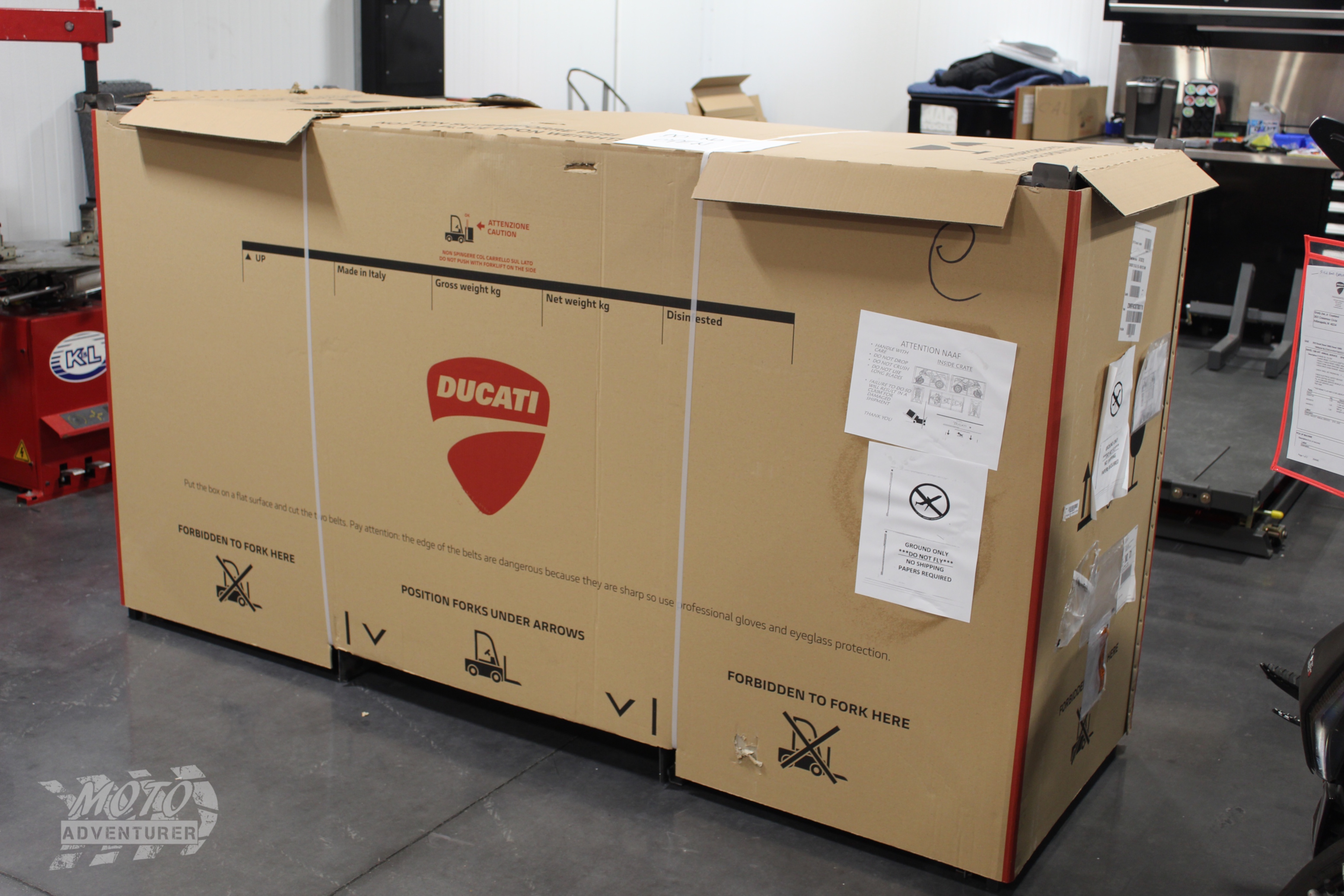

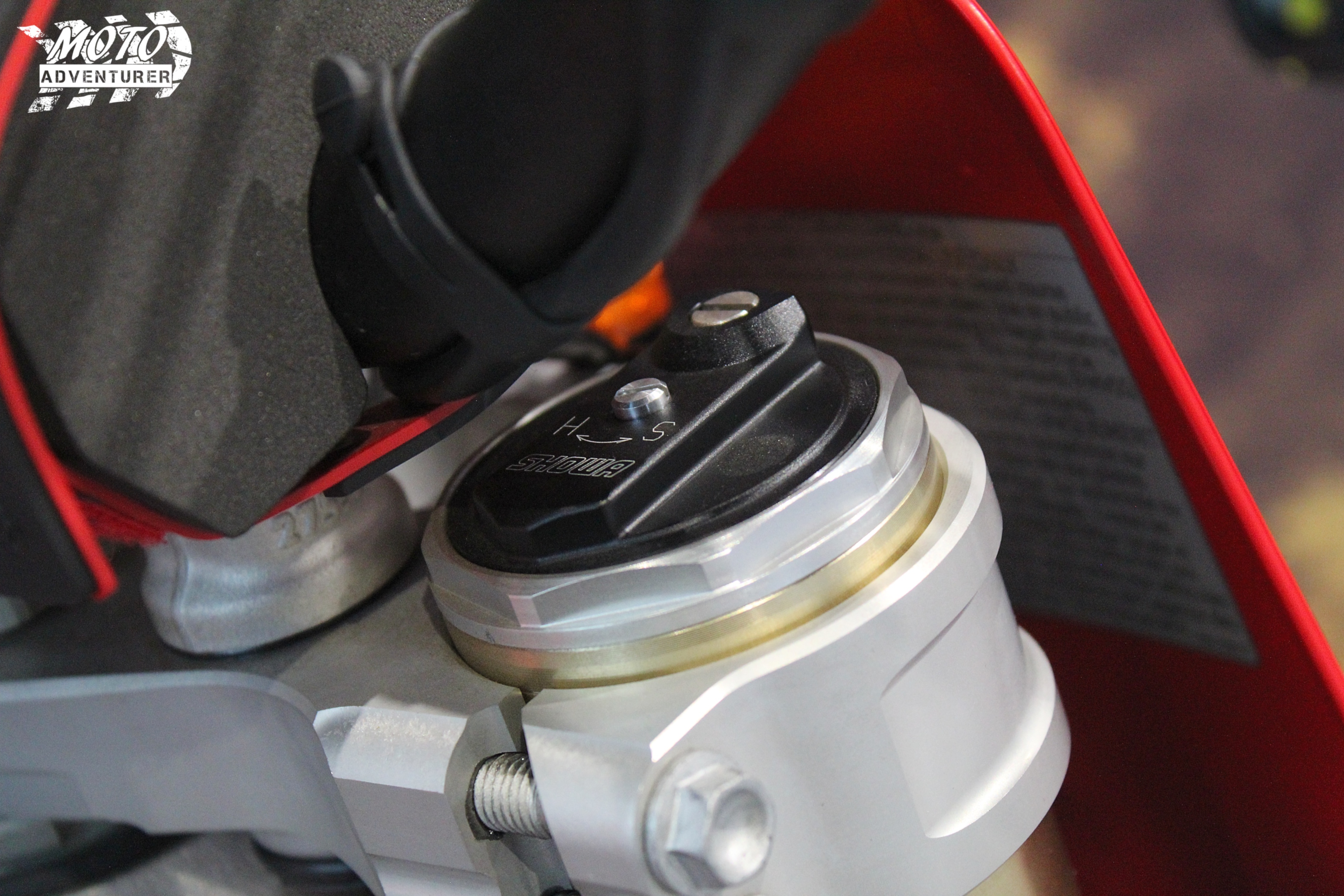
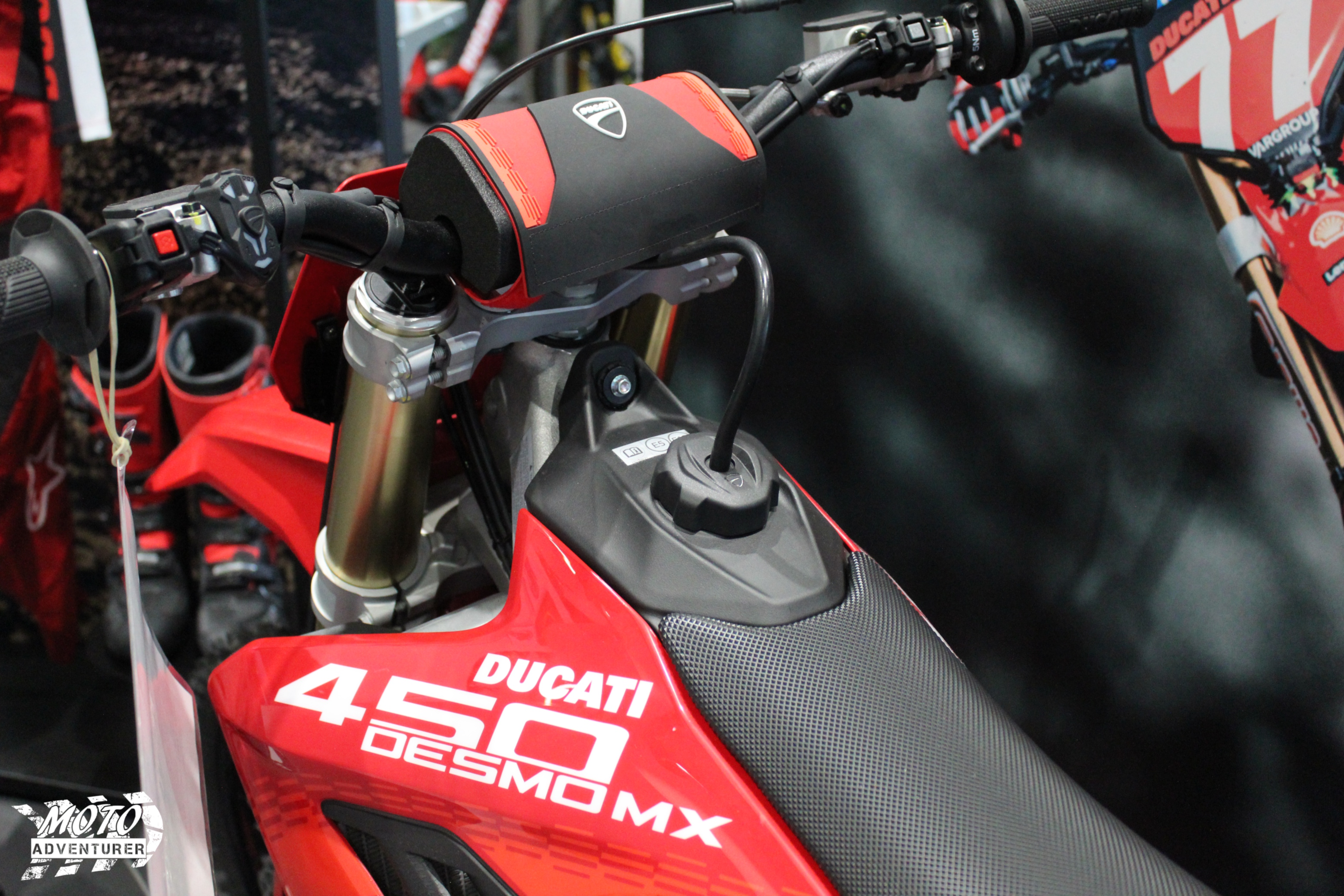

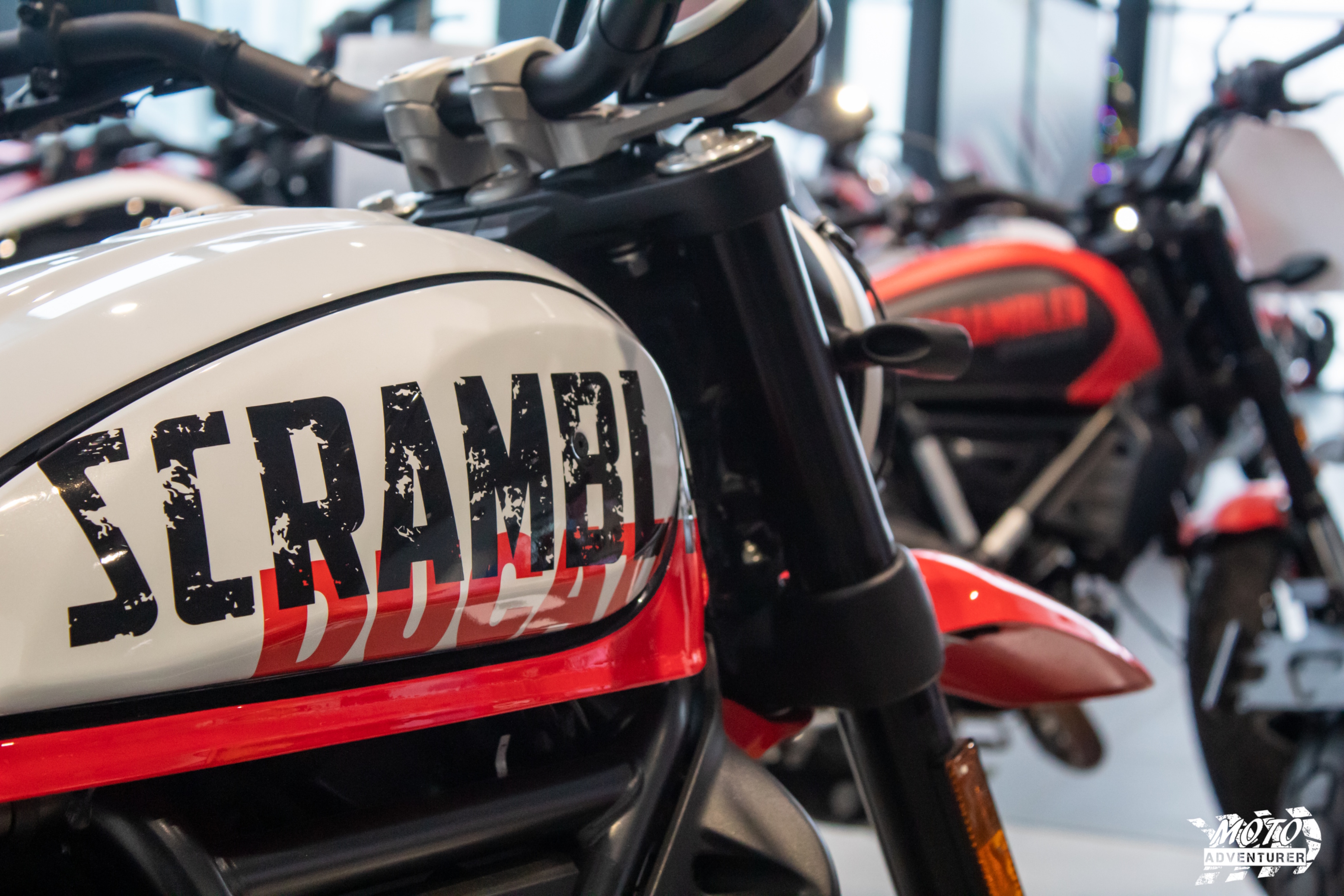
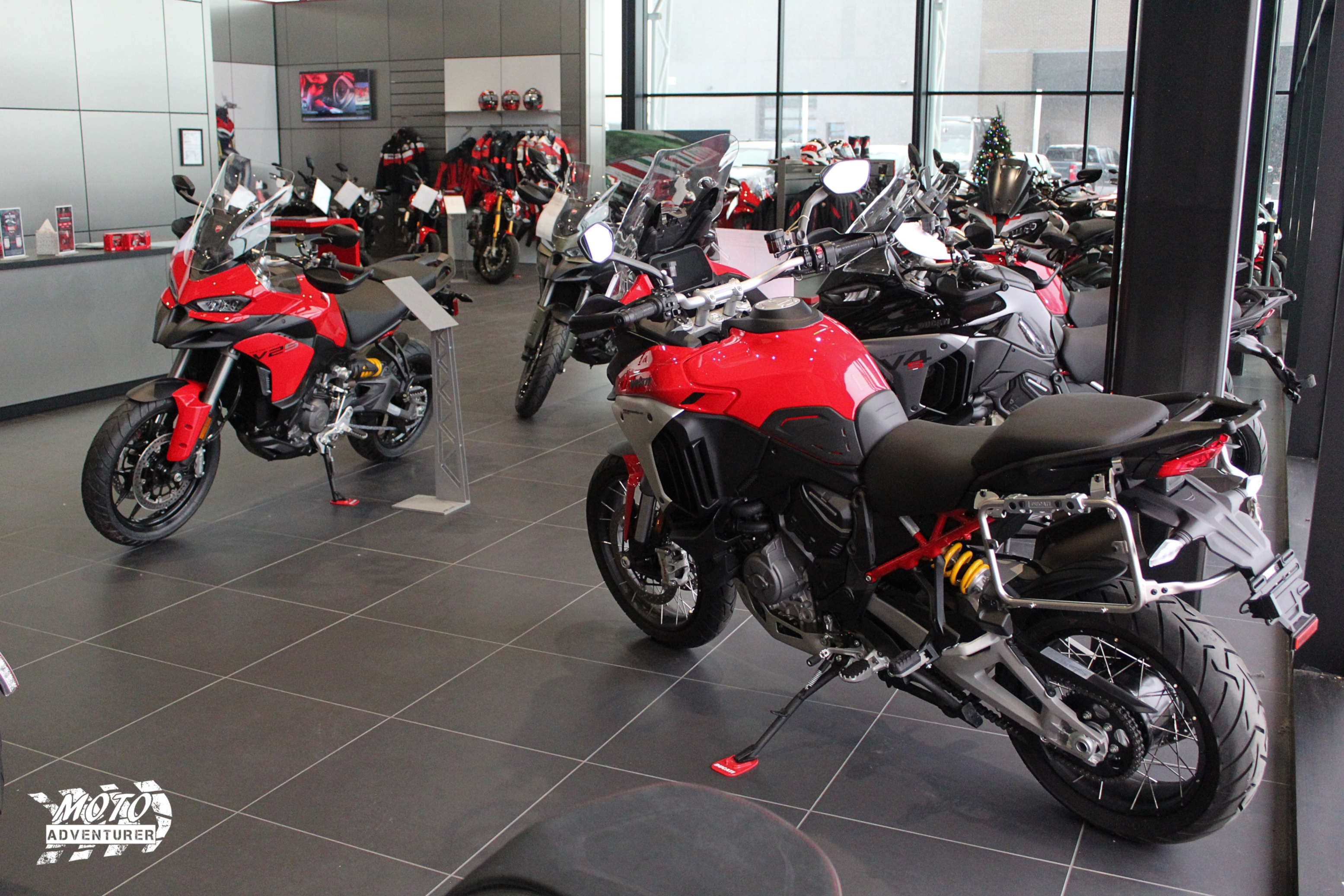
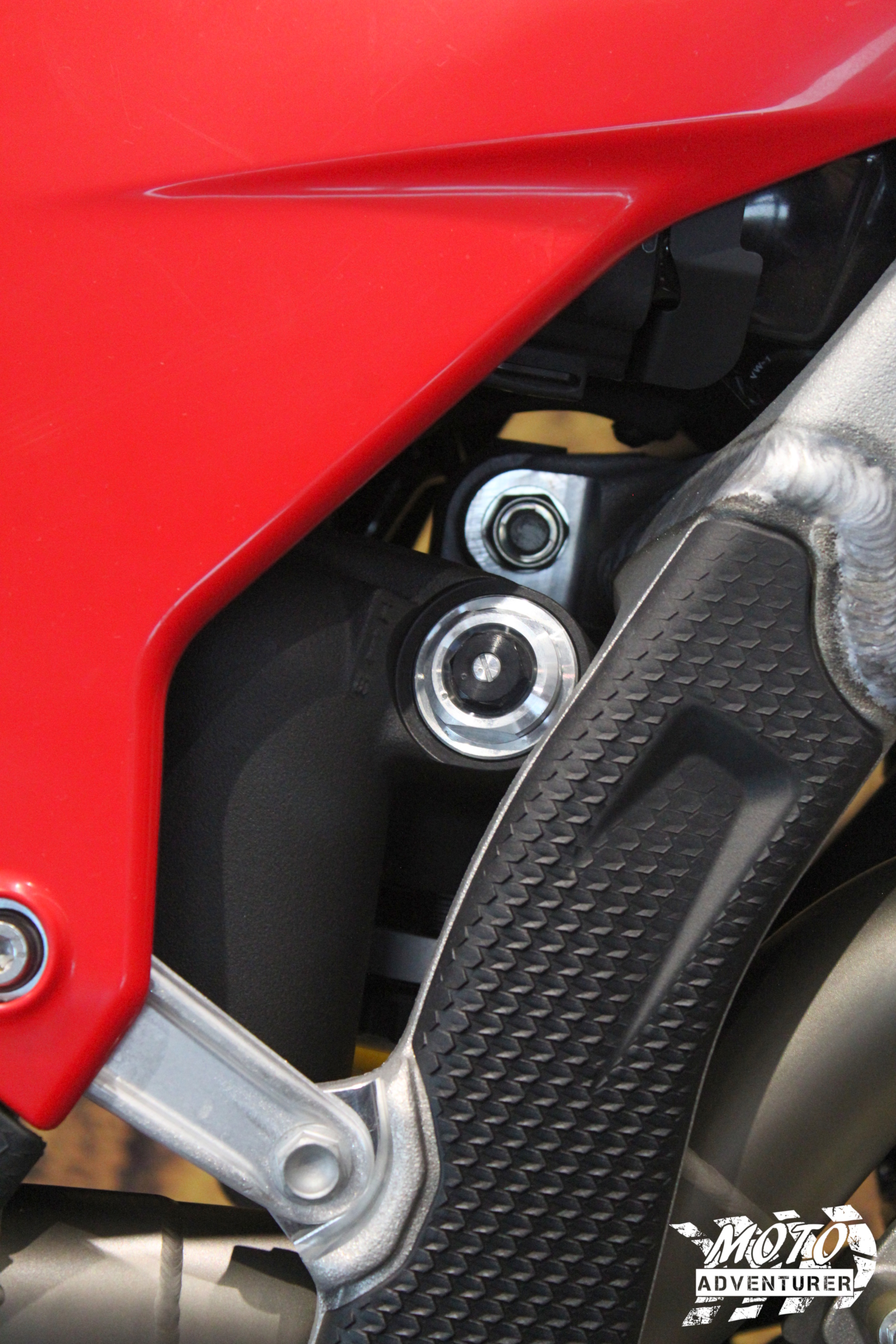
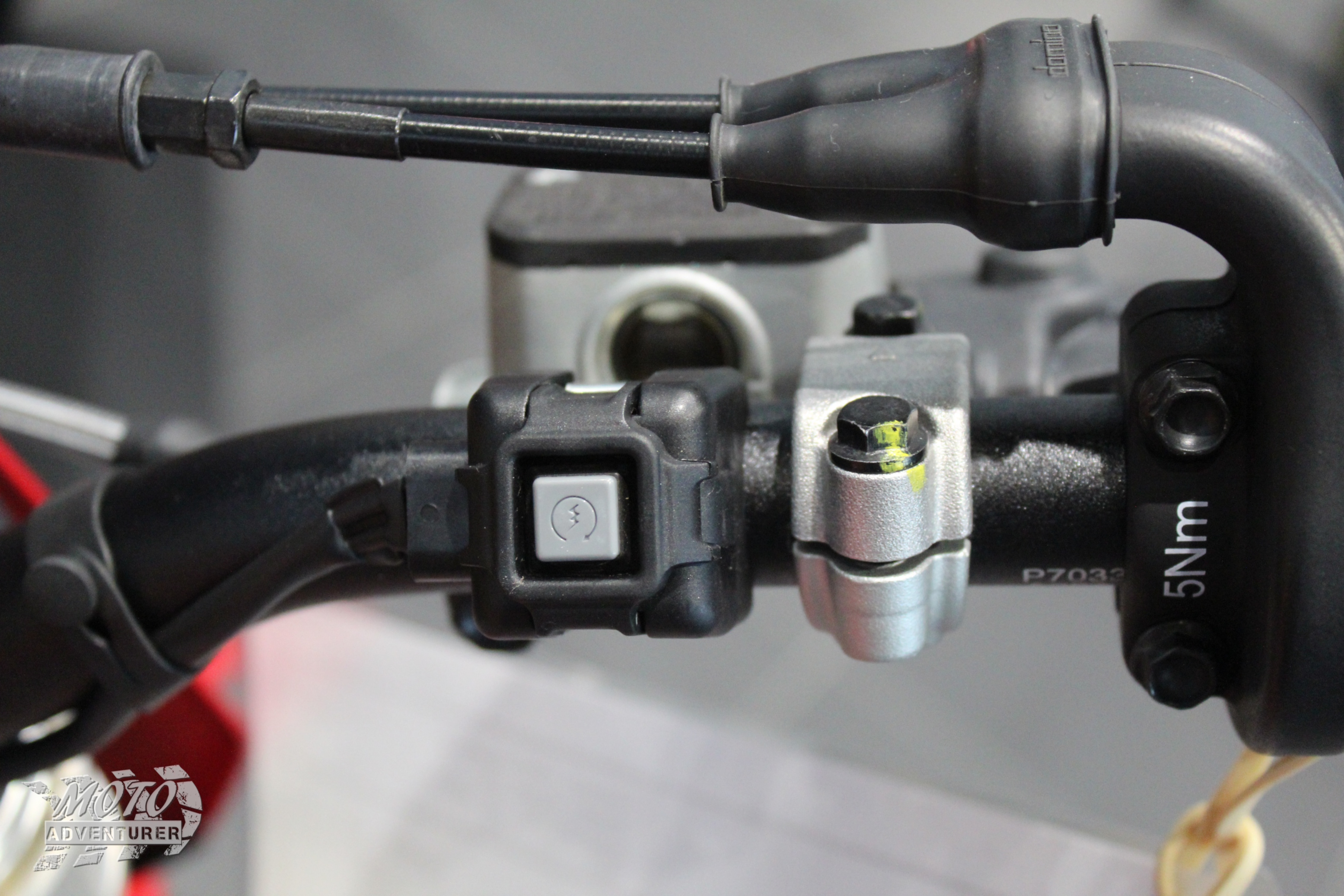
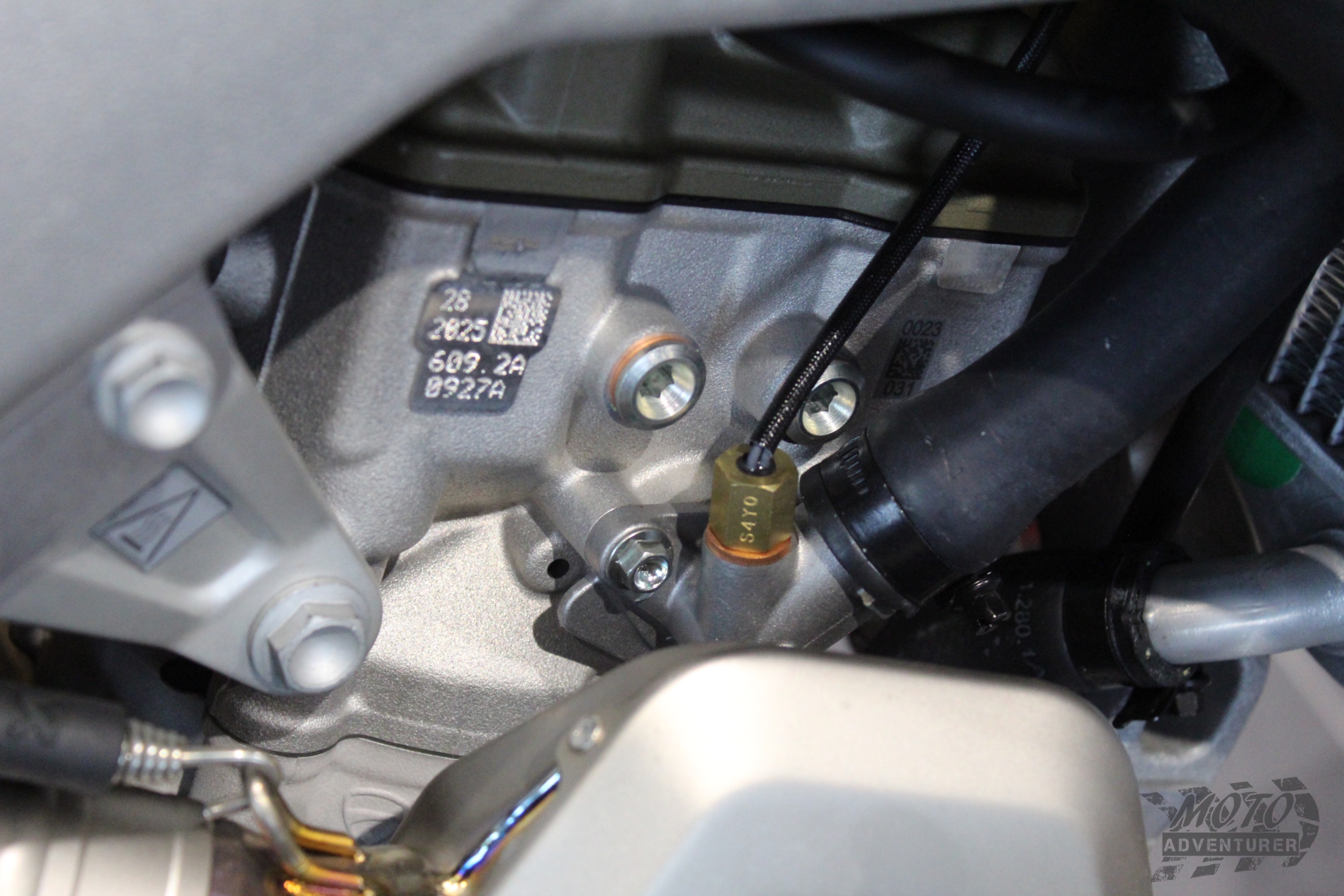
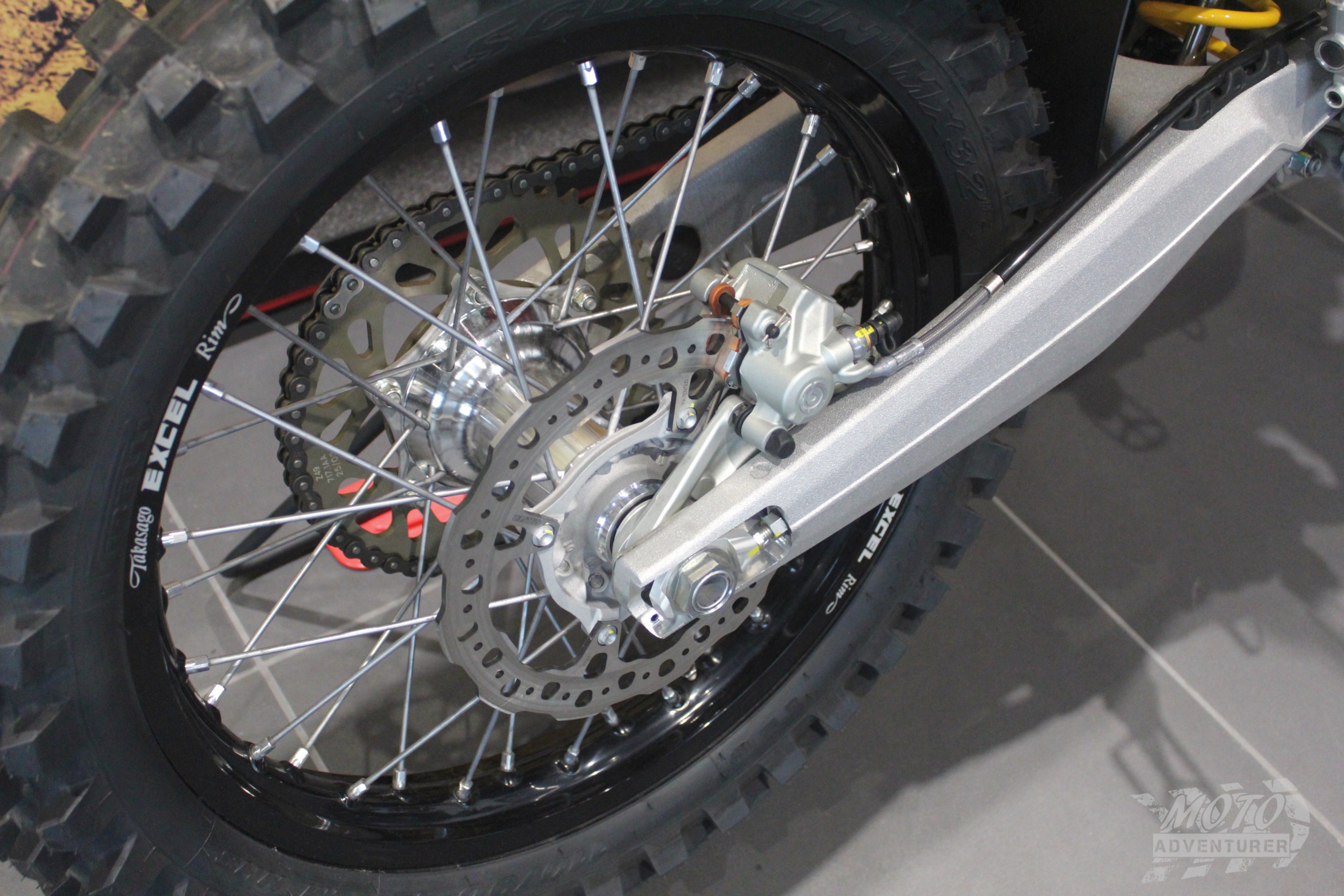


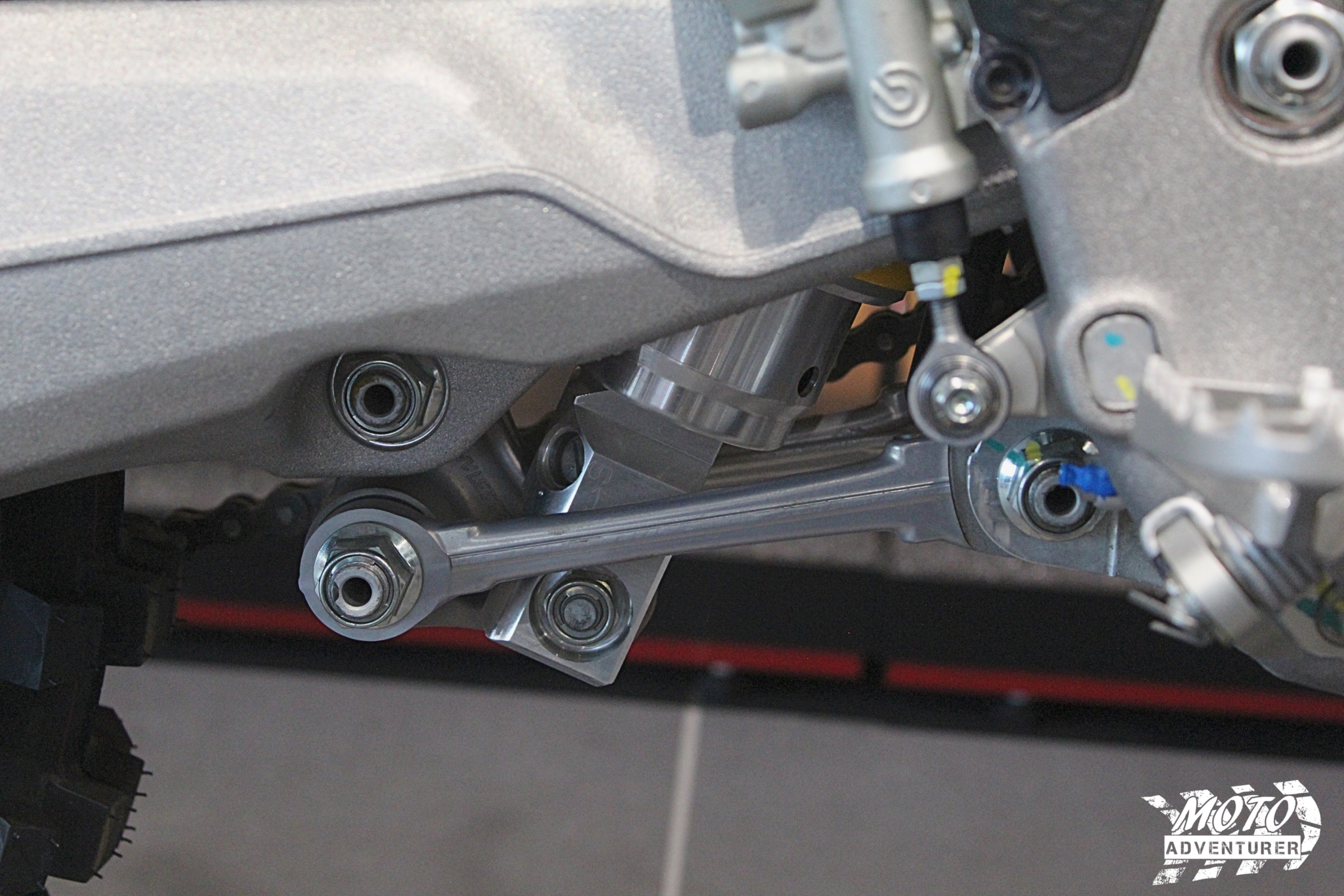
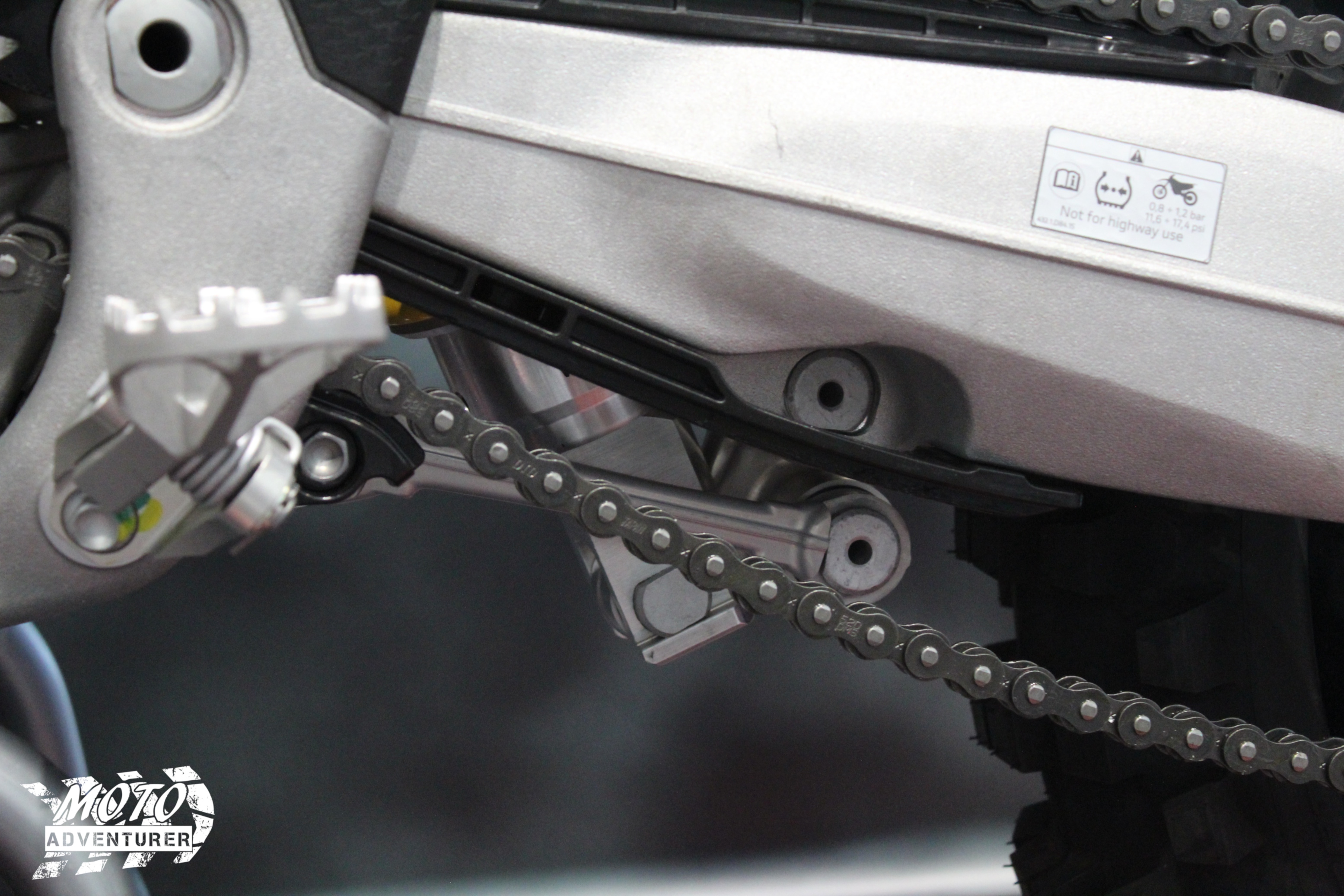

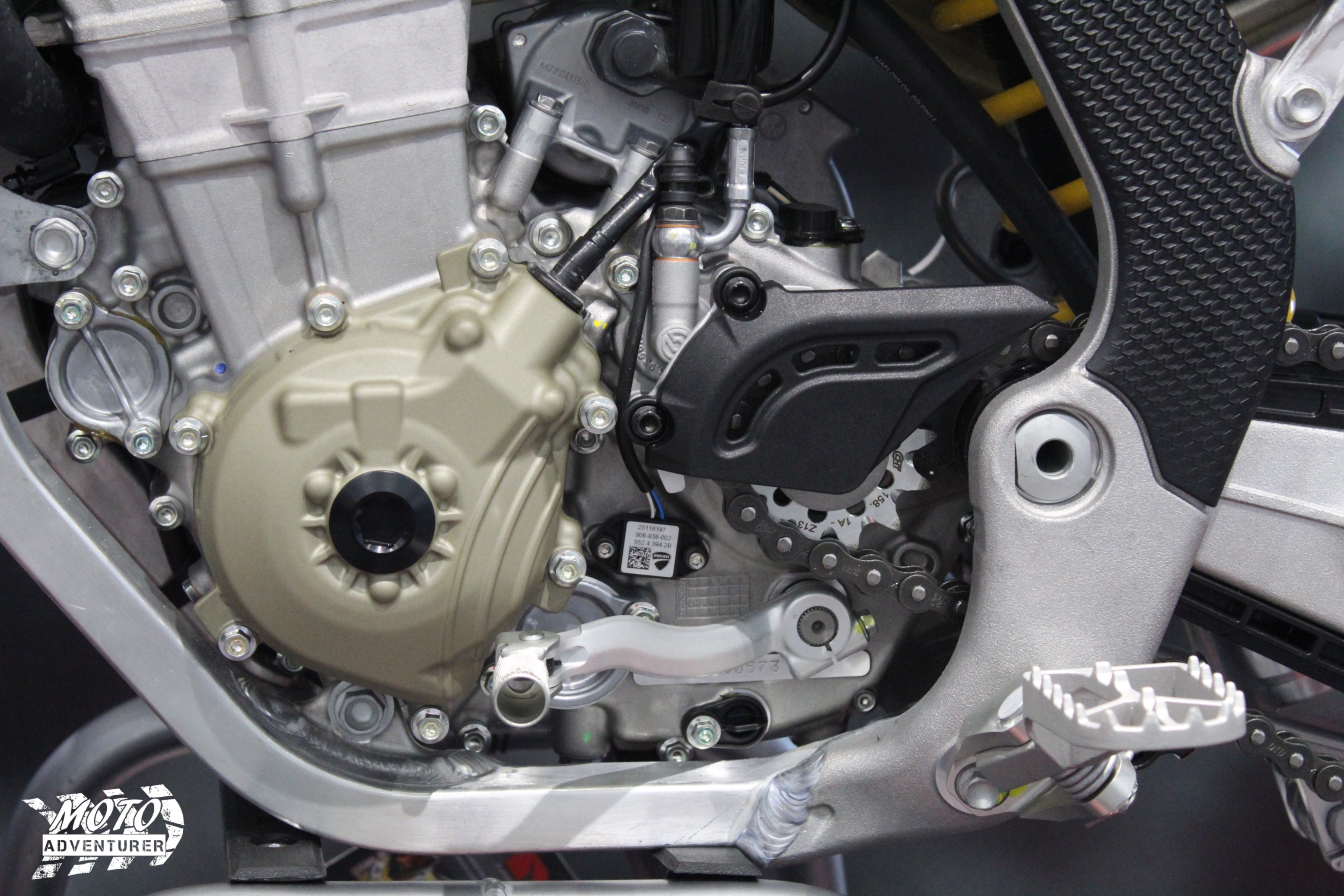
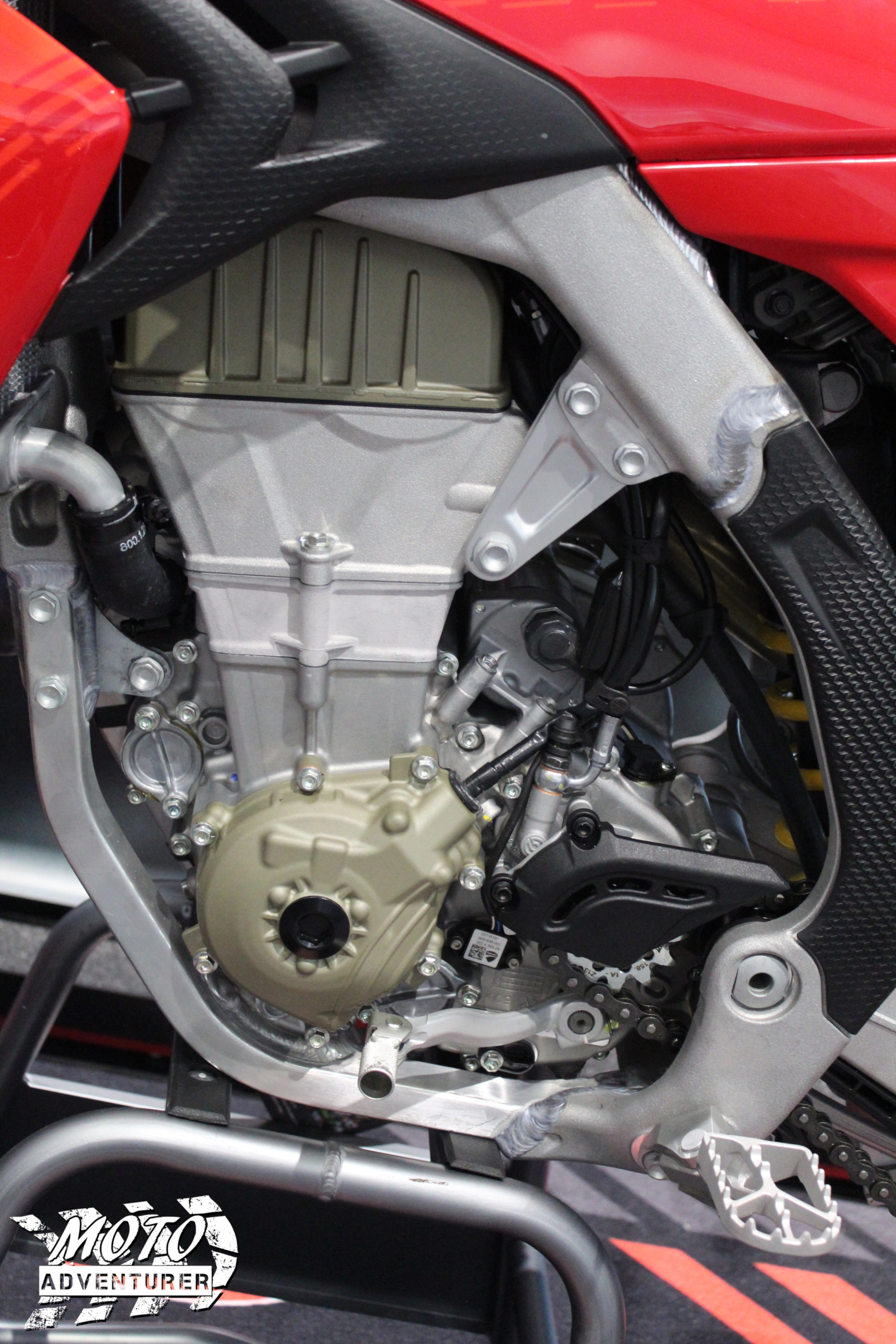

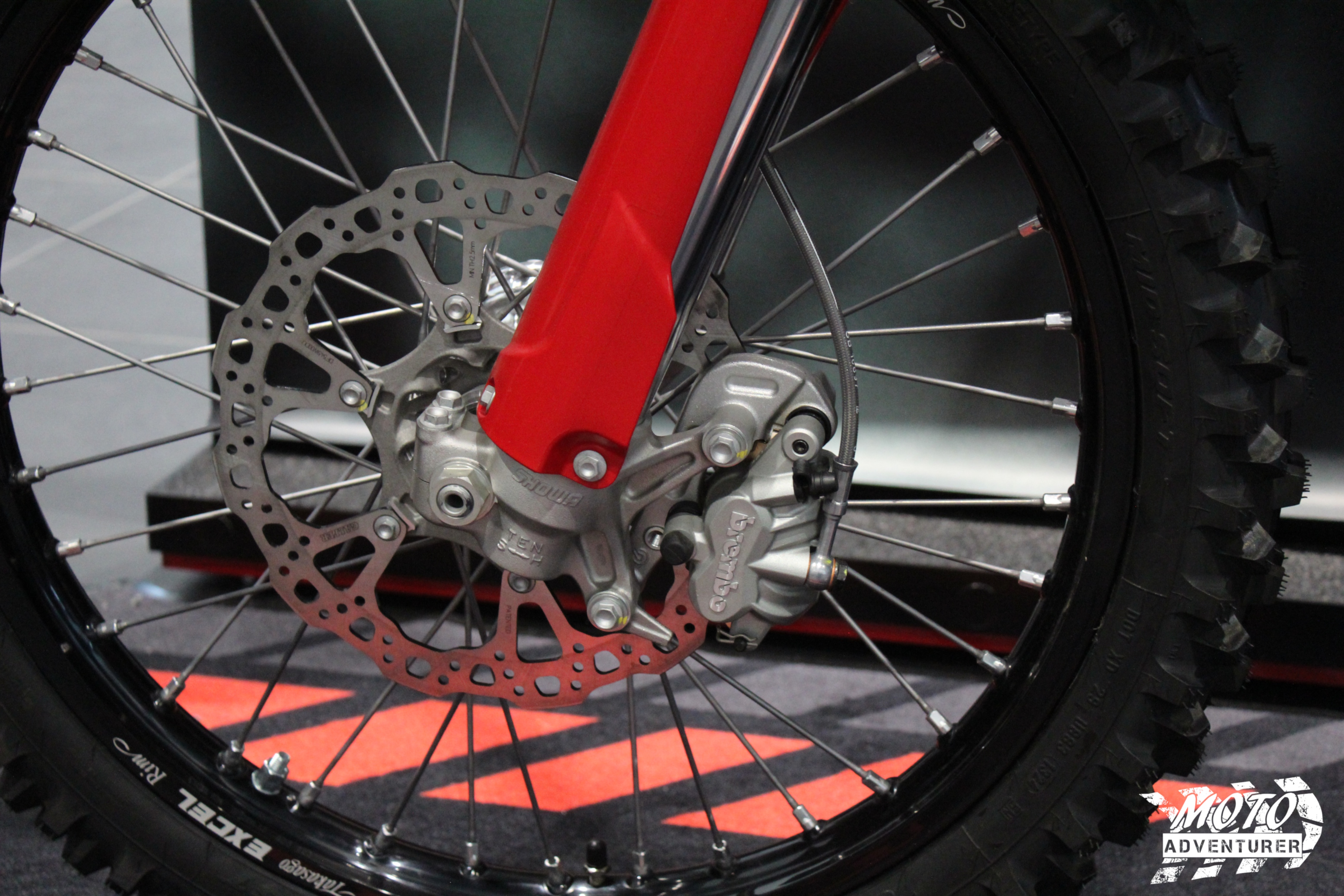
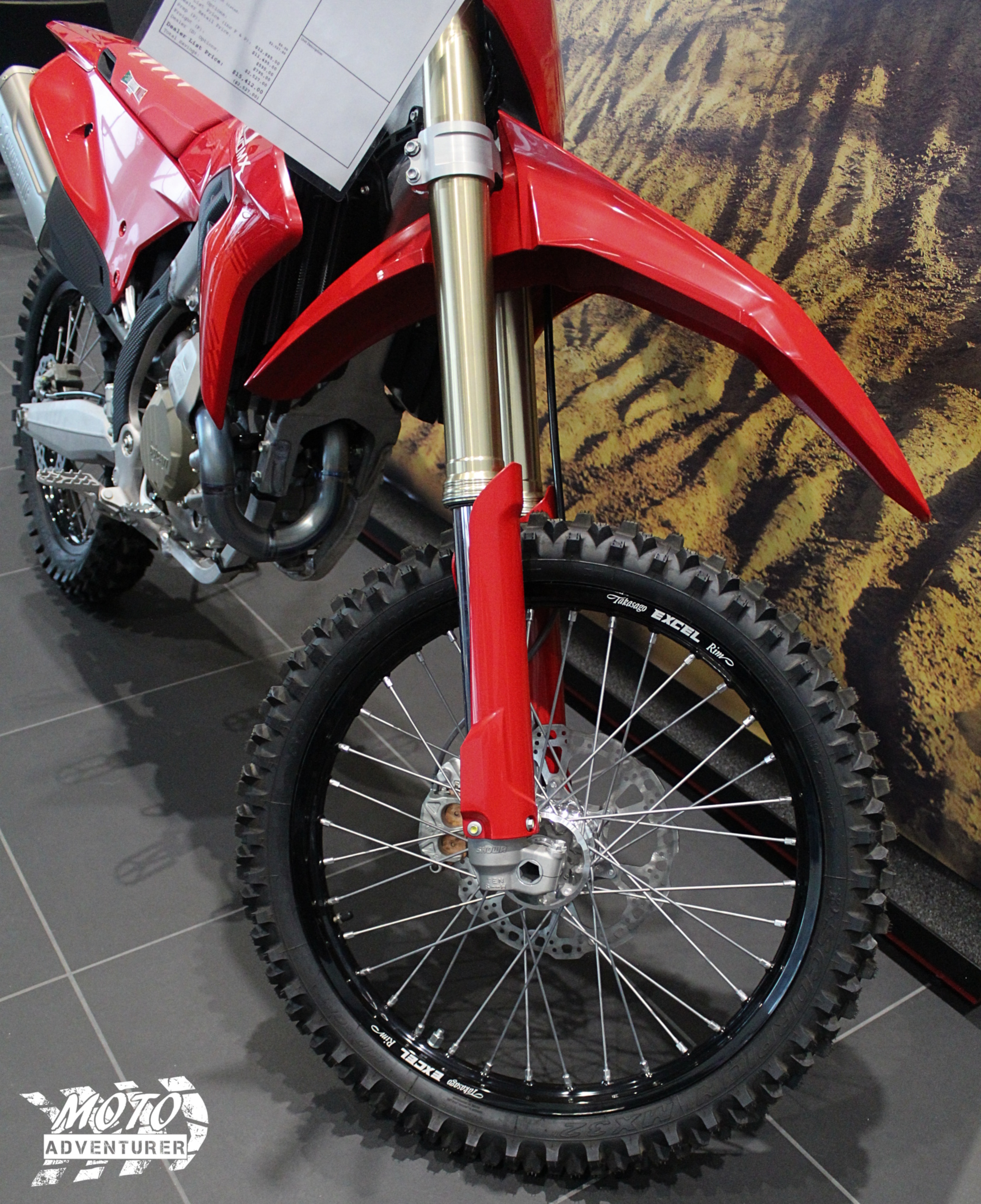
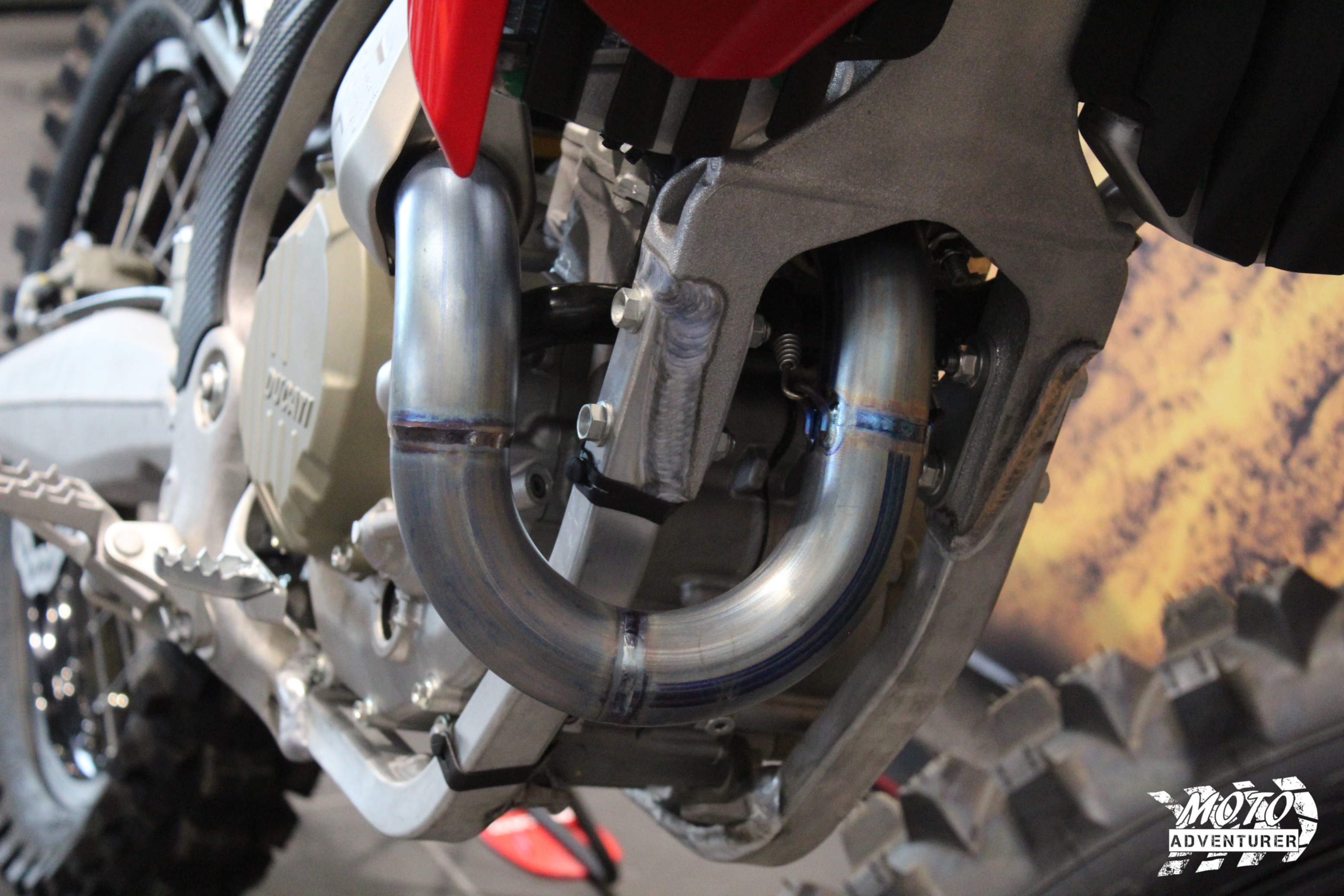
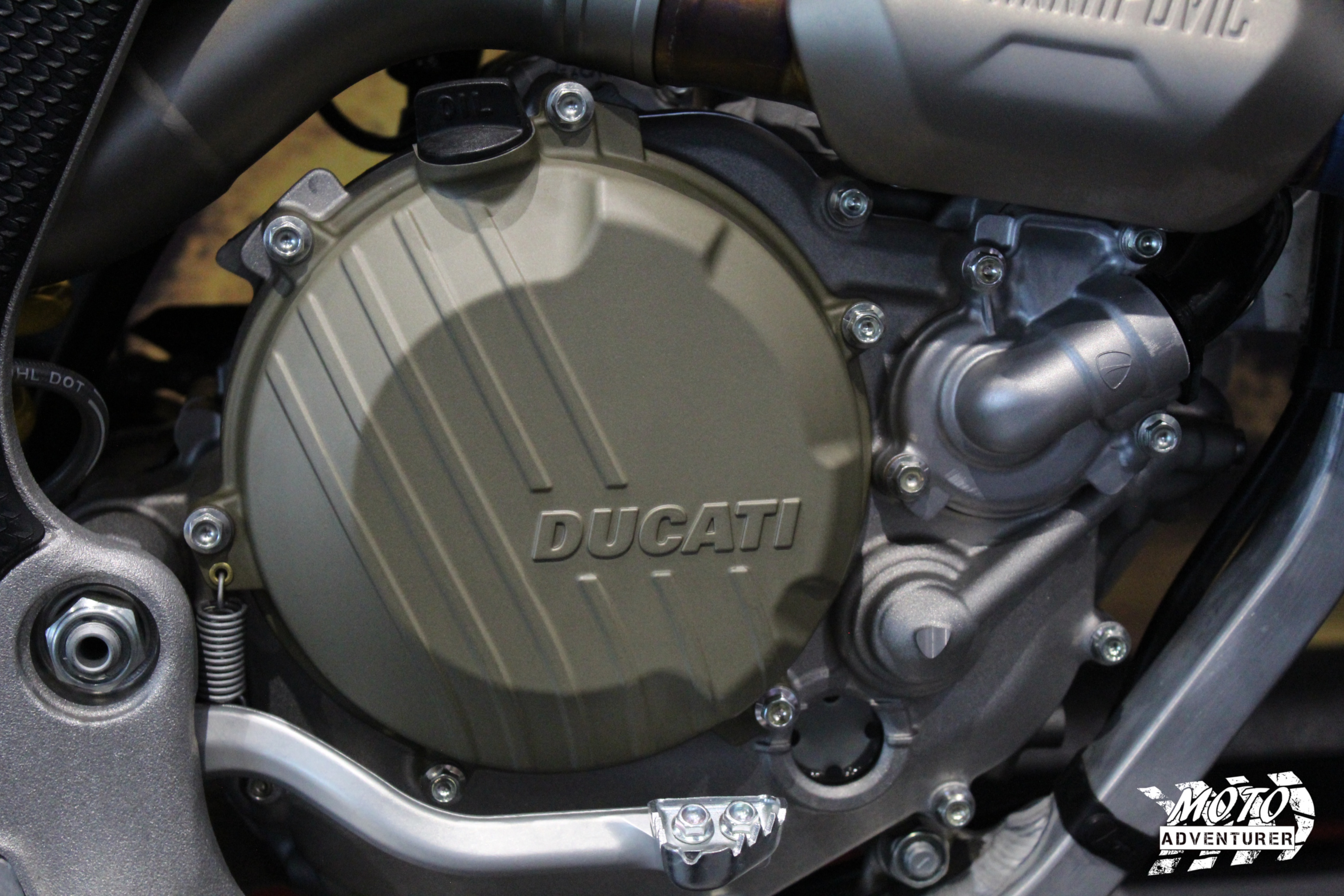

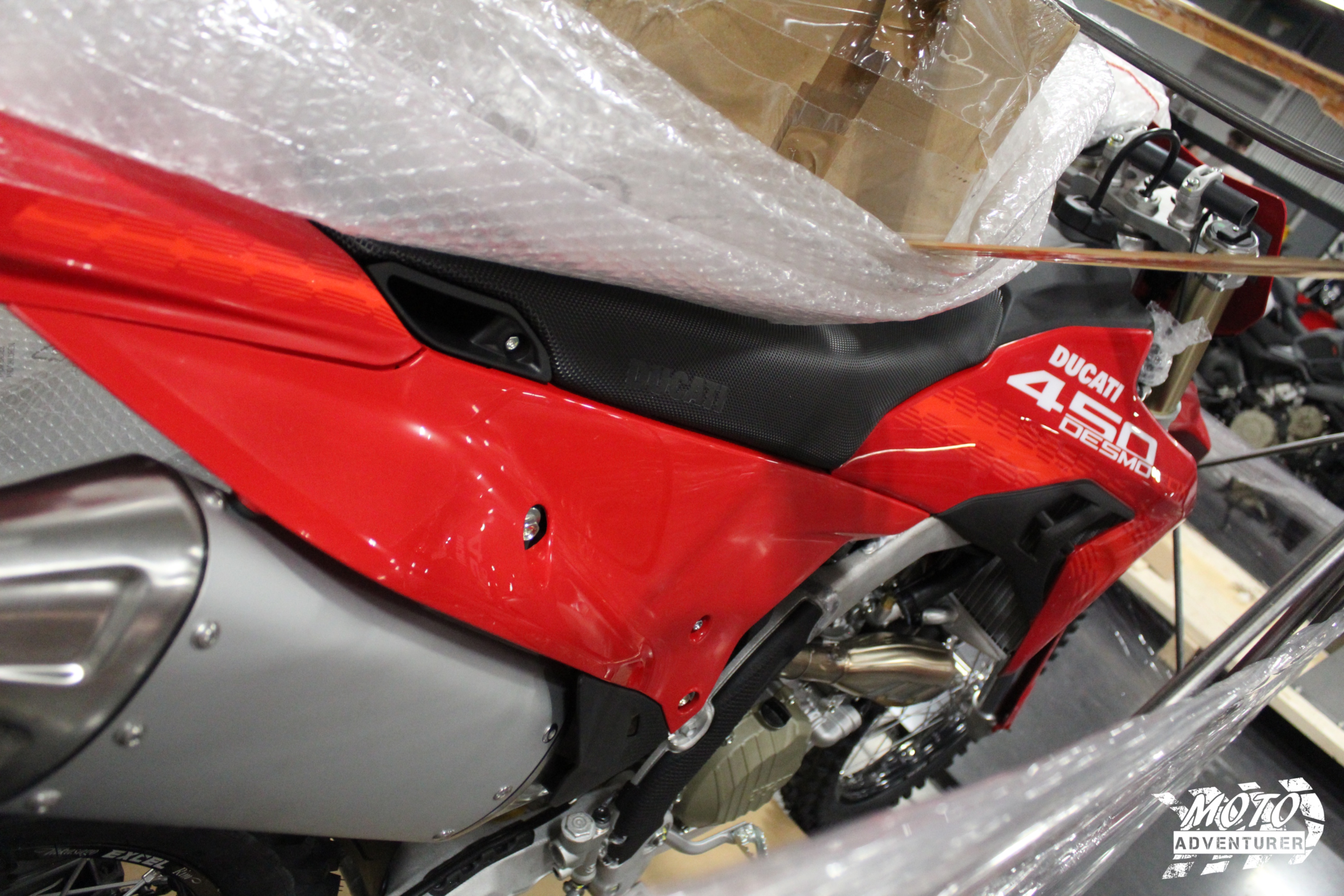
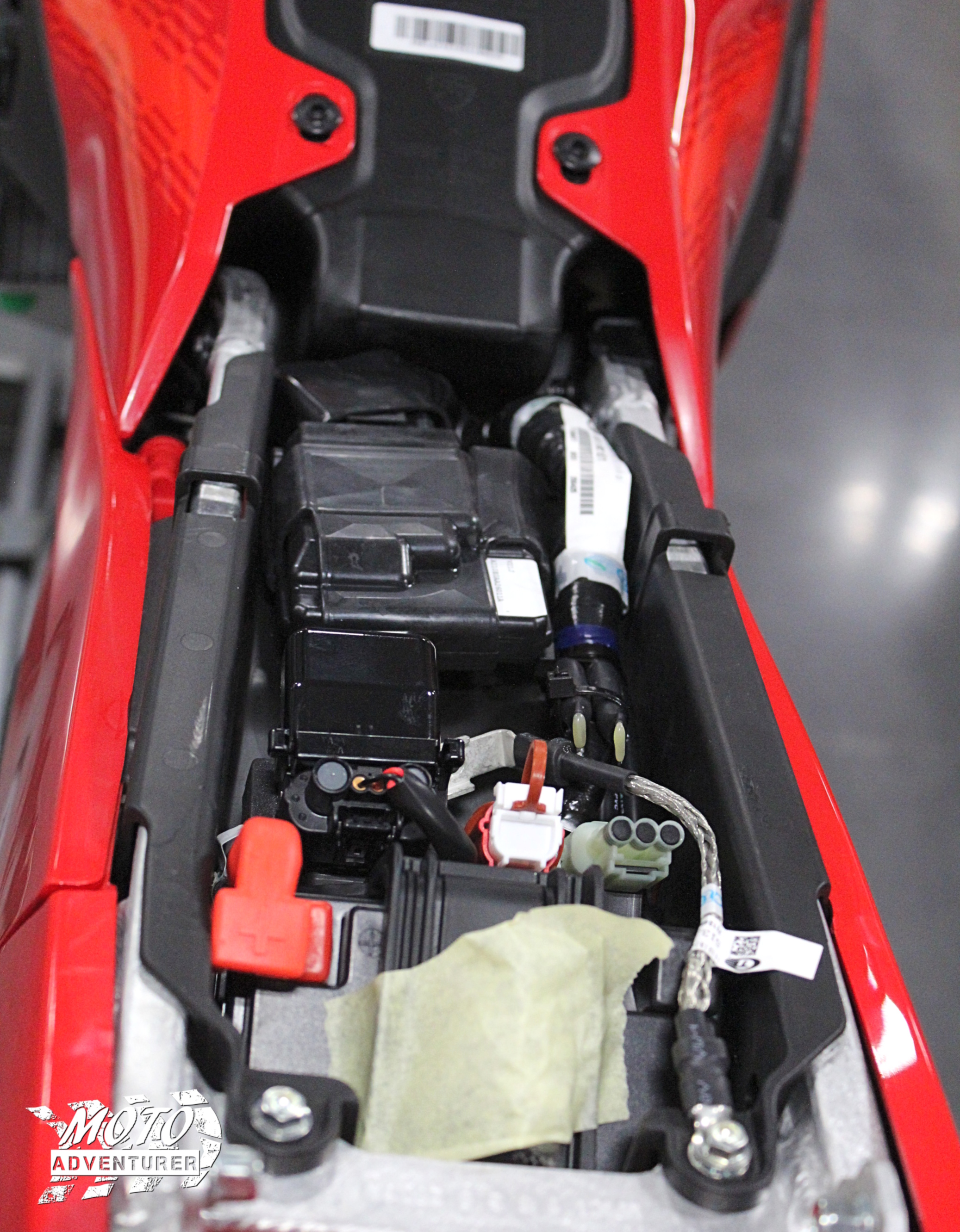
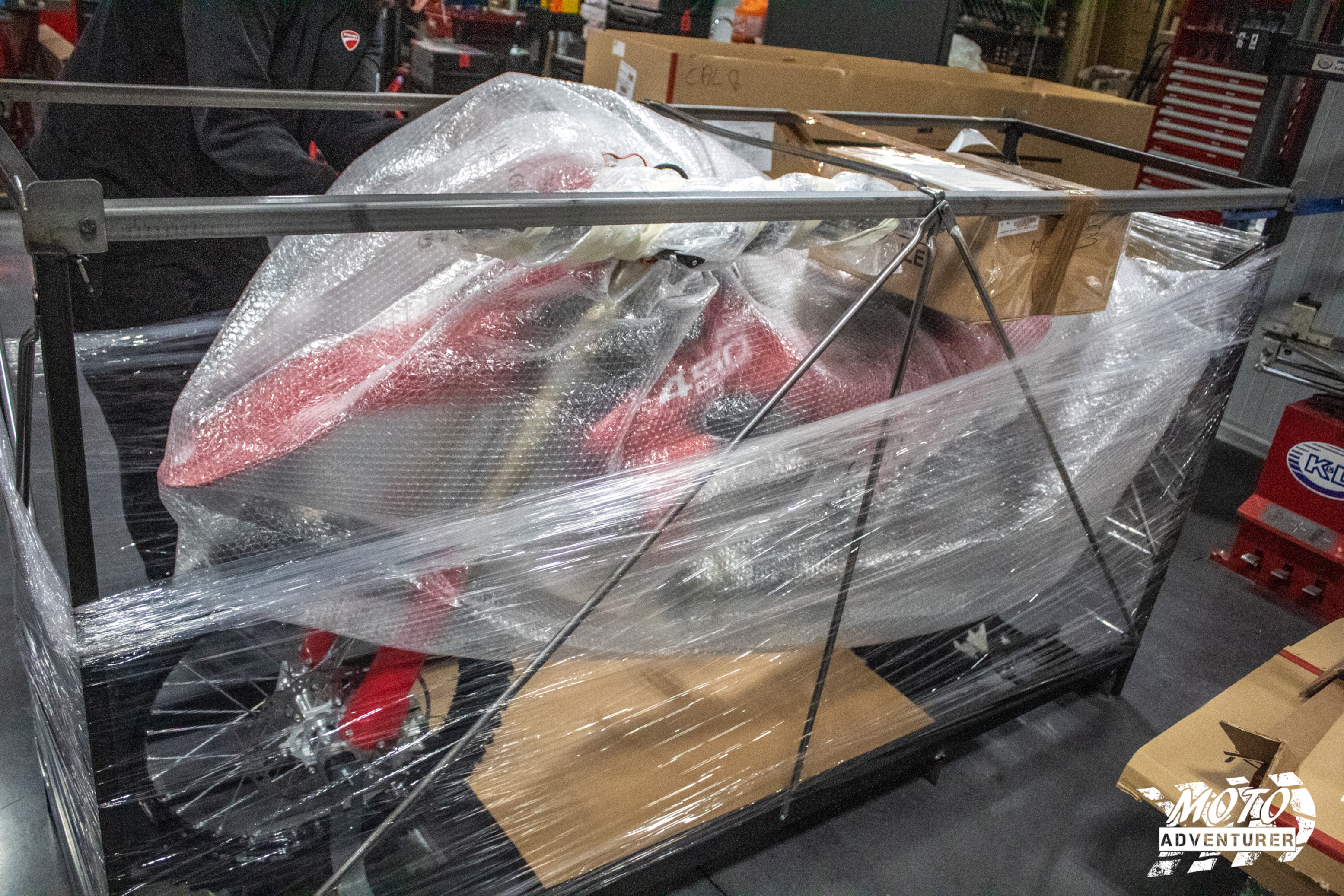
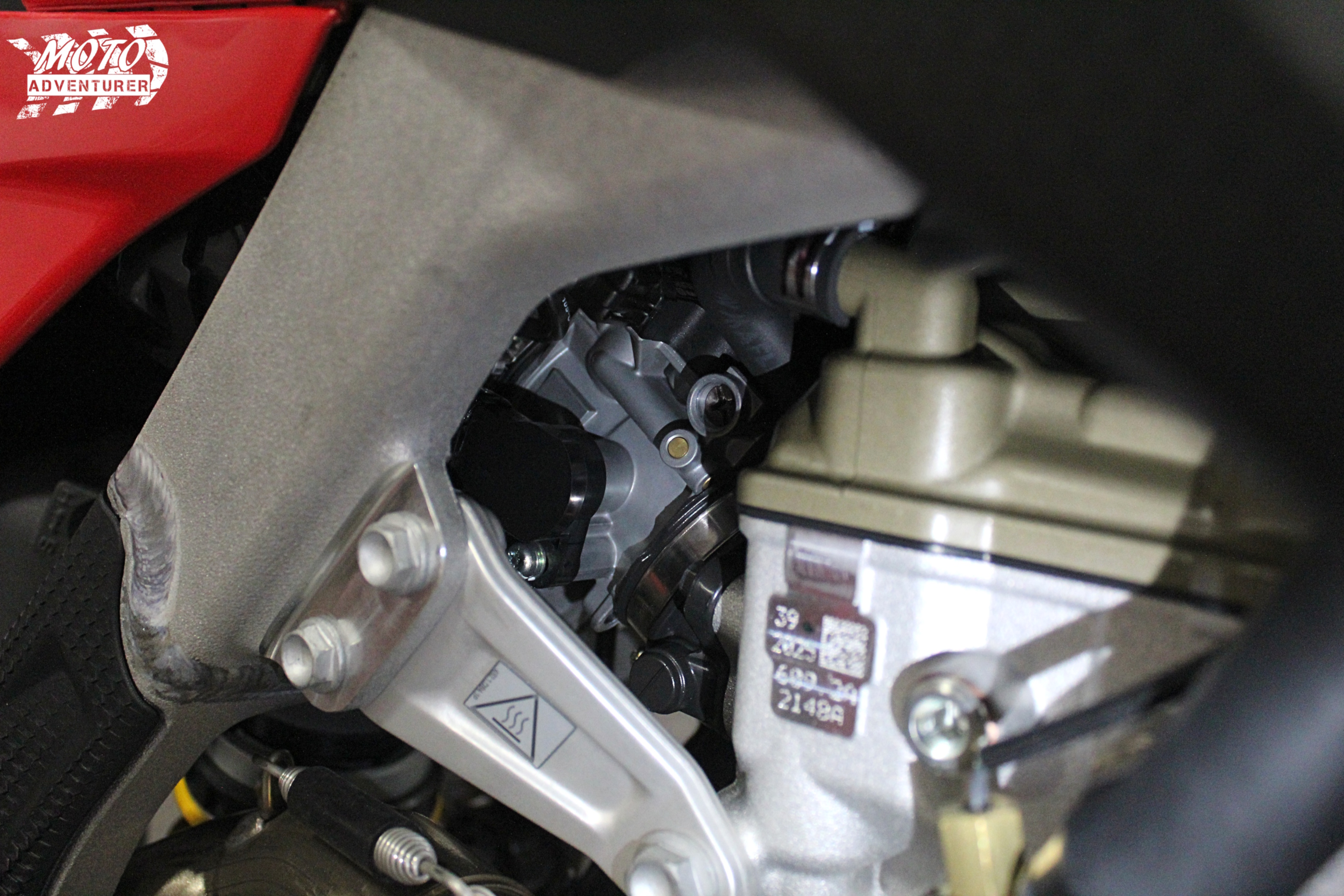
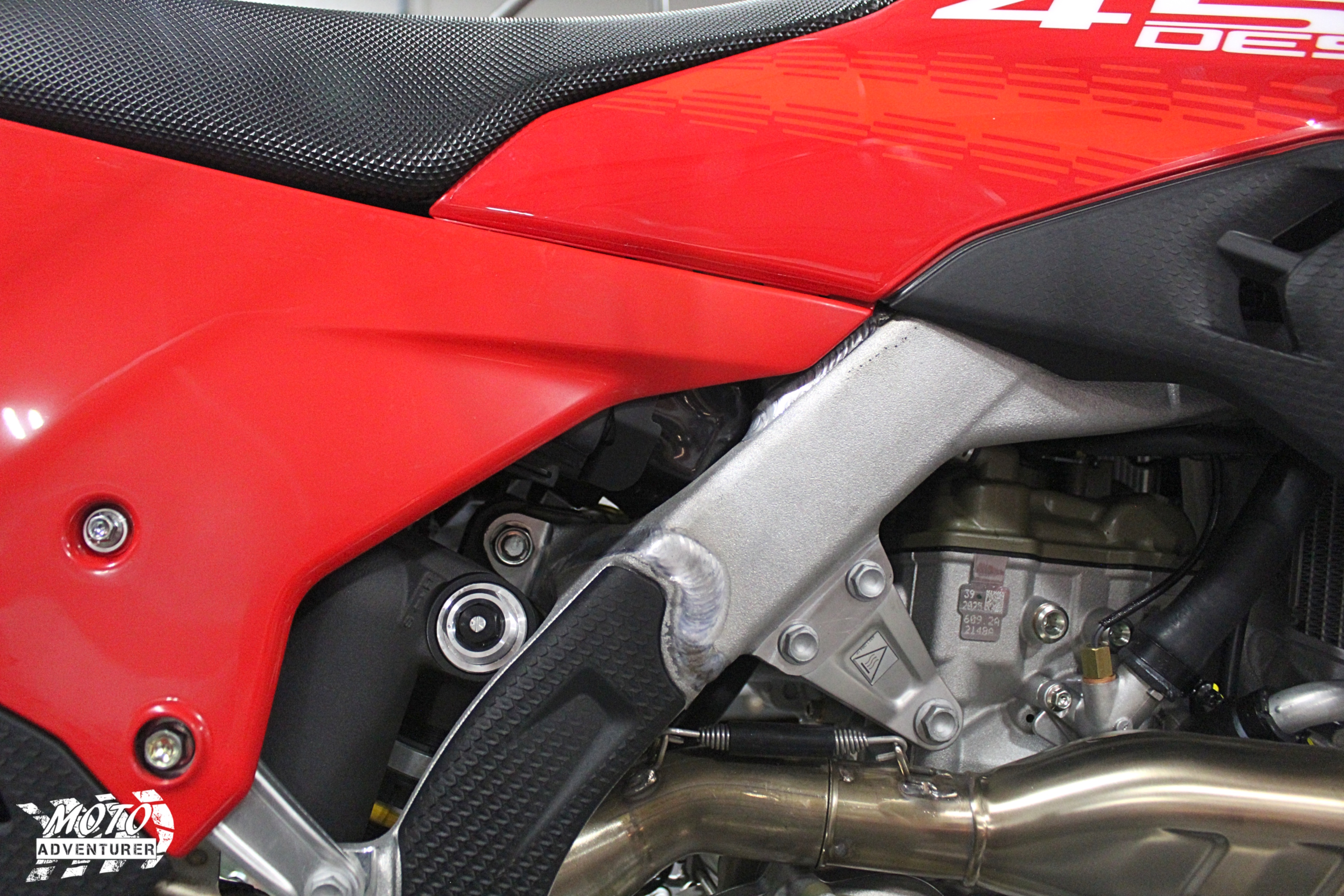
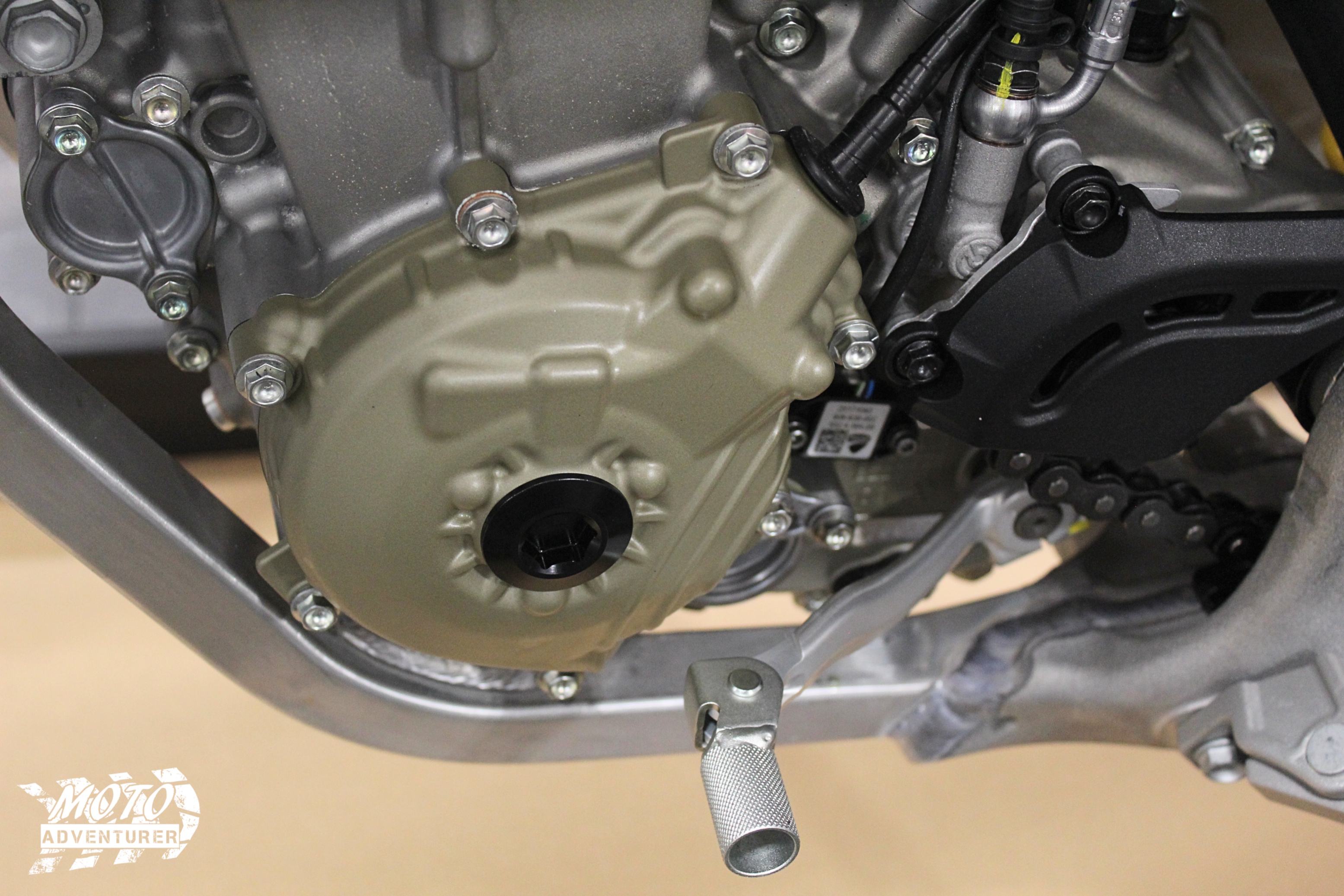

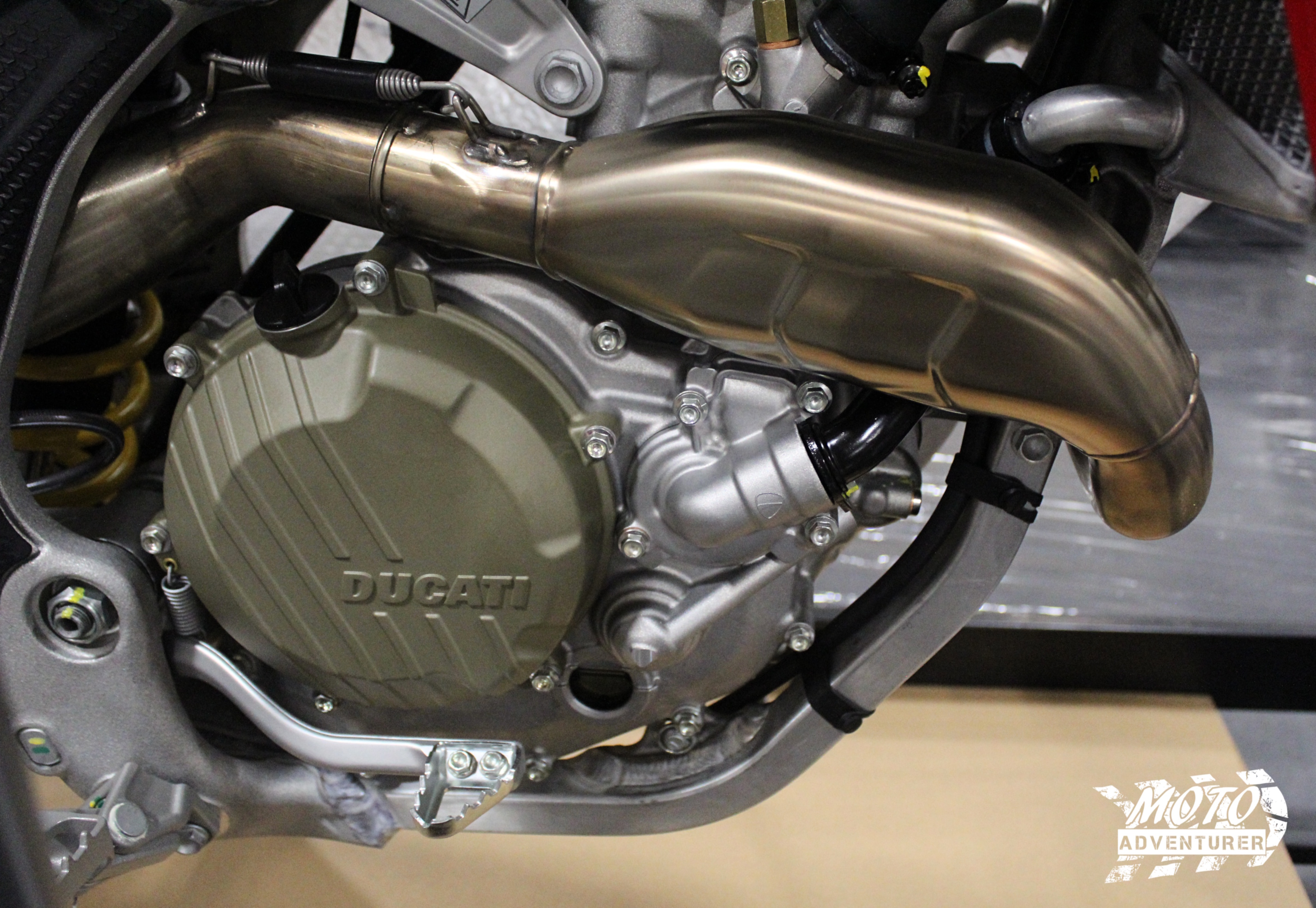
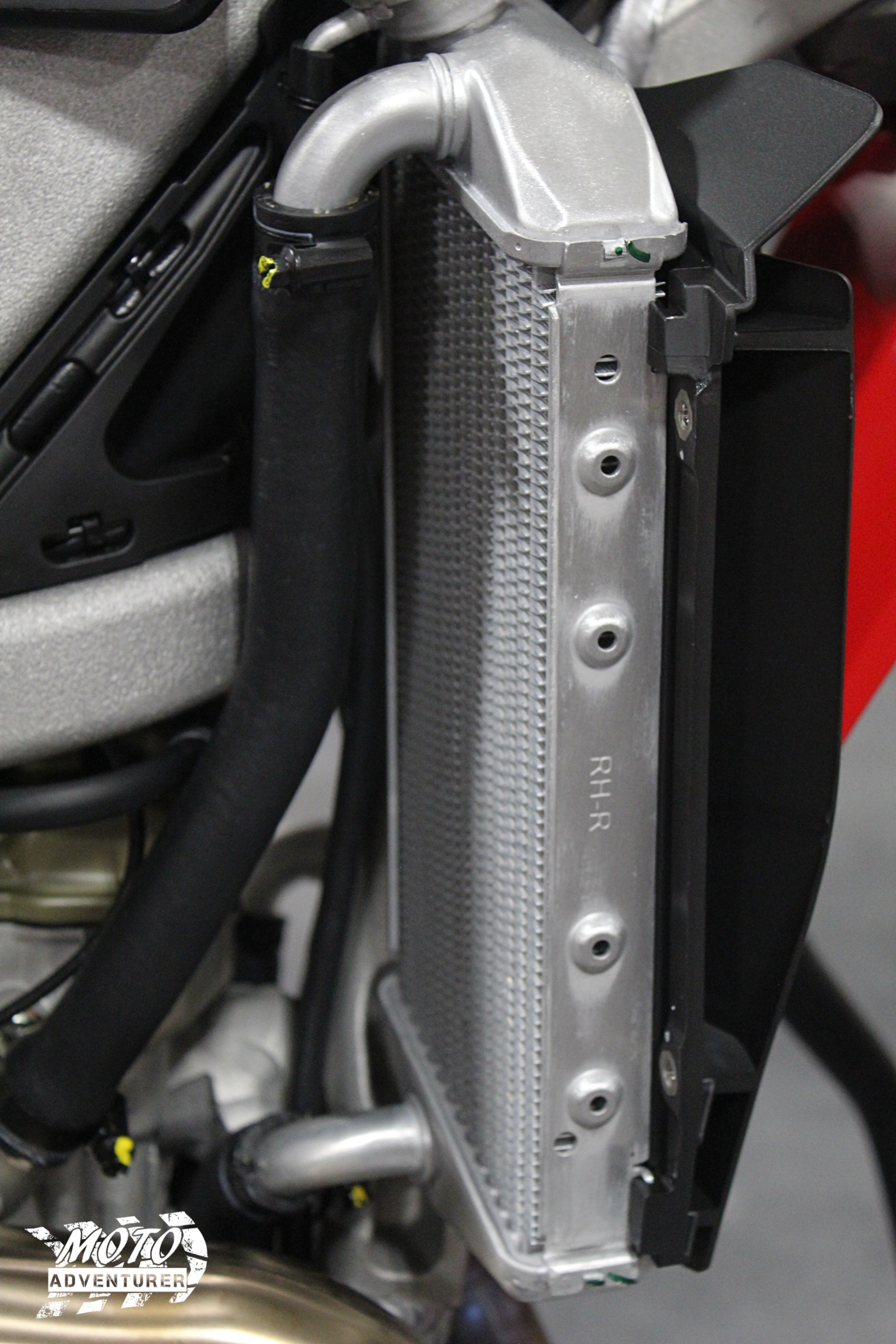
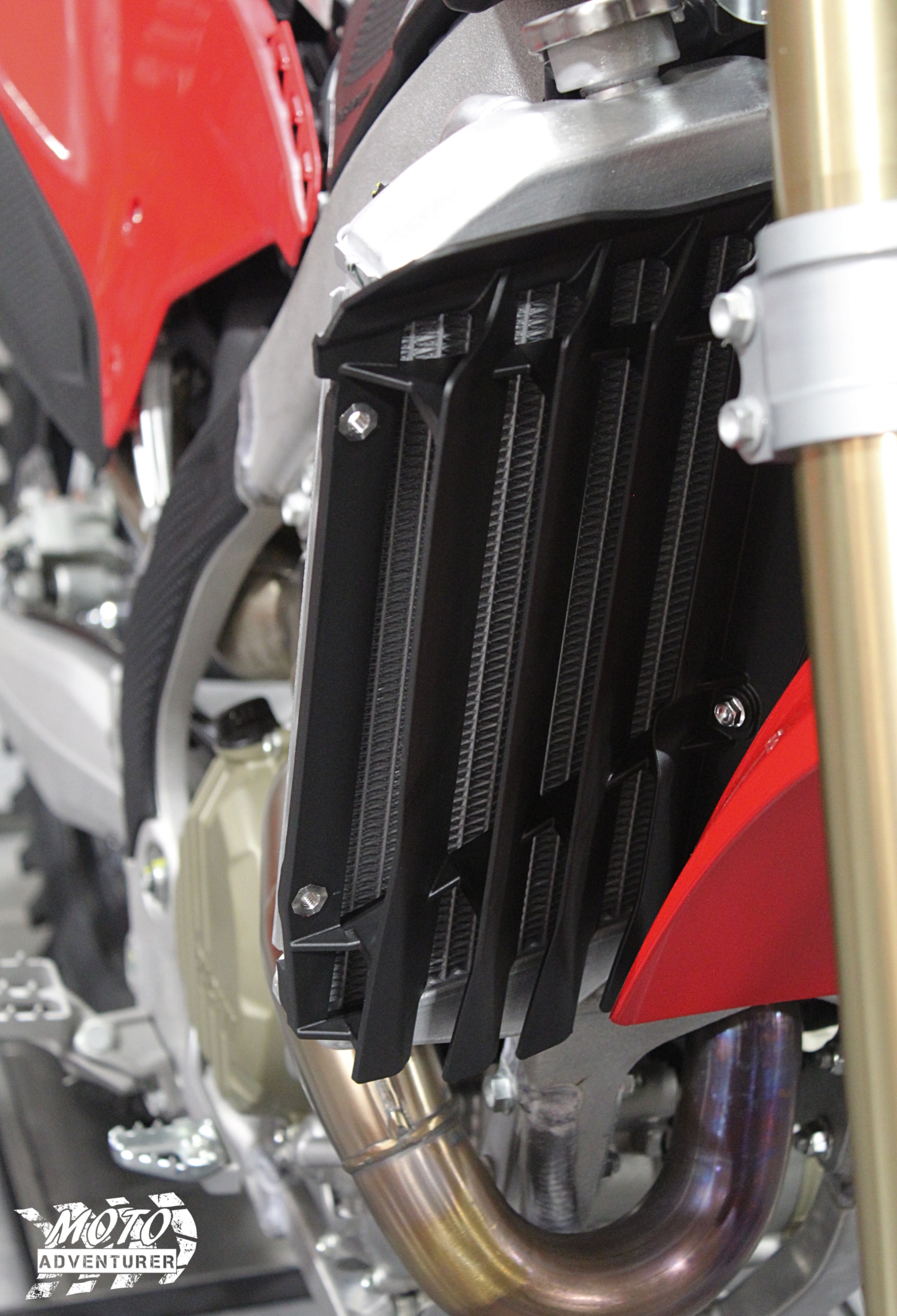
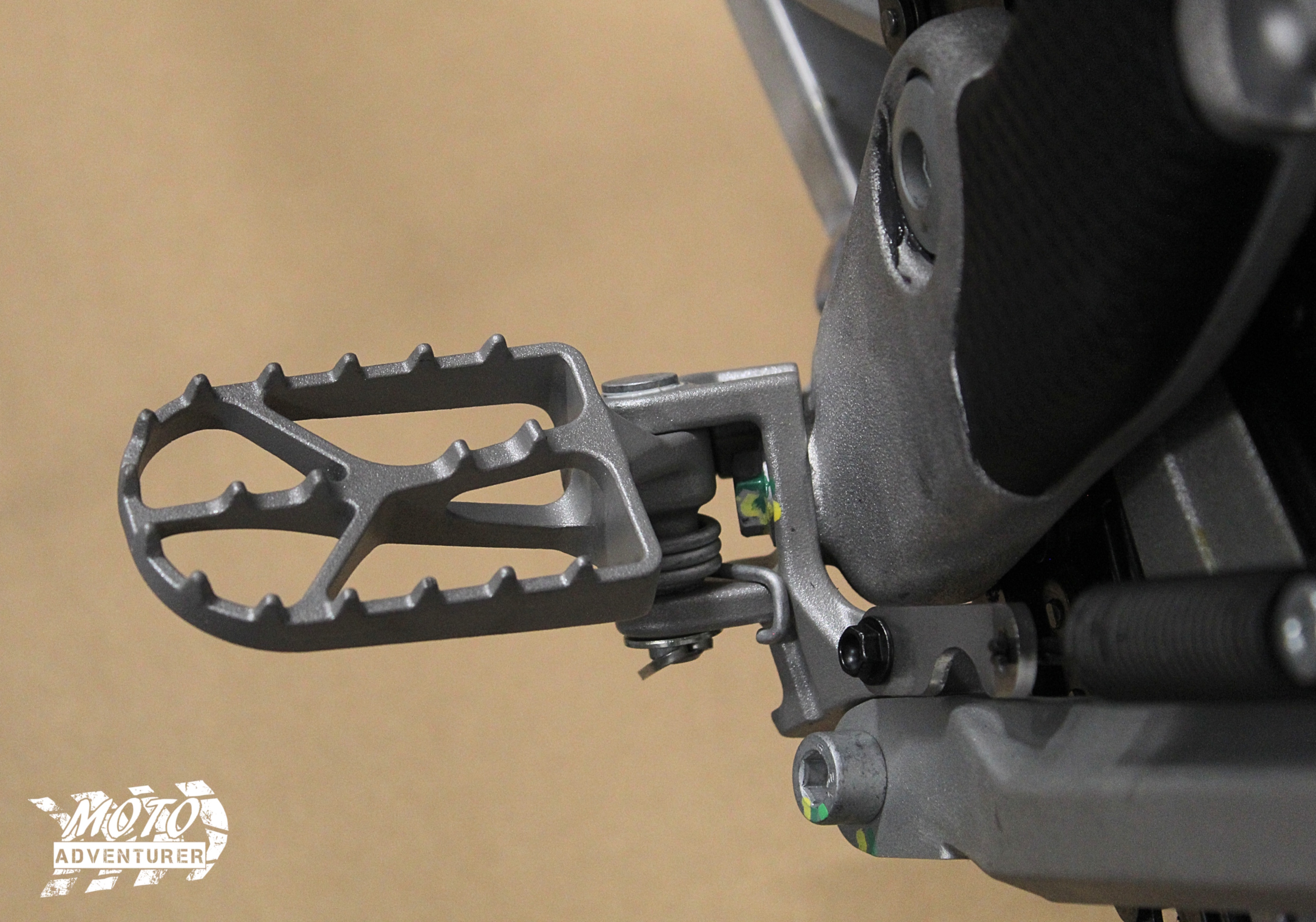
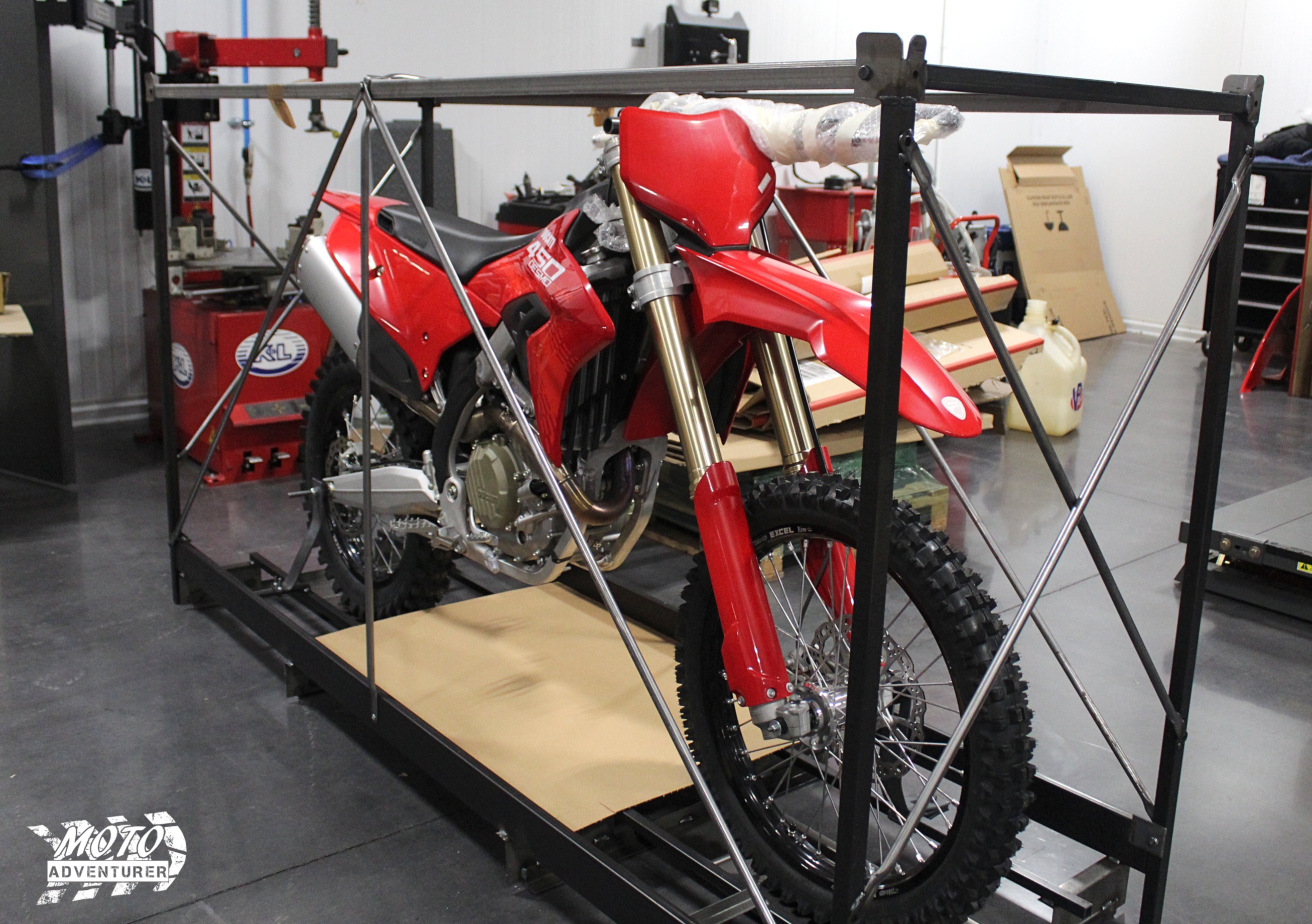
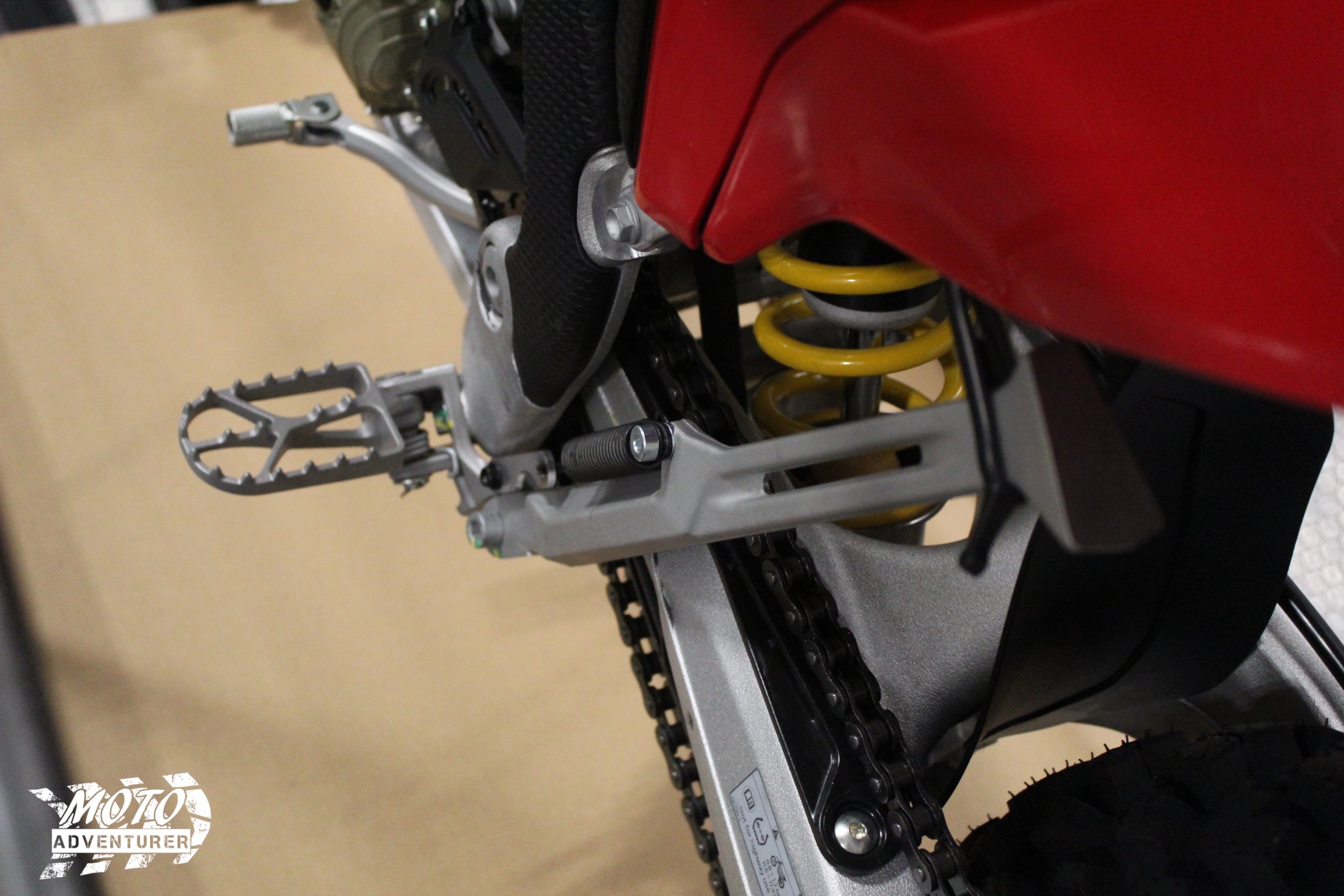
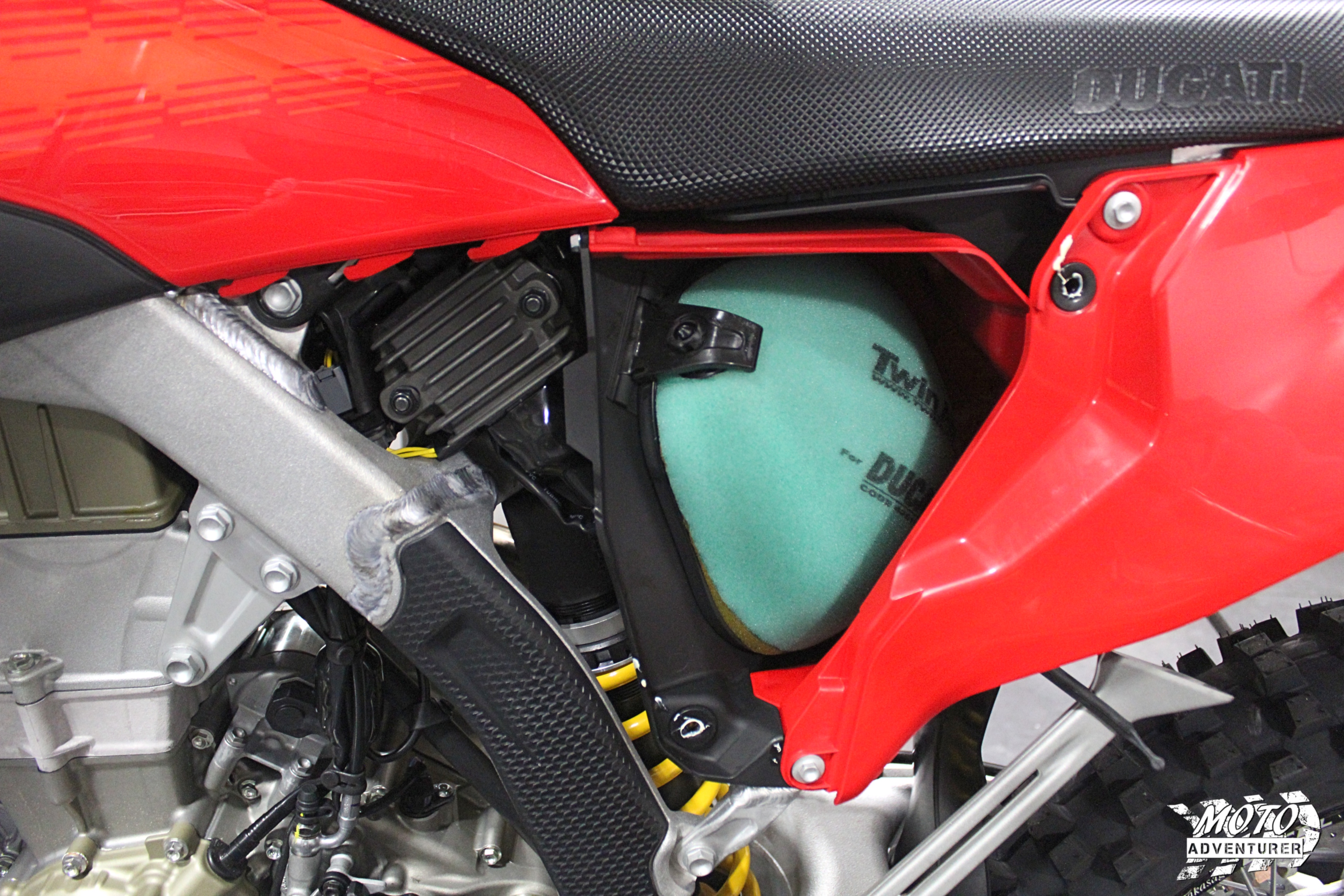
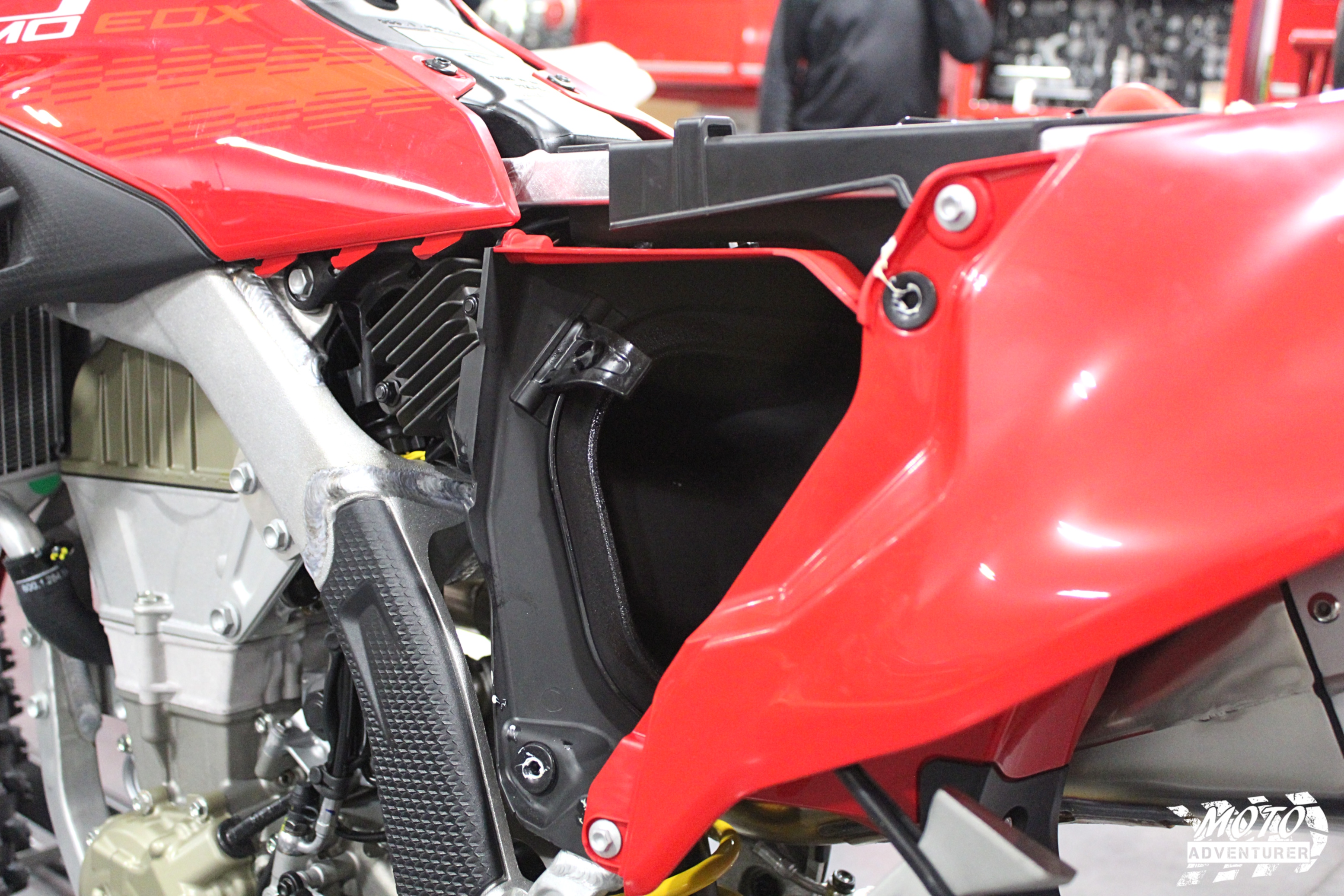
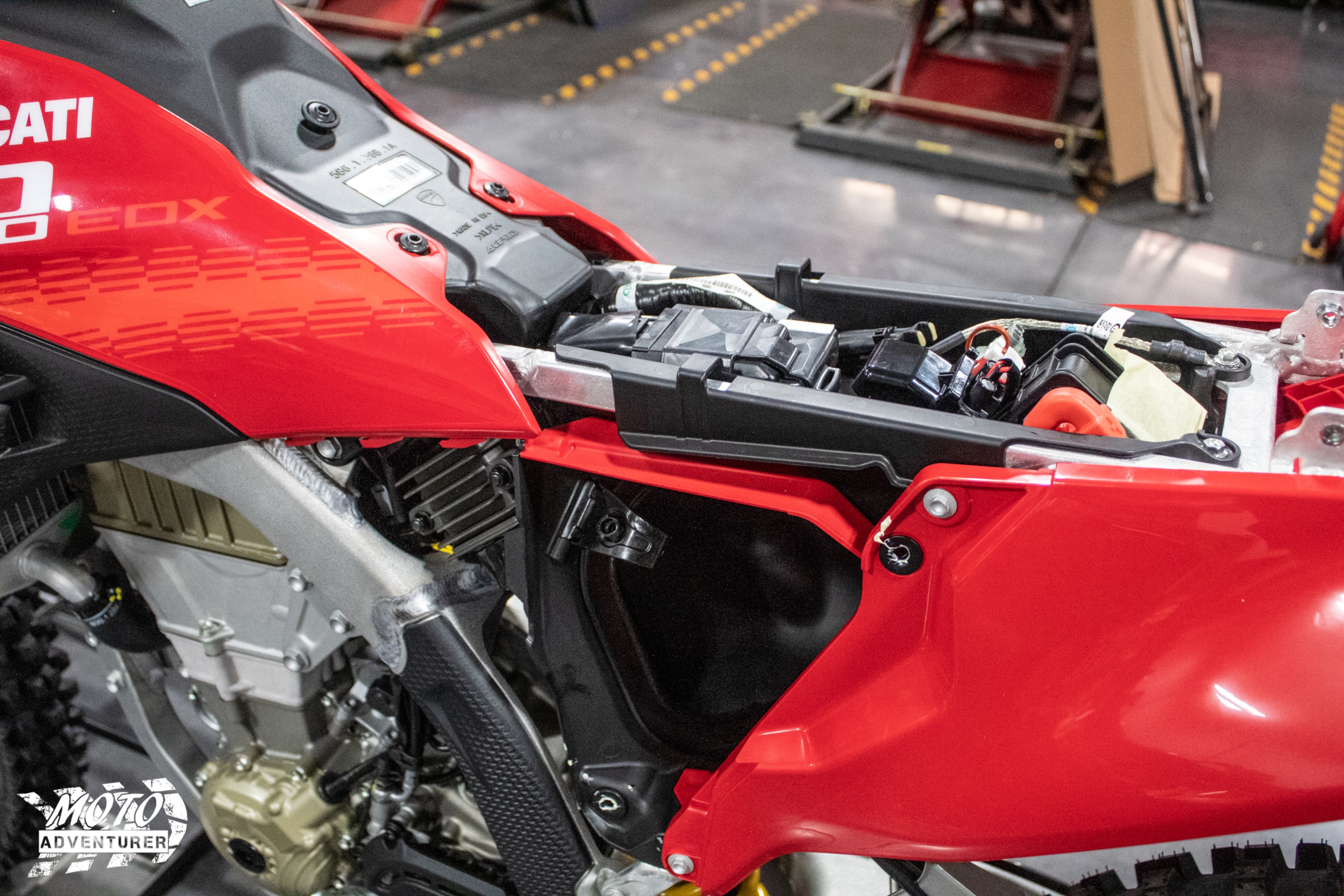
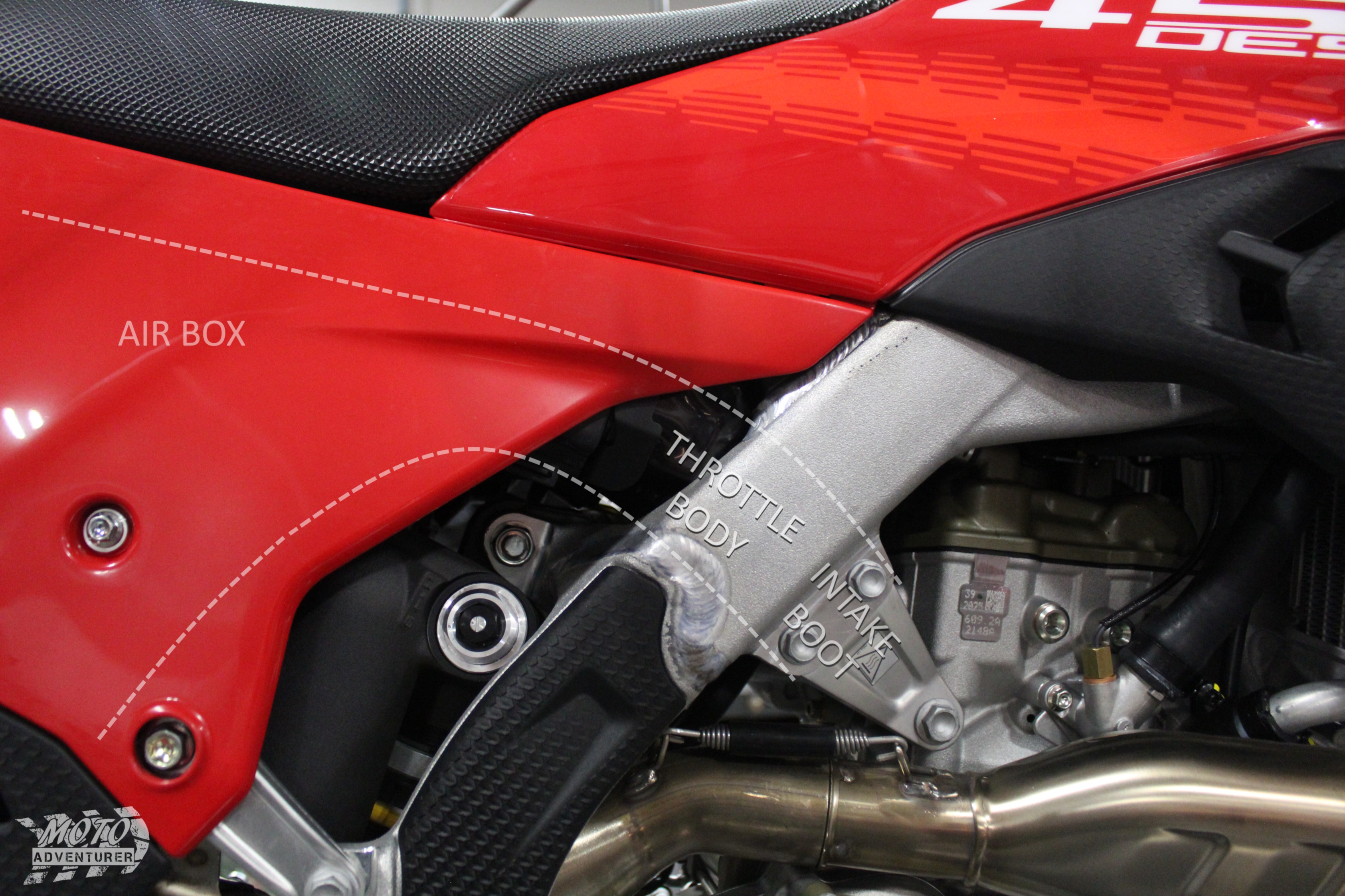

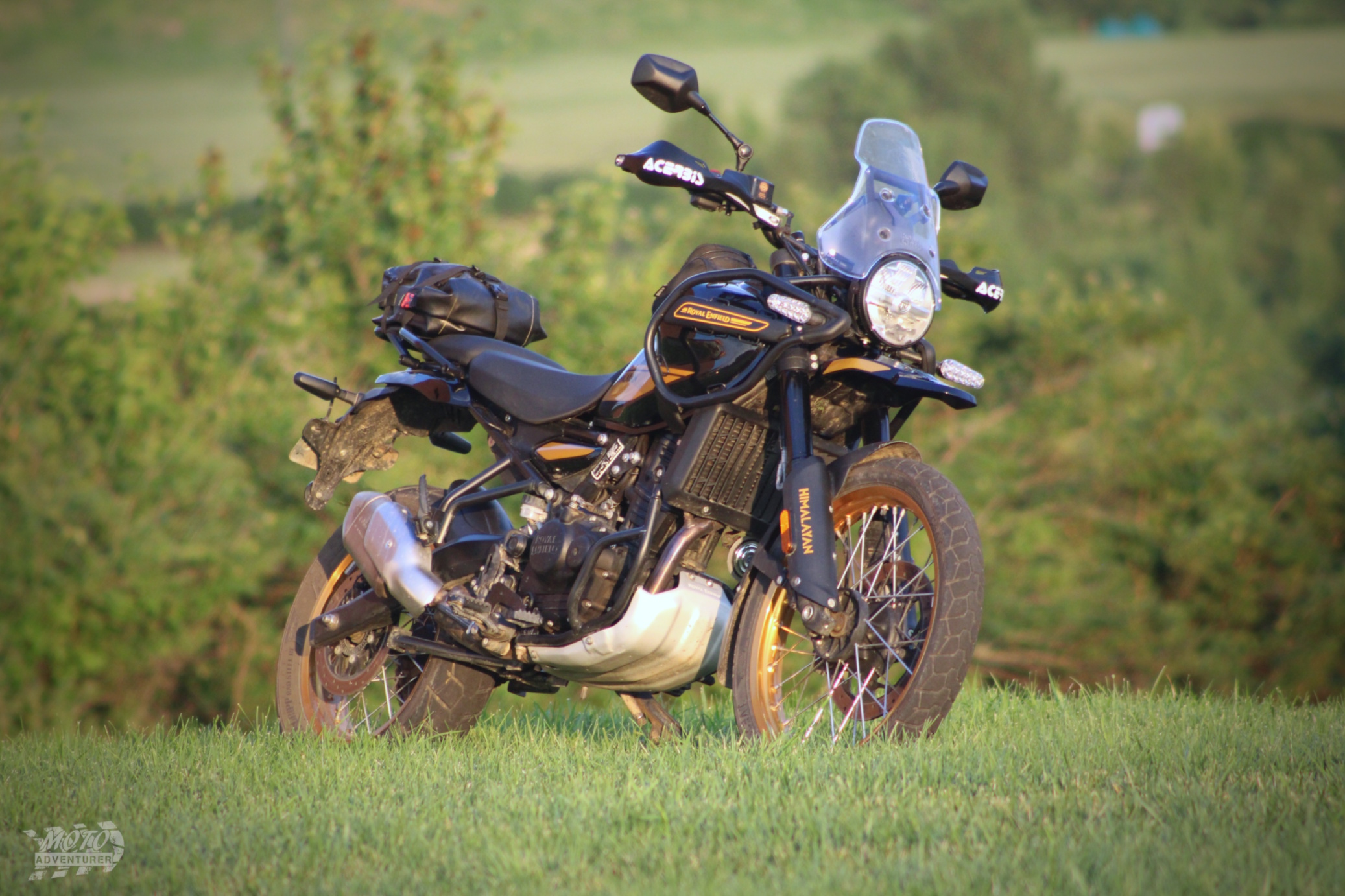

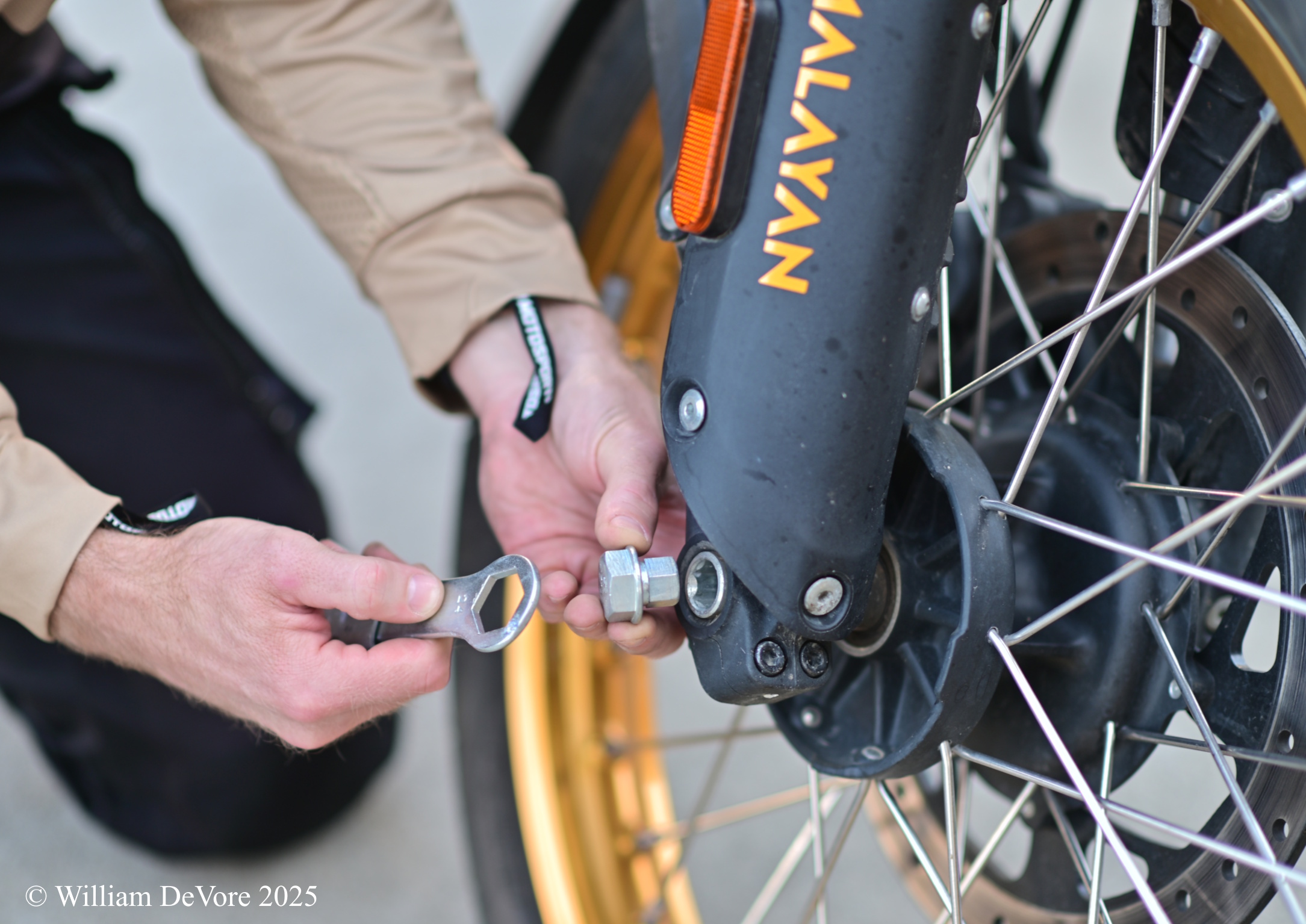


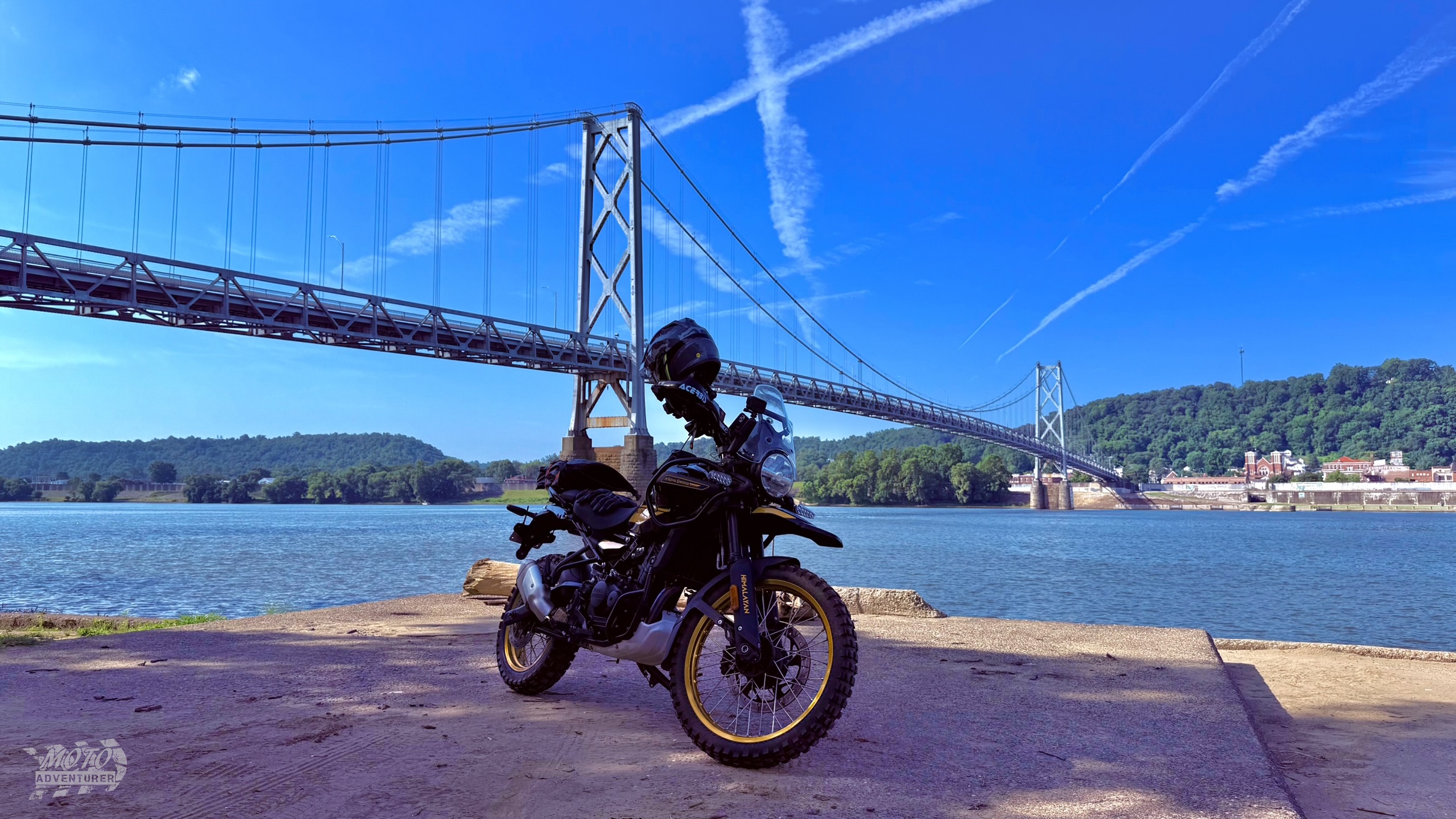


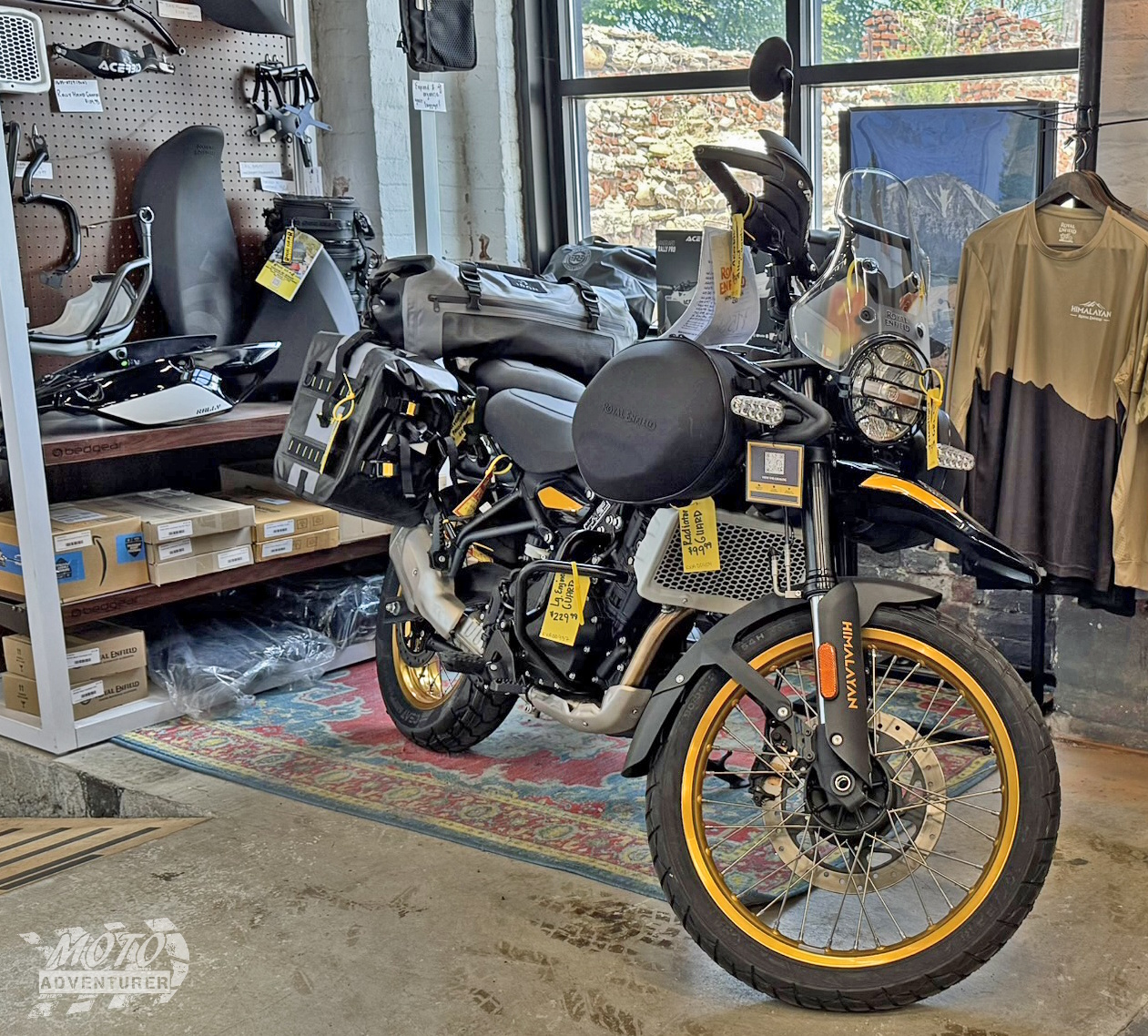

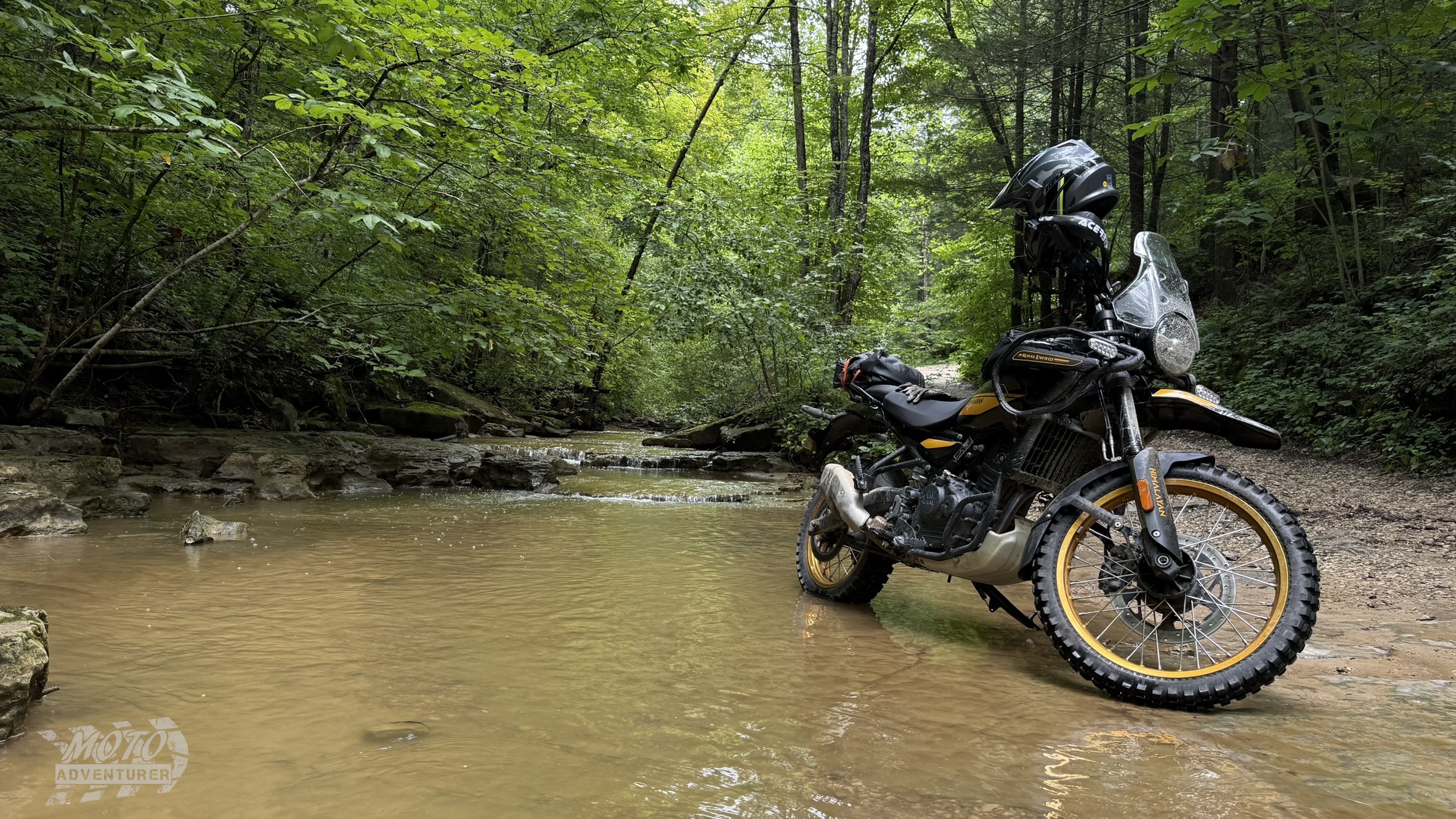

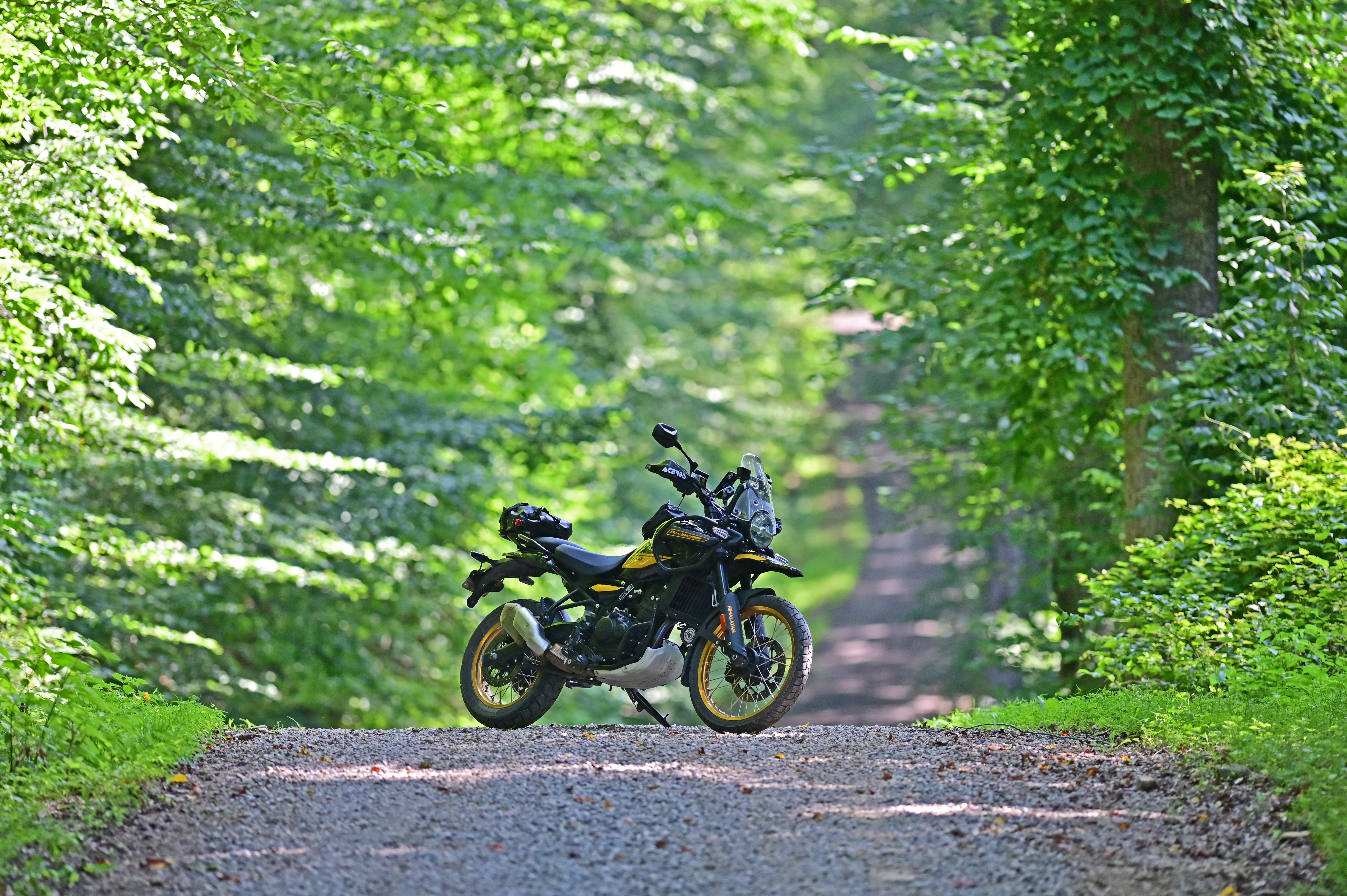

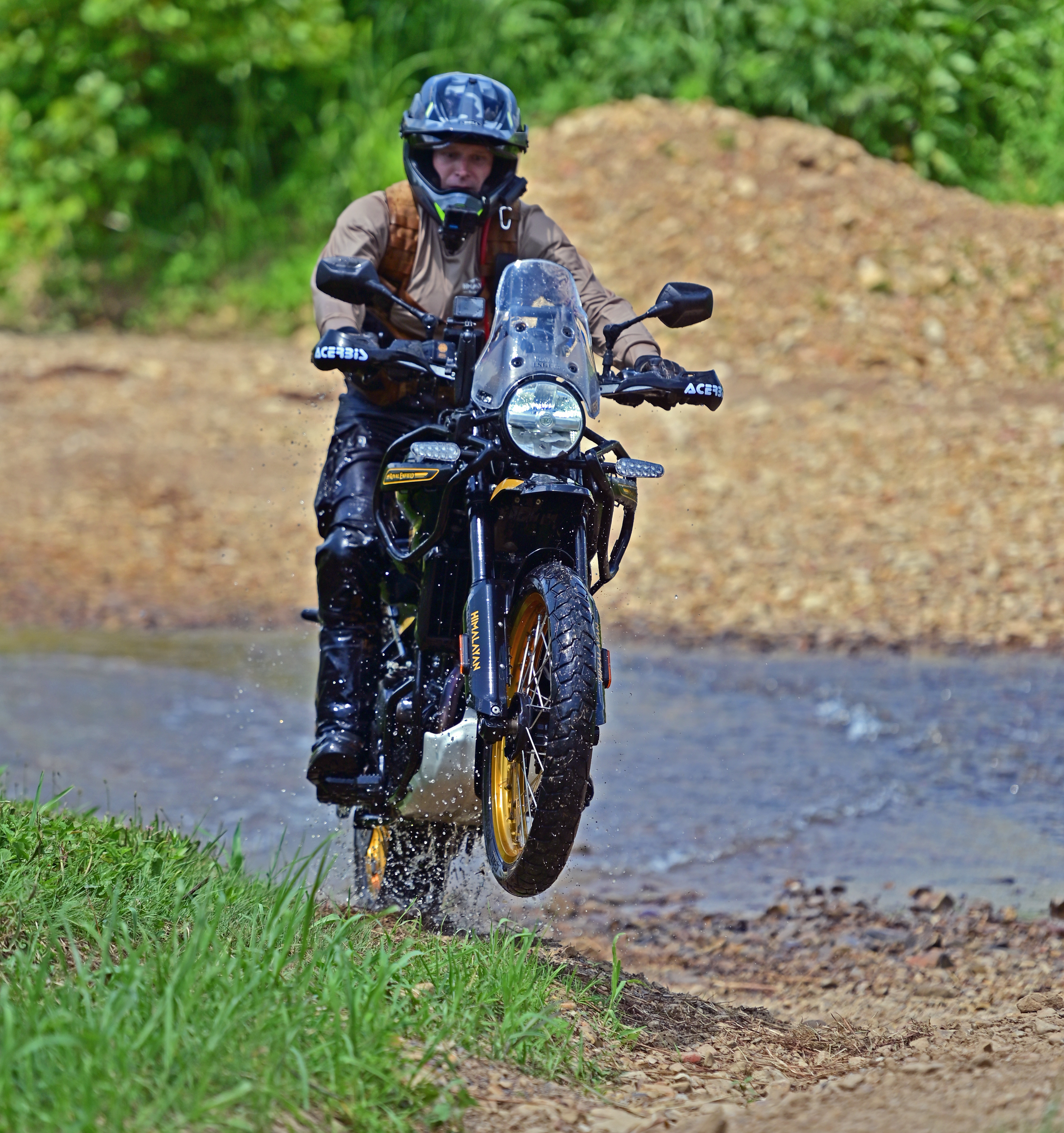


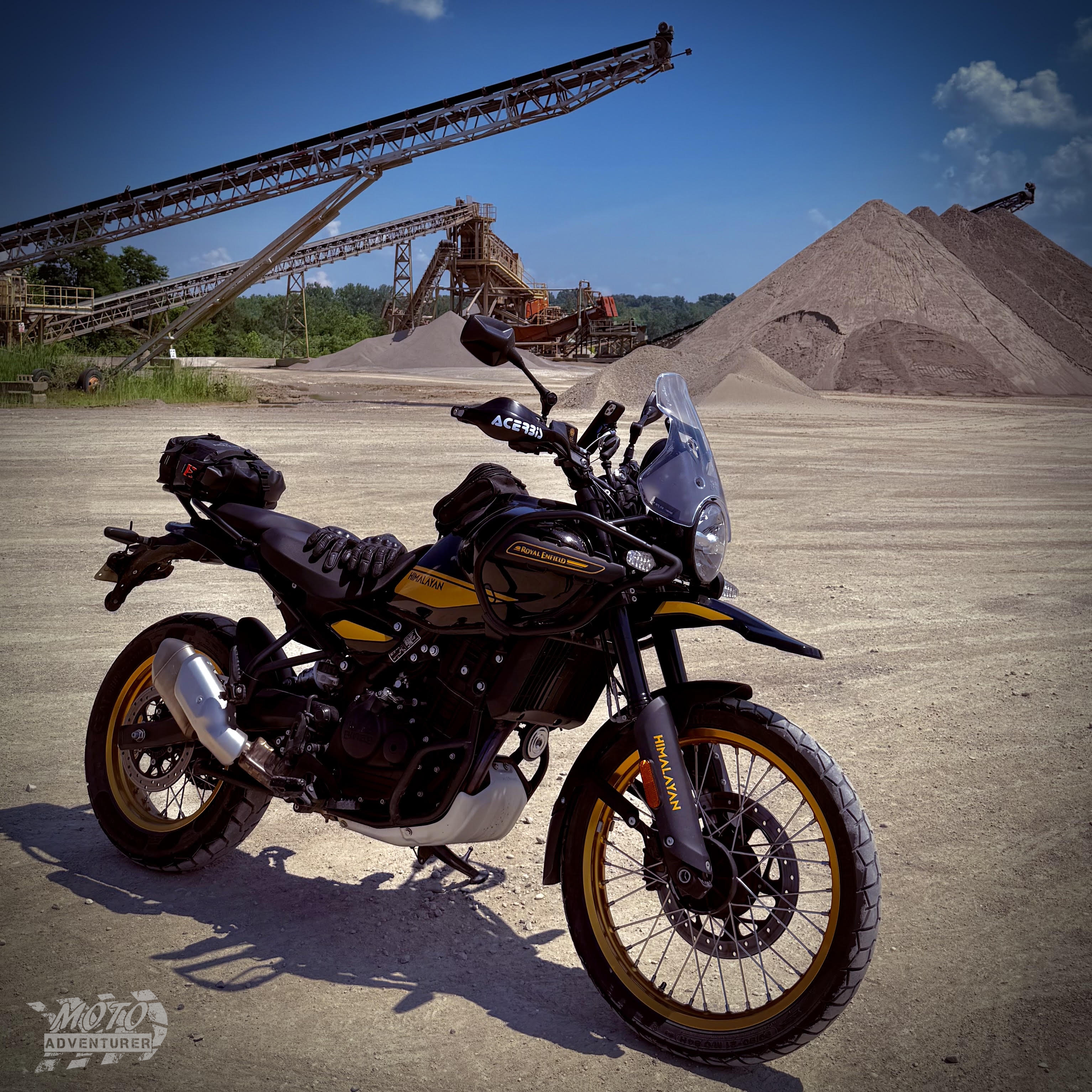

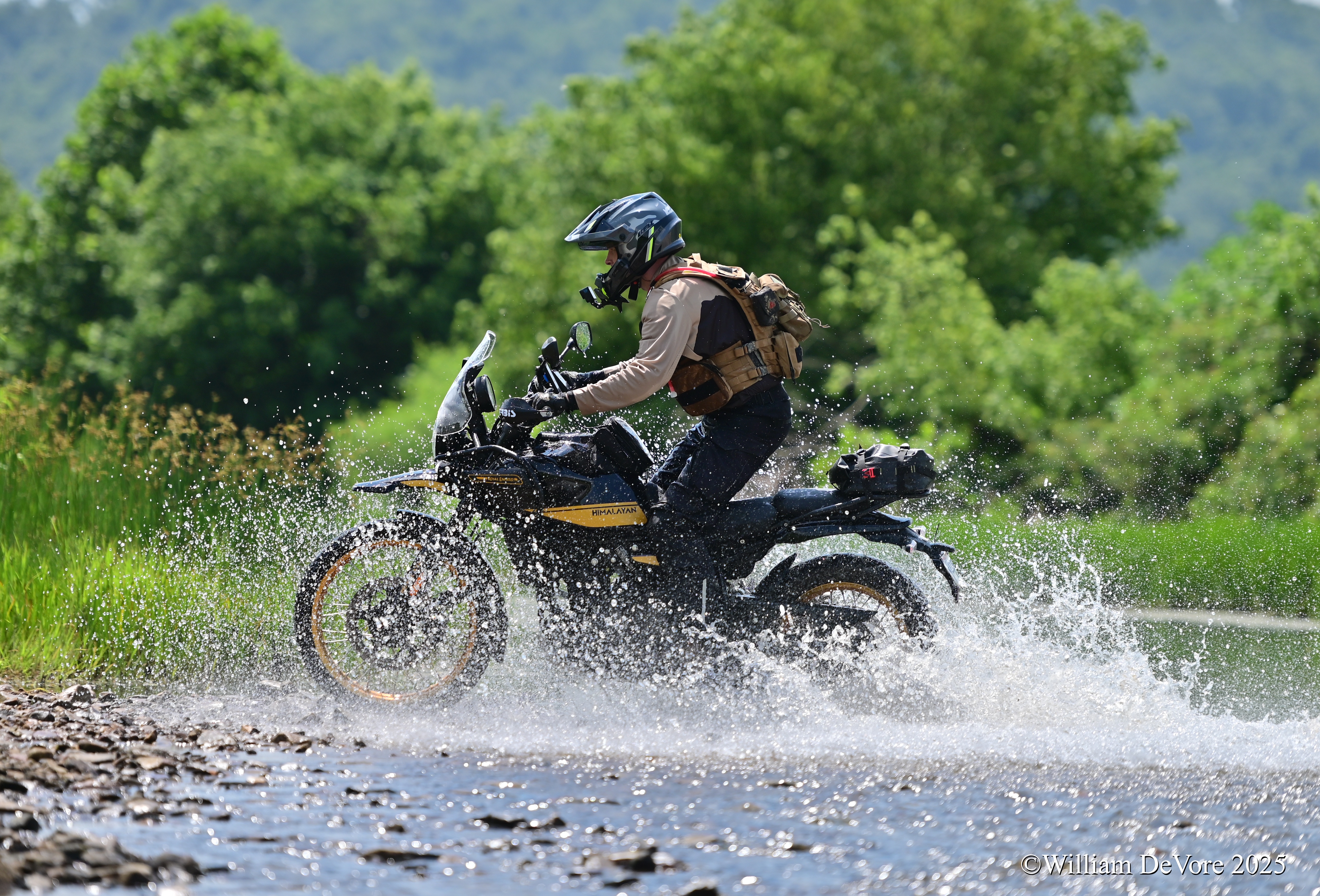
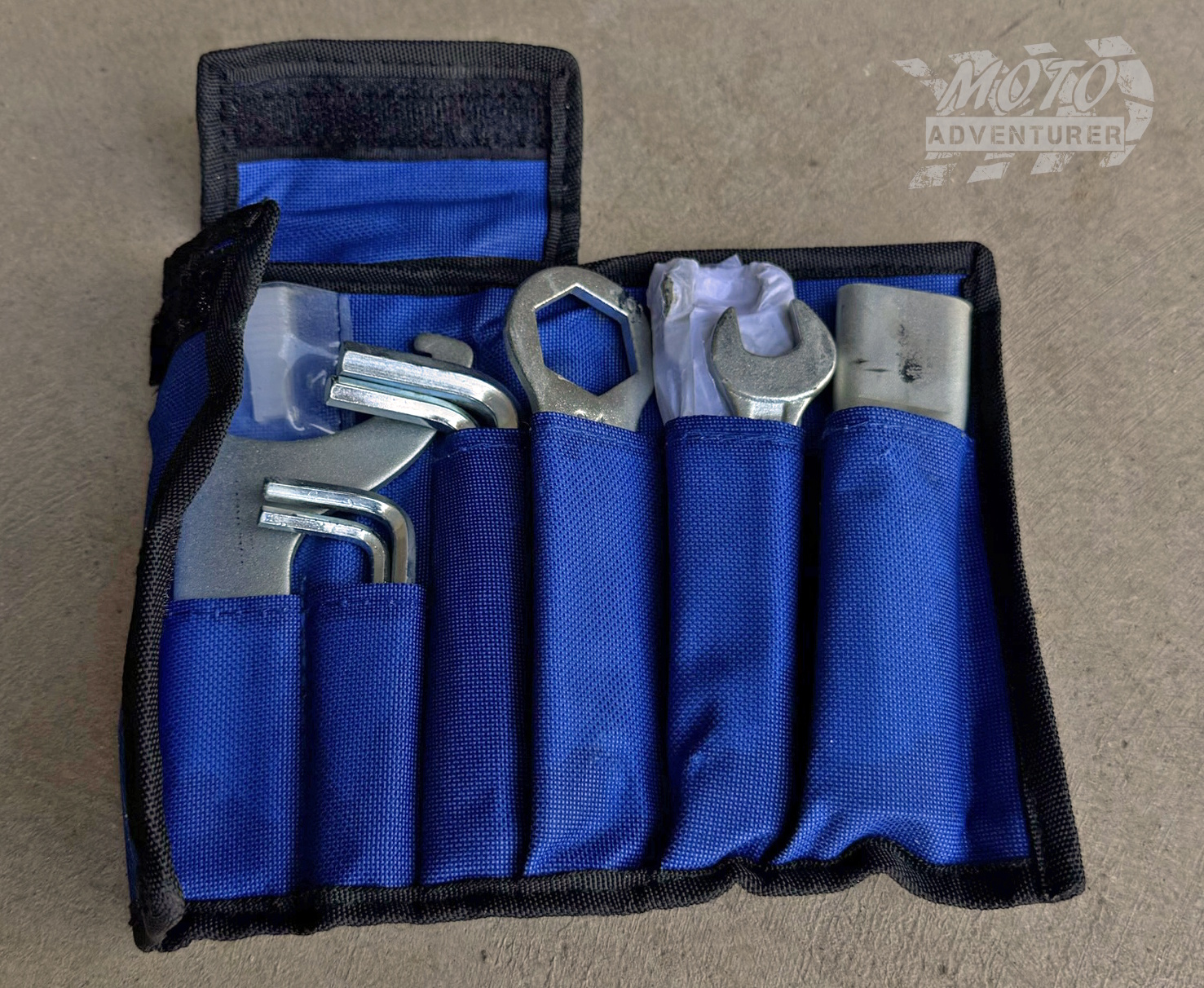

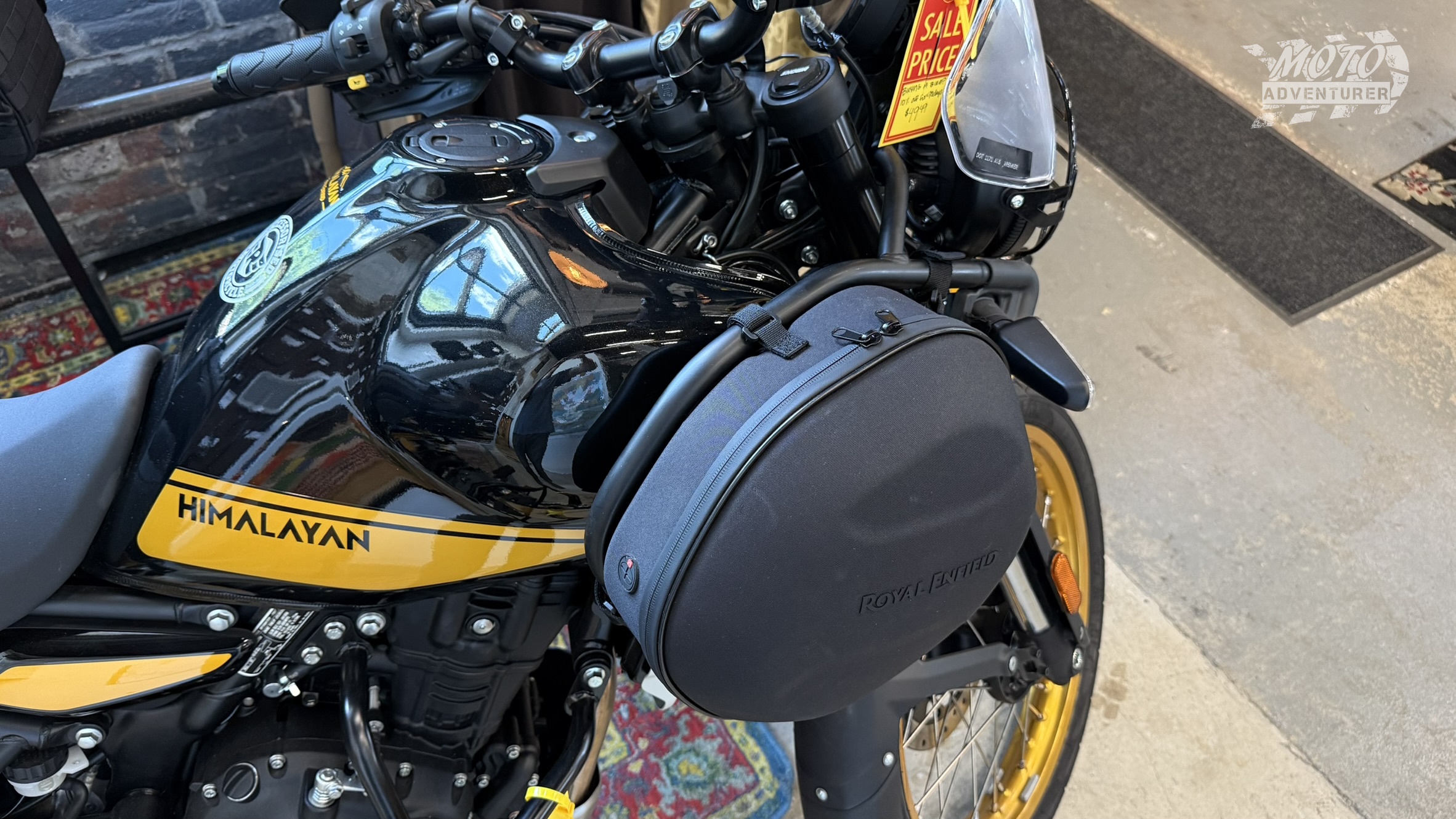
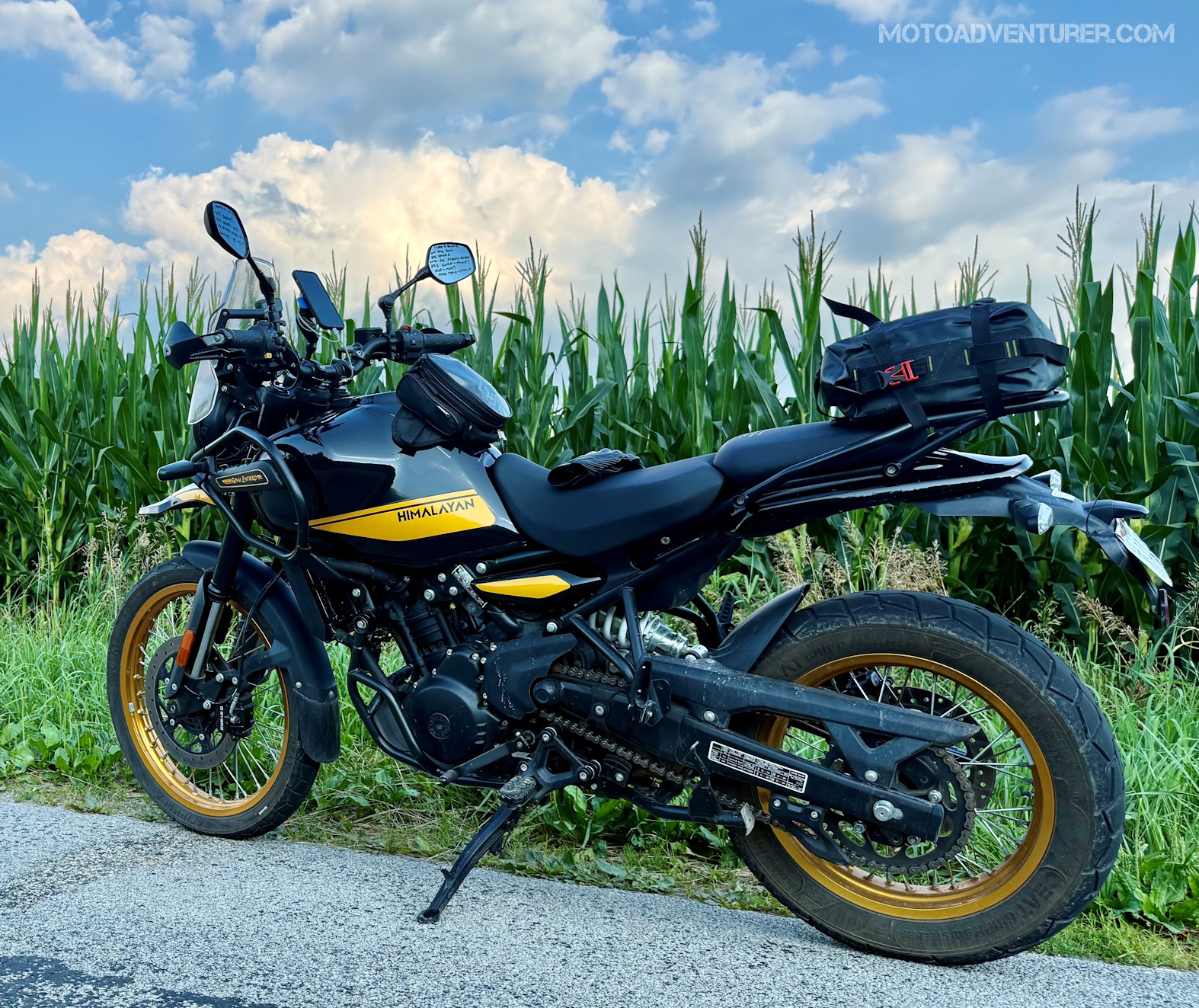
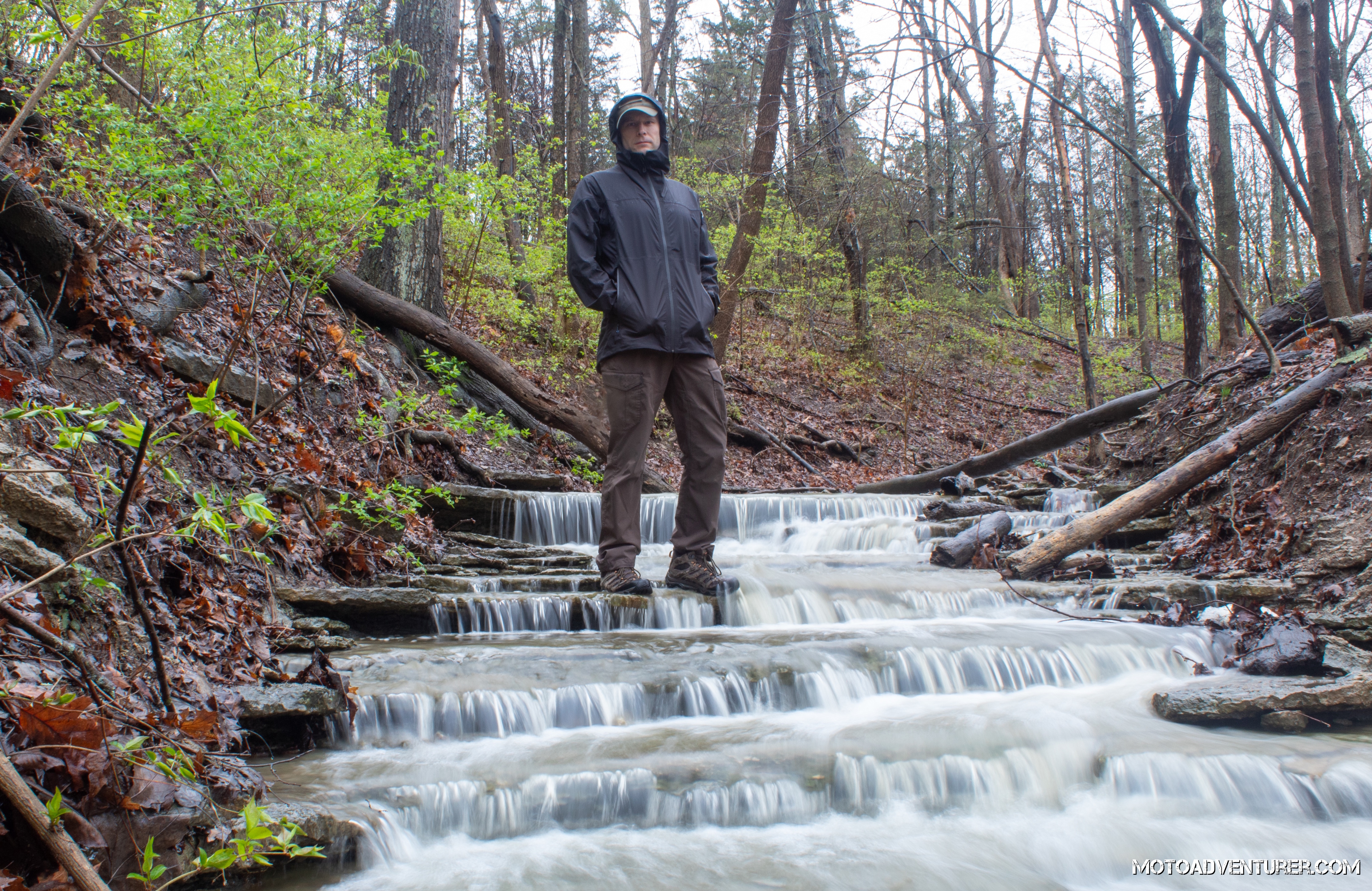
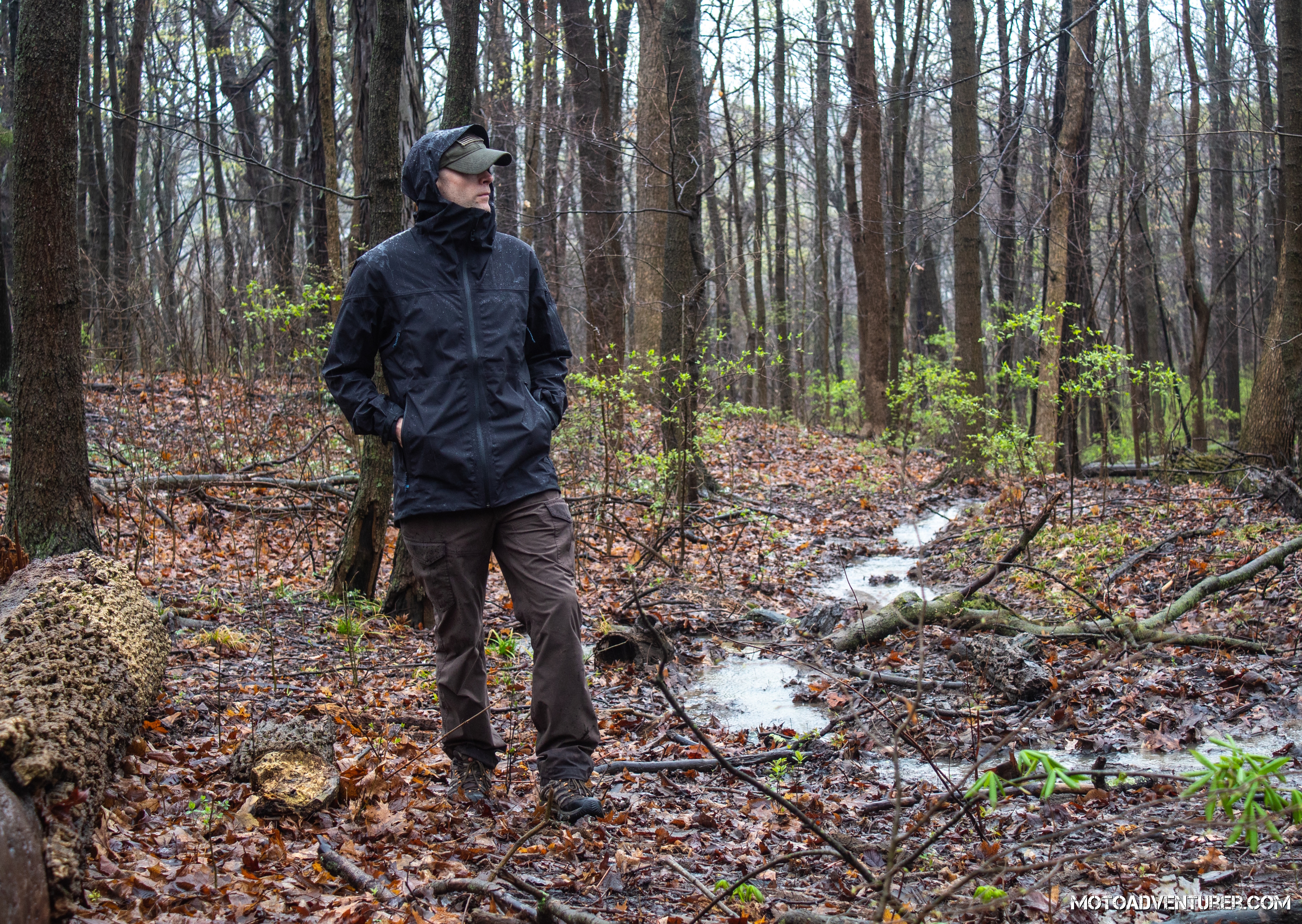
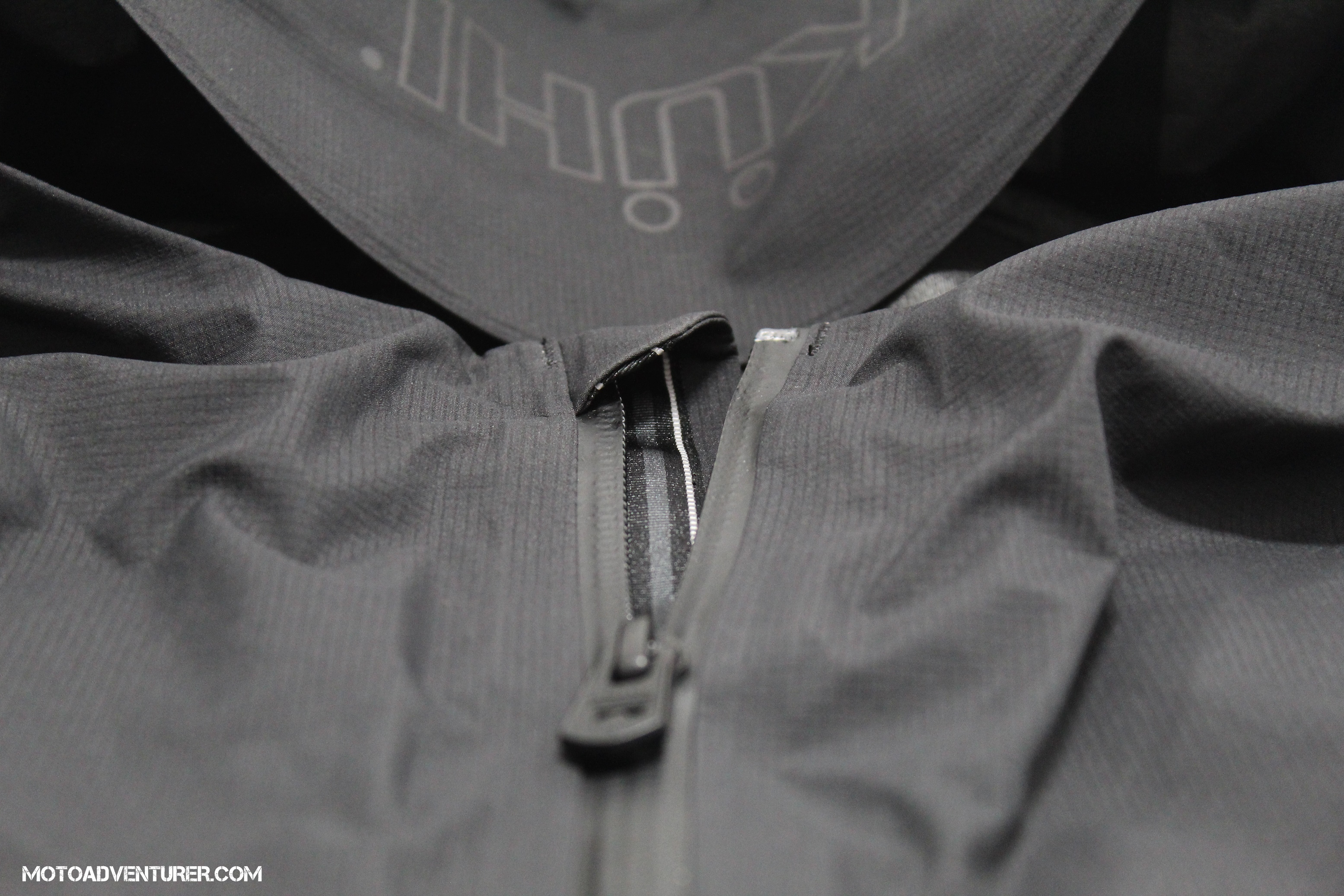
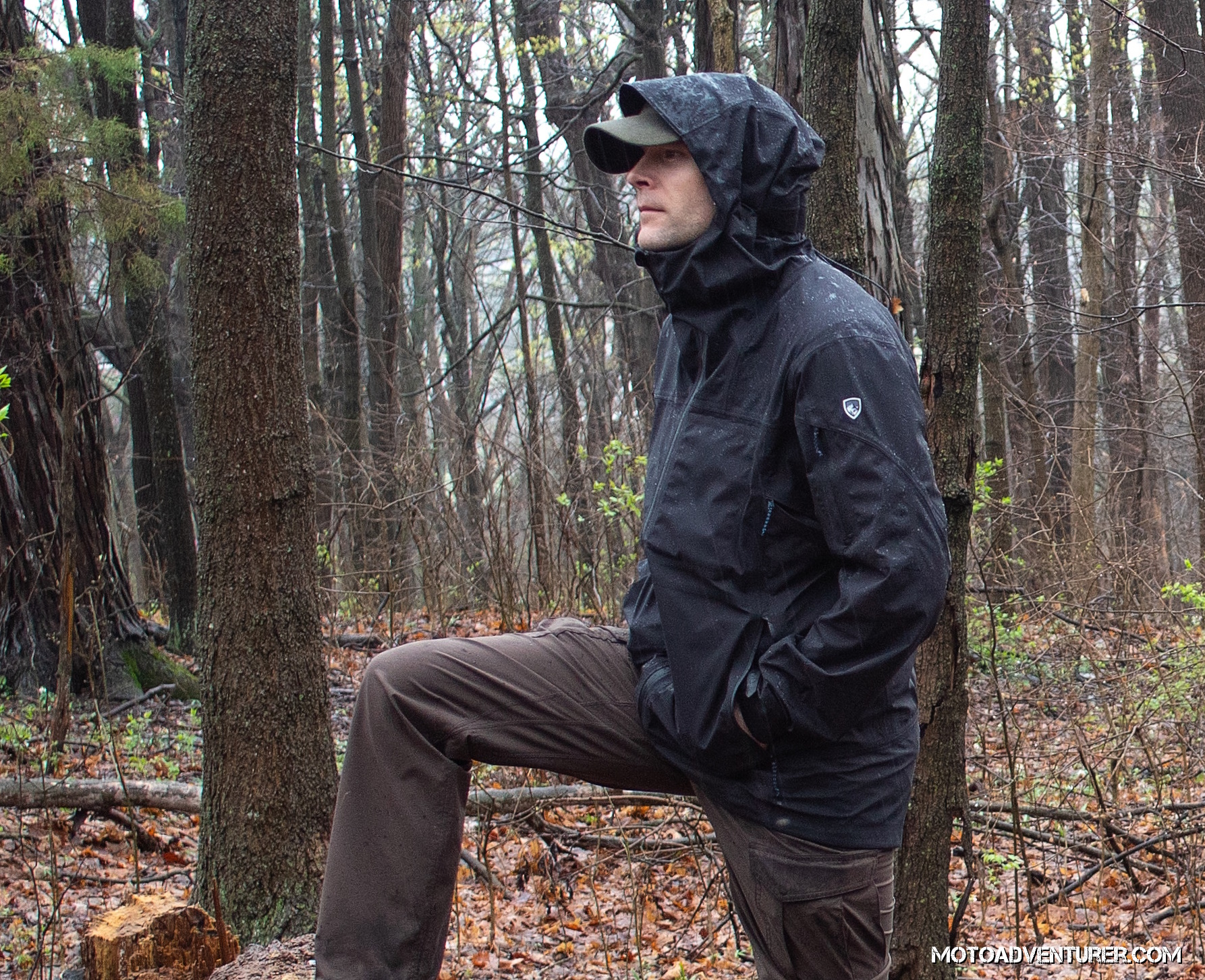


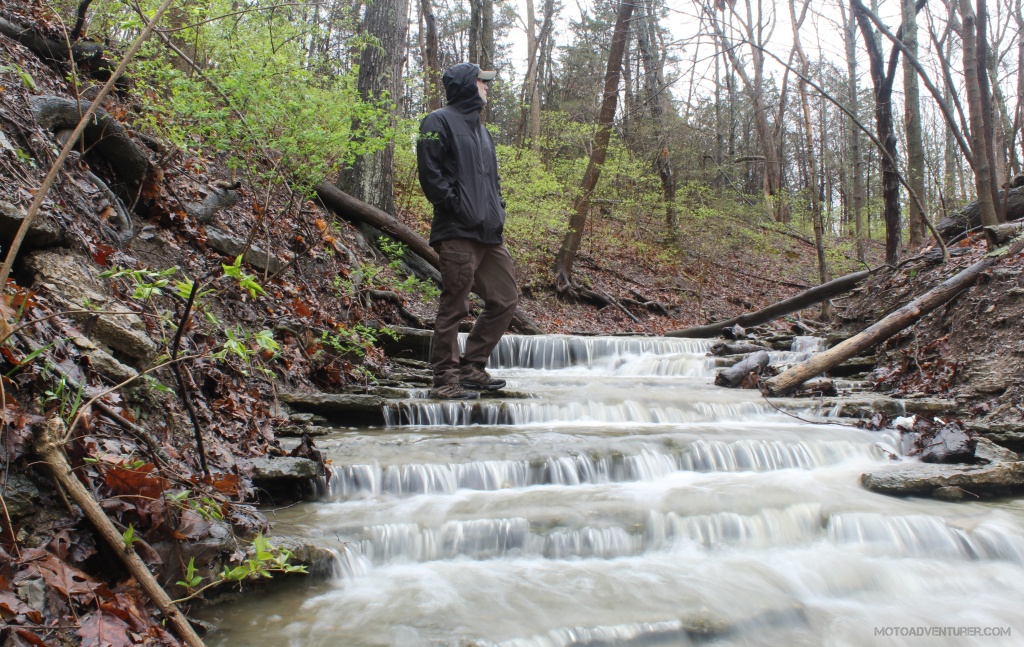
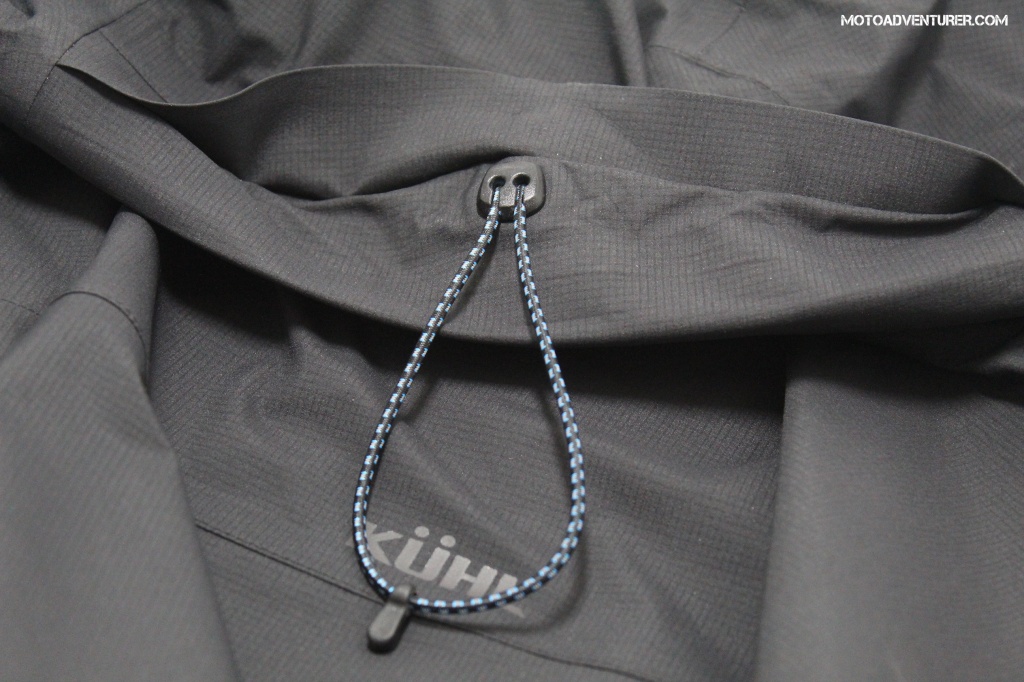
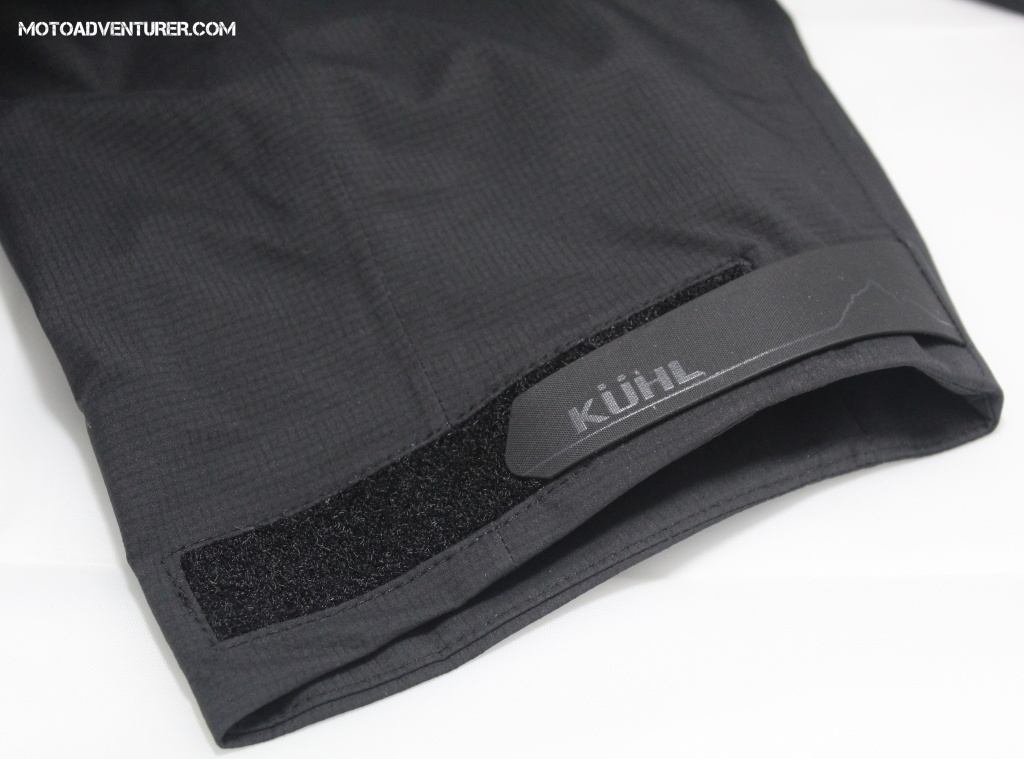
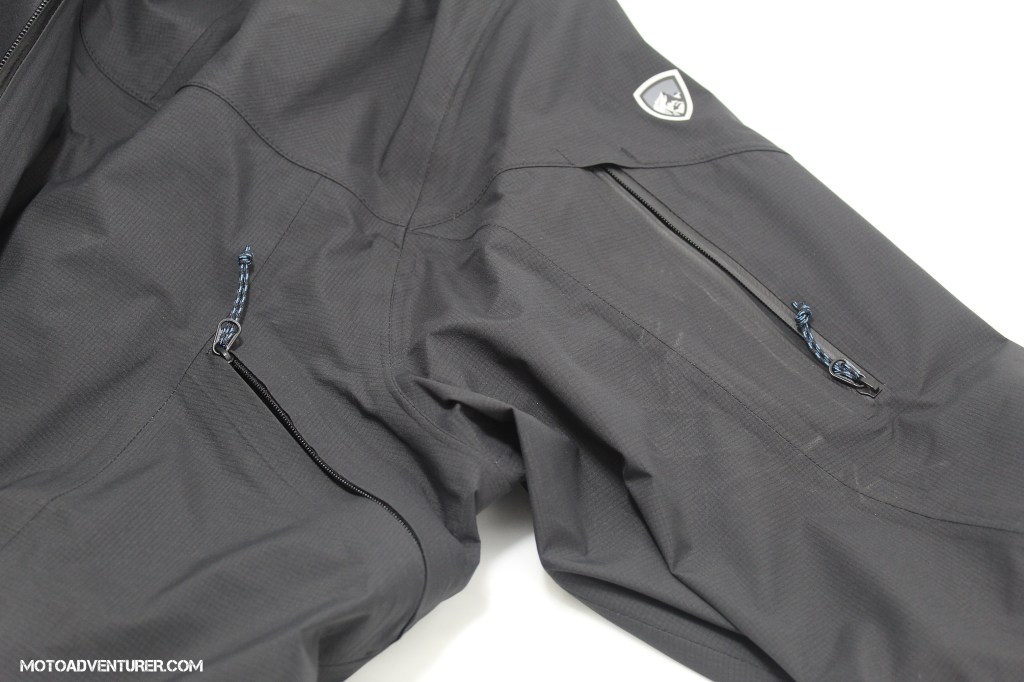


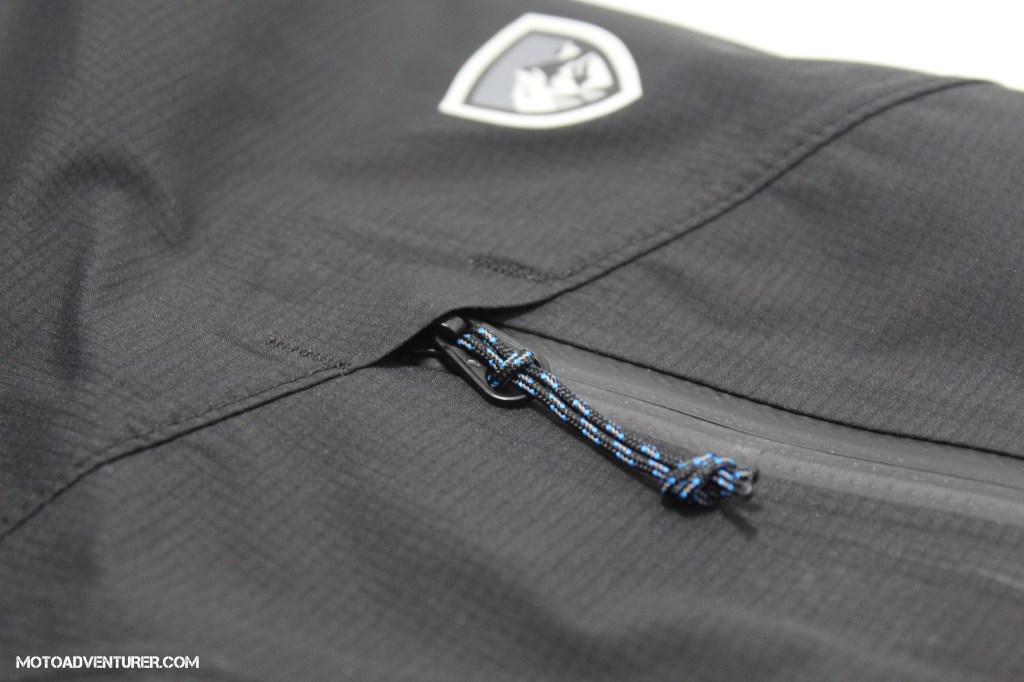


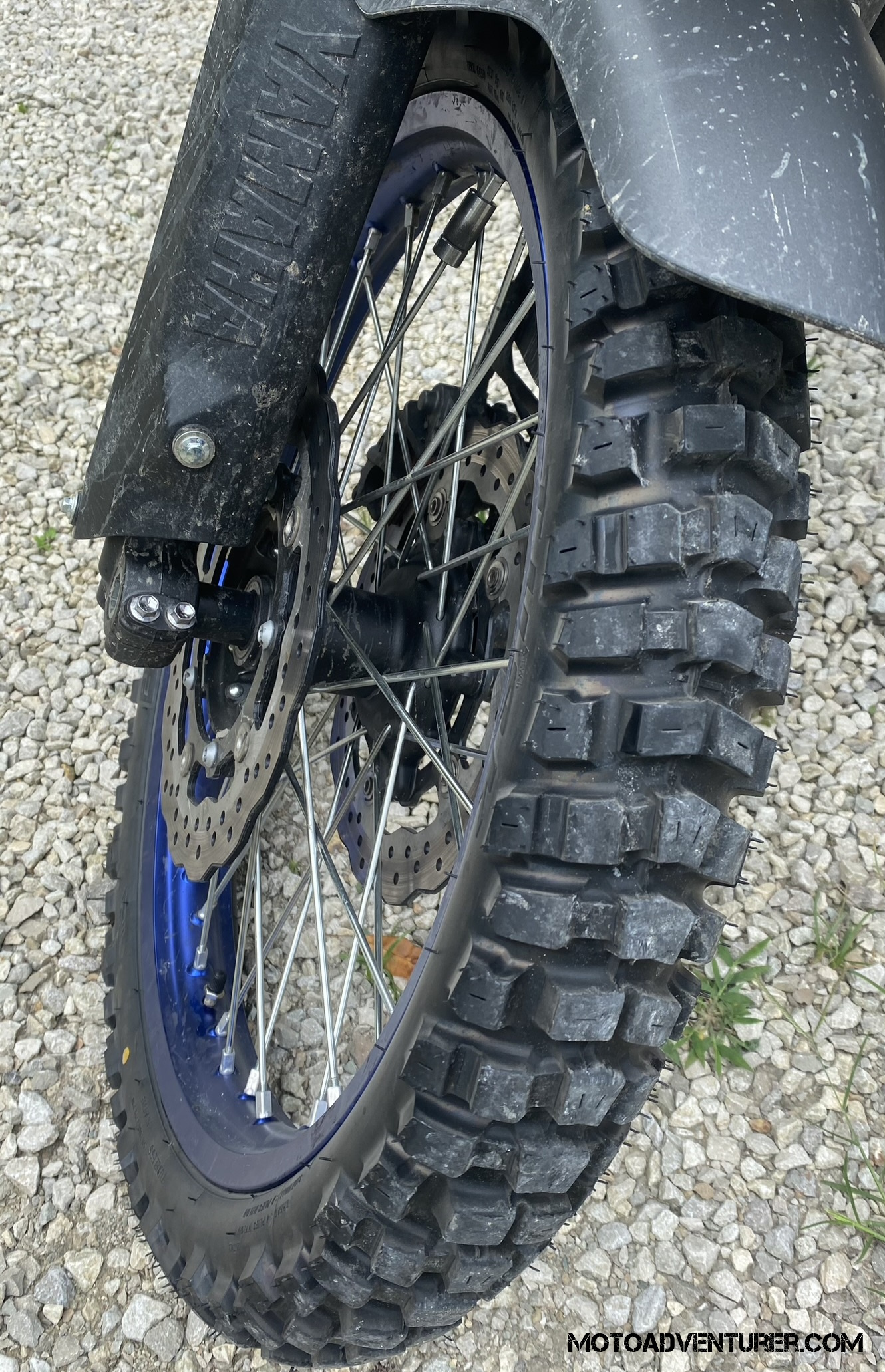
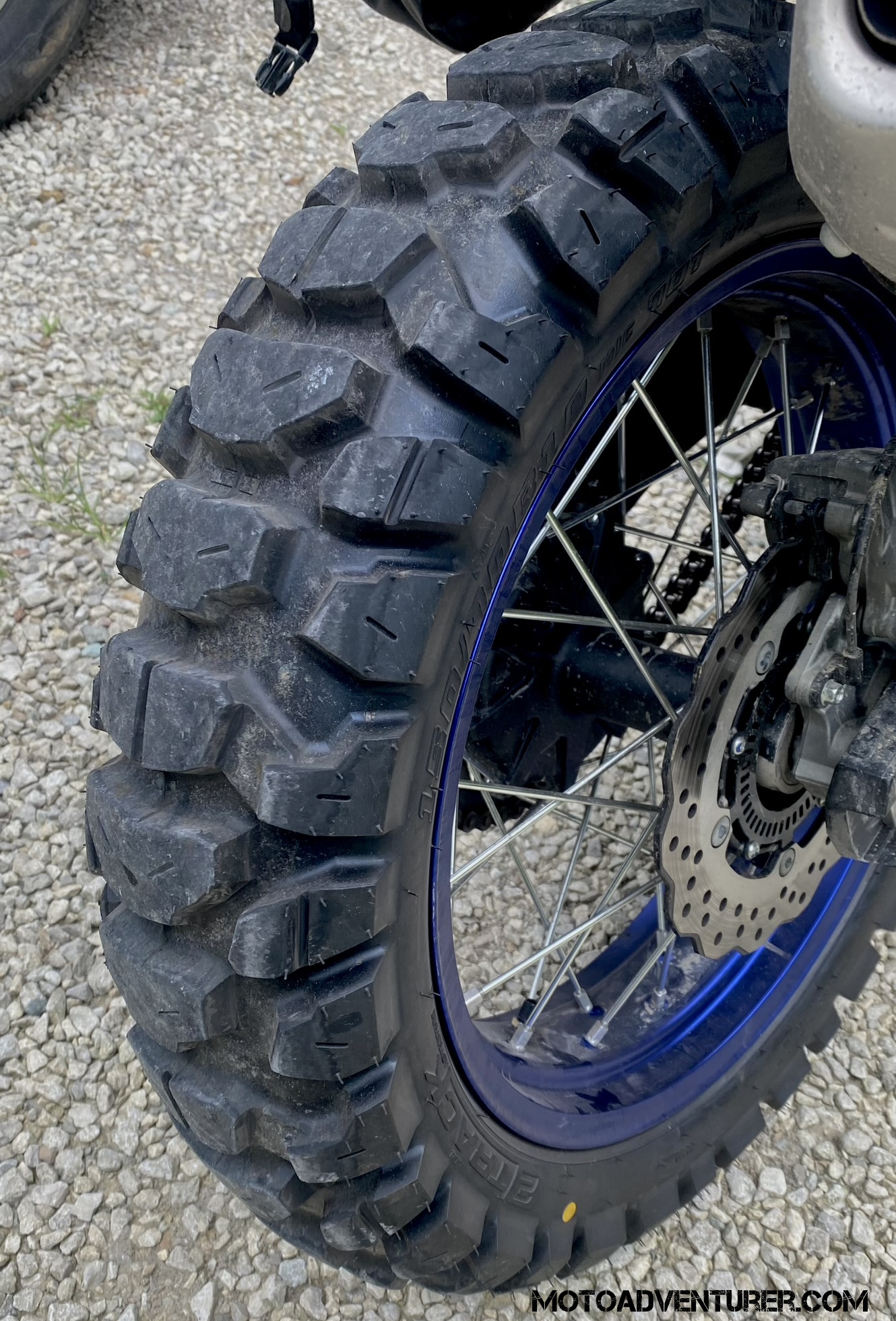
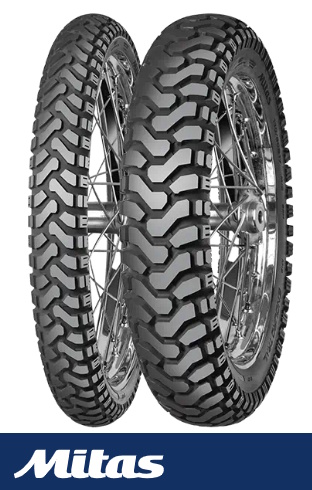


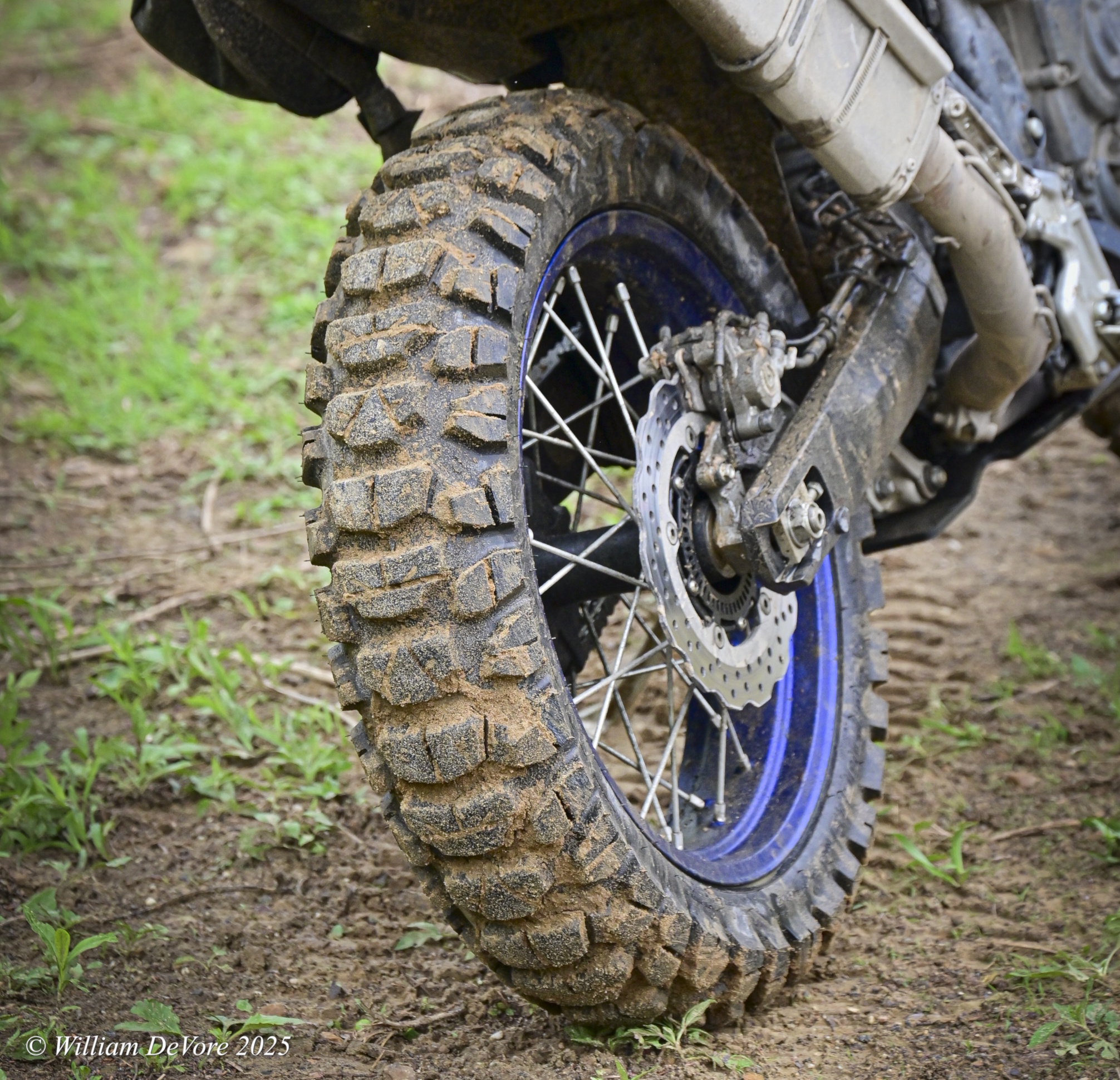

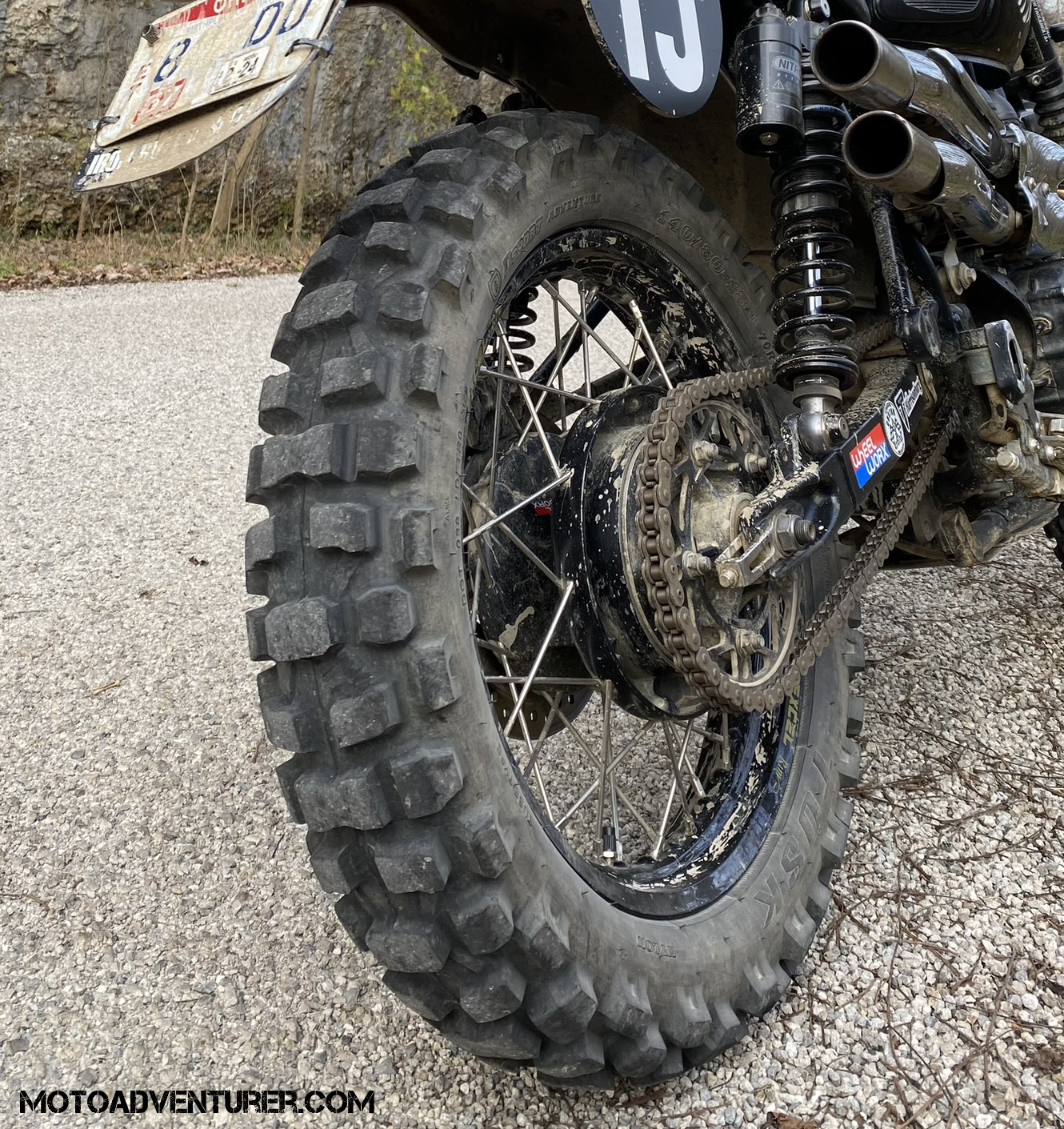


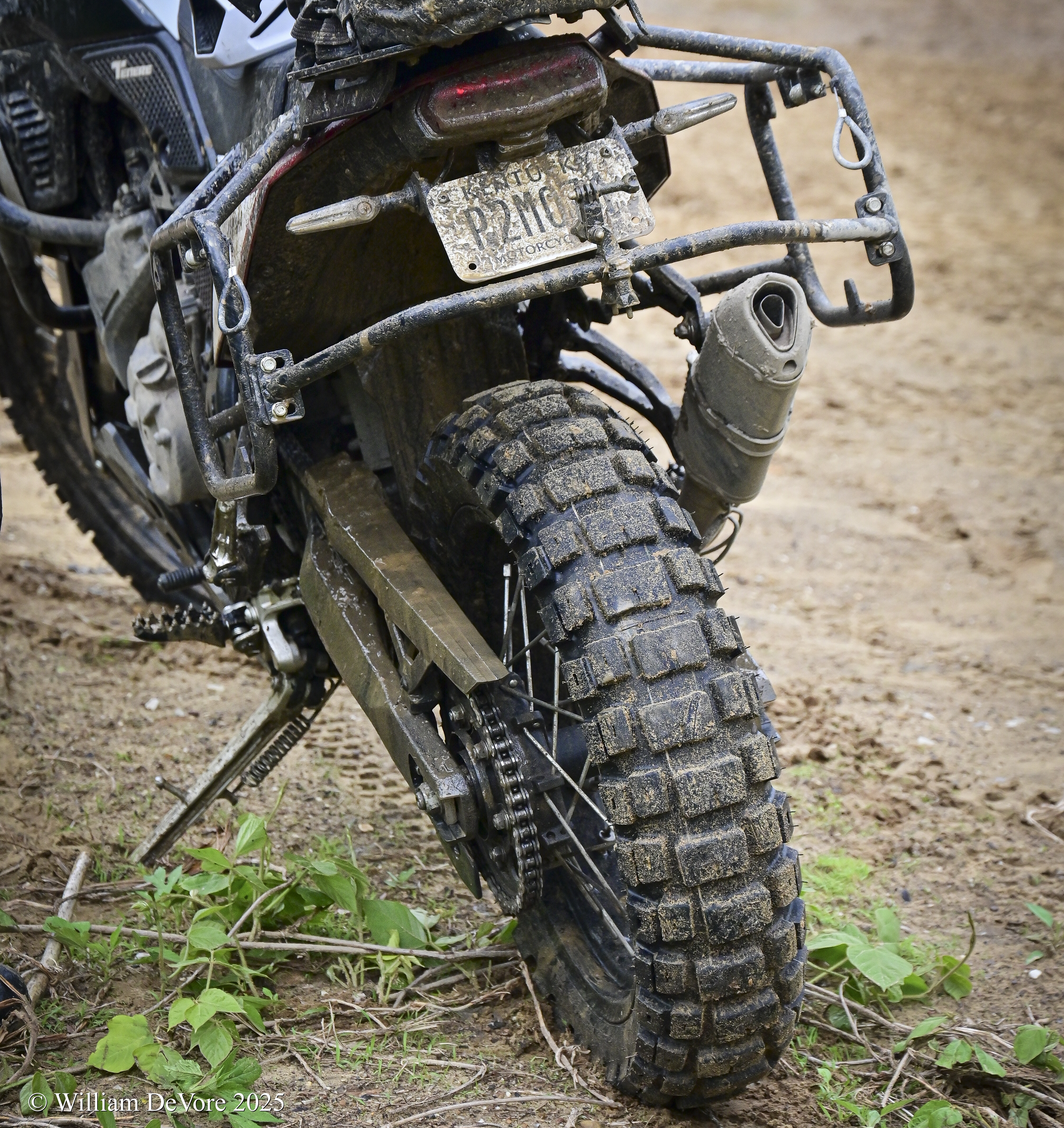
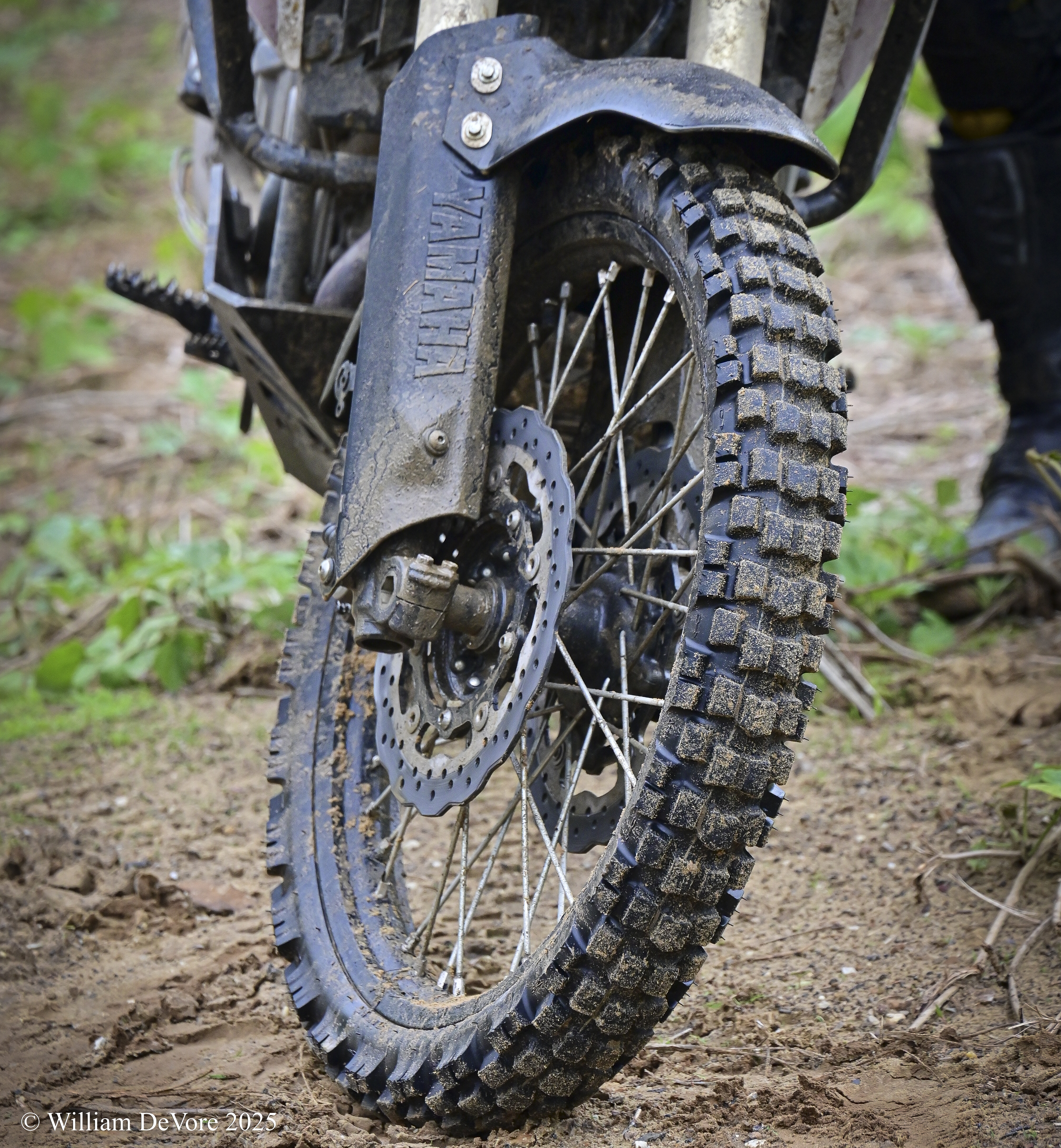
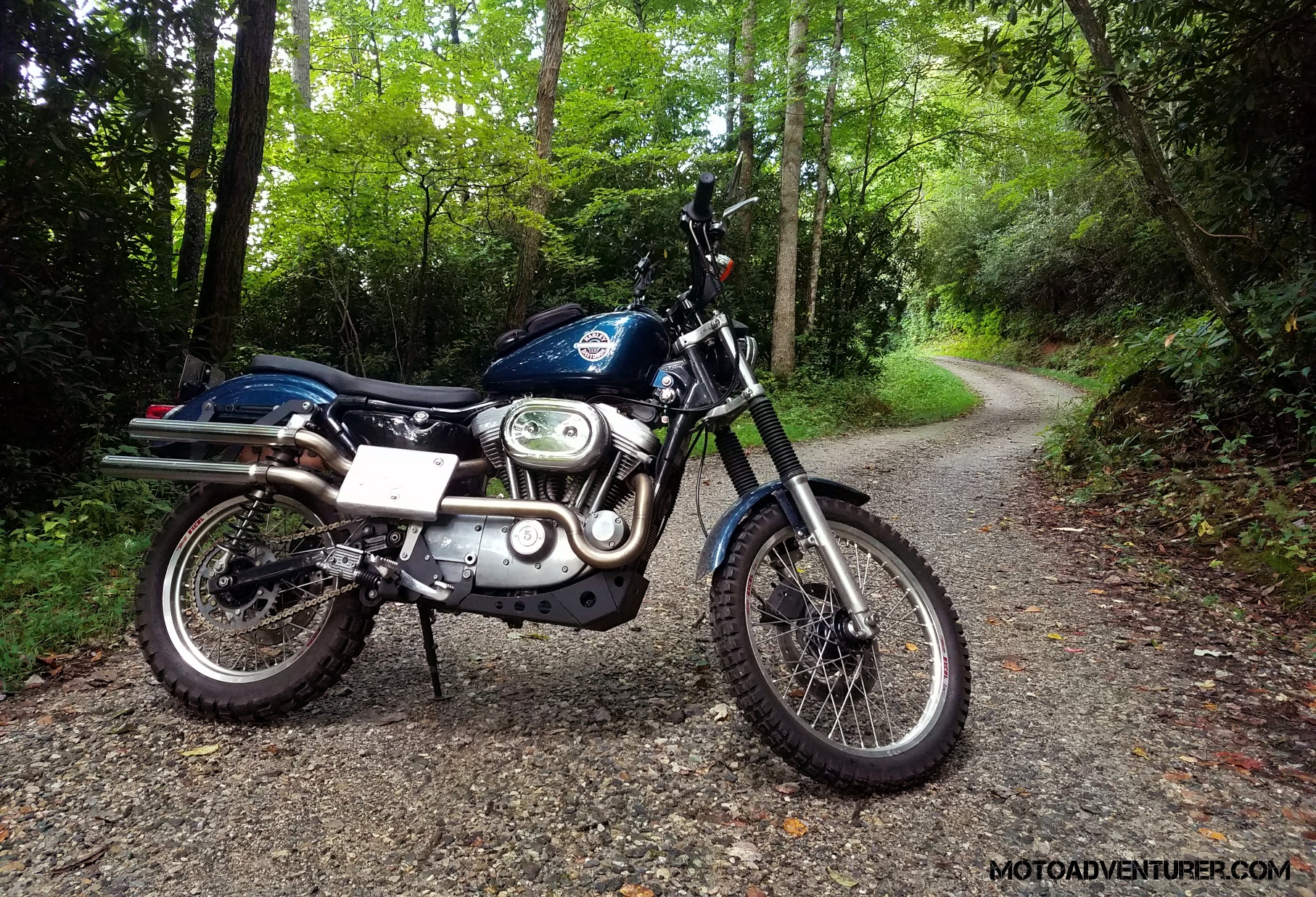

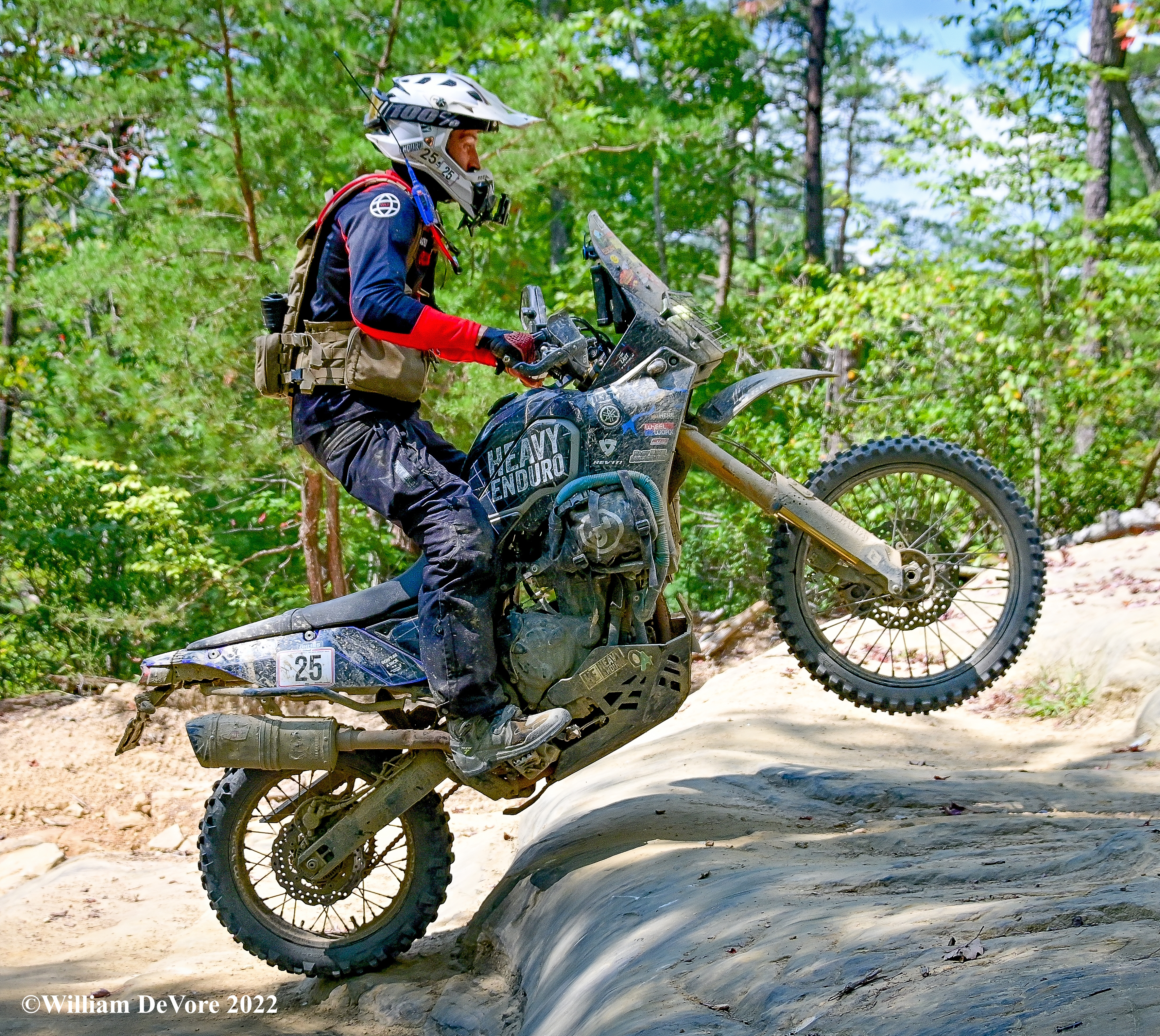


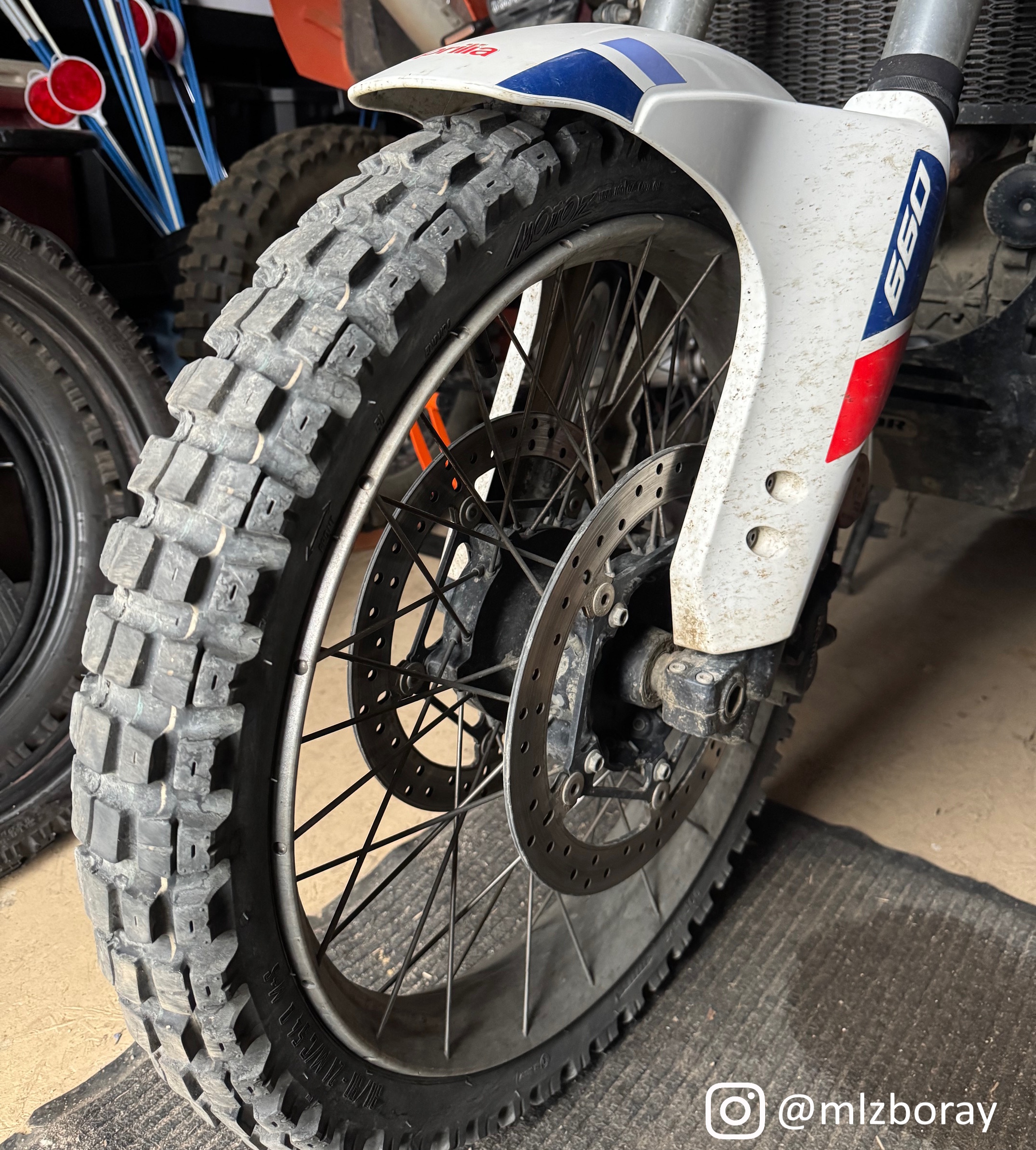

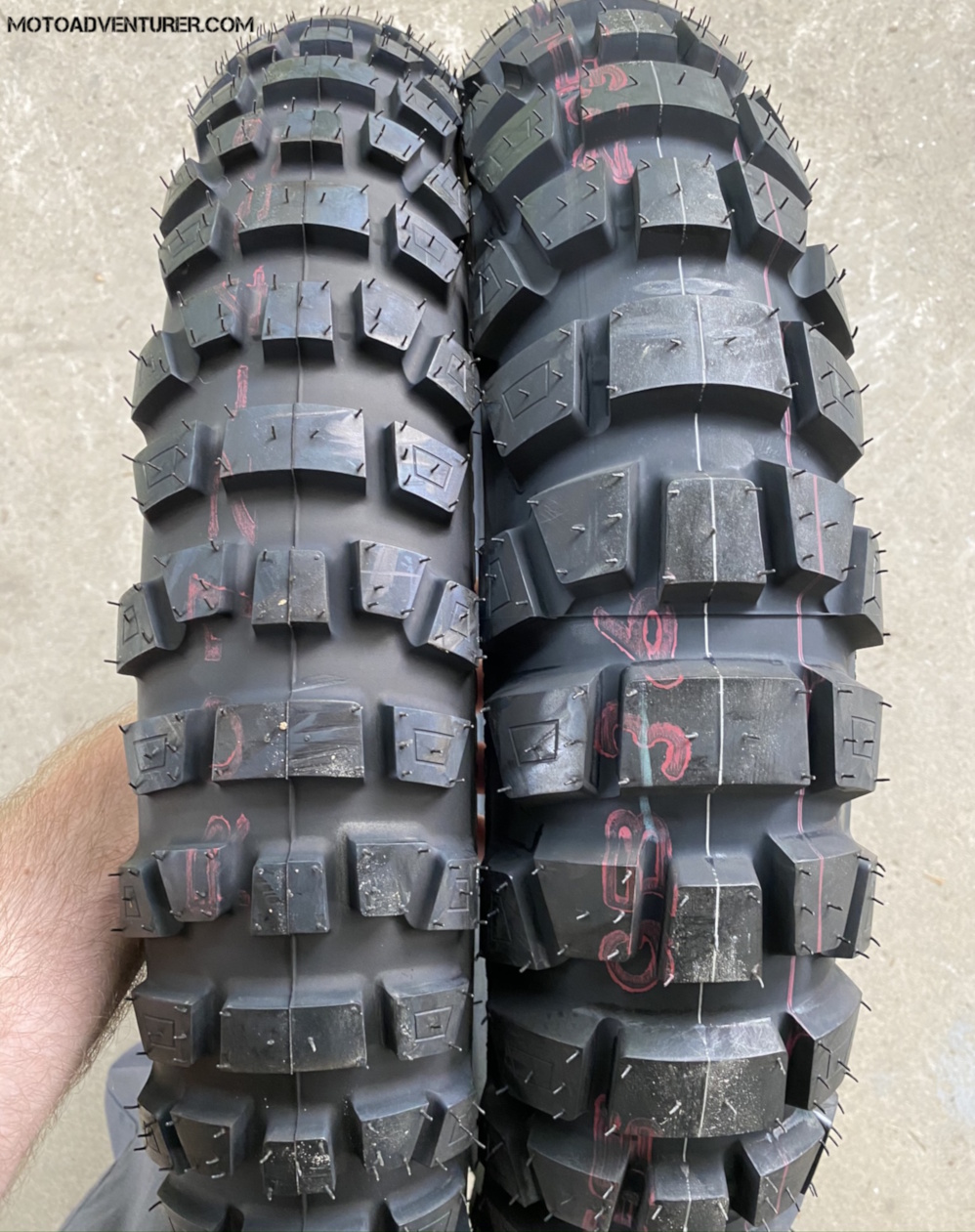


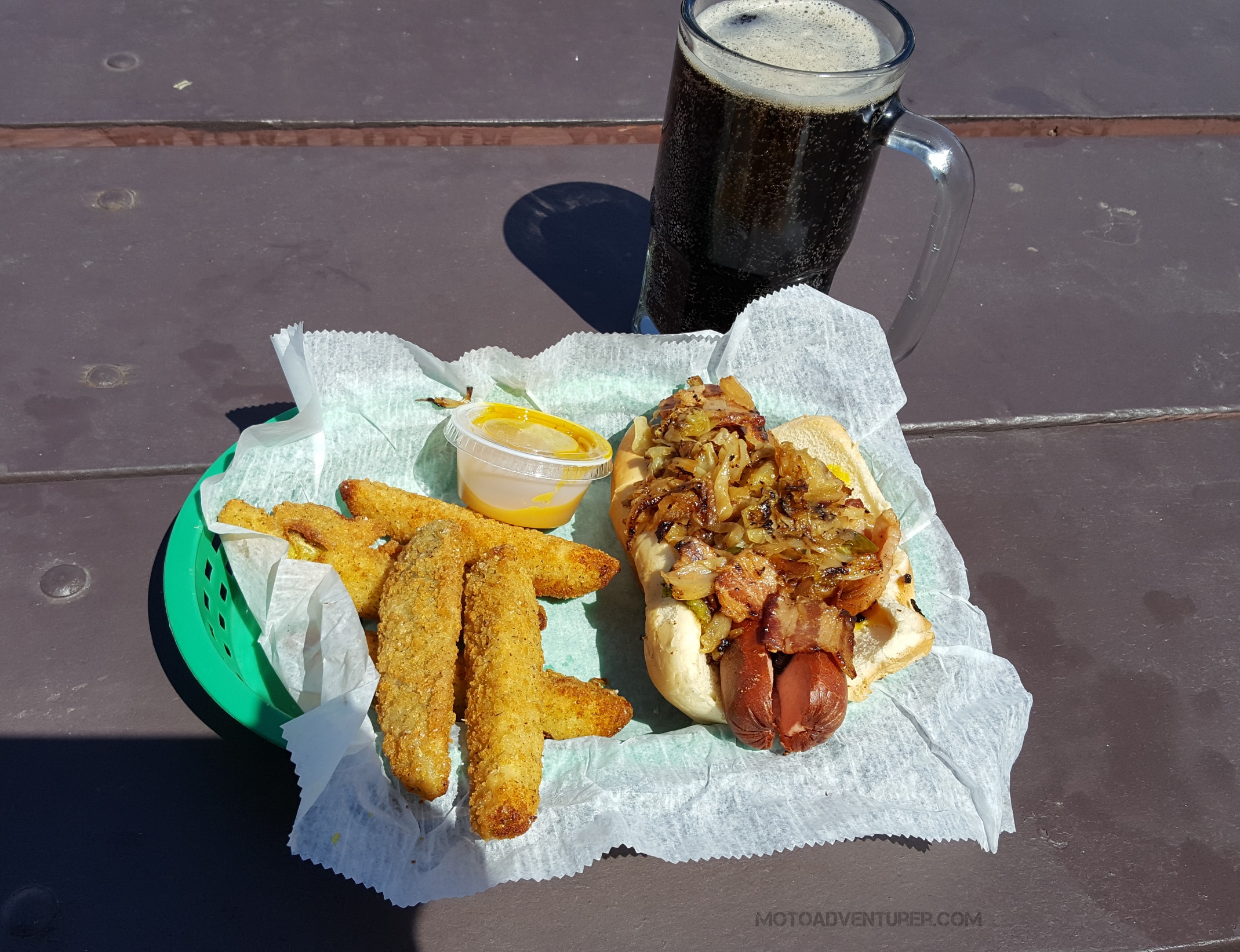


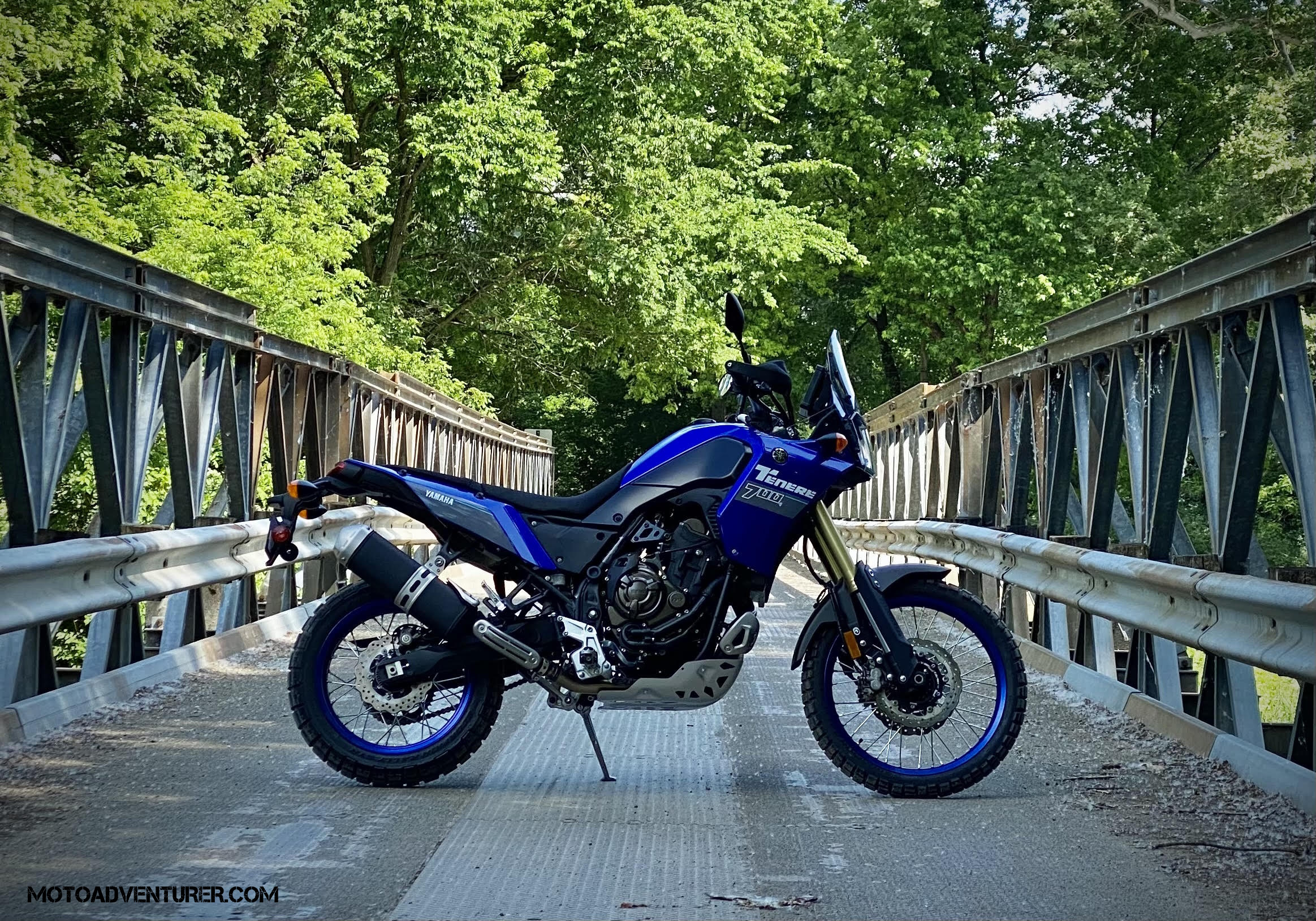
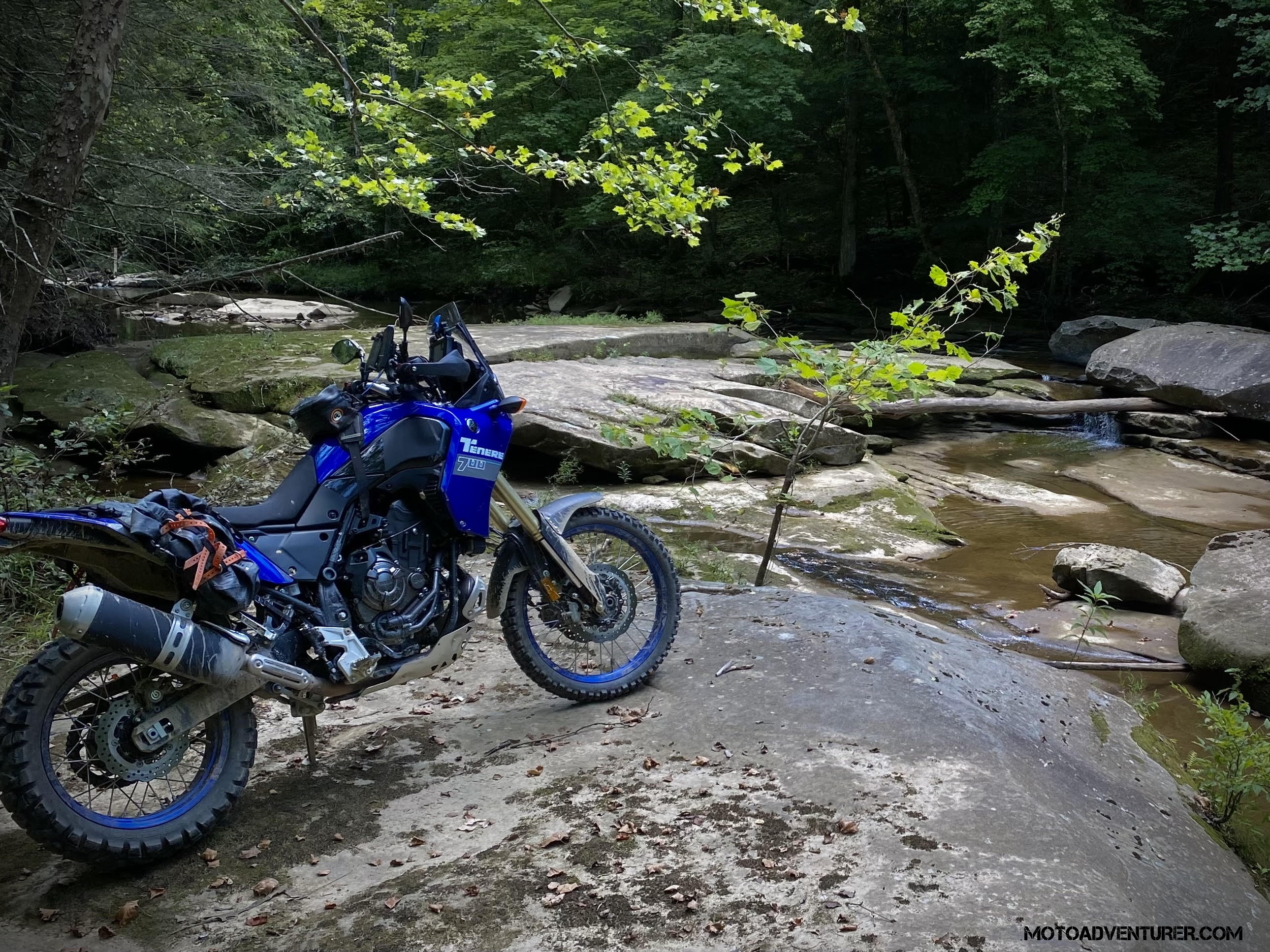
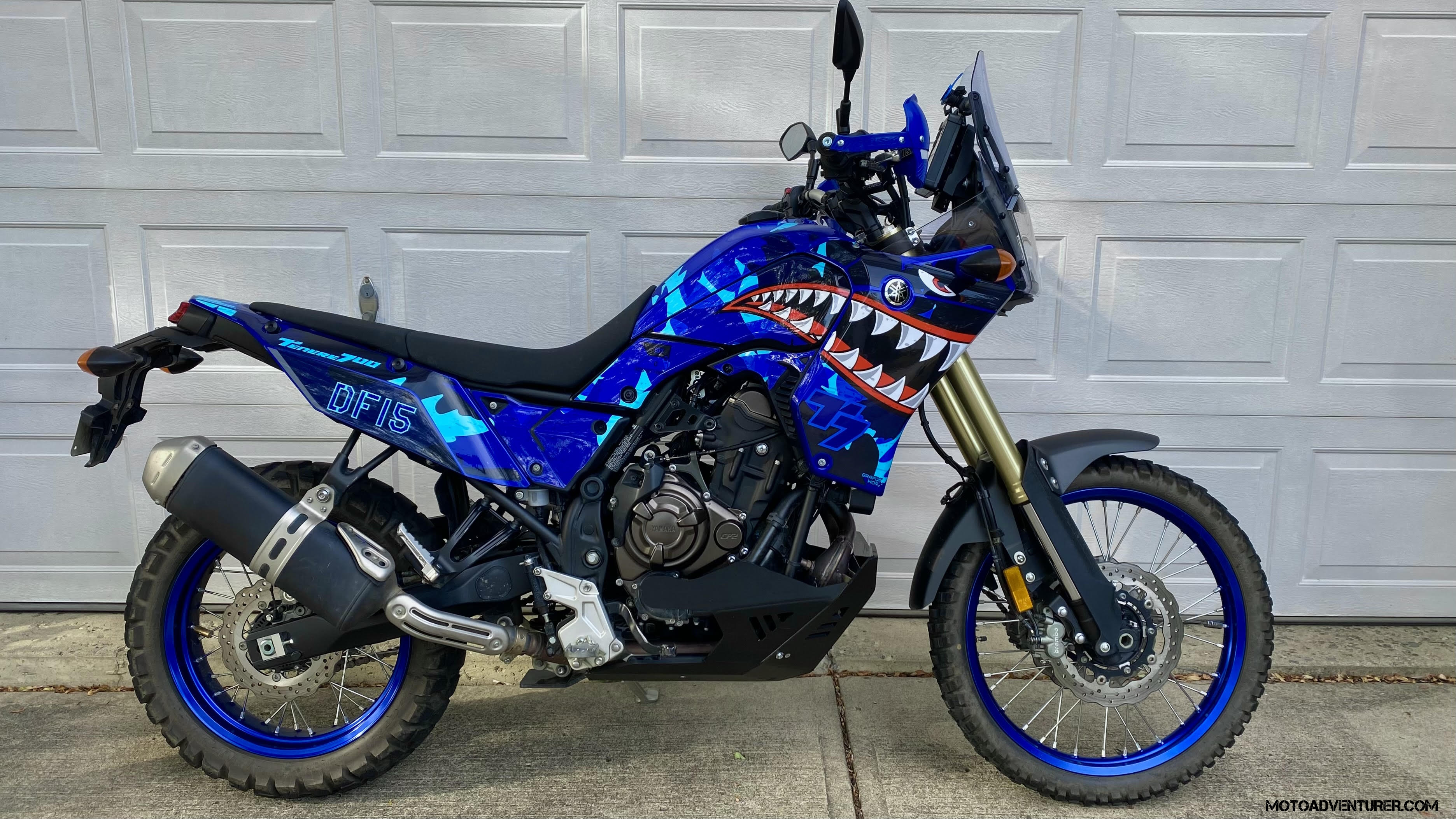


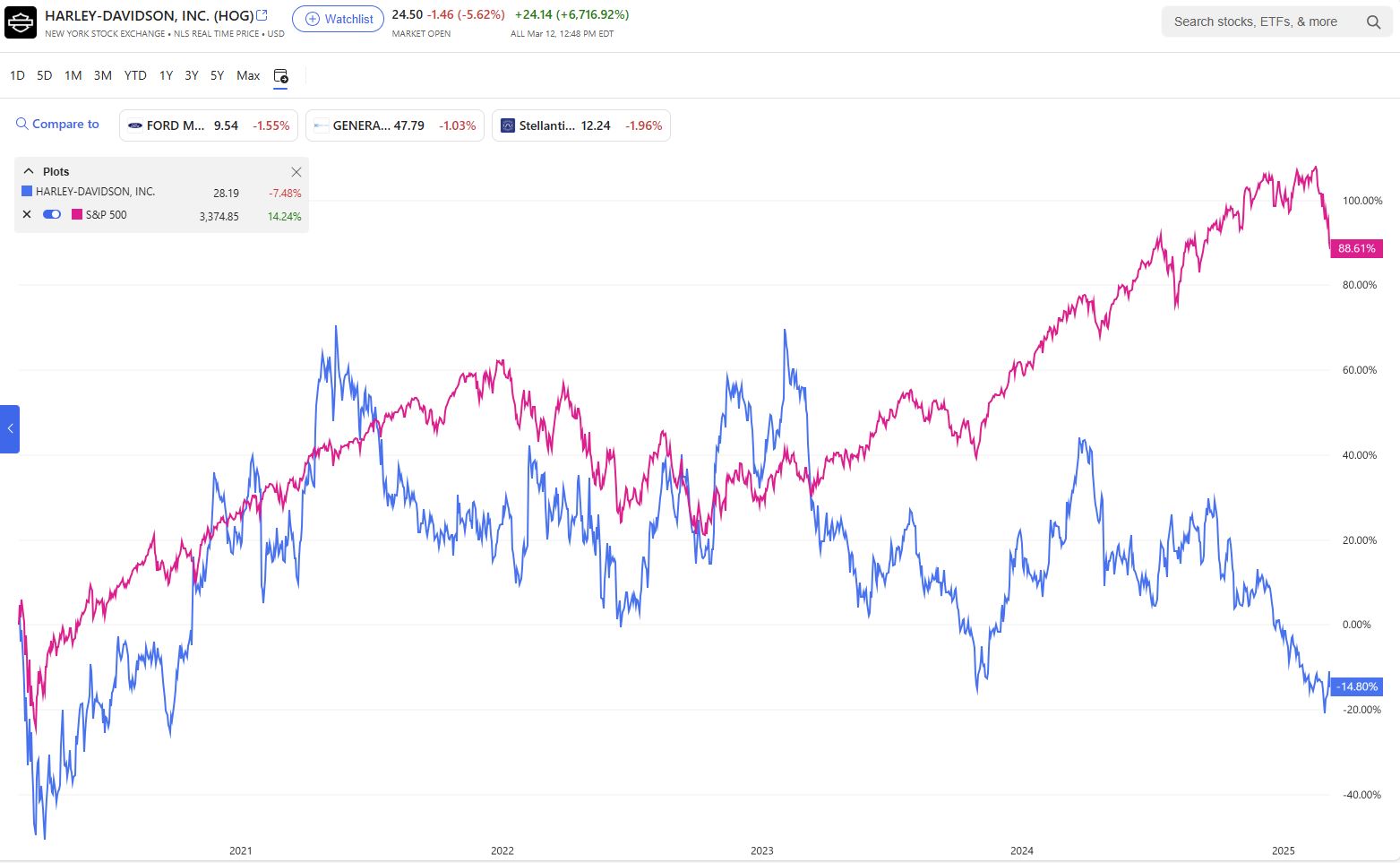


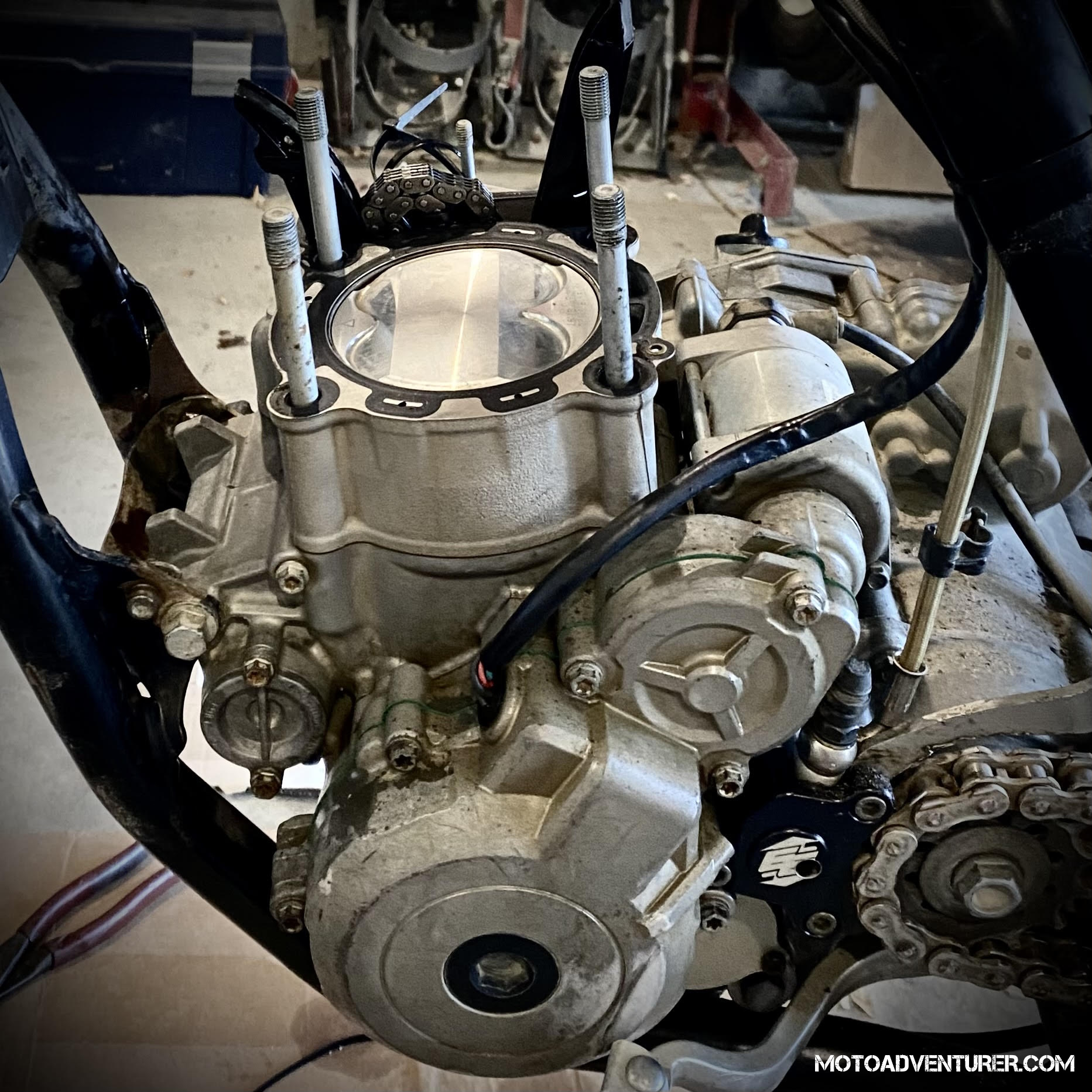

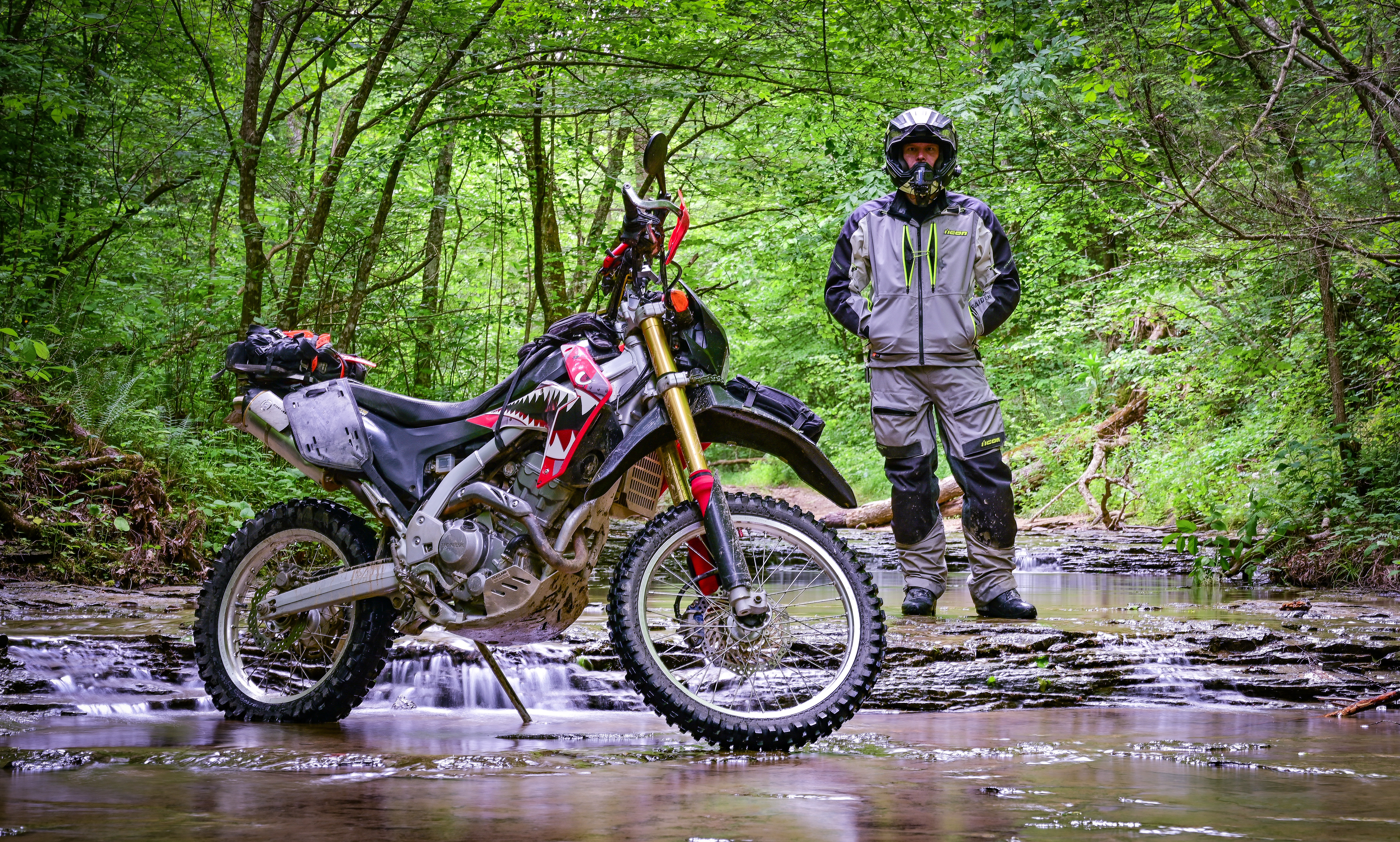

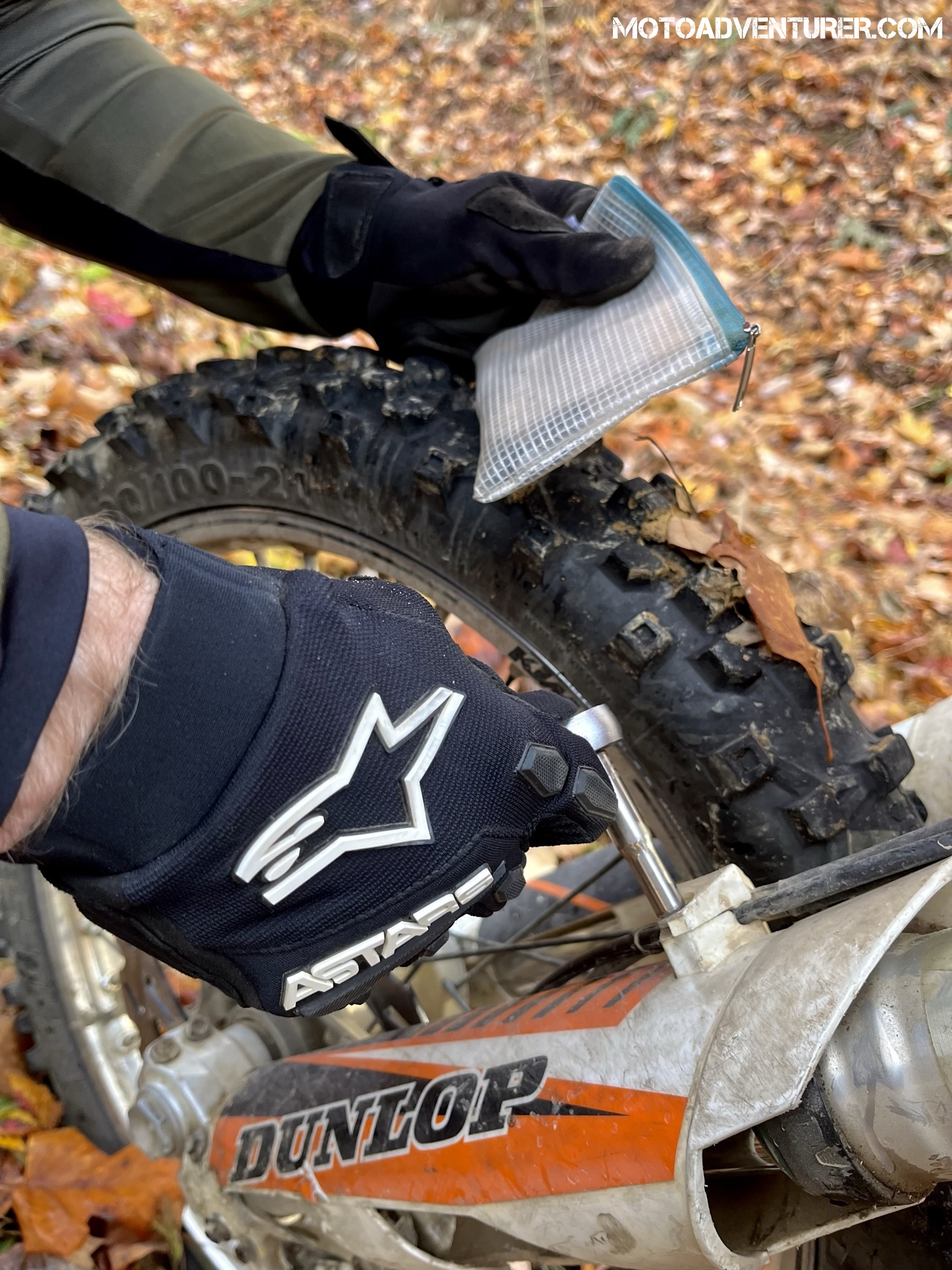

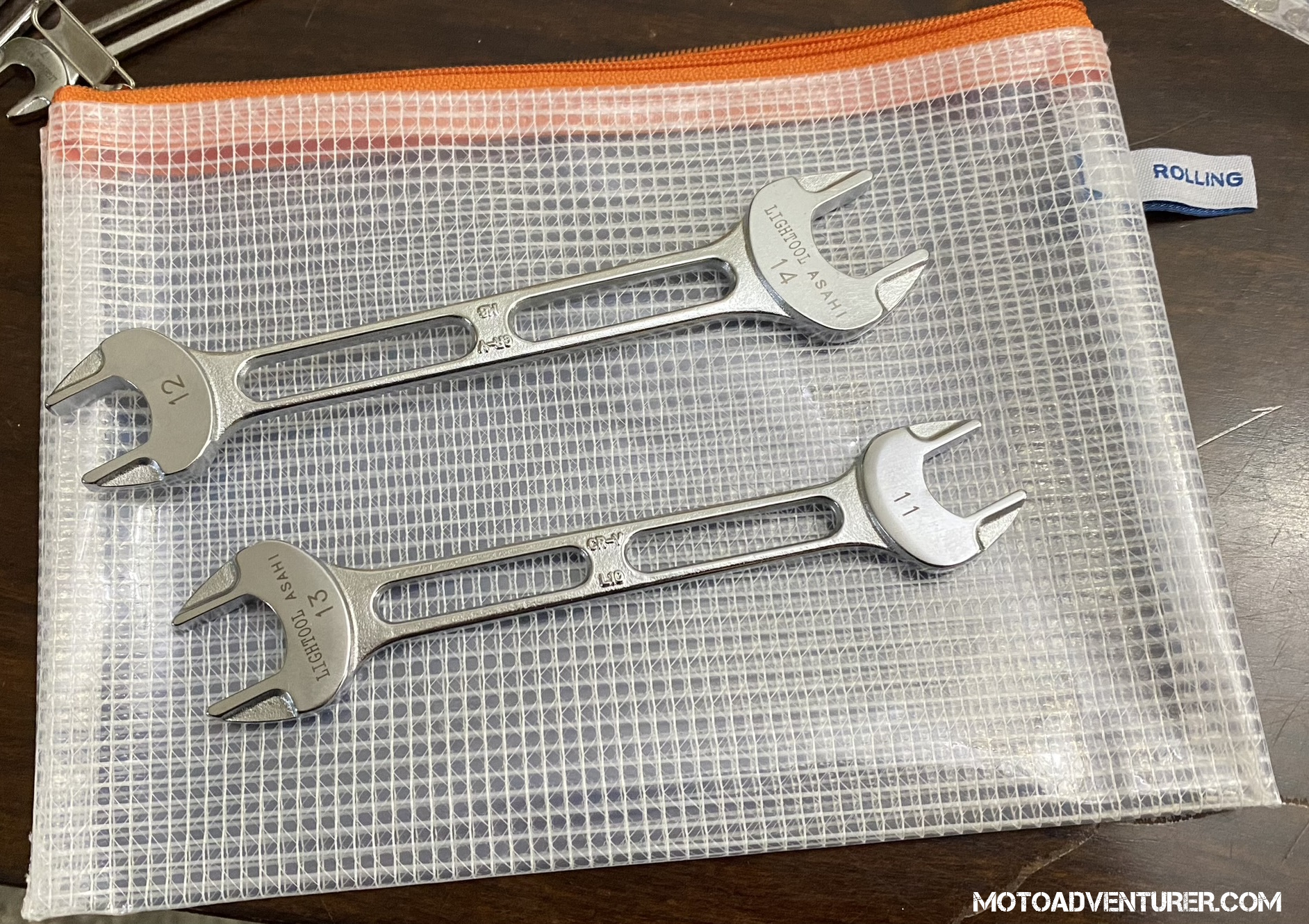





 Moto Adventurer