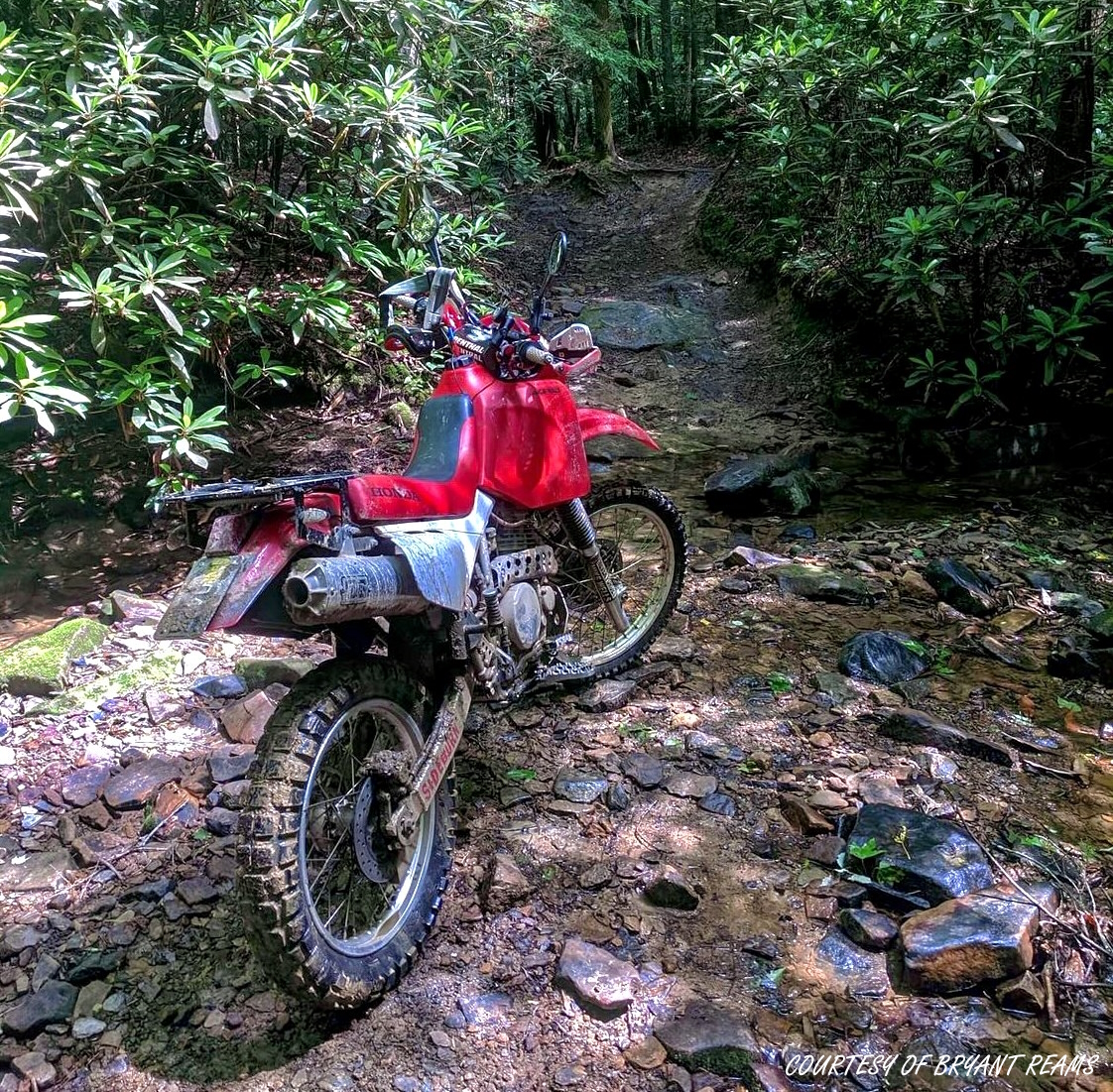
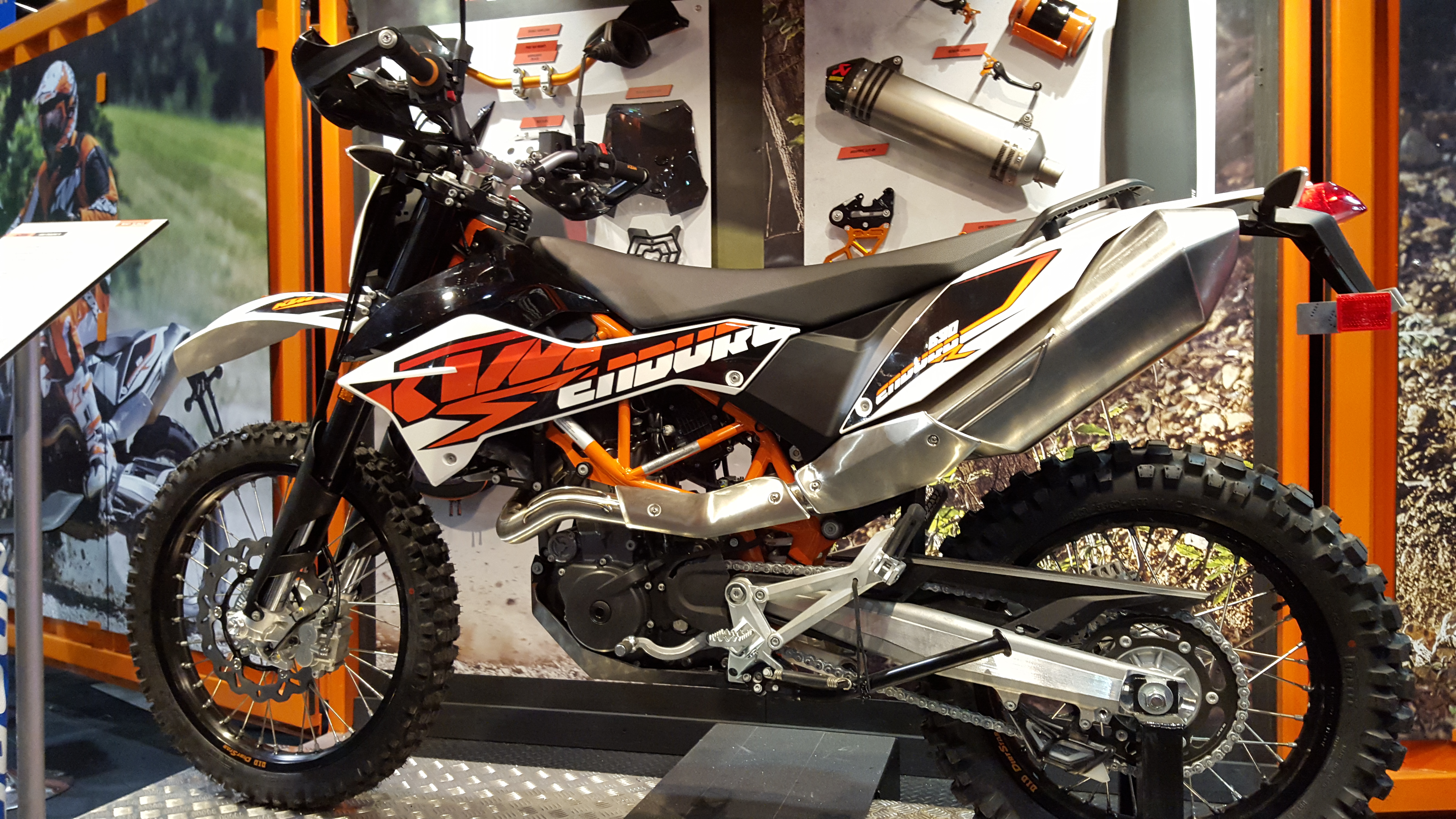
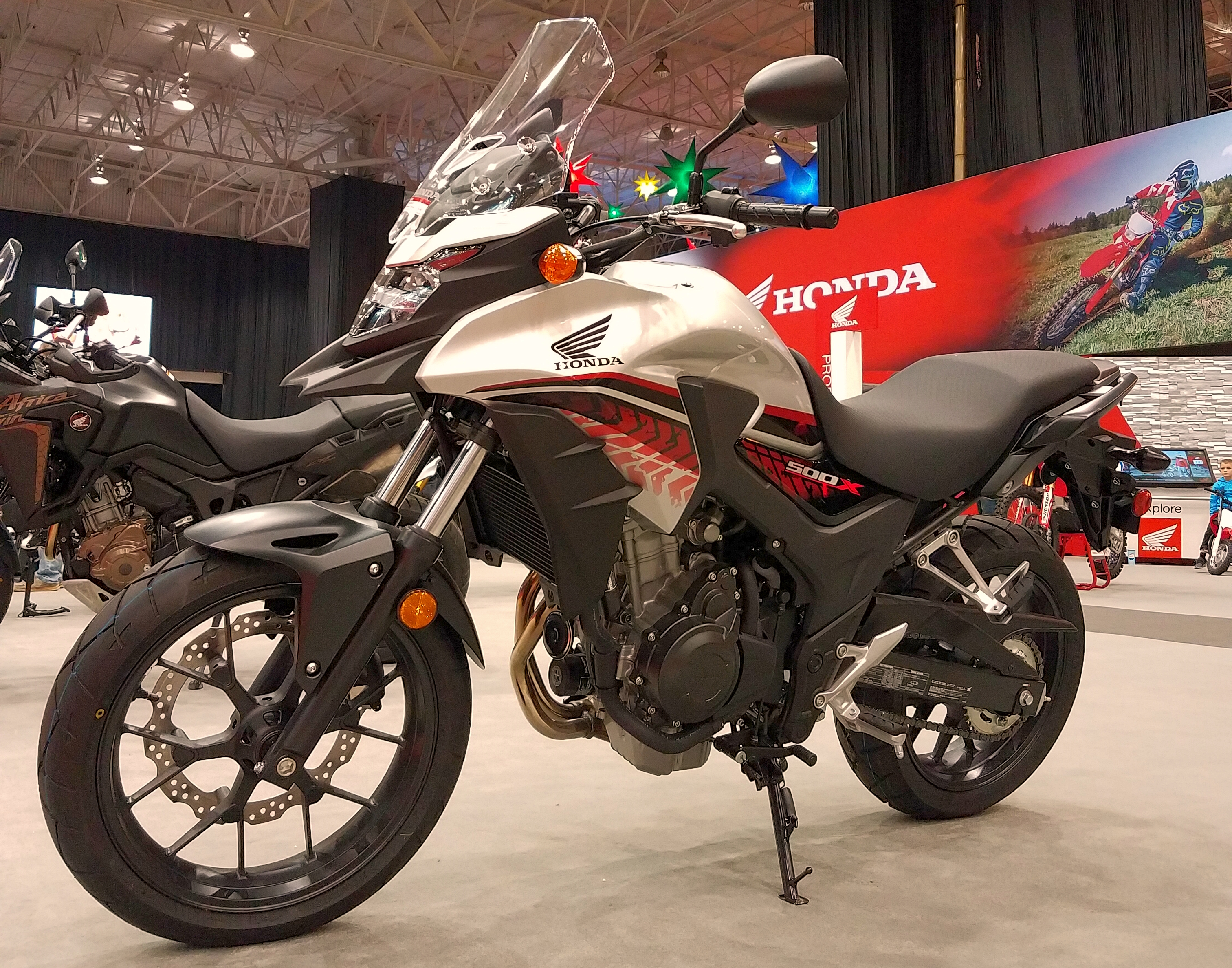
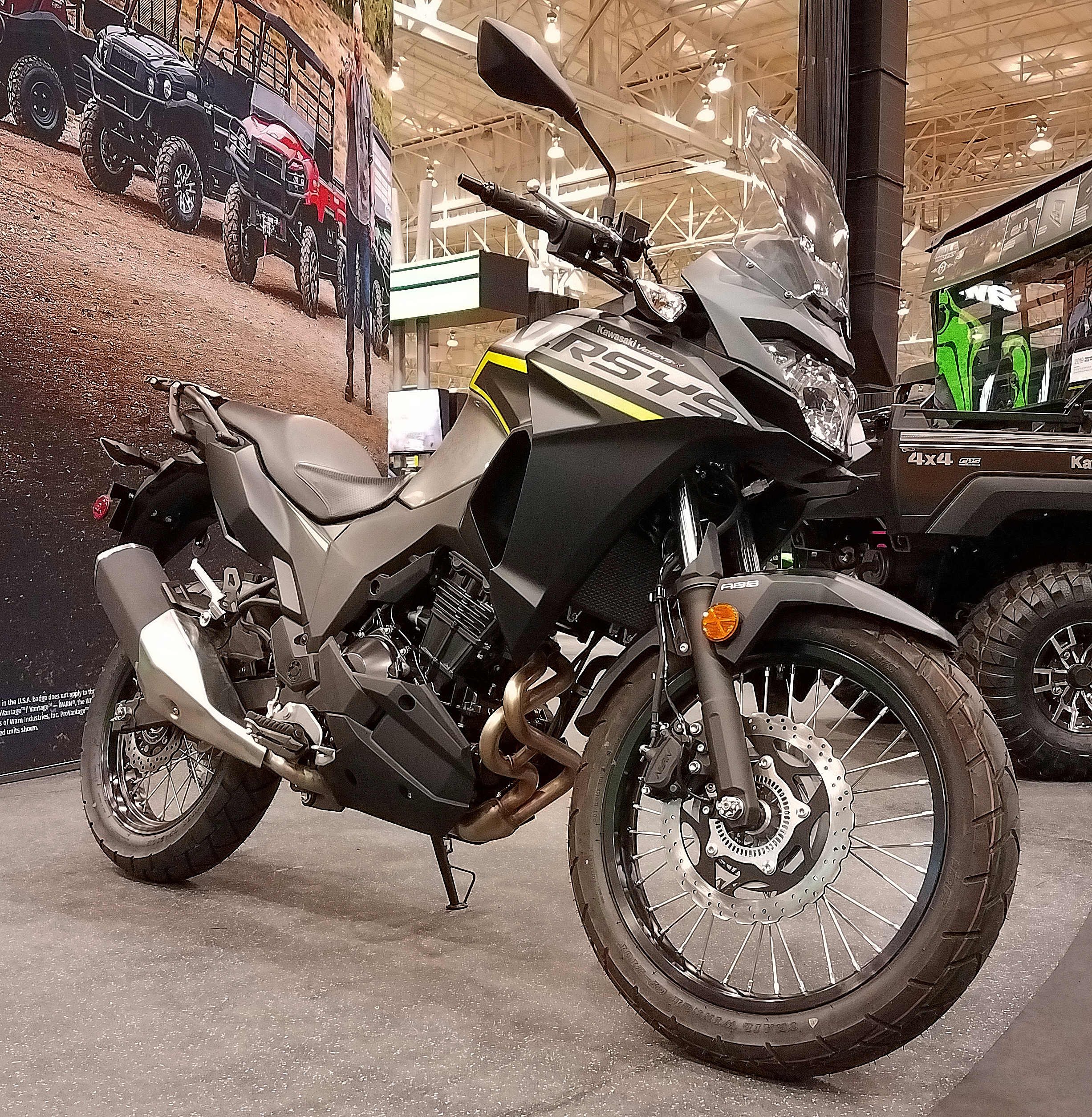
I petition to you the masses, and more specifically, east coast residents, to legalize lane filtering in your state.
What is filtering you ask?
The horrors of California gridlock are legendary. As such, folks in the Golden State warmed up to motorcycles sharing lanes, or “white line surfing” many years ago and recently canonized that practice in their legislature. Many folks call this practice, legal lane splitting.

Here in the midwest, seeing some motorcycle ripping between cars on a 65 mph highway strikes fear into the hearts of suburban drivers and brings outrage to seniors as young punks are “cutting in line”, riding like maniacs, and risking the lives of automobile drivers. I’ll concede. We are not ready for “lane splitting” here in the flyover states.
However, if we were stopped at a traffic light, you in your car, and me on my motorcycle, would you object if I carefully rolled up to the front of the line, and subsequently made legal and efficient use of my power to weight advantage? This is what I call “lane filtering”, where motorcycles use the gaps between lanes to filter to the front, removing the motorcycle from taking up excess space between cars at a stop.
Why shouldn’t motorcycles wait in line like everyone else?
While I’ve had the “luxury” of traveling the world, I’m a born and raised Daytonian. I’m intimately familiar with the snarling gridlock of rush hour in Cincinnati, as I am with the ongoing, multi-decade construction project that is the I-75 corridor between north Dayton and the Ohio river. Moreover, my commute has expanded from 20 to 30 minutes across the entire city, including an unfortunately large number of mall traffic control devices. Great lengths of this barrel-ridden wasteland, have been traversed by motorcycle as part of the routine commute.

Needless to say, midwestern traffic etiquette, and arguably the law, dictates that my motorcycle take up an entire space, despite being a third the size and nearly a tenth the mass of an automobile. Parked behind a line of vehicles at a light, my bike length, plus the safety distance behind, may mean the difference between the chasing vehicle making it through the intersection before the light changes again.
On the highway, I’ll respect that passing cars between the lanes at higher speeds adds more risk than most of us corn-country dwellers are prepared to stomach. Unfortunately, when traffic comes to an abrupt stop, I’m incredibly concerned that I’m likely to become a pancake against the trunk of the car ahead of me when an unsuspecting driver rear-ends my motorcycle at a standstill before I’m noticed. “Distracted driving” feels more prevalent than ever and while I don’t speak for other motorcyclists, it seems many of my peers are concerned about a texting driver plowing right through them at a stop.
Pay it forward
In the interest of getting more cars through controlled intersections and reducing rear-end collisions, motorcycles should be legally permitted to ride on white lines and filter between stopped cars at intersections and on designated multi-lane highways.
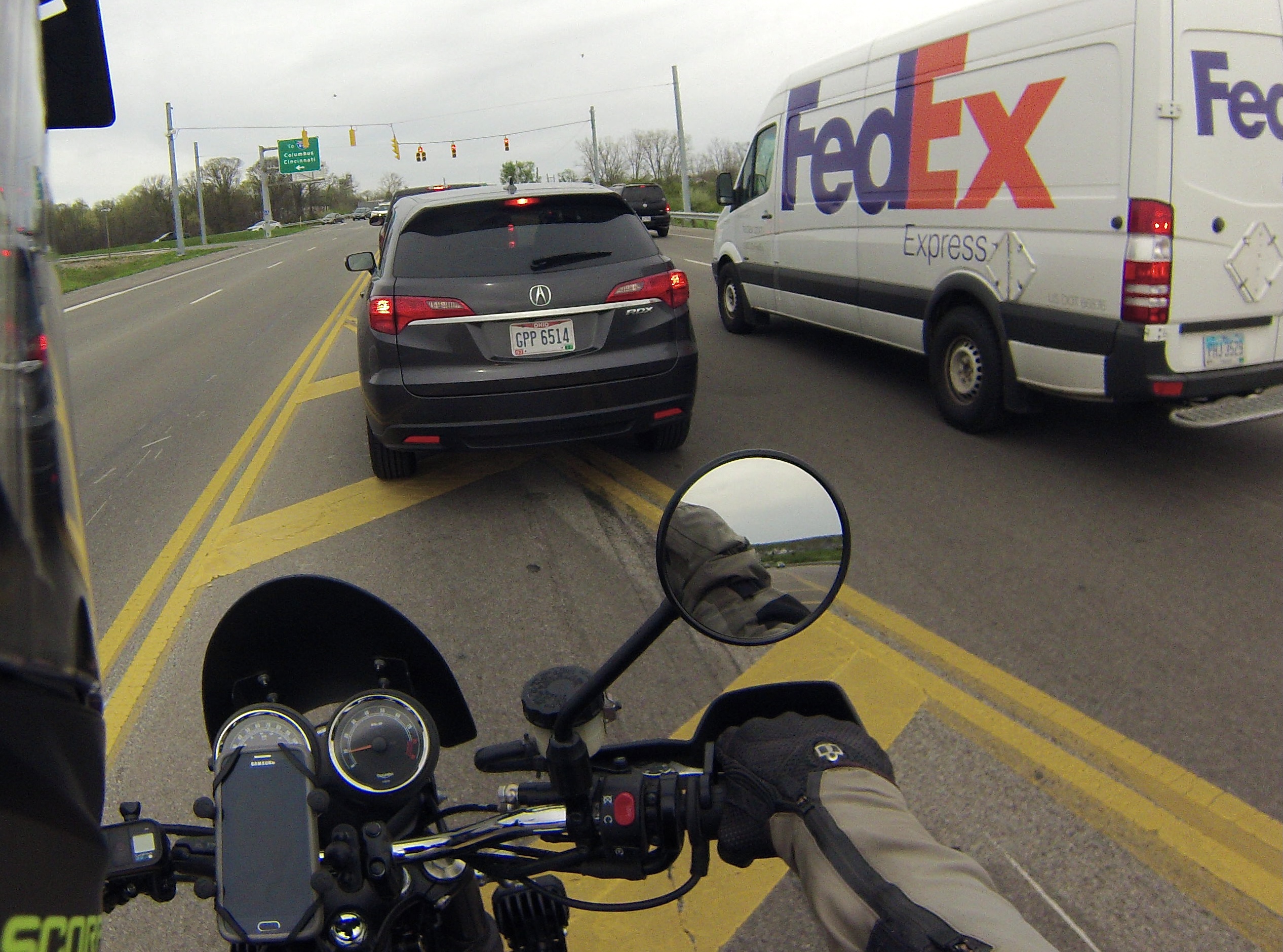
For non-motorcyclists, I imagine it feels like you’re being cheated. Some kid on a crotch rocket is rolling right past a line of a dozen cars and takes the lead the moment the light turns green. Worse, you sit through yet another light cycle. In this one instance, this may be true. However, given sufficient time and distance, my little 250 will squeeze through traffic much faster than my Jeep. More importantly, in most cases, from a stop, motorcycles have a significant acceleration advantage over most urban cars. Moving a motorcycle forward will free up excess lane space for more vehicles to drive through, and once at the front, most motorcycles will accelerate away from traffic without hindering following vehicles. All of this to serve the ultimate goal of getting more vehicles to their destinations safer and sooner.
Success won’t happen overnight

If I legalize filtering tomorrow, swathes of motorcyclists will rejoice, many drivers will be irritated if not irate, and even many motorcyclists will reject the practice. Folks will be unhappy, and we’re likely to have consequences on the streets and at the ballot box. I understand the fears. How will filtering be defined? Who will police offenders? How will we convince drivers to accept the practice? What will prevent drivers from opening doors and causing accidents?
My suggestion for filtering is not new. Filtering and “splitting” has been going on throughout foreign countries for many years, especially in the UK and the rest of Europe; also note, European roads are more narrow than ours. Limited forms of filtering are already legal in Arizona, California, Hawaii, Montana, and Utah. My point is that these questions have been addressed in great detail by other governing bodies, and we can draw upon their experience.
As far as the law is concerned, I think looking at Arizona and Utah is a good start. In short, their rules are as follows:
- The speed limit can’t be greater than 45 mph
- The motorcyclist’s speed can’t exceed 15 mph
- Traffic must be stopped
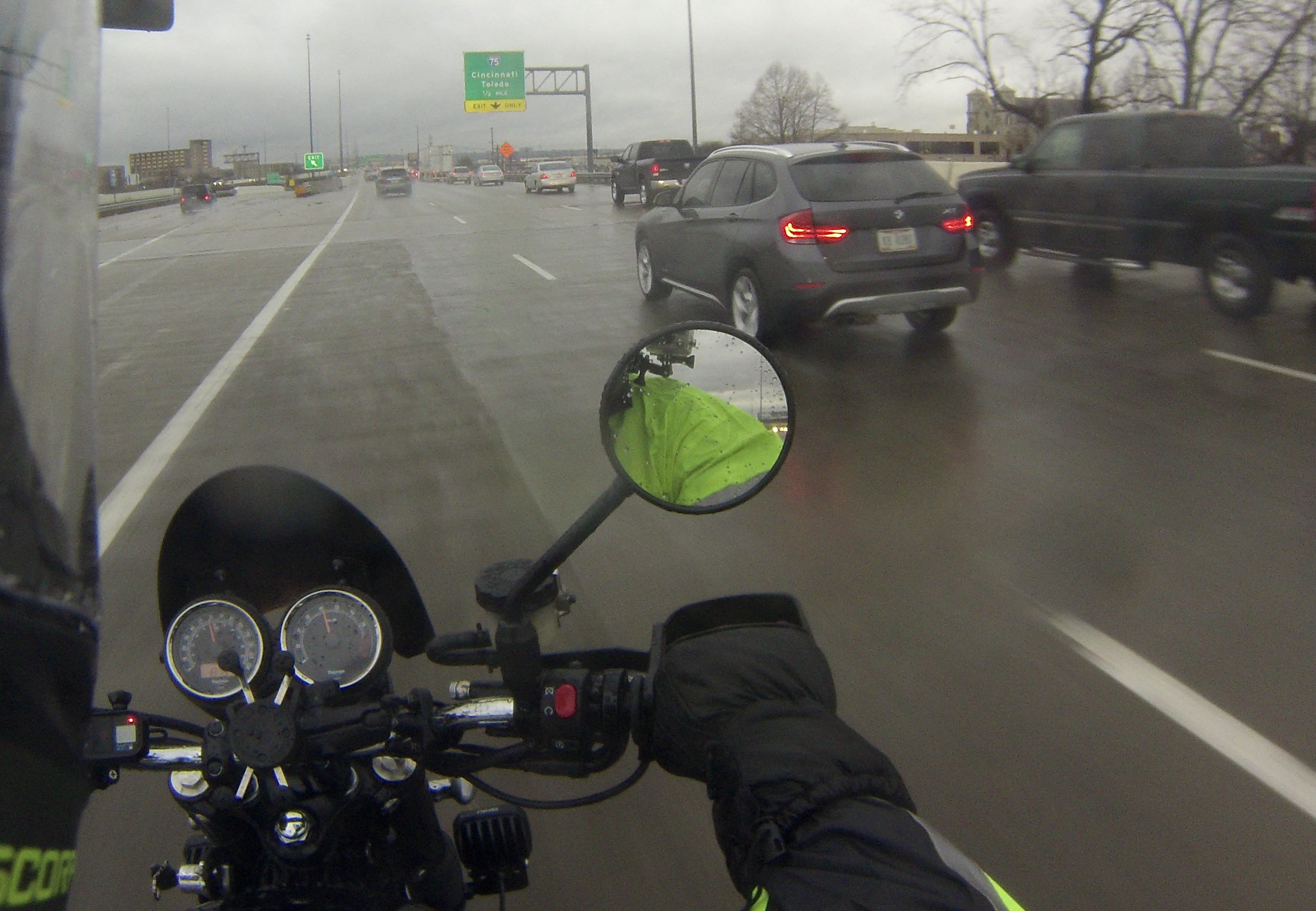
I would prefer that the law offer opportunities to filter on interstate freeways when traffic is stopped, but the importance of progress should take priority in my opinion. It’s important that drivers and riders become comfortable with filtering, and over time the law can be revised as it becomes more accepted by the culture.
I also think it’s critical that a massive infomercial campaign be launched to educate drivers and riders about the practice prior to the law going into effect. I suspect that motorcycle safety organizations would be more than happy to donate money to support the practice considering recent studies about safety, and the potential increase in commuter motorcycle purchases.
Here’s an example of a Utah lane filtering infomercial:
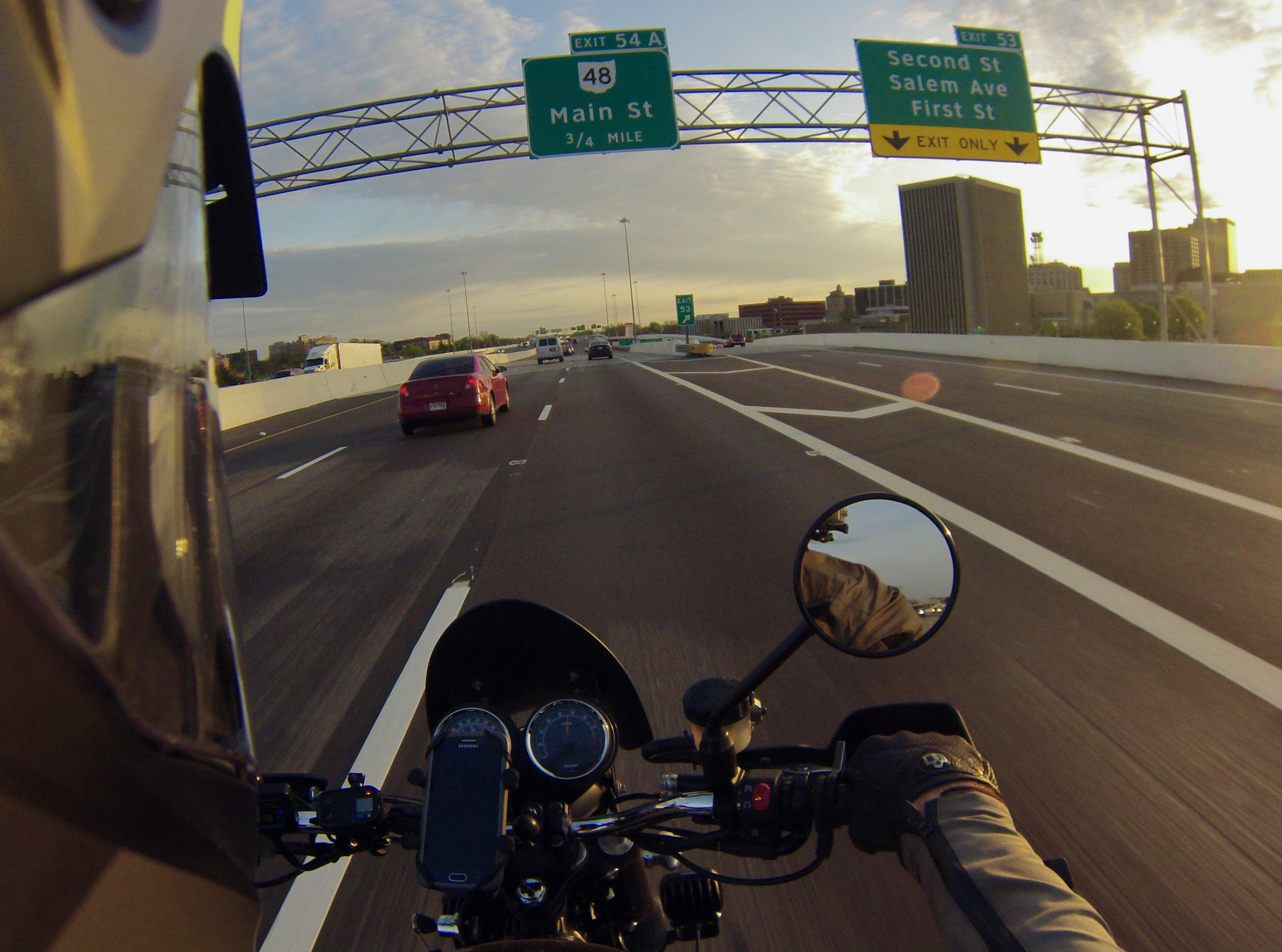
Regarding safety, the University of Berkeley recently released a study stating that under specific conditions, motorcyclists are at lower risk of rear-end accidents by moving into the spaces between cars. It’s important that laws permitting filtering take these ideal conditions into consideration, and that the findings of this study be promoted in the information campaign for adoption.
I also think it’s important to mention, lane filtering should not be mandatory. Motorcyclists should be permitted to filter to the front of stopped traffic when they feel safe, and should be able to choose not to do if uncomfortable with the practices or conditions.
Do you support lane filtering as I have described it? Are there specifics that should be addressed before legally accepting the practice?