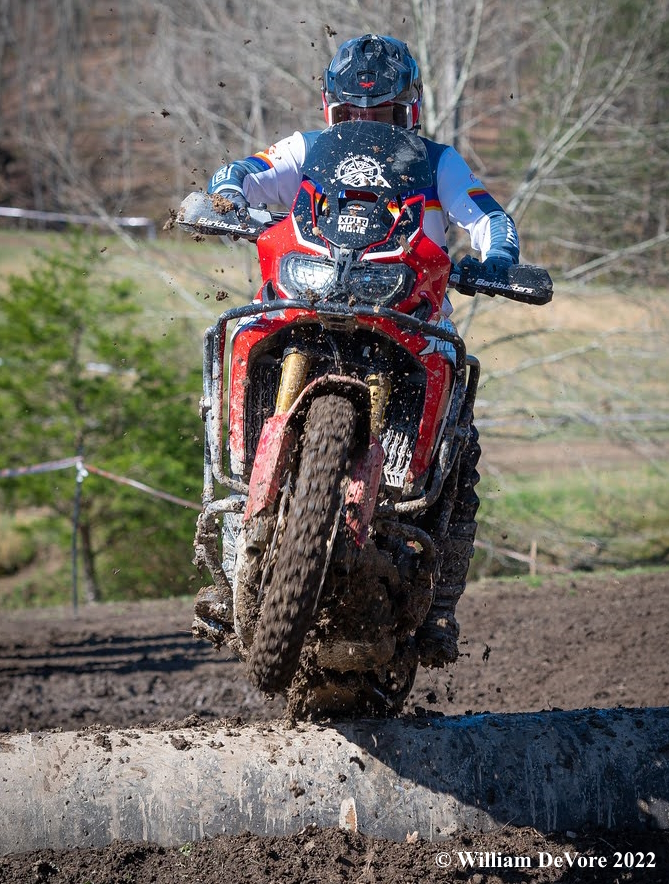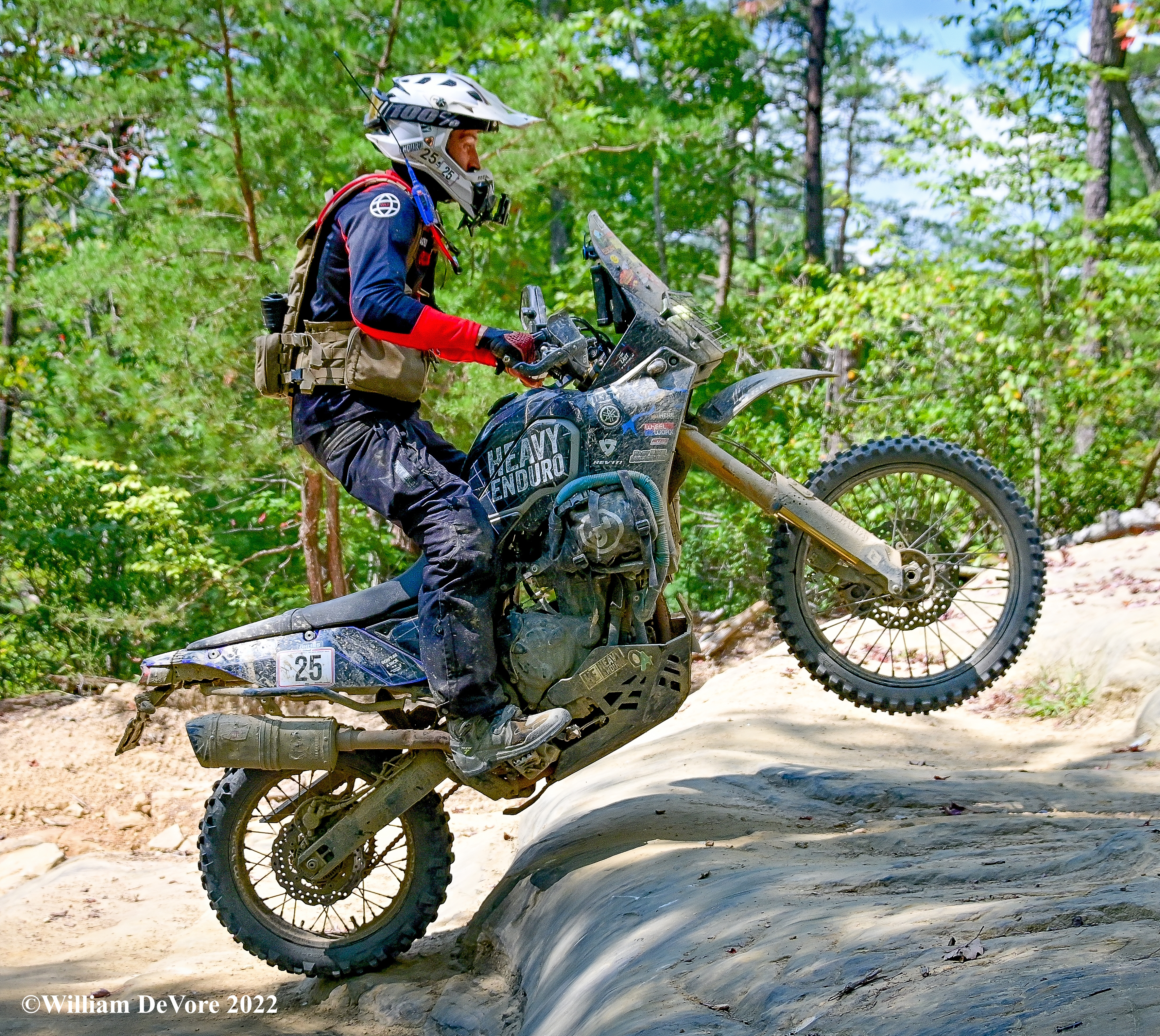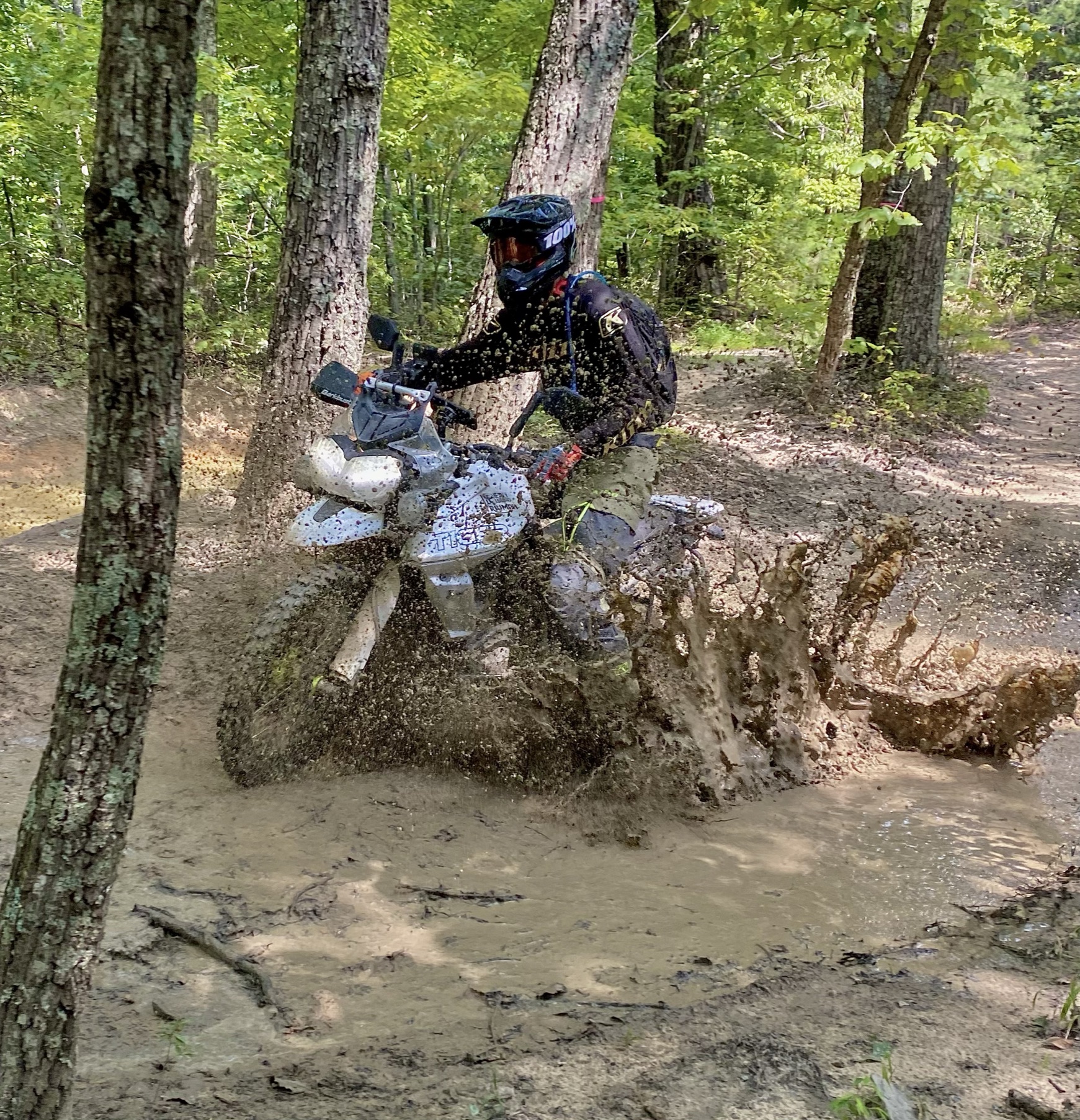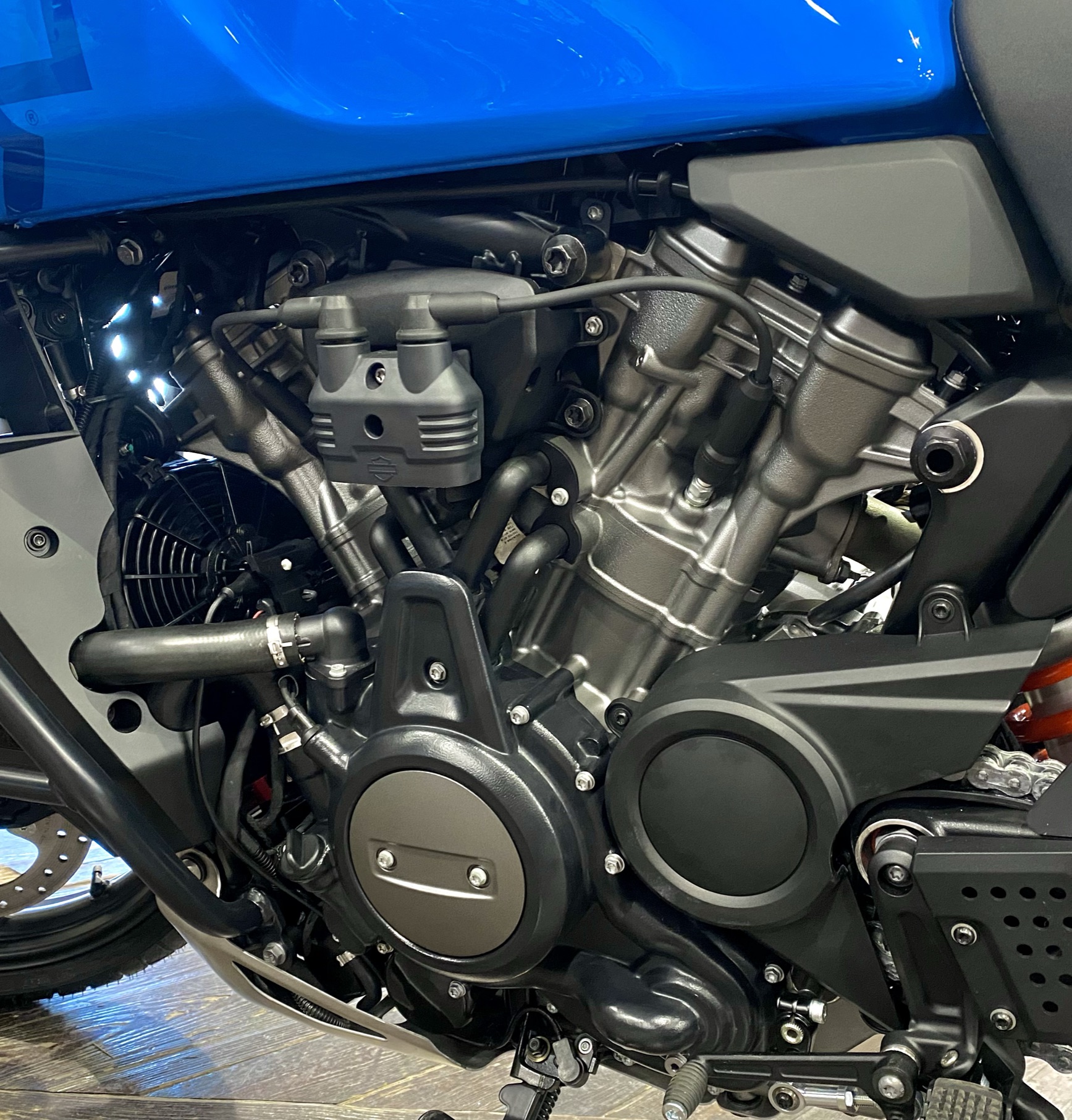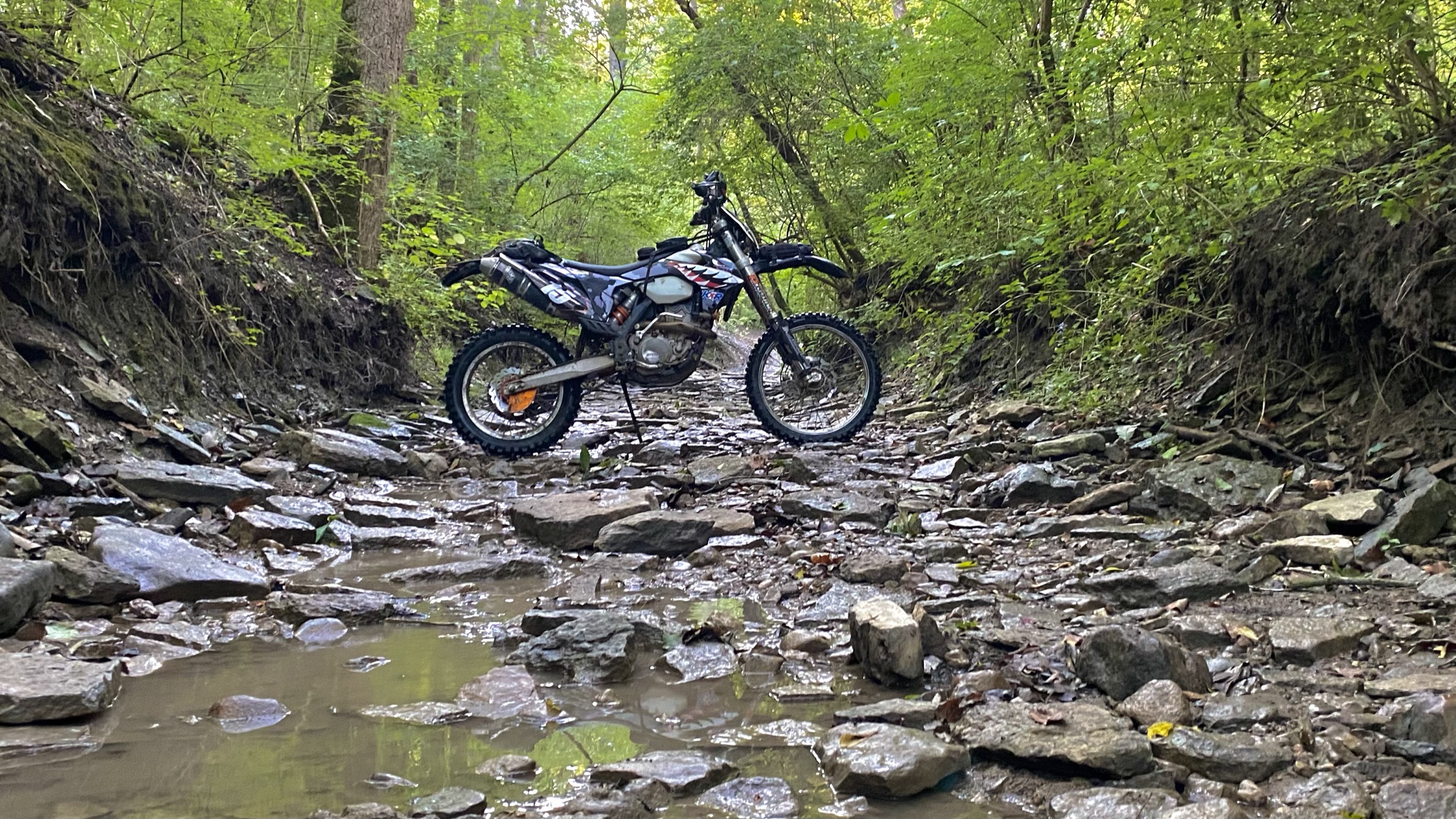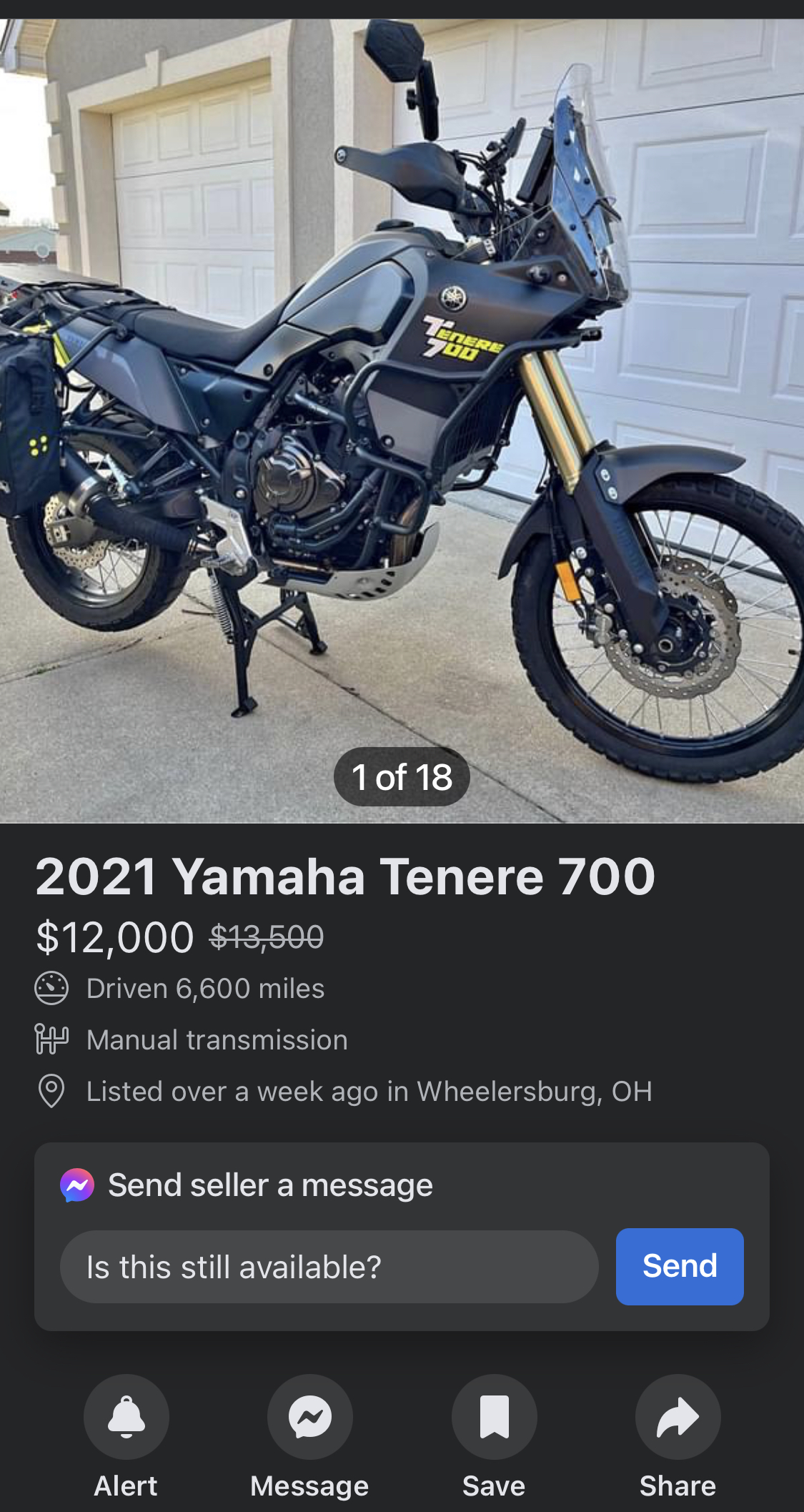
I just saw the news that Yamaha is adding two additional trim levels to the Ténéré 700. Needless to say, I’m in the tank for the T7 so I’m happy to see the availability of more factory performance bits. The middleweight Ténéré is now being offered with a touring package and a more aggressive off-road package depending on your leanings. Triumph has been offering a swath of packaged tiers for their fleet of Tigers for years, in many cases, I’m a bit perplexed by the package components and especially the pricing strategy.
When triumph launched the new series of tiger 800s back in 2016, you had to minor in linguistics to understand all the alphabet soup involved with each trim level. While they’ve cleaned it up a bit with the new 900, there’s still a mess of jargon to decode. At any rate, suffice it to say, that brands’ base-level adventure bike offerings start as bare bones, but progress in price and features as they go up. Per my previous assertion, manufacturers are getting wise to the fact that many of these bikes never go off-road and are thus tailoring to customers with optional touring-focused trim levels, and as in Yamaha’s case, offering premium performance bits and fewer frills for the bravest of adventurers.
While I appreciate this effort, pricing your most advanced off-road model higher than the premium touring bike in some cases seems especially odd. If we were debating premium models among dirt bikes, those gold suspension bits and fat price tags make perfect sense. In the world of 500-pound adventure machines, there’s a point where the price tag starts to make the thought of off-road rowdiness a little ridiculous, and premium dirt features superfluous.
In recent months it’s become overly obvious I tend to swim against the current. Considering I race a decade-old street legal nostalgia machine, perhaps I’m a little disconnected from what the average adventure consumer wants. That aside, here on the deep end of the ADV pool, I’d like suggest a slightly alternative strategy.
Defining premium
I feel like I keep saying that. In the world of adventure bikes, performance accessories, premium suspension, and creature comforts are items I see potential buyers considering when looking to roll everything into a packaged sale. Hard luggage, skid plates, electronics packages, touring screens, and the like are items I don’t question when we’re talking about top trim-level adventure touring bikes. Furthermore, regarding grand touring options, I think it’s wise for manufacturers to offer tubeless wheel options as stock, if not a dealer-fitted add-on. Various suspension trims also make sense. Again using triumph as an example, a base model with nonadjustable springy bits is the industry standard. More aggressive street riders will also appreciate the bump to upscale suspension or even electronic suspension along with a appropriate price increase.
Pricing strategy
To me, premium and value are not the same things. Something may cost more, but it may also be redundant, thus not adding value. As an off-road ADV gumby, tubeless wheels are lost on me. Tubeless wheels (potentially) put me in a situation where lower pressure is necessary to traverse an obstacle, followed by getting a flat, and then trying to reseat the bead by my lonesome with an anemic tire inflator. That just sounds like a spoiled afternoon. Moreover, endless electronics and hard luggage are liabilities in the woods, to say the least. I get it, these are “rider aids” for folks that want to take their two-wheeled SUVs down fire roads. I understand, and I think premium packages for those folks make sense. Inversely, in a world where Pol Tarres and Toni Bou are testing the capabilities of these behemoths, “off-road pro” trims including heated seats and creature comforts seem off-target, if not just an excuse to rack up the price.
Yamaha seems to have taken the bait with their new Ténéré 700 Extreme. More suspension travel, skid plate, radiator guard, and larger foot pegs; all things most offroad hooligans can appreciate. I’m eager to see Triumph, Aprilia, and Honda follow suit in this category.
I don’t speak for the gnarliest of off-road adventurers, but I assume they want to see robust tube-type rims, so we can potentially install rims locks, possibly bib mousses, or at least fix them easily in the field. A serious skid plate, not just an aesthetic paper-thin aluminum cover. Crash protection, or, if I may suggest, sacrificial plastics, akin to something like what dirt bikes offer. Fully adjustable, suspension, on par with 9 to 10 inches of travel, high fenders, and if rider aids are included, when disabled, settings should be “sticky” and maintain position after power cycling the bike.
Inverting the paradigm
Taking it a step forward, I think the base model ADV bikes should be off-road focused. Adventure bikes are far from dirt bikes; no one questions this. At the same time, they’re far from cheap and they tend to cost more to fix when you crash. While I respect premium pricing for premium suspension, most of the “value-added” electronics and creature comforts are a waste for the most dirt-oriented riders. I would suggest that Yamaha, et al, should stick with cheap LCD dashes, ABS only, no rider modes, and no frills. Essentially how the Tenere 700 was launched. I’m also prepared to concede ABS to save a few bucks (I realize Europe won’t permit such dangerous thoughts). If buyers want tubeless wheels, up-spec suspension, heated grips, rider modes, fancy dash screens, and electronic doodads, absolutely, upcharge for all of that stuff. However, for goons that are going to toss their bikes down the trail on the regular, we just need a bare-bones machine. Fear not manufacturers, what you lose from the initial sale margin, you’ll recover in replacement parts; and I can provide references to prove it.
I obviously don’t speak for everyone, so what do you think? Are manufacturers selling you the trim levels of bikes you want?
I feel it best to begin this article with the statement. I hope I’m wrong. I look forward to writing a sequential piece correcting my flawed premise. Time will tell.
Fourth-quarter earnings calls came out at the beginning of February. As one can imagine, lots of eyes were on Harley Davidson as they’ve been hemorrhaging for years now. Despite growth from many European brands, H-D claims their sales were down 8% globally for 2022 (vs. 2021 global quantities).
During the call, Edel O’Sullivan, Harley’s Chief Commercial Officer made a statement that’s stuck in my craw, “…continue to emphasize the balance of desirability and profitability… but also restrained and very, very careful management of inventory…”
But before unpacking that, let’s rewind the clock a bit. When confronted with aging demographics and market headwinds by any other name, former H-D CEO, Matt Levatich launched an initiative he called “more roads to Harley-Davidson”. He promised something like 100 new Harley models, plans to attract younger riders, and so on. We know that the Pan America we see today is the fruit of this labor. We also know, after several quarters of negative press, Levatich left the Motor Company. His replacement, Jochen Zeitz, countered with “Project Rewire” and “Project Hardwire”. Most of which is a bunch of corporate buzzword jargon to send messages to savvy traders and snow the public wherever possible. In short, Zeitz directed the company to slash spending, slash offerings, and stifle supply to boost margins and keep the stock price aloft through “very, very careful management of inventory”.
I don’t begrudge profits. Nor do I oppose change and evolution. I do oppose cutting off your nose to spite your face. I believe Zeitz’s slash program is killing the golden goose, moreover this it’s a symptom of a global problem. That being, publicly traded companies have no stomach for hardship.
What is the golden goose?
Harley-Davidson, as recently as I’m aware, is half of the American motorcycle market in new bike sales. Yet, Harley-Davidson, until very recently, only participates in one segment, cruisers. From the 50s until now, Harley has arguably been selling “lifestyle” accessories to American consumers. Not all that long ago, for ten to thirty grand you could land a piece of Milwaukee muscle. Arguments aside, “entry-level” up to luxury touring models were available for all customers. I’m told Harley even had a commercial that said you could have a motorcycle for the cost of a cup of coffee a day (hat tip to Aled). In the pursuit of higher-margin, uber-premium status, I think those days are ending.
Regime change
I’m not a savvy stock trader, nor am I a Harley insider. Thus, this is my theory, and again, I hope I’m wrong. That said, I suspect the new models we’re seeing released today are carryovers from the “More roads…” program. The Pan America, a record-selling bike, is the flagship of that program. Further spin-offs of the revolution max engine, to a much lesser degree. And for all intents and purposes, it appears that the Bronx has been sacked.
After seeing recent press releases of the new Nightster (Sportster), I was reminded of a couple of legacy Harleys, and came to the conclusion, if someone at the bar and shield was ever phoning it in, that’s what it would look like. Ironically, AMF legacy paint schemes are suddenly in vogue. Those color tones, along with new styling blunders, tell me that a regime change is immanent.
To further expand, I suspect that the powers that be were forced to launch the new Revolution Max line of new bikes. The research and development and perhaps even the production money already spent. The Pan America, while aesthetically radical by Harley standards, still fits inside the “touring” bubble that Harley commands. The rest of the models, however, are dramatic departures from (most) Harley styling and culture.
Some will say that this redesign was necessary because of emissions. Others will say it was prudent to attract the next generation of riders. At first, I believed this. I may even concede this was the initial intent, however upon further inspection, I believe these new models are a result of the bare minimum effort required. This perspective is further solidified by the fact that the Street line of motorcycles was discontinued in 2021, and yet these new Sportster models follow so many of the “unfinished” styling cues that plagued the budget 500 and 750 twins.
I believe the bigwigs in Wisconsin don’t want to sell these base-model bikes. They’re only on the showroom floor because they need to recoup the start-up costs. I arrived at this conclusion judging by the lackadaisical, piss-poor fit and finish, combined with premium price. In a statement, holy leaf blower Batman!
Infinite growth is a fantasy
I understand Zeitz’s strategy, and on its face, it makes sense. Trim the fat, focus on what people are buying, and invest in core products. With regard to shoes, appliances, and cars, I get it. However, Harley Davidson is selling products to something like 1% of the road-going population. Slashing and cutting whilst having at least one eye on the horizon is an even more delicate dance when we’re talking about one segment of one sector of recreational goods. This is compounded by the fact that Harley-Davidson’s business model has more in common with a ford dealer than most motorcycle shops. Dealerships are selling a solely branded riding experience, with bloated overhead, and an ingrained culture making for a much larger ship to steer. Are dealers interested in evolving their internal culture? Are they interested in contracting the motorcycle supply? Will they sell these new models with the same vigor as the bloated touring models? The success of the stock is hinged on more than just what motorcycles roll off the line.
These challenges also run deeper. As others have pontificated before, are these actions just a temporary strategy to make the company profitable long enough to broker purchase from a larger organization that will invest in the brand’s future? To me, it seems feasible. Whether or not this strategy is true, and whether or not it succeeds or fails doesn’t change the fact that most investors don’t care if Harley Davidson is profitable in ten years. Stockholders are not in it for the long haul. Most people own shares in Harley because it makes money. When it stops appreciating, for long enough, they’ll jump ship. This is a systemic problem all across the nation. Companies are beholden to shareholders who are only concerned about returns over the next few quarters. Losses now to invest in a brighter future is not something Wall Street has the stomach for. Amazon, until very recently was the poster child for Wall Street because of its infinite growth business model. At some point, that strategy becomes unsustainable, and that’s fine because when it is, those shareholders have realized their gains and moved on. The company be damned. Unless Harley is privatized post-sale, this is one likely outcome.
Define premium
Limited supply, desirability, quality, and the perception of value, that’s how I see a premium product. Ducati, BMW, and the MoCo have historically held these attributes. Some of these attributes can be fake, others not so much, but just being expensive isn’t enough to sustain a business model built on premium status for long. Shoddy craftsmanship and high prices for fugly modern cruisers are unlikely to keep desirability aloft. I realize I’m picking on one flavor from the menu, but regulation and shifting customer taste could make their better offerings obsolete as well.
Harley Davidson is desperately trying to cling to its premium status as a way to prop up value and zero in on the fattest profit margins. Again, solid strategy, but I don’t think it has longevity on its current trajectory. Holding onto premium perception is a tricky task. Ferrari, Chanel, and Tiffany’s come to mind when I think of brands that are regarded as perennial premium brands. Inversely Kirby (vacuums), Pan American Airways, and Minolta strike me as premium brands that have not stood up to the test of time. Harley Davidson has had its fair share of flop models in the past, so certainly it would be premature to assume copious plastic and exposed wires on new models is the ultimate downfall of the company. However, a shift into “modern performance” isn’t instantaneous and it seems unwise to leave the existing customer base out in the cold.
Know yourself & play to your strengths
Per my above comments, a new, lighter-weight, comfortable touring alternative was a solid strategy with the Pan America. Undoubtedly, aging touring riders are meeting more of their peers at motorcycle hotspots sporting the 1250GSA. Harley band loyalty is literally tattoo worthy, so many folks weren’t going to stray from the black and orange so the flagship ADV machine capitalized on existing strengths in a growing market. Solid move.
On the flip side, I fear that the current Harley leadership has embraced their bean counters and lost sight of what makes Harley Harley. In my opinion, outside of the Pan America, the launch of the new Sportster is half-assed, and while they may see the new Sportster as sacrificial, their impact on the brand reputation will still be felt. Are they going to fix the apparent low quality or just let it ride? Will they axe the new stuff and claim youngsters aren’t interested? I honestly don’t know. I’m completely dumbfounded by the new bike launches. Harley absolutely needs to get people in the door as early as possible, but they can’t sacrifice who they are to do that.
I’ve recently discussed this, people like Harley Davidson for a reason. The reason, as silly as it sounds, is sex appeal, character, quality, and status. Essentially, they sell a premium motorized accessory. Do people want more performance? Sure, but it’s evident that sex appeal and fit and finish have greater pull than the stat sheet; this is also not exclusive to Harley Davidson. On the other end of the spectrum, despite extremely “premium” touring bikes, I don’t think Harley can successfully hang its hat on large-margin bloated touring bikes long term. They have to design and sell bikes that aren’t my grandpa’s bike, but still hold the image of premium quality and sex appeal. Something most of their “new” offerings find lacking.
A lot of words to say what exactly?
I believe Zeitz’s and his associates believe they can look profitable long enough to soak up cash for either meaningful evolution or land a potential buyer that will invest to do so. They may think they can stay afloat as a boutique brand that deals in high-end touring bikes, but I find it hard to believe that strategy has legs. History books are loaded with American car companies that have attempted it. Some may say Cadillac is that brand, but at this point, it’s seldom listed in the top ten luxury brands; if I’m wrong, it’s definitely no Ferrari. That’s what Harley would have to become, a premium motorcycle brand dealing exclusively in top-tier motorcycles that are not known for performance. Perhaps Rolls Royce is a better parallel, but I still don’t think that’s conceivable in the motorcycle micro-economy. In addition, I think there’s a tactical reason they have spun off the Live wire brand as a separate company. I don’t know if it is so they can mothball the petrol-powered company or the electric company when they fail, but I’m sure there’s a reason.
Also, without serious effort invested in cleaning up the imagery of the new revolution max line of motorcycles, these bikes will struggle to sell against similarly priced Milwaukee-8 powered cruisers. The new bikes have better performance than the Harleys of yore, but we also know the V-rod, while it had a cult following, never caught on the way classic pushrod twins did. These new bikes look more soulless than ever, and that’s a major strike against bikes that sell on status and sex appeal. I think Zeitz’s direction was to expend the least effort necessary, and that’s what we’re seeing.
As far as the Pan America, if it’s not already evident, I’ll concede it’s been a success. However, as of late, I’ve noticed a great deal of used Pan Ams for sale on market place. Many of these are top-level trim models with low mileage listed at prices near the base models new. For a bike this new, that doesn’t bode well. In a 2021 economy when credit was cheap, I see why a lot of buyers snatched these bikes up. I question whether or not the initial rush of customers will continue. A few years back, Triumph”s Bonneville Bobber broke all previous sales records. I have a strong suspicion that dealers struggle to move those new cruisers these days. I expect the Pan Am will face a similar fate if certain things aren’t changed. It’s good, but against the competition, it’s not as great as the price would indicate. There are rumors of major quality issues to boot, but that’s a different article.
Again, I hope I’m wrong. I look forward to saying so. If I’m not, I expect we’ll see some interesting shakeups in the next 3 years. If I forget to set an alarm, please be sure to come comment here and remind me to follow up.
I’ve waxed poetic about the dual-sport segment in the past, perhaps ad nauseam. when I look at the landscape of travel-friendly dual-purpose and adventure machines, the glaring age of the big 650 thumpers is particularly obvious. While the architecture originates from 1987, Kawasaki has invested a little bit of effort in recent years to keep the KLR alive against the wave of middleweight adventure machines cropping up all over the market. In contrast, Suzuki’s DR650 dates back to 1990 with Honda’s Big Red Pig, the XR650L following shortly after in ‘92. While I wouldn’t be surprised to see Kawasaki carry the new KLR model into 2026 maybe ’30, I’d say we’re on the eve of seeing the DR and XR 650 thumpers get a facelift, if not outright retired. Thanks to increasing noise and emissions standards, along with American lust for techy wiz-bang-ery, I have a hard time seeing any of these dual-sport dinosaurs holding out much longer. Certainly, I could be wrong, in an era of endless sequels, why risk new when you can rebrand old? But if I’m right, what will fill the void between the DR-Z400 and the Ténéré 700?
Sequels are the in thing now right?
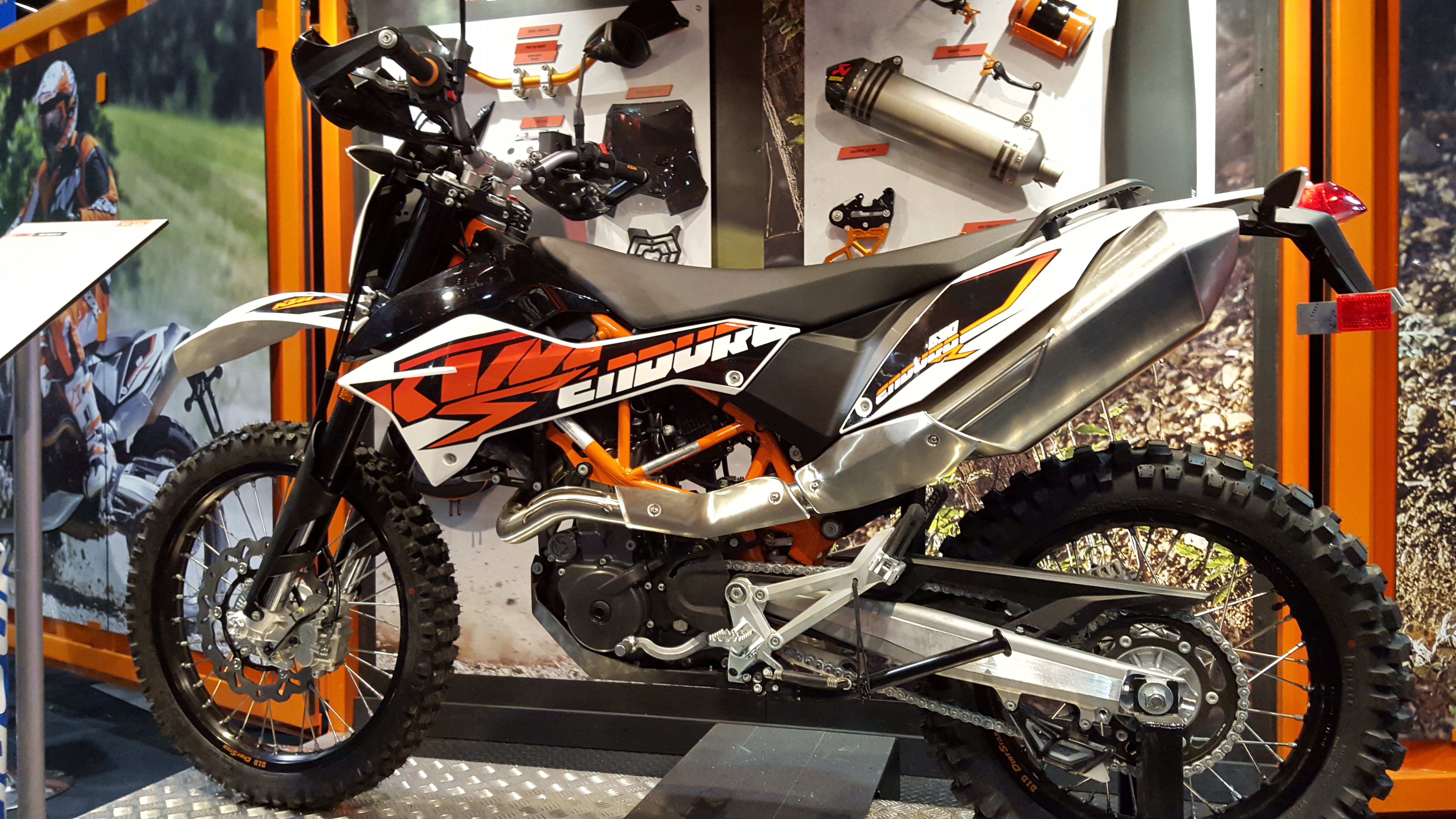
The glaring exception to this discussion is the KTM 690 Enduro and its Husqvarna and GasGas sister bikes. Long travel suspension, modern, counterbalanced, liquid-cooled, low maintenance mills mean these Austrian offerings are likely to live on, well into the future, assuming the demand remains high enough. Considering the XR’s age, and the effort Honda spent on developing the CRF450L, it’s at least plausible that Big Red might spend some research and development cash on designing a modern big-bore dual-sport remotely on par with the KTM. This thought seems more feasible if you consider the exceptionally high resale value of 690 Enduros. I’ve bookmarked several on Marketplace over the years and while cheaper than the $13k new, it’s still a pretty penny to take one home. Considering the 690 evolved from the Dakar racing 640 power plant, it seems reasonable that a CRF650L could be born out of the liquid-cooled XR650R of Baja legend, de-tuned for a slightly more relaxed riding experience while maintaining a flavor of a racing pedigree.
Unfortunately, I fear Suzuki is a lost cause at this point. Many have asserted that the DR650 is one of the best budget buys for long-distance mixed-terrain riding; capable like the XR but without the heft of the KLR. With the advent of the all-new V-Strom 800DE, there is a glimmer of hope that the Suzuki R&D department hasn’t been shuttered. Inversely, I’d still be remiss to not mention the fact that Suzuki’s motocross bikes are still missing that magic e-start button. If the folks on the yellow team won’t install a starter motor in their premier off-road race bikes, I’m not sure we should hold our breath for a new dual-sport. I would however take a fuel-injected, slimmed, and cosmetically updated DRZ as a consolation prize.
Two for the price of one?
In recent years it seems to me that performance gains from 450 singles have overshadowed the mantra of “no replacement for displacement.” In Dakar, 950 twins begot 640 singles which begot 450 rally bikes of today. Safety arguably drove much of that regression but considering these 450 machines are in a race development loop, I wonder if the days of paint-shaker big-bore singles are ending.
On the other end of this segment, the most daring adventure riders are clamoring for lighter, more affordable, and lower displacement twins. The clearest evidence of this trend arrives with the new Aprilia Tuareg, flexing just 15 cubic centimeters over the XR650L. To this point, the Ténéré 700 makes equal horsepower to the 690 Enduro, despite the T7’s (marginally) lower displacement and cheaper price tag. In the weight department, there’s obviously a large disparity between the 650 singles and the youngest generation of ADV offerings, but I actually think this is a part of the overall trend. Modern dual-sports and even dirt bikes are becoming more high-performance oriented, adventure bikes the same. As 450s have replaced the 650s, the 700s are displacing heavier, big twin adventure motorcycles more suited for touring. If this trend holds true, I suspect we may see new, cross-platform, 500 and 600-cc twins emerge in this space.
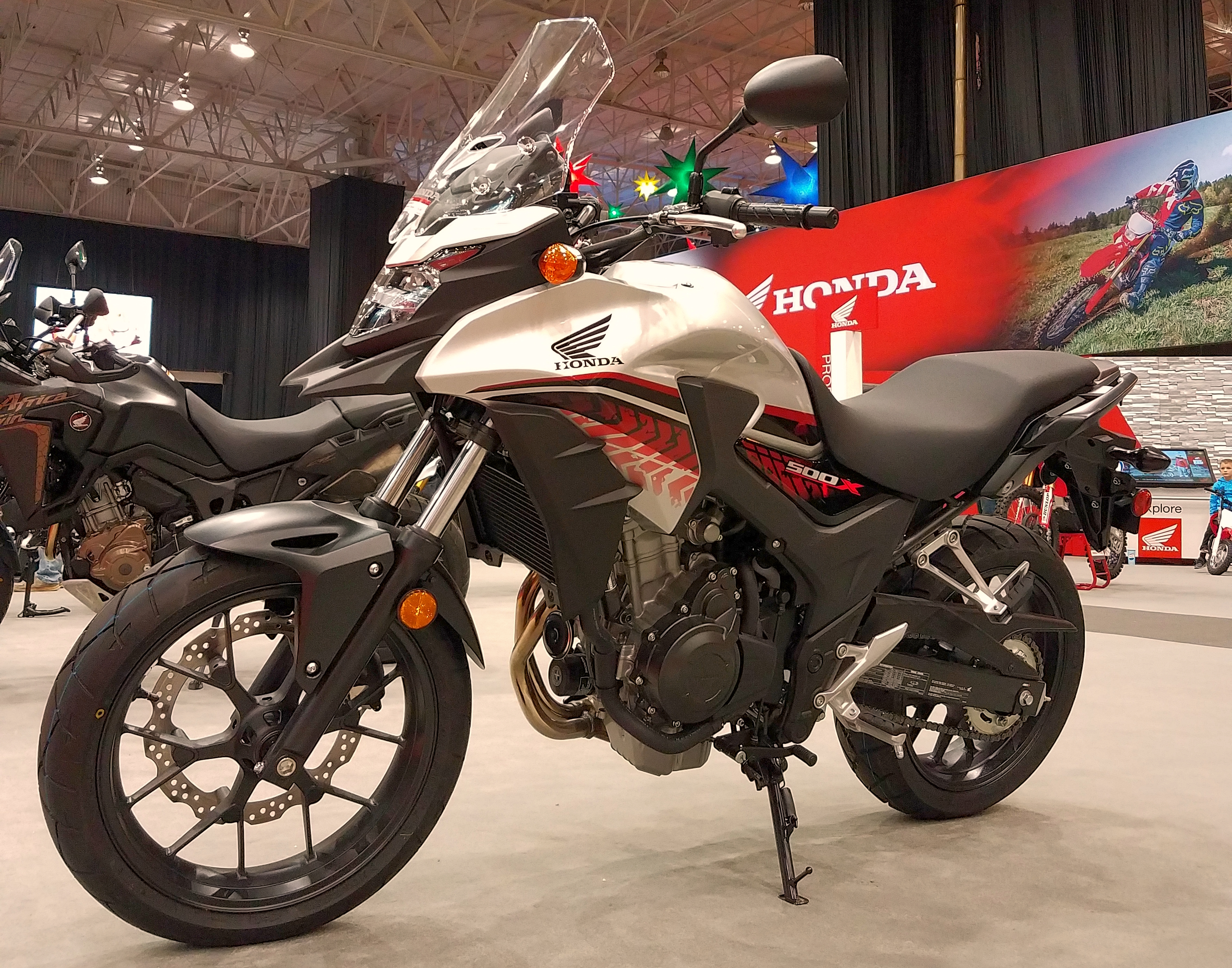
There’s no question, poly-cylinder motorcycles are more complex and therefore more expensive to produce versus singles, but when engines can be shared across multiple chassis, like the new Hornet and TransAlp 750, the economics start to make more sense. Also, despite my preference for off-road rowdiness, I have an inkling that most dual sport riders prefer the smoother delivery of the twin when the pavement arrives, versus the vibey nature of the big thumpers. Ultimately, If I get what I want, that means bikes like the CB500X will find a knobby-shod, CRF500L with an 18/21-inch wheel combo sharing floor space in the dealer showroom.
Is this a witch hunt for a product no one wants?
Honda’s Big Red Pig is now over 3 decades old and is arguably completely unchanged. The jigs and dies that make those bikes were paid for long ago, and yet there seems to be no indication of refresh or retirement. Do consumers even want an updated 650 single or even a replacement for that matter? With the versatility of today’s 250s and 450s, are the largest of the thumpers headed for extinction?
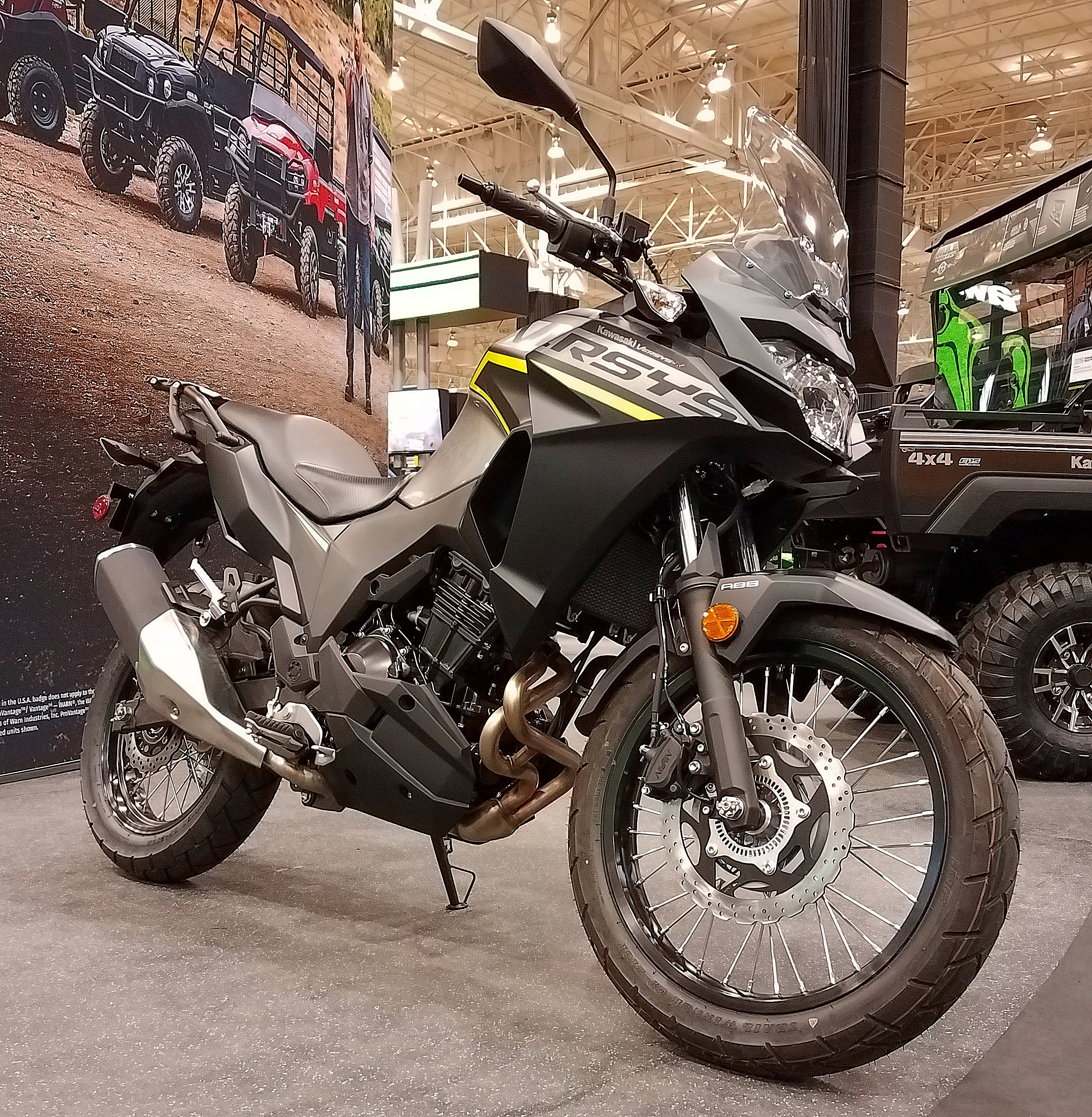
This segment has become even murkier with additions like the 410 cc Royal Enfield Himalayan, the twin-cylinder Kawasaki Versys-X 300, and the KTM 390 Adventure. Rumor has it that the 390 is expected to get a spoked wheel option very soon. That said, I was anxious to see a marginal bump in displacement and capability but I just read the news that KTM has decided to jettison its 490 adventure development. Many brands offer strict pavement models ranging in displacements from 250 to at least 1300. In the absence of the antiquated air-cooled 650s, is it still prudent to have 500 and 600cc offerings or has the Tuareg 660 and the T7 occupied that space?
What do you think will fill the void when these bikes are gone?
The early days of this website were published from the saddle of a Triumph cruiser. A cruiser, whose engine I so loved, gave birth to the Scrambler I still covet today. I, like many young American motorcyclists, didn’t understand the preoccupation with the overpriced wares being sold in Harley-Davidson dealerships all over the country. After bringing home a late model, carbureted Sportster this spring, and putting 5,000-odd miles on it over the summer, I made a few revelations. To the dismay of many, it’s evident that the Motor Company has tapped into the tastes of the American core motorcycle consumer, and love them or hate them, I believe I now understand the reason.
They Play for the Home Team
Be it veterans returning from Europe with memories of their WLAs1, or the 80s “Made in America” campaign, Harley Davison clearly benefits from being the brand built here in the U.S. In the age of global trade, “assembled” here is by far more accurate. However, be it patriotism, convenience of dealer network, or fear of part shortages, Milwaukee Muscle dominates the American market share, and aside from the following reasons, much of it’s because their roots are here.
Infrastructure
There’s a motorcycle for virtually every interest and discipline; off-road, road racing, touring, adventure… and yet cruisers still dominate the American landscape. Why is that? Because the roads here are painfully straight and the vast majority of us live near the city. The average American motorcyclist rides 2,000 miles a year or less. I’m betting those miles are ridden over about 20 days between Memorial Day and Labor Day; likely to the local pub, burger joint, or ice cream stand. When those 100-odd mile excursions include a lot of stop lights and muggles2, any motorcycle will do, so why not be relaxed in the process?
Lots of people have scoffed at or slandered American cruisers for their efficiency in maintaining a straight line. They’re right, not only do Milwaukee’s Best struggle with limited ground clearance for cornering, the chassis geometry literally self-straightens faster and more effectively than any other motorcycle I’ve ridden. My Sportster WANTS to maintain its lane, regardless if my hands are on the bars or not. Certainly many would find this “feature” annoying, but in the land of concrete jungles and endless freeways, it fits the bill when sightseeing takes priority over canyon carving.
The Status Symbol of Choice
There are many stereotypes about doctors, lawyers, and Larpers3 gobbling up Harleys in the ’90s and 2000s. In my experience, there’s often a shred of truth hidden in the satire of stereotypes. Unfortunately, any way you slice it, a $30,000 Harley is still a lot cheaper than a Corvette (the Corvette-Harley owner Venn diagram is probably interesting though). Beit pricing strategy, limited demand (back in the ’90s), fit and finish, or “the experience”, Harley-Davidson holds a reputation for premium. When folks feel the need to spike the football, have a midlife crisis, impress coworkers, or finally pull the trigger on that retirement gift to themselves, the American V-twin is often the trophy of choice.
An Accessory
It goes deeper than that though, for as much as folks want to poke fun at bar and shield garage queens, the reality is that motorcycles are almost purely a recreational purchase, and like cars, are selected based on emotion more than function or application. To put it another way, it’s a two-wheeled accessory to show off to your friends. Motorcycles in this country are a fashion statement; and yet again, Harley Davidson benefits as the home team. But seriously, there’s a reason Harley sells branded clothing, it matches that shiny accessory in your garage.
Accessorize
Years ago I sat on a Sportster in a dealership and the salesman said, “this is a nice blank canvas for you.” At the time, I thought that was the dumbest thing I’d ever heard. Why would anyone buy a $12,000 unfinished motorcycle? Guess what, not all motorcyclists are like me. Lots of folks would prefer to make art from machines, often more so than riding them. Again, considering the bikes are built in Wisconsin, there’s an entire factory and aftermarket parts network set up to get you blingy bits of every variety if you so choose. And if it’s not motorcycle art and expression you seek, many still enjoy farkling4, I mean accessorizing their most expensive fashion accessory.
Character
“They shake and vibrate like all hell. They turn gas into noise without the byproduct of horsepower.”
It’s true. All of it. And that’s what I love most about my Harley. Today we live in a world of sanitized convenience. Our cars have been silenced inside and out, for the comfort of the occupant and the passersby. Modern automobiles shift their own gears, hold their own speed, and to some degree, literally drive themselves. The modern car has the same utility today as it did in 1950… and today they’re as soulless as a toaster.
Soulless, a word I’ve often heard used to describe metric cruisers. There are, without a doubt, exceptions, but true to their engineers’ efficient nature, many motorcycles are, unfortunately, appliance-like. They are reliable, require little maintenance, they’re affordable, are otherwise ubiquitous, and unfortunately, often fail to stir the soul.
Soulless, a Harley is not. Thanks to AMF, many claim Harleys are unreliable. Considering their intentionally unbalanced engines, a Harley vibrates the seat if not rattles the fillings from your skull. They can be infinitely transformed, and despite pricing, have no reputation of performance to uphold. It is a two-wheeled lump of anthropomorphous iron, and above all else, that’s what owners love about them.
The WLA was a Harley-Davidson model with a 45 cubic-inch flathead engine used by the Allied armed forces during WWII.
Inside city limits, reaching, let alone exceeding, the speed limit is often believed to be a magical feat; Muggles are people that do not believe in magic.
Larpers, or LARPers are Live Action Role Players; people who assume a false identity in the pursuit of entertainment.
Farkling is the action of installing farkles. A farkle is an item installed on a motorcycle that adds effing sparkle.
Last week, Honda and Suzuki both announced new middle-weight adventure-class motorcycles at the EICMA show in Milan. Considering my fondness for dirt-worthy touring motorcycles, I was obviously excited to hear the news; especially the new offering from Honda. With more models coming onboard out of Japan, the “middle-weight” segment is filling out nicely. At the same time, while I’m happy to see more affordable, capable, twin-cylinder options available to ADV enthusiasts, I question some of the choices manufacturers are making these days.
Honda Photo
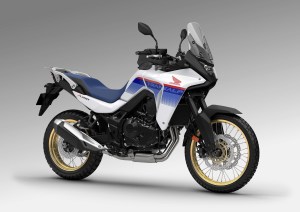
Foreshadowing the release of the new TransAlp was the official announcement of the Honda CB750 Hornet. With patent filings and so on, YouTubers and Moto-philes suspected the new 755cc Hornet mill would likely find a home in a rumored TransAlp rebirth. This of course became a reality as Honda pulled the cover off the new XL750 at the EICMA show. An all-new engine for 2023, Honda put the CB750 tuned motor unchanged into an Adventure frame as a middle-weight offering to the ADV community. Mirroring the Hornet, the new 270° crank, parallel twin puts out 95 horsepower and 55 pound-feet of torque according to Big Red. The TransAlp also has a 6-speed transmission, 21 and 18-inch tube-type wheels, and sports just short of 8-inches of suspension travel on non-adjustable springy bits. Honda is dropping the 459-pound adventure machine on the market fitted with ABS, traction control, rider modes, and TFT display which includes Bluetooth connectivity. To the dismay of many, cruise control is not included as an option despite the rest of the throttle-by-wire and techno-wiz-bangery.
Suzuki Photo
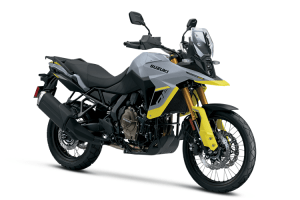
Not about to let Honda steal their thunder, to the surprise of many, Suzuki also dropped an all-new middleweight addition to the ADV market. I want to reiterate, this is also a completely new engine, arguably the first all-new motorcycle from Suzuki after many, many years. Dubbed the DL800DE “V-strom”, Strom-troopers all over the globe were quick to point out the distinct lack of “V” in the engine architecture. “Pee-Strom 800” apparently didn’t make it past the focus groups, albeit “wee-strom” will likely live on as a colloquial term. That aside, the new Zuke sports a 776cc, 270° crank twin with 6-speed transmission. Suzuki claims the new engine puts out 85 horsepower and 57 pound-feet of torque. The new Strom is also fitted with a 21-inch front hoop while being paired with a 17 rear; both tubeless. The new Suzuki also brings TFT dash, traction control, and ABS to the party, while cruise control and rider modes aren’t explicitly mentioned. The 800 Strom is fitted with fully adjustable suspension with about 8.7-inches of travel, and tips the scales at 507 pounds ready to ride.
These two new offerings out of Japan meet a small field of 700-ish adventure machines, namely the KTM 890 Adventure, Tenere 700, and the Aprilia Tuareg. Folks that have been keeping up with the Podcast over the past few months are well aware of the fact that I’ve been in the tank for the Tenere 700 from the moment it was teased by Yamaha. The T7 shares the same engine with the MT-07, and is arguably my favorite powerplant after my beloved 865 Trumpet. Yamaha has upgraded the dash with a TFT display for 2023, along with some other creature comforts I find inconsequential, but also adds a few more bills to the asking price, raising the bar to $10,500 to get into the middle-weight adventure game.
Before sharing my thoughs about these two new Japanese adv-machines, and their impact the market, I first need to set the stage. I see KTM as the groundbreaking bike in this segment with its launch of the 790 Adventure in 2018. With the venerable KTM 990 slowly evolving into today’s 1290 Super adventure, KTM rejoined the middleweight ranks, frankly outclassing Tiger 800 and BMW F800GS with far superior suspension, and most notably, an almost 50-pound weight loss. Asking for around $14k at the time, KTM was price competitive with the premium Euro brands, while still outperforming those machines off-road in every way.
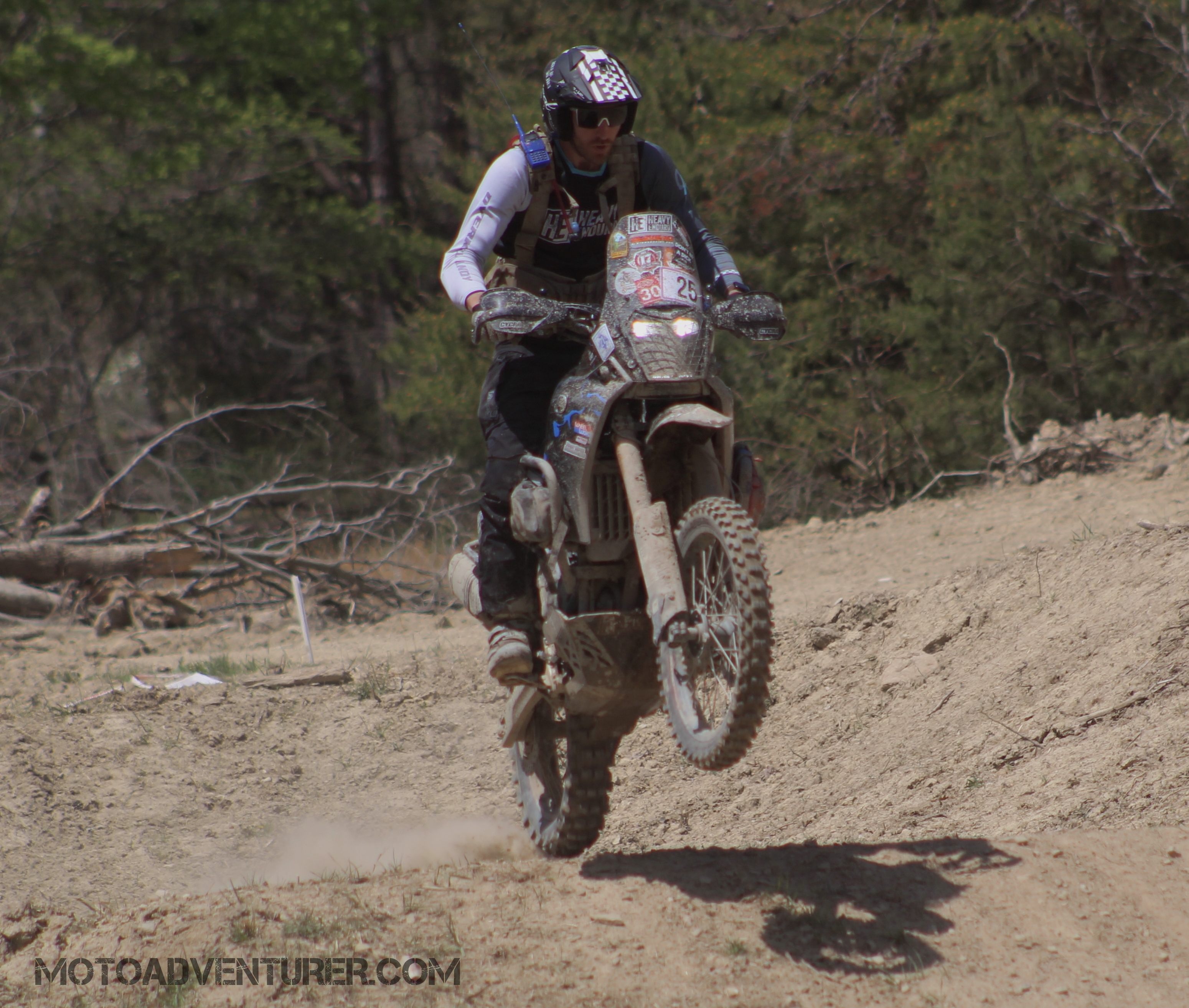
When the Tenere 700 finally showed up to the party, it took up the opposite end of the budget spectrum; no-frills, strictly business adventure motorcycle. If you’re not interested in rugged off-road adventure, no problem, the stock suspension makes for a decent ride. If you’re a moto-masochist like myself and the Heavy Enduro crew, the $4k in your pocket saved by not buying an orange bike could be spent on premium kit.
With little fanfare, Aprilia entered the fray in late 2021. A few weeks back I joined my buddy Greg for a trip around the Southern Ohio Adventure Loop (SOAL). This was the maiden voyage on the new Tuareg 660 he had just picked up. Prior to this day I would have said “under no circumstances am I going to ride an Italian motorcycle off-road with any aggression!” By the end of this day, my mind was changed completely. For folks that don’t know, Aprilia’s new purpose-built adventure weapon was designed in conjunction with two other 660cc twins (RS 660 & (Tuono). While Aprilia has struggled to get a foothold on the American motorcycle market in recent years, to me, this new platform-based powerplant really demonstrates that Aprilia is trying to play the long game. The 659cc over-square Tuareg mill produces 80 Horsepower and 51 pound-feet of torque, ships fitted with 21 and 18-inch tubeless wheels, has fully adjustable suspension with nearly 9-and-a-half inches of travel, has TFT dash, ride modes, ABS, traction control, and cruise. Aprilia says the Tuareg weighs 450 pounds ready to ride and will set you back 12 grand. Despite my undying love of the T7, I must admit the Tuareg 660 chassis feels superior. The bike handles more intuitively off-road, feels lighter, and is simply “easier to ride”. That said, there’s no doubt the playful Italian mill is slightly more peaky, feeling more suited for road riding, whereas the T7 has buckets of low-end toque.
Amid this growth at the “lower end” of the middle-weight segment, Triumph dropped a new line of 900cc Tigers. A few el-bees below 500 pounds and 300ccs short of the “heavyweight” class, wearing a 21-inch spoked front wheel, the Tiger 900 Rally obviously still falls inside the circle of the middle-weight division. The new Tiger mill features a new “T-plane” firing order and the new springy bits have nine-and-a-half inches of travel, but the price tag for the cross-country models starts at $15,400, which is just shy of Tiger 1200 territory not too many years ago. The more affordable Tiger 850 Sport is available for $12,000, but also only brings a 19-17 wheel combo which is starting to feel very “Streetie” against the newer offerings in this circle of multi-purpose motorcycles.
Speaking of street chops, Moto Guzzi’s V85TT also falls in this club depending on who you’re talking to. I’ve said before, and still agree, the V85TT is still my number one pick for a touring motorcycle. While that’s complete heresy to most road monogamous riders, as a dual-sport aficionado, it checks all the touring boxes for me. TFT dash, cruise control, ABS, shaft drive, 19 & 17-inch spoked tubeless wheels, just under 7 inches of suspension travel, and a handful of pounds over five-hundo, Guzzi’s modern Scrambler is a mile-munching machine. Unfortunately, similar to Triumph’s modern adventure touring machines, Guzzi’s ADV offering, while affordable at $11,990, will struggle to keep up when the tarmac ends.
The future is lighter, goes further in the woods, and is more affordable
I’ll have to apologize for the long-winded history lesson about 600 to 900 adventure machines. While gathering my thoughts about the TransAlp, I was struggling to remember all of the stats associated with its closest competitors, only to realize that bikes like the V85 have been available for upwards of 3 years now. Per my comments above regarding price and capability, after all of this time, bikes like the Tiger 900 Rally (and unmentioned BMW F850GS), while completely capable, are closer to price and weight of the 1000cc Africa Twin, both of which are knocking on the door of the heavy-weight class considering Suzuki’s 2023 1050DE can be had for $15,999 and Yamaha’s 2023 Super Tenere for $16,300.
Pricing for the TransAlp and the 800 V-Strom has yet to be announced. The TransAlp’s CB750 stablemate has been priced in Europe on the scale of about $7800 U.S., so many pundits suspect we’ll see Honda’s new 750 may sneak in under Tenere 700 pricing. Suzuki’s pricing strategy seems a little more obscure. The outgoing 650XT commanded $9,600, so it’ll be interesting to see if Suzuki is as aggressive with its pricing strategy on its first research and development project in nearly two decades.
As far as the TransAlp is concerned, I’m hopeful, albiet skeptical. While I sold my CRF250L after 10,000ish miles, outside of character, I’m undoubtedly a Honda customer. I put a premium on reliability, simplicity, affordability, and ease of ownership. The 250L was all of those things, and still the least fussy motorcycle I’ve ever owned. For all of those reasons, it’s hard for me to walk past a Honda on the way to a T7, and especially hard to walk past both to put money down on something Italian.
Honda Photo
Emotions aside, I think Honda has potentially made some poor compromises with their new 750. As soon as I saw the teaser coverage of the new engine release, I spotted the giant oil sump spike coming off the bottom of the motor. With the exhaust tucked up tight on a naked street bike, most wouldn’t pay any mind to this protrusion. Unfortunately, I’ve been hanging out in the ADV scene long enough to see bike owners struggle with “floating” skid plates, exhaust flanges, and broken oil sumps. It appears that Honda has designed some sort of skid plate framework that’s not standard on the base model. That makes me feel slightly better, but considering the T7 and the Africa Twin both have an engine cradle “underbone” as an inclusive part of the frame, I’m scratching my head as to why this TransAlp is missing that feature considering its competition and heritage.
Honda Photo
Lots of folks on the interwebs are bemoaning the TransAlp’s apparent lack of cruise control, adjustable suspension, and tube-type wheels. Since the MSRP has yet to be released, I’m reserving judgment. Similar to the T7, if the TransAlp is cheap enough, I’m happy to spend the cash on purpose-built suspension assuming I’m brave enough to subject their skid plate setup to my preferred flavor of off-road abuse. Regarding wheels, tube versus tubeless is a very personal decision in my mind. Tube-type wheels are cheaper, and frankly a fact of life for heavy off-road riding from my perspective. There are alternatives (i.e. tubliss system), but thus far I’ve been content to just run ultra heavy-duty tubes up to this point. I expect touring motorcyclists will feel very differently. I wish the manufacturers would offer both options at the dealer, with pricing that reflects either choice. Inversely, cruise control is s feature I’d like to have on a modern ADV machine, especially considering the Tuareg offers so much capability and so much technology, well under KTM asking prices. Still ignorant to the future, I have the suspicion that Honda is going to do “the Honda thing”, and offer a very sensible motorcycle that appeals to the widest range of riders for the type of riding they’ll be doing the majority of the time. That’s the CRF250L to a tee; there’s nothing sexy about it, it’s just easy to live with. Time will tell, and like the T7, I’m overly anxious to ride the TransAlp and see.
Suzuki Photo
In a different corner, Suzuki has made equally confusing choices. The new 800DE, like the Tuareg and Tiger 900, also has a floating skidplate akin to the TransAlp; it does however share similar “bracing” from what I can see in the photos. I think Suzuki is wise to offer adjustable suspension, a parallel twin with 270° engine firing order, a 21-inch spoked front wheel, along with TFT dash and all the other electronic gizmos. That’s what people want. However, tipping the scales over 500 pounds in this club seems a day late and a dollar short. People likely to lean toward a Japanese bike will be happy about the adjustable suspension and tubeless wheels, but if the pricing is closer to Tuareg territory than the T7, Suzuki’s first “new” motorcycle is fighting an uphill battle in my mind. I’m not saying I don’t want to ride it, I just find the stat sheet a bit perplexing.
With affordable off-roady bikes like the KLR and Tenere 700 taking up residence at the muddy end of the middleweight budget, it’ll be interesting to see how Honda and Suzuki position themselves in terms of both price and “dirt-chops” against Triumph and KTM pushing the “premium” end the scale. Under no circumstances would I turn down a deal on a 850GS or Tiger 900, but if I’m forced to pay retail prices on one of these new middle-weight machines, it’s hard to ignore the fact that the Africa Twin is cheaper, and several twelve-hundreds are easily within reach. As of the time of this writing, the cost of living is doing anything but getting cheaper, so it’s definitely nice to have more affordable motorcycles arriving on the market, and even more exciting as competition pushes progression in the adventure space.
Just to appease the most litigious among us, I’ll clarify that I’m a radio operator, machine gunner, cable guy, and engineer by trade. Thus, I’m completely unqualified to offer anyone advice on the mechanical maintenance of a toaster, let alone a pontoon boat with wheels. Be that as it may, let’s talk about me…
(1) “Always replace the chain and sprockets together”
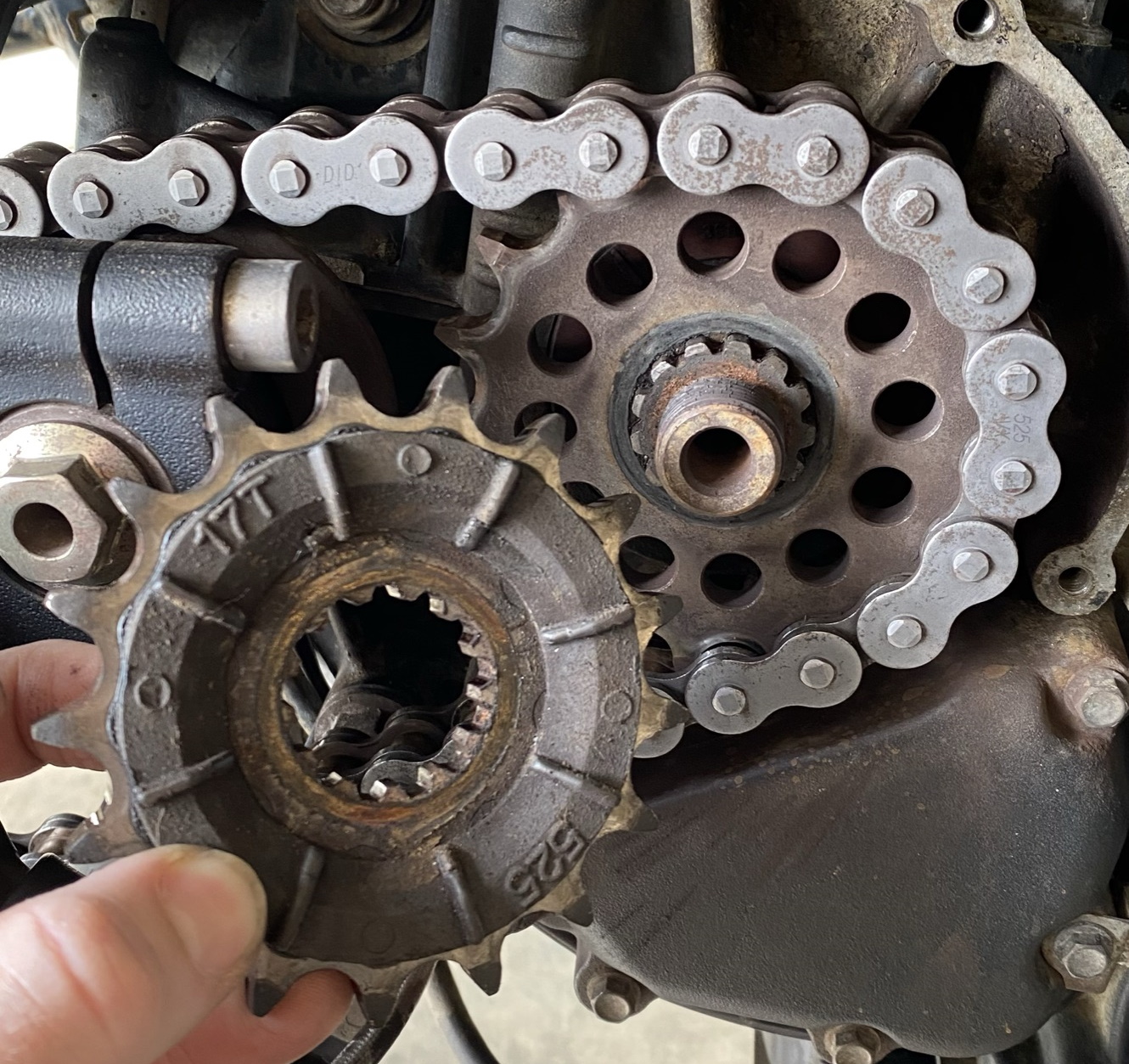
The moment has arrived. You look down at that sparkling gold chain you’ve painstakingly spent hours keeping clean, lubricated, and rust-free, just to notice there’s a damaged o-ring protruding from between the side plates. The rollers are getting worn out and rasping against the pins so you decide it’s time to cut this chain loose and move on.
In my case, I examine the “hooked” nature of both sprockets and make a decision. Is the sprocket the cause of the damage to the chain, or has it simply reached the end of its life thanks to heavy use? If it’s the latter, which it typically is with the neglected hardware on the business end of my dirt bike, I simply buy a chain, install and move on.
Is it cheaper to replace the sprockets and the chain as a set? Sometimes. Do I like new shiny bling on my bike? For the photos in my garage and driveway, sure. For the dank whoolies on race day? You can’t see the chain anyway (unless it’s gooooooOOOLD). If you’re using your sprockets as a poor man’s Rekluse, yeah, you’re seriously cutting into the life of your chain. If your chain is missing two or three rollers, your sprockets are about to be trashed. If only one of the three components has reached its wear limit, replace and ride. The “Minister of War and Finance” will thank you.
(2) “Replace tires as a set”
Along with, “don’t mix and match tires”. Some will suggest that if you’re going to install a fresh rear tire, you should also replace the front. Others will say, if you’re going to change brands or models of tires, you should replace both tires at the same time.
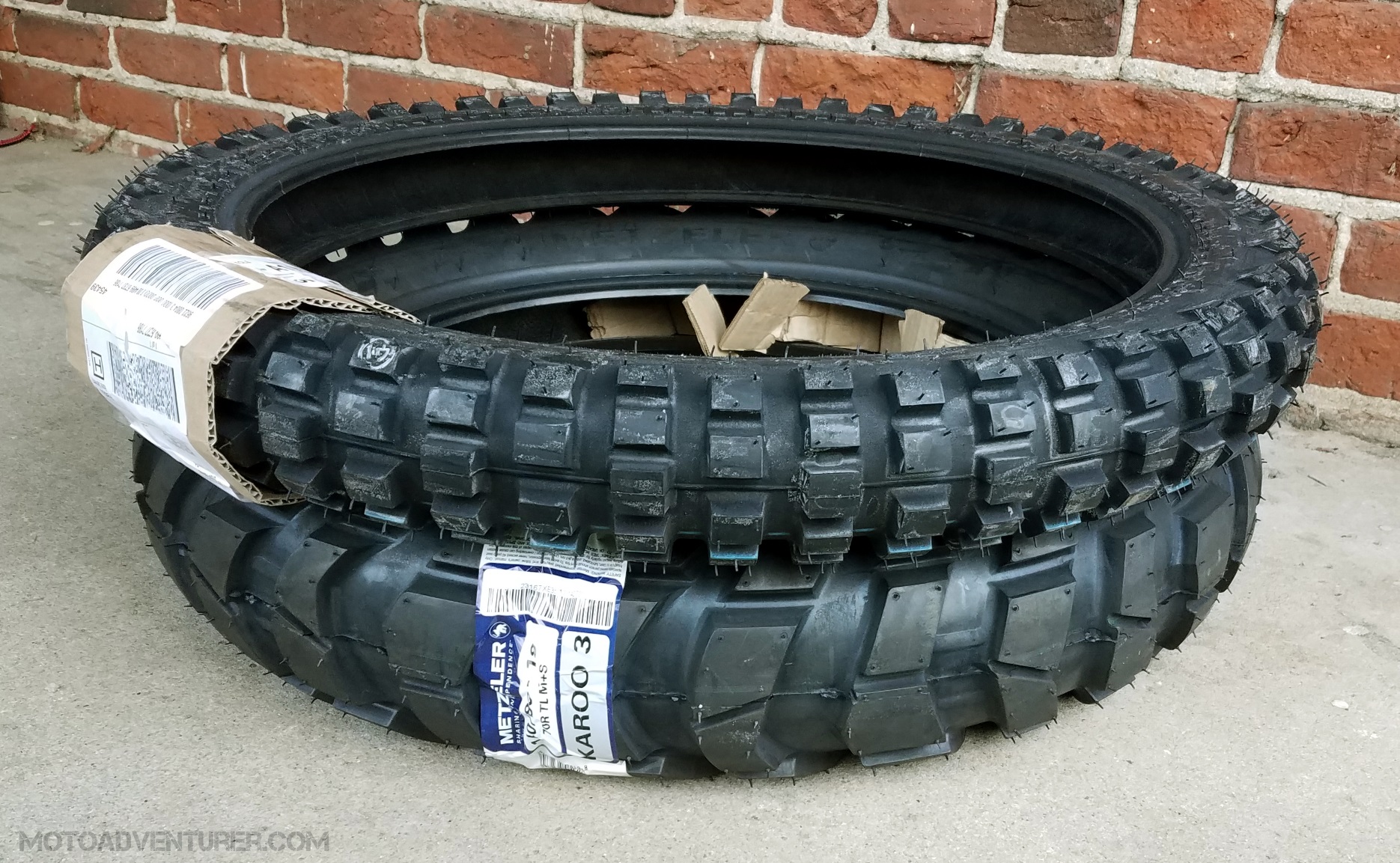
Long-time readers will know that not only do I disagree with this advice, I adamantly oppose it in several circumstances. The Shinko 804 (front) has put more miles on my Scrambler than any other tire, but despite how much I like the matching 805 rear, the Metzeler Karoo 3 (in 130/80-17) lasts just as long, and until recently, was the same price with better rain and off-road manners. After spending time on the new Bridgestone AX41 Adventurecross tires, that front tire has dethroned the 804 as my preferred ADV front, however, while the rear performed amazingly on and off-road, it simply doesn’t last long enough to justify the cost per mile. This of course is my own experience, but without fail, I promise you that you’ll find similar comments about the Dunlop 606 rear paired with the Pirelli MT21 front on endless dual-sport forums. There are undoubtedly circumstances where tires do not pair well together, however, this “myth” is far more pervasive than it deserves.
(3) “When you replace the tire, you should also replace the tube”
What if I just put that tube into that tire yesterday? What if I replace tires every 2,000 miles because they’re soft (DOT) knobbies on the pavement? What if I’ve only raced on this tire once and it sucks?
Solid advice for first-time owners replacing the shagged OEM tires on their new bike. Probably phenomenal advice for folks that replace a set of tires every season or perhaps every three seasons. For folks that are spooning on fresh rubber multiple times a year… maybe. In the scheme of things, tubes and rim strips are cheap. If you’re rocking discount tires like I am but can’t splurge on a fresh tube, perhaps you’re cheaper than I am.
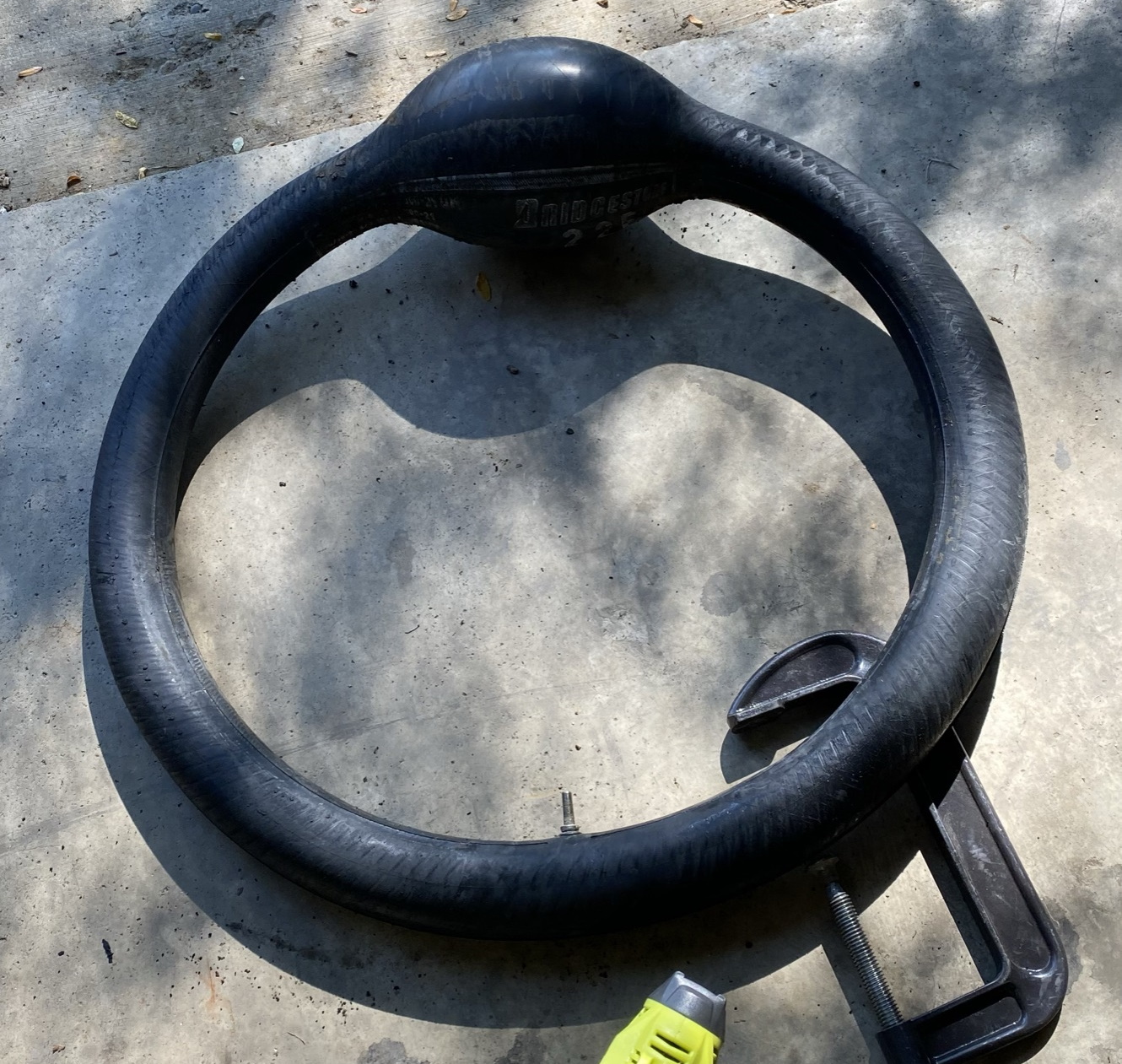
All that said, I re-use tubes with great frequency. On the Scrambler, I probably replace a tube every 8,000 miles or so on the rear; usually about every other tire. At one point, I was swapping a tire (or both) about every 3 months. I saw virtually no scuffing on the tube, so I just put it back in the fresh tire. You’re risking wearing a hole through the side of the tube, stress on the valve stem, dry rot, and probably some other stuff I don’t know about… and yet, I’m still here. Private label tubes are as cheap at $6 at an internet retailer but probably $30 plus if you buy a name brand from your local dealer. It’s cheap insurance, and if you’re dropping $300 plus on fresh new buns, what’s 10% more? If you’re pinching pennies, riding every week, and inspecting the tube after the change, use your noggin and you’ll be fine.
(4) “Never go cheap on tires!”
“…it’s the only thing that connects your bike to the road.” I really… really hate that expression. This is motorcycle speak for “You get what you pay for!” Is that true sometimes? Yes. However, it’s not etched in stone.
Longtime readers will recall my lengthy write-up about ADV tires for the Scrambler. 6-7k is about all I ever expect to see out of a tire considering my hamfisted nature. $200 tire or $80 tire, if it lasts beyond 7,000 miles I’d be shocked; coincidentally, I fully expect to outright HATE that tire by the time it surpasses that mileage. While I think everyone wants something different out of a tire, be it mileage, wet weather confidence, off-road traction, or cornering grip, I think all of us subconsciously recognize “value”.
Value is what I want, per how much I pay. The K60 scout could probably see incredible mileage on my bike, but for the price, I could pay 40% less for the Shinko 805 and get 75% of the mileage. I like the K60, I’d run it again, but considering the range and the performance of the 805, I’d rather buy more tires for less to have the tire manners I prefer. That formula doesn’t work for everyone. Some folks want one tire to last a season, some folks put a premium on (insert metric here), that’s fine, I can’t argue with that. However, “cheap” might mean “affordable”, “the lowest price”, “lesser-known brand” or “shoddy craftsmanship” depending on who you talk to. When it comes to price, “cheap” doesn’t necessarily mean “low value”. Folks need to try tires and see what they think. If they’re “cheap”, even if they don’t like them, they aren’t out much. Also, if you’re keeping your eye on your machine, you’ll notice if anything seems to be “going sideways” as they say.
(5) “Always balance before mounting”
Perhaps with the caveat “on road-legal motorcycles”. Along with said caveat, I might even agree if we’re talking about “road-only” motorcycles. However, these days most tires are incredibly well-balanced from the factory. You may have an unbalanced wheel, but if the wheel is balanced and the weights are still in place, you’d be amazed by what you can get away with. I’ve mounted a fresh set of tires and forgot to balance the tires before turning out the lights in the garage. Later that week I realized the balance mark was nowhere near the valve stem. It occurred to me that I noticed no odd vibrations on the bike while riding to work, including on the highway.
Inversely, back when I was relegated strictly to pavement riding, I frequently knew it was time to replace a front tire because I could feel the wobble caused by tire “scalloping”. For folks that don’t know, scalloping, or “cupping” is uneven wear caused by several possible factors; heavy braking, underinflation, unbalanced tires (wait, what?), suspension issues, and as I’ve discovered recently, seems to be coincidental to running dual-compound tires. In my case, aside from soft suspension, cupping on my Speedmaster was caused by underinflation. Despite being properly balanced at a dealer, the tire became unbalanced over time, and for some, would lead to premature replacement.
Is this a safety issue? I’m sure it is, and if I’m on a sport bike at a race track, or even talking about my (currently) road-only Harley, I intend to balance the tires. However here’s something dual-sport and adventure people have probably noticed; if you’re forced to emergency brake on knobbies or adventure tires… congratulations, your tires are now unbalanced. After a close call with wildlife on the CRF250L, on the trip home I noticed a cyclic vibration in the front wheel. A closer inspection of the (DOT) front tire revealed scalloped knobs. At this stage are you going to re-balance the tire? What if it won’t balance, are you going to replace it? Safety first says… yes, replace it. I, unfortunately, don’t have the wallet for such things… and it’s unquestionably going to happen again when the next dog darts into the road or Turkey tries to assault me. Safety third.
(6) “Don’t air down adventure tires off-road”
“Taco’d” rims, torn valve stems, broken spokes, and pinched tubes. All things I’ve seen… meanwhile, you’ll observe me dropping 10 PSI out of my scrambler tires before I spend any significant in the dirt. I’m an avid podcast listener and follow several reputable riding instructors on social that advocate street pressures off-road. Per all of the nightmares listed above, I get it, and they’re right. Lower pressure in “unskilled” hands can lead to significant “mishaps”. At the same time, aggressive tires and “lower” pressure is cheap talent augmentation. I’d prefer to educate and allow people to choose versus pushing hard and fast rules about riding. Do racers use their entire hand on the clutch lever as they teach at the safety course?
When racing a dirt bike, I run anywhere from 8 to 12 PSI with bead locks and ultra-heavy-duty tubes. While I did design and 3D-print a bead lock for my Scrambler for racing purposes (to run 20PSI and NOT tear a valve stem), most adventure motorcycles cannot accommodate a bead lock because the rear rims are too wide. Manufacturers also assume you’re going to be on the road, and therefore a bead lock would throw off the tire balance. In the end, conventional advice for running street pressure is to avoid flats. This is safe advice… however, even pavement racers reduce air pressure. For folks that don’t know, reducing tire pressure increases the surface area of the “contact patch” with the ground. The tire essentially gets more purchase on the earth, and typically enhances grip. Off-road it also offers the added benefit of making the ride a little softer. Again, this comes at a cost, being the increased risk of a flat tire or worse, a disabled motorcycle. I run 28 PSI front and 36 PSI rear pressure in the 19 and 17-inch hoops of my hipster machine without much trouble. I also leave the valve stem nut loose so I can see if the stem starts “tilting” from hard acceleration or braking. If that happens, I add more air. The 19″ front tire is a bit skiddish in the gravel, so lower air pressure makes things “settle down” a little. Your mileage may vary.
(7) “Winterize your motorcycle”
Welp, Labor Day has come and gone, it’s time to give the bike one last deep clean, plug the exhaust, fog the jugs, attach the battery tender, and pull the cover over the bike. Advice you most certainly won’t find here.
Following the purchase of more dirt-worthy machines, I admit to washing motorcycles way more than I expected or even want to. Finding broke shit, and fear that clay will coalesce into concrete being the main driver of the said cleaning. My own stupidity aside, washing your motorcycle with greater frequency as the mercury starts to drop is good advice. Assuming you prefer chains and fasteners with less ferrous oxide, as it nears January here on the east coast it’s wise to make sure you’ve removed road grime, dust, and especially salt before letting your prized possession sit idle in the garage.
Of course, riding all winter long is absolutely possible, and don’t take my word for it, ask Blaine Paulus Jr. That of course comes at the cost of time, tenacity, and a steady stream of replacement parts. That said, a gummed-up carburetor or throttle body, a rats nest, and spiders setting up a colony under your seat are probably your worst enemy if you aren’t prepared to kickstart the bike every few weeks through the winter. Different strokes for different folks, but after about 2 weeks of no riding, I’m anxious to hear the rumble of the machine. I make no qualms about pushing the bike into the driveway and thumbing the starter. Be aware, however, if you’re starting the engine, but not long enough to run it up to operating temperature, you are potentially doing more harm than good. Make sure you let the bike run long enough to evaporate any condensation that’s set up shop inside your engine cases and capitalize on all that dino-juice lubricating the expensive bits. A fuel stabilizer may still be a good investment if you don’t think you’ll be able to move much gas through the tank over the winter; unless of course, you can get your hands on ethanol-free gas. Those tips and investment in some solid winter kit goes a long way.
As a Millenial that’s fallen in love with carbureted throttle response, a friend of classic car owners, and a frequent motorcycle commuter, I have concerns about how future technology will impact my enjoyment of motorcycles. Considering recent gas prices, much is being published about electric cars, and it’s hard to discuss electric cars without talking about Telsa. In that same breath, it’s hard to talk about Telsa without mentioning “advanced driver aids”, or that a number of said cars that have struck and killed motorcyclists. I obviously love riding my motorcycle and I want to continue riding it to work for as long as possible. Unfortunately, my pessimistic imagination can’t help asking, “will motorcycles be permitted in the commute of the future?”
The Fear of Self-Driving Automobiles
I’ve had a few debates about the future of self-driving cars with my buddy Flynch. He’s pointed out, when considering the small population of motorcyclists on the roadways, there’s a reasonable threat that law-makers will ban motorcycles from primary, if not all public roadways in the interest of “progress”.
I can’t help but hear Jeff Goldblum’s famous line from Jurassic Park, “Your scientists were so preoccupied with whether or not they could that they didn’t stop to think if they should.”
Technology has now progressed so far that machines can realistically navigate along roadways without human input. This of course isn’t news to anyone. However, for non-riders, there may be some ignorance of the fact that said machines seem to have trouble identifying pedestrians and motorcyclists.
Solutions to protecting pedestrians seem pretty easy; GPS geofencing that disables self-driving features, pedestrian traffic controls, and other things are likely to keep pedestrians from entering the roadway. Pedestrians are obviously more common in urban areas, places with significant stop-and-go traffic, which isn’t necessarily the most ideal place to utilize “driver-aids” for mundane commuting. Interstate highways however seem to be the first, most logical place for self-driving adoption. On the freeway, traffic is typically moving in the same direction and pedestrians are typically banned. Unfortunately, the real challenge for motorcycles is that they’re intended to operate equally to automobiles, and even expected to behave the same way.
One Size Fits Cars
While the Bureau of Motor Vehicles sees motorcycles (nearly) identical to cars, I strongly disagree. Aside from the fact that motorcycles are predominantly used for recreation (while permitted on public roadways), traffic controls, road design, and even traffic laws don’t seem to fit motorcycles as clearly as they fit cars. This point becomes abundantly clear if you’ve ever sat a light for ten minutes that never changed since your motorcycle lacks sufficient metal to trigger the electromagnetic sensor.
I’ve been commuting across the downtown Dayton construction zone via motorcycle for over a decade now. Gridlock, combined with the jersey barrier re-routing and lane shifting has led to the evolution of all kinds of survival habits. Considering they’re sized for cars and knowing I’m otherwise invisible, I constantly shift position in the lane to make sure my headlight is shining into the driver’s side mirrors; praying the driver looks before they change lanes. I also tend to exceed the average traffic speed, in the hopes that I’m not rear-ended by an inattentive driver.
Beyond “dead red” lights and endless construction, there’s no doubt that the minuscule motorcyclist population has led to ignorance of the distinct differences between cars and motorcycles throughout the commuting experience. Motorcycles are banned from filtering at red lights in most states. Parking spaces are designed for cars, but excess or oddly shaped space is marked with lines and a “no parking” sign despite room for multiple motorcycles. Car drivers will be ticketed for not wearing a seatbelt while motorcyclists chuckle at the irony.
Is There a Difference Between Inattentive and Disengaged?
Riding across the city on a taller motorcycle has given me a front row to some of the silliest human behavior. We all know the scene: a car wandering left and right about the lane, perhaps with the occasional harsh correction. This fool is looking at their phone right? Oh, wait, no, they’re looking directly at their passenger while talking to them. I’ve seen women applying mascara with a miror, dudes eating a bowl of cereal… you name it. For the frequency I see someone texting on their phone about to run off the road, I also see drivers dart across three lanes of traffic to avoid missing their exit… because they were so distracted by their passengers.
I’m in absolute awe of how little attention some humans place on watching the road. The regularity with which they’re not playing with a phone is more disturbing because if they weren’t looking at the road, their erratic driving would make more sense. This situation makes me question why they’re distracted in the first place. It’s popular to say “because cell phones!” I however have great suspicion modern technology is the symptom, not the disease.
Sanitizing the Driving Experience
In the purchase of my carbureted Harley, I discovered the distinct “smell” of a bygone era. That familiar scent is immediately obvious when my buddy rolls up in his ’69 Mustang: refined petroleum products. Said Mustang is a wonderful example of everything that’s changed about the driving experience in the last fifty years. Automatic transmissions, fuel injection, power steering, noise damping, air conditioning, exhaust muffling, emissions reduction, satellite radio, blind spot detection, reverse cameras, and lane assist technology to name a few. Modern passenger vehicles have all these things, and yet I find myself asking, “is this better?”
Safer? Absolutely. More comfortable? Sure. But “better”? At the end of the day, modern cars do what they did 70 years ago; they drive you to work, to the grocery, and back home. Cars are now so good at these activities, I’ve seen drivers video chat and drive. If I told a motorcyclist to “facetime” while riding to work, most would tell me to get real. Why? Probably because they need a brake or clutch hand to hold their phone. If nothing else they realize they need to scan the road to avoid a crash. Don’t drivers need the same? Well, not exactly. Most modern cars do the shifting, and undoubtedly drivers “feel safer” inside the crash cage. There’s also this dirty secret I don’t hear people talk about: drivers are flat-out bored.
While not exclusive, much of my passion for riding motorcycles stems from the inability to think about anything else while doing it. Hustling down a curvy road, or leaning between the trees on a gorgeous stretch of single track, I’m singularly focused on riding as fast and smooth as possible. Have you ever felt like that in a car? I have, and it was disturbingly illegal. That’s actually why I purchased the before-mentioned Harley-Davidson; I don’t need to go anywhere near as fast to feel just as mentally engaged. In the modern car, the left side of your body is essentially useless. It’s safer and more comfortable, sure, but I argue it’s invited unintended consequences.
Technology Changes but the Laws Remain the Same
I’m just old enough to remember when the speed limit everywhere was 55 miles per hour. Not long after that was changed, the speed limit for trucks was slower than that for cars. Recently, I’ve been shocked to see 70 MPH speed limit signs showing up on freeways outside the city. As far as government evolution goes, that’s about all I can think of. I continue to be astounded by the amount of time I spend idling at red lights with no cross traffic to be found. “Smart lights” exist, and yet the traffic patterns remain terrible. Automakers have adapted emissions restrictions by turning off the engine at these lights. Ironically, the government that caused the idling, refuses to adapt technology, be it improved sensors or old-school roundabouts. Furthermore, while speed limits have been marginally increased in my lifetime, they remain mostly static, in all conditions, while modern cars exceed them at rates like never before in isolated quiet and serenity.
Auto-Pilot Engaged
Last year my commute was extended by another ten miles or so. With this increased “observation” time, I’ve noticed numerous distracted drivers that can’t maintain their speed. Stereotypically, they speed up as I try to pass. I can’t help but laugh as they’re quite obviously not interested in the driving experience, and yet insist on being “in control”. I say, “in control” because they can’t be troubled to engage the cruise control; they’re still using the analog pedals.
I would actually suggest that the above situation is an ideal case for self-driving cars. Folks with longer commutes could be handling work e-mails, recording a podcast, or doing some other productive activity while the machine maintains the lane and speed. The activity of commuting is now so mundane, that it feels of no consequence to answer a text or surf Tiktock apparently. Why not embrace it?
From the motorcyclist’s perspective, I’m actually more inclined to welcome the machines driving if the human can’t be bothered with watching the road. Unless it’s a Microsoft operating system, I expect the auto-pilot to be slightly more predictable than the human. I admit I’m concerned about being squished at a traffic stop or by a half-hazard robotic lane change. Unfortunately, there’s no guarantee that a human wouldn’t do the same.
It’s Not the Distraction, It’s the Lack of Stimulation
Look, I get it; trying to convince people to be uncomfortable is an impossible task. As much as my Luddite worldview says “make stick shifts great again”, that ship has sailed. Americans have already tasted the forbidden fruit.
We could eliminate cell phones, install governors, mandate techno-nannies, and all kinds of things in an attempt to remove distractions from inside the vehicle, but we’re never going to eliminate passengers or flat-out daydreaming from the driving experience. Moreover, without removing comfort and modern convenience, unless experienced first-hand, it’s more difficult than ever to re-insert any sense of danger back into the driver’s seat.
With that in mind, can we make the roadways “smarter” and more engaging, while maintaining safety? At the same time, how do we maintain a world where “classic” owners can still commute with their antiquated machines? What do you think, will technology advance, or will self-driving applications be limited to “hyper-lanes”?
I got a text from a buddy a few weeks ago: “so… 2-stroke or 4-stroke?”
My short reply: “two-stroke for off-road-only riding; four-stroke if there’s pavement involved.”
Afterward, the conversation evolved into a much deeper philosophical discussion about the right bike for the right job for the right person.
The genesis behind my buddy’s question was suspicion that I prefer two-strokes for dirt riding, coupled with the knowledge that I recently sold my Husky two-stroke and kept my 350 four-stroke. His confusion was well-founded, considering my recent commentary about the KTM 350, along with my public praise of modern enduro two-strokes.
I want to talk about why I sold my Husky, but first I want to offer a few words about two-strokes versus four. I recognize this topic has been covered ad nauseam. Yet, the question lingers. With few exceptions, I find most content on this topic compares smokers against strokers in motocross. While that’s relevant, it plays to the strengths of modern four-strokes. Inversely, if we’re talking about hard enduro, 4-bangers are the minority of the population. If you’re new to dirt bikes, or just debating your next off-road motorcycle, I’ll try to offer a differing perspective, especially regarding recreational riding or cross-country racing here on the east coast.
Two Stroke
Advantages
Stall resistance
Explosive power
Runs cooler
More agile (less reciprocating mass)
Disadvantages
Vibration
More wheelspin
Less stable at high speed
Narrower power band
Subjective Traits
Simplified maintenance
Little to no engine braking
Limited range (premix)
Typically carbureted
Four Stroke
Advantages
Wide tractable power band
Highspeed stability
Less vibration
Longer range (fuel efficiency, no pre-mixing)
Disadvantages
Stalling/flameouts (high compression)
More involved maintenance
More overheating risk
“Feels” heavier at low speeds
Subjective Traits
Fuel-injection
Engine braking
Emissions
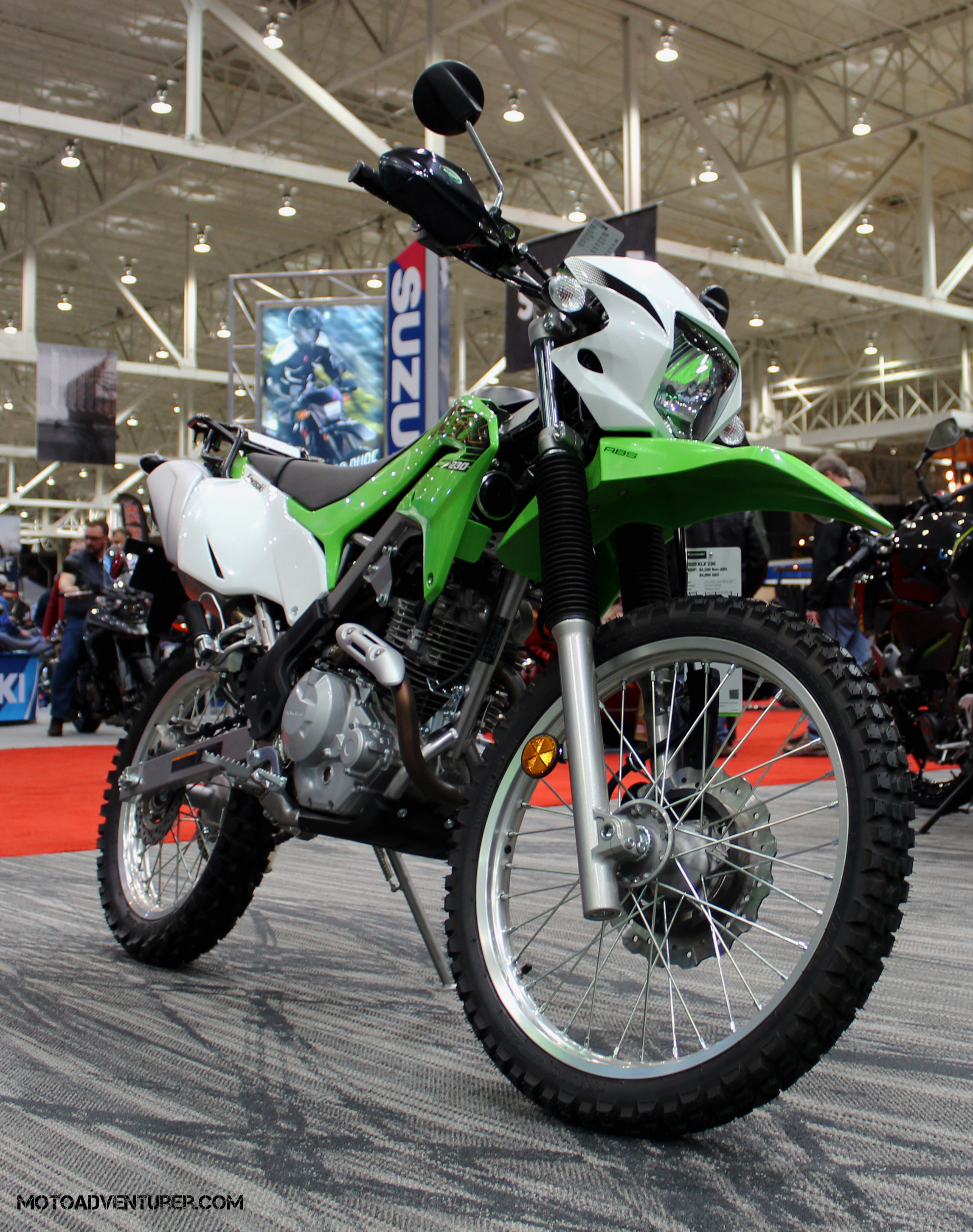
Before delving into the details, I need to offer context to the discussion. In this case, I’m debating modern, high-performance off-road machines. There are docile four-stroke off-road motorcycles on the market like the KLX230R and the CRF250f. Those bikes are trail bikes with “de-tuned” engines, supple, limited, suspension, extra heft, and very affordable price tags. At this stage, there are very few two-stroke “trail bikes” on the market; motorcycles like the KDX200 really don’t exist anymore (on dealer floors). By and large, most off-road motorcycles are developed for racing applications but have been purchased by leisure riders, but that’s a story for a different day.
In 2021 I raced my Husqvarna TE250 two-stroke and my KTM 350 XCf-w four-stroke bikes in Ohio, Indiana, and Kentucky. My takeaway from these experiences has been that two strokes excel in tight singletrack, large obstacles when the pace is slower, and resist overheating in severe conditions. Inversely, the four-stroke shines in the mud, on hill climbs, and prolonged periods at constant RPMs, like connecting trails with paved roads.
Per the bulleted list above, with fewer reciprocating parts, the two-stroke “dips” between the trees with less effort. That makes “steering with your feet” easier and coupled with low compression “stall resistance”, tight single-track trails and low-speed obstacles are nowhere nearly as taxing. KTM’s 350 four-banger balances big bore toque with quarter-liter liveliness; which makes it a formidable weapon in the woods. At the same time, there’s nothing worse than flubbing a clutch pull, and having an engine flame-out (stall) just as you’re cresting a big log.
For folks that don’t already know, the two-stroke has a “power stroke” every time the piston gets back to the top of the stroke, which means a two-stroke (as the name would suggest) puts power to the ground “twice as often” as a four-stroke. This characteristic is what makes the two-stroke power band so narrow, feel “peaky”, and tends to invite excessive wheelspin in novice hands. The four-stroke powerband is wider, making it more predictable, but requires more displacement to make equal horsepower to a two-stroke.
When the Kentucky clay is getting showered by spring storms, poor form on a two-stroke feels like wrestling a greased pig up the bluegrass foothills. The two-stroke is much happier to “tip” left and right as you desperately clutch your way up the sloppy hillside as the rear wheel spins up. All those rotating parts in the modern 4-stroke create more centrifugal force that makes the bike stand up proud as it accelerates. “Tipping resistance” combined with that wider powerband can make those sloppy hill climbs a less eventful experience.
Countless articles dedicated to dirtbike maintenance are readily available on the interwebs. Despite this, I feel like many still believe that two-strokes require more maintenance than a four-stroke engine. I retort, “by what metric?” Checks per hour, dollars per service, or number of consumable parts? Two-strokes have fewer moving parts and fewer consumables (shims, oil filters, cam cover gaskets). Both two-strokes and four strokes need pistons replaced, albeit, by the pre-scribed frequency, the two-stroke more often. However, without valves, the two-stroke piston swap is easier. Four-stroke engines have valve trains and engine “timing” one must be cognizant about when removing engine innards. Two-strokes do consume oil with each tank of gas but need transmission oil changed less frequently as a result. Most modern 4-stroke owner manuals prescribe oil changes every 15 engine hours and valve checks or adjustments every 30. The smoker manual says to change the transmission oil every 30 hours and ride. Two-stroke expansion pipes (headers) take a lot of abuse, but a two-stroke full exhaust system is almost half of a comparable four-stroke system. Needless to say, if either bike is well maintained and ridden for leisure, the cost of ownership is likely equal. That said, in the event of a major engine overhaul by a professional mechanic, the two-stroke will save you a few bills.
After having to bypass the thermostat on my 350 to get the fan running again during the 24-hour race this year, I want to point out the difference in heat management between the two engines. Both of my bikes are fitted with dual-radiators, but only the four-stroke has a stock fan. Despite the same intended use, the two-stroke didn’t come with a fan because they tend to run cooler. They will overheat, but it doesn’t take much movement to get them cooled off. The two-stroke is so much cooler that you can nearly touch the expansion pipe just after shutting the engine off. Inversely, the header pipe on my high-compression 350 is scalding within seconds of firing it up. This in itself isn’t a problem or necessarily an advantage to either machine, but it does make the 4-stroke more complicated and can be a liability if you’re riding a 4-stroke slow in harsh conditions or find yourself a long way from tools or spare parts.
Where and how you like to ride has a massive impact on “the best” bike for you. Do you like riding tracks and jumps? Do you ride “flowing” single track? Do you go to OHV parts and designated trails? Do you ride dry or muddy trails? Do you like riding through rock fields and crossing endless logs and ledges?
For me, I like slow difficult terrain and my local riding options are limited. The Dayton off-road terrain predominantly means riding wet clay, rocky creek beds, and over endless ash trees that have fallen over the years. I like soft suspension, explosive power for log jumping, and an engine that resists stalling and overheating. I don’t have kids, so I tend to ride more than the average motorcyclist in my demographic. I’m a cheapskate so I don’t like paying people to work on my bikes, meanwhile, I would rather ride than wrench, so less frequent “in-depth” maintenance is “better” from my perspective. I’m much more willing to sacrifice performance for maintenance simplicity than more casual riders.
Inversely, folks that spend time on more open trails, and prefer riding fast, maintained tracks with fewer obstacles may lean toward the four-stroke. Newer off-road riders would likely benefit from the more even, tractable power delivery of the four-stroke, which makes the bike feel more “planted” in slick conditions. It’s also important to note that most modern dirt bike manuals are written for race applications. Folks that casually trail ride their modern four-stroke bikes will find they don’t need to replace engine wear parts as frequently. If they keep air filters clean and avoid dusty conditions they’ll likely find their valves need less attention. A Four-stroke also has the benefit of being able to fill up at a local gas station (though it likely requires premium). Many modern two-strokes do have “oil injection”, but carburetors and “pre-mix” still rule the day with many two-stroke bikes. Having to carry pre-mix oil can be a pain, and many two-strokes don’t have the range of modern 4-stroke enduro bikes (my 350 can go 90 miles on the stock tank). Many 4-stroke dirt bikes are sold in street legal trims today. Plating a two-stroke is possible, but engine vibrations, logistics, and fussing with government agencies can make “dual-sport” riding a two-stroke more taxing.
So why did I sell my two-stroke?
In the summer of 2020 I bought my Husky from a friend. I spent the first winter in my new garage doing a “top-end” rebuild on it; a fresh piston and cleaned up the power valve, etc. Nothing indicated decreased performance, I just knew it had a lot of hours on it, it was cheap, and “something for me to do” during a tumultuous time at home. I bought a different set of front forks, had the shock serviced, replaced the linage “triangle”, and a host of other things in the two years I owned it. I raced the Husky for 2 seasons in Kentucky, and despite all the work I put into it, I continued to be disappointed with the suspension. The bike does not make the rider, however, I know “stiff” suspension when I feel it. Considering the time and cash I’d put into it, I was approaching the point I didn’t want to sink more money into having the suspension re-valved.
“That’s silly, it’s not that much money!” you say? You’re correct, it’s not. However, when you have a KTM 350 XCf-w parked right next to your two-stroke, and absolutely love that suspension, it seems like a silly expense. I had two dirt bikes, and the 350 made (almost) everything effortless, so I put the Husky on marketplace, and it disappeared in days. The 350 engine sounds like a bag of hammers, and despite being “tuned” to resist stalling at low speeds, it does flame out from time to time, which is irritating. However, all said and done, I’m still happy with my choice. Selling the Husky meant bringing home a proper Dual Sport, and long term I’m likely to look at replacing the 350 with something more like a YZ250X or 300 enduro. Per my previous comments, I prefer the way two-strokes make power off-road, effortlessly dart between the trees, and overall simplicity. The 350 is a killer dirt bike; for a four-stroke, it does a tremendous job in the grinding, gnarly slow stuff, so it’s a great bike for almost anyone and will certainly hang around for a while longer. Your Mileage May Vary.
When folks ask me how I got into motorcycles, the answer is some variation of: “After watching a movie with a sweet motorcycle, I used $4 a gallon gas to justify buying a scooter.”
For whatever it’s worth, the movie was Tron: Legacy, but the scooter was a Tomos Nitro 150 (SYM GY6 clone). I kept $4 in quarters in a Ziploc bag under the seat which was enough to ride about 85 miles on a tank. I rode that scooter to work every day possible as I desperately milked the last bit of life out of my “college car”. Needless to say, I’ve evolved from urban scooter life (for now), but there’s no denying that the money-saving motivation is still alive and well.
The reminiscence of my scooter days was caused by the sudden appearance of the dreaded “R-word” in the latest news headlines. As everyone that’s reading this already knows, the current financial climate is making many of us question our spending decisions. Considering the rumors of imminent economic contraction, I can’t help debating the stereotypical behaviors of the motorcycle community coupled with the business strategies of the larger franchises. Even in good conditions, I can’t help asking myself, “what’s a motorcycle really worth?”
More specifically, I had a recent back in forth with my buddy Ted (Host of the Motorcycle Men Podcast). I took the Pan America for a test ride a few weeks back and I really like it; so much so, I would say it’s in hot competition with the Africa Twin and the V85TT as my number one pick for a (new) sport touring motorcycle. That said, at $17,400 for the base model, there’s some pretty stiff competition in the 1000cc+ adventure touring class. Considering Honda’s base model Africa Twin retails for $14,500, what are you getting from Harley-Davidson for the extra three grand?
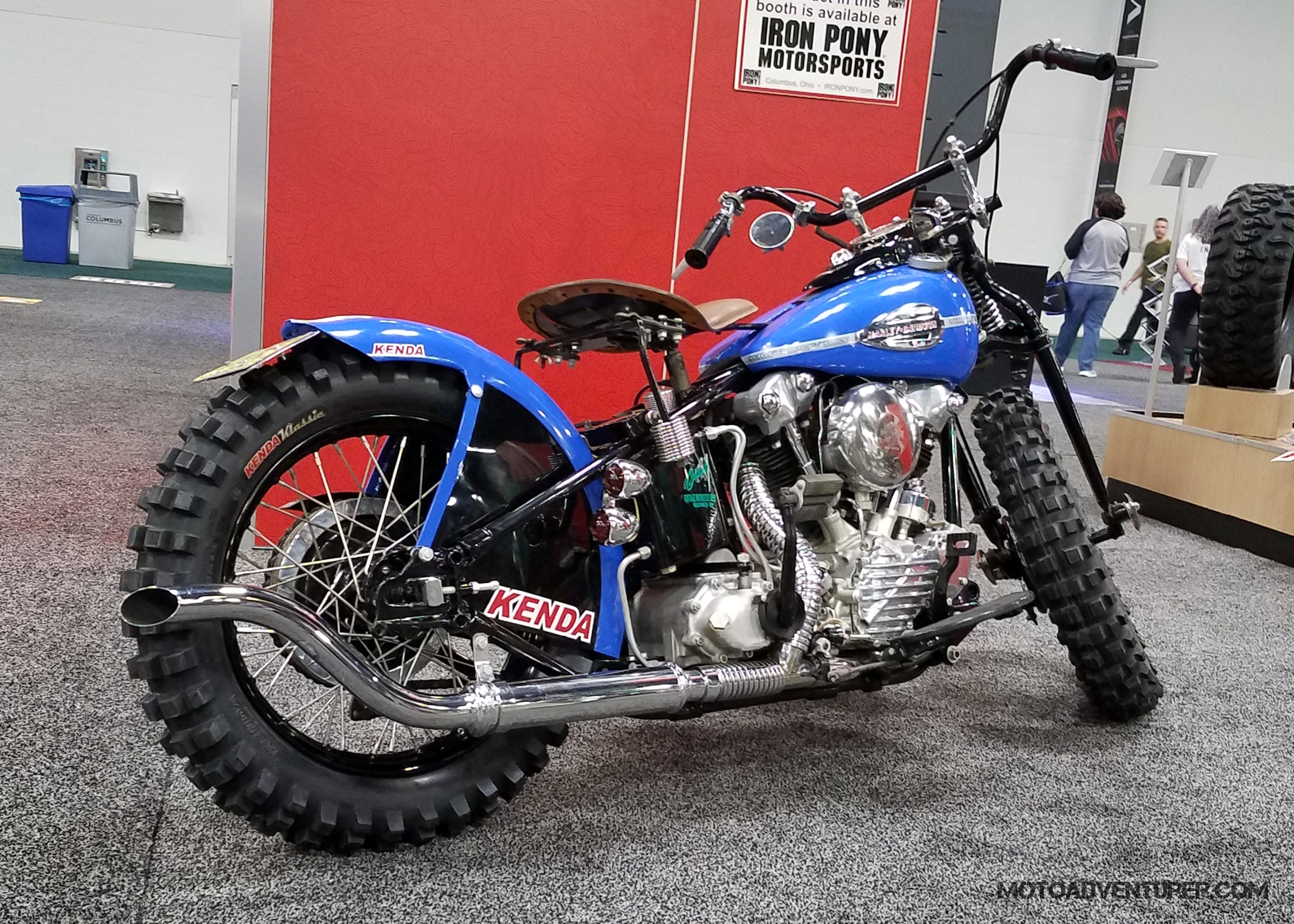
This same question can be applied to a number of “premium” motorcycle brands and models. I’d like to extend this idea a little bit further; I can understand someone suggesting that comparing a Harley-Davidson cruiser to a Japanese sport bike is unfair because the buyers likely have two very different metrics that influence choice. So for argument’s sake, let’s take a closer look at the “adventure touring segment”. While there’s no question that American motorcycle buyers simply “like what they like”, so they buy a motorcycle that strikes their fancy. An honest assessment of the stereotypical American motorcyclist will likely reveal they most riders are casual commuters and social creatures. I often call motorcycles “pontoon boats with wheels”, as most owners ride from one place to another for food, drink, and comradery. We can argue until the cows come home about the intended use case for a given “class” of motorcycle and what customer it fits, but the cold hard truth is that virtually any motorcycle for sale today is capable of doing what 90% of American riders choose to do with their bikes.
Under that premise, and even debating motorcycles among the ADV touring category, I can’t help asking, how would one treat a new Kawasaki Versys 650 any differently than the target customer for the Pan America? Considering the price of current heavyweight ADV bikes, you could feasibly purchase two brand new motorcycles for the same price; i.e. a Tenere 700 and a Himalayan, a Versys 650 and a KLR, and the list goes on.
As I’ve said elsewhere, I get it, there’s no metric for taste. We can talk about horsepower differences, comfort on the highway, and all kinds of subjective wants and needs that dictate the rationalized decisions of discretionary spending. We can argue about annual long-distance vacations versus daily commuting and all sorts of nuanced differences that drive the need for more displacement and factory farkles. So beyond horsepower and displacement, I’d be remiss to not point out the price creep and the coincidence of electronic doodads.
In my mind, the Tenere 700 was a cold bucket of water on the ADV marketing folks, considering it arrived as the “no-frills” ADV machine in a world more and more dominated by throttle by wire, rider modes, and a host of other electronic “rider aides”. Old school LCD dash, cable throttle, ABS, but no cruise control or other electronic assistance, all for the low, low price of $10,300. Meanwhile, Triumph offers their off-road-oriented Tiger 900 Rally for $15,400, fitted with TFT display, ABS, traction control, rider modes, and of course, cruise control. For 50 Benjamin’s, the British are offering you an extra 200cc, slipper clutch, 22 horsepower, and an electronics suite. You get more features for more money on the Triumph, hell, you even get an extra cylinder on the Tiger. That said, how much does the riding experience change from the Tenere to the Tiger?
Mark Gardiner likes to use the metric “smiles per mile”. I love that metric, considering how I endlessly debate about motorcycles. Being the budget-conscious rider, “miles per dollar” for tires, and “smiles per dollar” for motorcycles is definitely the metric of choice for the frugal motorcyclist. I admit and acknowledge that a motorcycle purchase is primarily emotionally motivated; people like what they like. If it’s possible to set that aside, if you think about the riding experience from an objective perspective, how much does a TFT display impact the practical use of a motorcycle? How much “better” does the motorcycle “feel” in sport mode versus “normal” mode? Is 1 horsepower worth $100?
There are no wrong answers here. I don’t begrudge anyone for their financial success or purchase of premium goods, more power to you. I don’t judge people for borrowing money to have the motorcycle of their dreams before their health precludes such a life experience. Simultaneously, as the threat of constricting budgets encroaches on the dinner table, I question the direction of the motorcycle market as it relates to cost and technology. More “stuff” is currently associated with more money. For the last decade, money has been “cheap” (i.e. low-interest financing), but there are threats to that business plan on the horizon. Considering the discretionary nature of motorcycle purchases, I expect that more and more buyers will take a closer look at “what am I getting for my money?” If you’re riding your motorcycle exactly how you like to ride it, on your absolutely favorite road or trail, how much time is actually spent looking at that TFT dash?
My history is a little fuzzy, but I believe the café racer craze emerged as a result of “recession budgets” and a surplus of 80’s era motorcycles. As our economic future comes into question, I suggest we as motorcyclists assess the value of our current market offerings, and how they will impact the growth of our sport. When times are tough, is a more affordable machine 90% as fun as a premium alternative? Will the techno-wiz-bangery become difficult to maintain when I don’t have the cash to pay a dealer? How much are rider aides worth, and do they make the riding experience more valuable?
Over the years that I’ve been riding motorcycles, the topic of segmentation and polarity comes up frequently in conversation. Cruiser people versus sportbike people versus commuters; greybeards and teenage fools… The longer I ride, despite the discussion about tribalism, I find common personality archetypes in every circle. Folks may not get your flavor of motorcycling, but that’s because you enjoy very different things about the hobby. I did a podcast about “Taste” a while back, and your personality archetype is an extension of your taste. Do you know any of these people? Which one of these is you?
Warning: Satire, exaggeration, and a dose of painful truth lie beyond this point.
The Adrenaline Junky
Some people call this person reckless, inconsiderate, or squirrelly kid (SQUID), but even if you haven’t met this person, you’ve seen them around. Pro stunt riders on manufacturer Instagram videos, a bike splitting lanes at eighty miles an hour, or that friend of yours that lives to grind down pegs. These folks are interested in going fast, taking risks, or in other ways using the bike to “feel alive”. Like all of these archetypes, these people come in all shapes, sizes, and levels of intensity; the speed demon in your life may be completely collected in town but a hooligan on the backroads, or hoon around on the sidewalk with their supermoto. Broken bones aren’t a requirement, but battle scars are common sight. Experiences vary…
The Utilitarian
There’s nothing worse than paying for something you don’t need or can make yourself. Watch-words of the utilitarian. Vegans of the motorcycle community, it’s virtually guaranteed this archetype buys strictly used bikes. Motorcycles, which in all likelihood, are wearing as many zip ties as they are factory graphics, badges or logos. The Utilitarian may love motorcycles for the experience, but half the enjoyment is absolutely about living on the cheap. Milkcrate luggage, used snowmobile gear, and a premium member on Alibaba, the utilitarian knows how to rub two pennies together better than an extreme couponer at Aldi. The utilitarian unquestionably knows how to perform all routine maintenance tasks on their bike, including valve adjustments and tire changes, but some of these personalities may struggle to maintain a “reliable” motorcycle for the duration of a group ride. When you’re trying to save a few bucks, the Utilitarian buddy is priceless in a jam. Unfortunately, a Utilitarian without self-awareness may dampen the spirit of “fun” in a group setting with their preoccupation with “budget sense”.
The Commuter
Tall mirrors, drink holder, and likely a continuously variable transmission, the commuter is easily spotted; typically because it’s pissing down rain and they’re wearing that florescent yellow rain suit. Often confused with the Utilitarian, the commuter knows how to sip the gas and avoid the most stoplights to get across the city. Despite the effort required to combat the weather, the commuter is a model of efficiency, every feature of the motorcycle tuned for maximum comfort and ease of use; one-piece riding suit, dual-pane visor, and yet no wrinkles to be found in their work clothes. They seldom speak of long motorcycle trips, typically a rare sight on a long group ride, but their odometer speaks for itself.
The Trophy Collector
Milwaukee orange, Italian red, or perhaps Bavarian white, black and blue, you’ve unquestionably seen the trophy collector parked in front of the coffee shop or curbside at bike night. The guy who just bought the “Panigale, CVO, or “M-series”, no expense has been spared in the pursuit of “the best motorcycle”. It may have been the recent promotion, divorce, or retirement, the Trophy Collector has “spiked the football” with purchase of a top-shelf motorcycle and all too often they’re prepared to tell you all about it. In its extreme form, this person is the most irritating “Harley Bro”, snobbish aristocrat, or self-absorbed d-bag that trying to advertise their superior status to the masses with the shiniest bike at every social occasion. Meanwhile, its most innocent is the retiree that humbly rides their celebratory purchase to cars and coffee, and afterward parks the bike at end of the driveway to sparkle in the afternoon sun, reflecting on life’s accomplishments in solitude. From bougie prick out to convince you they’re above your station, to content introvert, the motorcycle is the greatest status symbol; be it for good or evil.
The Socialite
Helmet off at every stop or a cold beer at every gas station, this person seldom skips a gathering of motorcyclists. For the socialite, riding motorcycles is fun, but it’s really about the people. While very common among the cruiser community, where poker-runs and other “bar to bar” events are more popular, this archetype exists in every circle. Riding beyond a hundred miles may be a challenge, unless there’s a glass of wine or an ice cream sundae at the end of the rainbow; riding is great, but the motorcycle is a vehicle to mix it up with the people, not for transportation or leisure. While several of the other archetypes may overlap to some degree, the socialite is both the most common personality you’ll encounter in most circles, but this archetype is often combined with several of the others on this list. This person may be the proud owner of a lonely motorcycle, or the curator of a garage full of classics, but you won’t have to guess, they rub elbows with enough people you’ll hear their name eventually.
The Rebel
Ear-splitting exhaust, obnoxious stereo and (insert “look at me I’m different” motorcycle trope here). Love it or hate it, motorcycles are associated with counter-culture. There are endless jokes (and articles like this one) about “posers” buying corporate products in the interest of rebelling against the system (like buying the most popular selling motorcycle brand in the country). It’s hilarious to think, entire companies have a business plan centered around making you look like an “individual”. As motorcyclists we laugh and poke at the irony… whilst we make up something around 3% of the population on the roadways. As cliché as it may be, this person exists. You may know this person, or you may have just observed this archetype in traffic. They don’t want to “conform to social norms” and for whatever reason, have chosen the motorcycle as the ideal transportation medium. Some of these folks literally don’t fit into society and don’t want to… others are just adult role-playing as the “bad boy”. Reasons, seriousness, and legitimacy aside, this list wouldn’t be complete without our cultural rebels.
The Museum Curator
At some point, you make an acquaintance that mentioned a different motorcycle in each interaction. At first, you think suspect this is the trophy collector, but you soon realize this person doesn’t see motorcycles as a status symbol, their garage is more like a museum. This person may be the rider that never sells a motorcycle they’ve bought. They might buy “basket case” bikes like puzzles and slowly piece them together over many years. They could be the person that goes from one segment of riding to another but always keeps the last bike. They may also be the vintage motorcycle collector or just a moto-hoarder. While you may question their financial decisions, you’re happy to have them around considering they likely know a few things about a bike you’re looking at buying; if nothing else, they have a rad garage to host a party. The curator recognizes something special in each machine, they may even have names for each of their motorcycles. Each piece of the collection likely has a story, a story they’ll happily tell when the appropriate time arrives. For the curator, experiencing each machine is important, but also “saving” them, “protecting” them, appreciating their uniqueness, and recognizing their emotional value (if not straight anthropomorphism).
The Mechanic
Photo by Bill DeVore
At first glance, this person might easily be confused for the curator or just a hoarder; you’ll soon recognize the mechanic as the tools are scattered about the motorcycle lifts, along with the baskets of parts. The garage may be trashed, but the valves are lapped, and the tires on that forty-year-old classic have fresh “whiskers”. Unlike the socialite, motorcycles aren’t about meeting the people, their favorite pastime is “getting intimate with your motorcycle.” Some mechanics have evolved out of necessity; a consequence of abusing machines or unbridled passion for piling miles on the odometer. In either case, wrenching on machines provides as much joy to the mechanic as using said machines for their intended purpose. As a new motorcyclist, befriending this person is infinitely valuable, as they have knowledge to share and all the correct tools to keep you from learning hard lessons thanks to Harbor Freight. One thing’s for sure though, you better return that expensive tool you borrowed.
The Artist
While beauty may be in the eye of the beholder, the artist is pretty easy to spot; custom paint, vinyl graphics, or handmade details are dead giveaways that you’re in the presence of an artist. The artist starts looking for basketcase bikes on the cheap when the temperatures start to dip in fall. They’ve spent the winter in the garage tinkering, grinding, painting, and polishing, and come spring (or the following springs…) the butterfly emerges from the shed. They show up to a few bike nights, maybe a show, and the next thing you know, you spot the bike on marketplace. For the artist, it’s not about riding or even having the bike, it’s about building it. To the artist, the joy of motorcycles is about taking a blank canvas, if only in their imagination, and converting it into something tangible… and when it’s over, setting it free for someone else to appreciate; all in pursuit of the next project. Many people know a custom builder in their circle that fits this profile, but there’s also a more benign sub-species. If you maintain any sphere of motorcycle friends, you have a friend that tends to cycle through bikes with regularity. Every couple of years, new bikes are moving in and out of the stable. This person buys a bike, then talks about future plans with their buddies. Shortly after, they throw a pile of parts at the bike to make it “just the way they want it.” Once complete, they ride it for a little while, and within a year or so it’s moved on to another owner and a “fresh” replacement has taken up its stead. While not solely focused on “creativity” and “art” like the conventional bike builder, this breed of artist is interested in fitting a “newer” motorcycle just to one person’s liking and once complete, they can’t seem to avoid their drifting heart as it lusts after another. Of course, not to be confused with another closely related subspecies…
FOMO Bro
The Fear Of Missing Out Motorcycle Bro seems to have a new bike virtually every time you see them. This archetype often has the “latest and greatest”, not unlike the Trophy collector, but it’s not about having a “better” bike than the rest of the crew, it’s actually about “experiencing” everything the motorcycle market has to offer. Experience isn’t limited to new motorcycles, there’s also a variety of FOMO bro that’s a savage Craigslist shark. “Horse trading” bikes on the regular, this rider knows more about titles, transferring plates, and the inner workings of the local BMV than any dealership, and most BMV employees for that matter. Similar to the mechanic, FOMO bro is actually a very useful acquaintance to make, assuming you’re capable of resisting the urge to “Keep up with the Joneses”. If you’re thinking about the purchase of a new motorcycle, wait around long enough and FOMO bro is likely to bring one home; if you’re close enough, they may even lend you the keys for a test ride. That’ll save you the headache from hassling with a dealer, and maybe even extend the saddle time to help prevent you from making a horrible financial decision… or making one, depending on how the ride goes.
The Racer
“Want to meet up sometime for a few twisty backroads?” “I don’t ride on the street; I only do track days” “There’s a dual-sport ride Sunday, you wanna go?” “Yeah… I don’t do pavement” Sound familiar? If you’ve been riding long enough, you’ve had one of these exchanges. Often confused with the Adrenaline Junky, the “Racer” is a specific type of motorcyclist. Easier to spot in street bike circles, the racer has a high-performance motorcycle in the garage; likely sans headlight, turn signals, and undoubtedly EPA compliant equipment. The racer feels much safer in full leathers and as far away from licensed automobile drivers as possible. The racer may not actively compete, only attending track days; their focus is (almost) solely on “closed course” motorcycling. The racer can be both, on or off the pavement, while also hyper-competitive, or simply interested in laying down the fastest lap times in the pursuit of besting themselves. The racer is unintimidated by spending big bucks on tires, tearing down an engine, or sliding down the track (or trail). Discussions about the hassle of routine maintenance are petty to the racer, considering each weekend typically ends with some kind of motorcycle assembly overhaul (Race on Sunday, shop on Monday). Assuming there’s no ego to compete with, the racer is an incredible friend to have around, as they’re a wealth of knowledge if you’re interested in learning advanced motorcycle skills.
The Traveler
It’s about the journey, not the destination. The traveler is interested in seeing new places, meeting new people, and gathering experiences. Coincidentally, the traveler chose the motorcycle as the best means to accomplish those goals. The traveler often appreciates a more relaxed pace, both because they want to maximize the advantages of riding a motorcycle (smelling the morning air, being literally in the weather, confronting danger head one), but also because they know they have to ride somewhere else tomorrow. Maintaining the machine out of necessity, planning ahead, or flying by the seat of their pants are all common facets of the traveler. Some of these motorcyclists are highly detailed map and planning experts, while others are frighteningly spontaneous. In either case, these people are a wealth of information for the run-of-the-mill motorcyclists as they have real-world experience when it comes to packing for a weekend camping trip, dealing with border crossings, or roadside calamity.
The Postulant
Often confused with FOMO bro, the postulant is also on a journey of experiencing “all things motorcycle”. The key difference is that for the “student”, the postulant is on a path to learn everything there is to know about each motorcycle discipline. It may appear that this person is buying one bike after another to just “have” a new one, but in reality, as the postulant approaches (perceived) mastery of one segment of motorcycles, they have purchased another motorcycle in attempt to begin a new challenge and learn new skills in a different segment. From the outside, it may appear they’ve gone from street bikes to dirt bikes, from dirt bikes to trials riding with an insatiable appetite. While this may be true to some extent, the obsession is with learning new things and mastering new skills; new motorcycles are simply a vehicle to accomplish this goal. The Postulant may have a favorite motorcycle or a favorite riding segment, but they’ll tell you, they’ve never met a motorcycle they didn’t like, and they’ve never had a bad day on a motorcycle. For the Postulant, motorcycles are a religion.