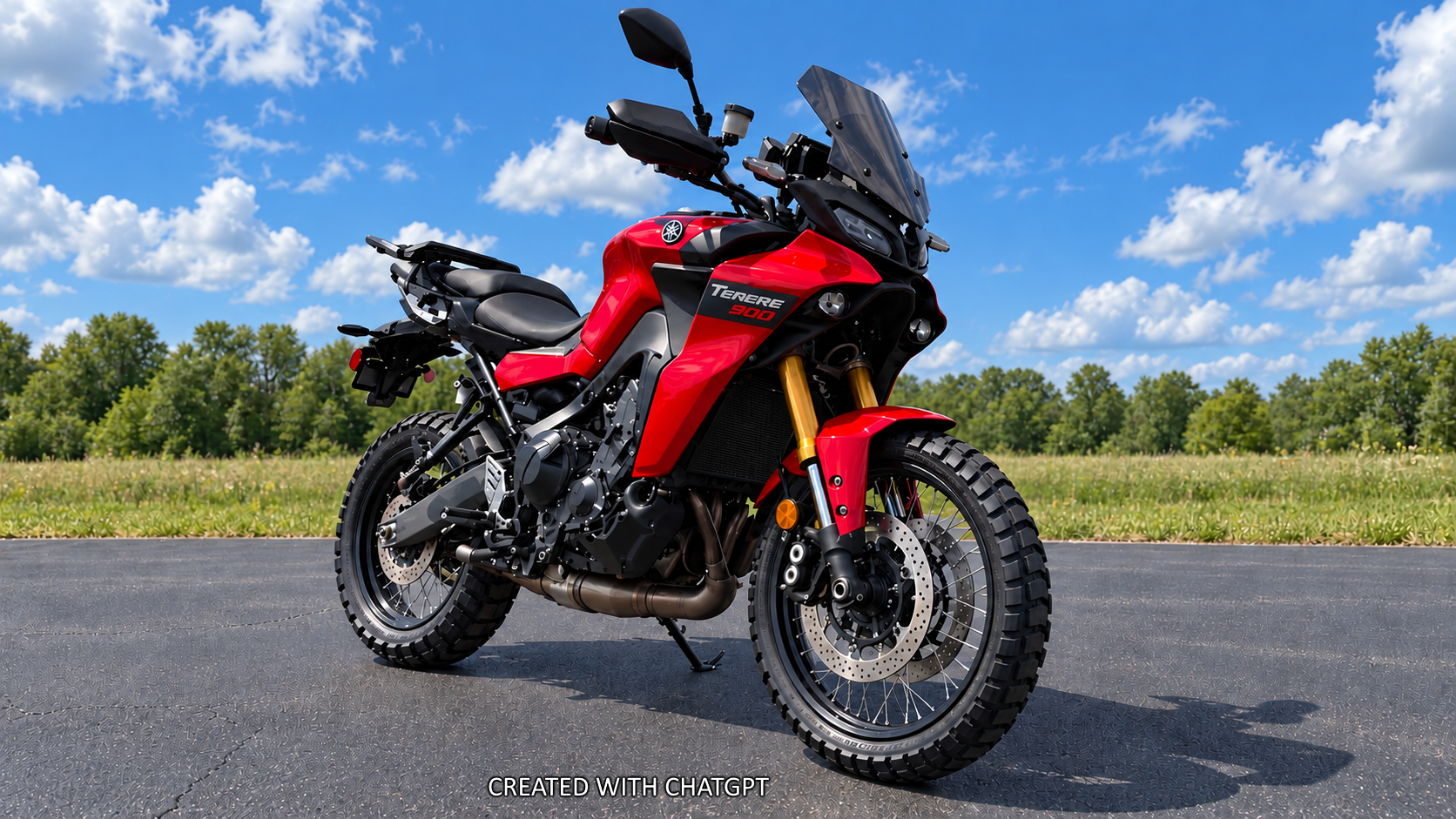

After Yamaha teased a 3-beat heartbeat photo captioned “Redefine the standard”, rumors are circulating about he possibility of a Ténéré 900. On the heels of the Super Ténéré’s retirement, I’ve considered the possibility that Yamaha may legitimately launch a new Ténéré with its 3-cylinder CP3 engine from the Tracer 9. Yamaha’s CP3 has no shortage of fans and accolades; meanwhile, many Americans undoubtedly bemoan the “touring” capability of the Ténéré 700, considering our lust for more “power”. Dropping a 900 with dirt chops in a country densely populated with interstate freeways makes a lot of sense. However, what if Yamaha not only launches a Ténéré 900, but actually adopts a sub-1000cc motorcycle as its Adventure Touring Flagship?

The Super Ténéré had something of a cult following, and I think that’s because it filled a very specific niche. Yamaha gave riders a sensible alternative to the increasingly sophisticated and expensive adventure motorcycles coming out of Europe. BMW and Triumph had motorcycles that were arguably more exciting, more technologically advanced and, let’s be honest, better looking. The Super Ténéré wasn’t necessarily the motorcycle you bought because it was the sexiest thing on the showroom floor; you bought it because it made sense. With shaft drive, spoke wheels, and long-distance capability, it was competitive with Europe, but with Japanese reliability. Long Haul Paul put more than 70,000 miles on his whilst ignoring all routine maintenance outside of changing the oil. That motorcycle eventually accumulated something in the neighborhood of 200,000 miles and landed at the Barber Motorcycle Museum. That reputation is what creates a cult following. The Super Ténéré wasn’t perfect, but held its value and never quit.
Despite reliability, tastes shift and motorcycles grow old and stale. The Super Ténéré had become pretty dated by the time Yamaha finally discontinued it. Its last major update was over a decade ago, and the motorcycle was already carrying more weight than many of its newer competitors. If Yamaha wanted to continue competing in the 1200cc adventure segment, it might be time for a clean sheet. I’m not convinced Yamaha saw enough of market demand to justify doing that.
This is where I think the demographics of the motorcycle industry become important. I’ve written about this before, and I think the problem is accelerating. The motorcycle industry is getting older, and that creates some interesting consequences. The people who can afford expensive motorcycles are increasingly older riders, but those same riders are eventually going to start questioning whether they really want to manage a 600-pound motorcycle off-road. At the other end of the spectrum, younger riders are dealing with an entirely different problem: affordability.
That’s a pretty significant problem for a motorcycle manufacturer. If your growth depends on selling increasingly expensive motorcycles to an aging customer base, eventually you have to start asking yourself where the next customers are coming from. I don’t think this means the large adventure motorcycle is going away. There will always be people who want ADV Touring yachts. But I do think the industry has to recognize that bigger isn’t necessarily where the growth is going to come from.
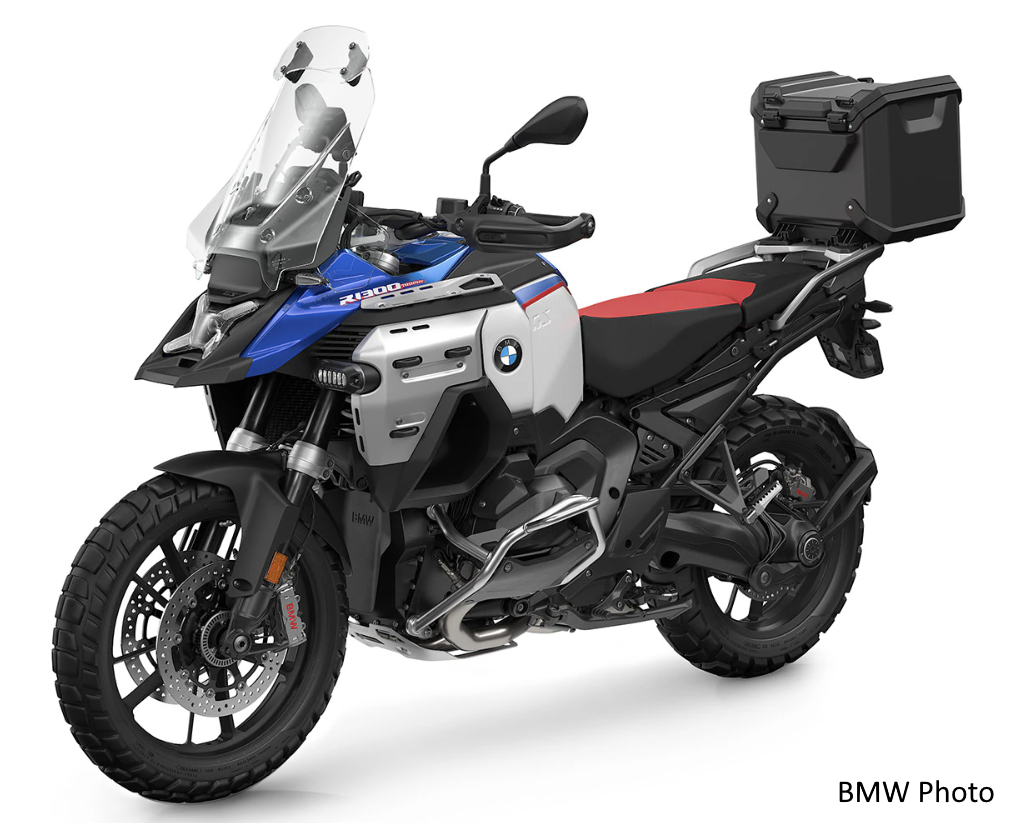
BMW has done an excellent job of capturing the premium customer in the heavyweight adventure segment. If someone has the money to spend on an expensive adventure motorcycle and wants the biggest, most sophisticated machine they can buy, BMW makes a compelling argument. I’m not sure Yamaha is going to win that customer by building a new 1200cc motorcycle and trying to out-BMW the Bavarians. That’s not really ever been Yamaha’s niche.
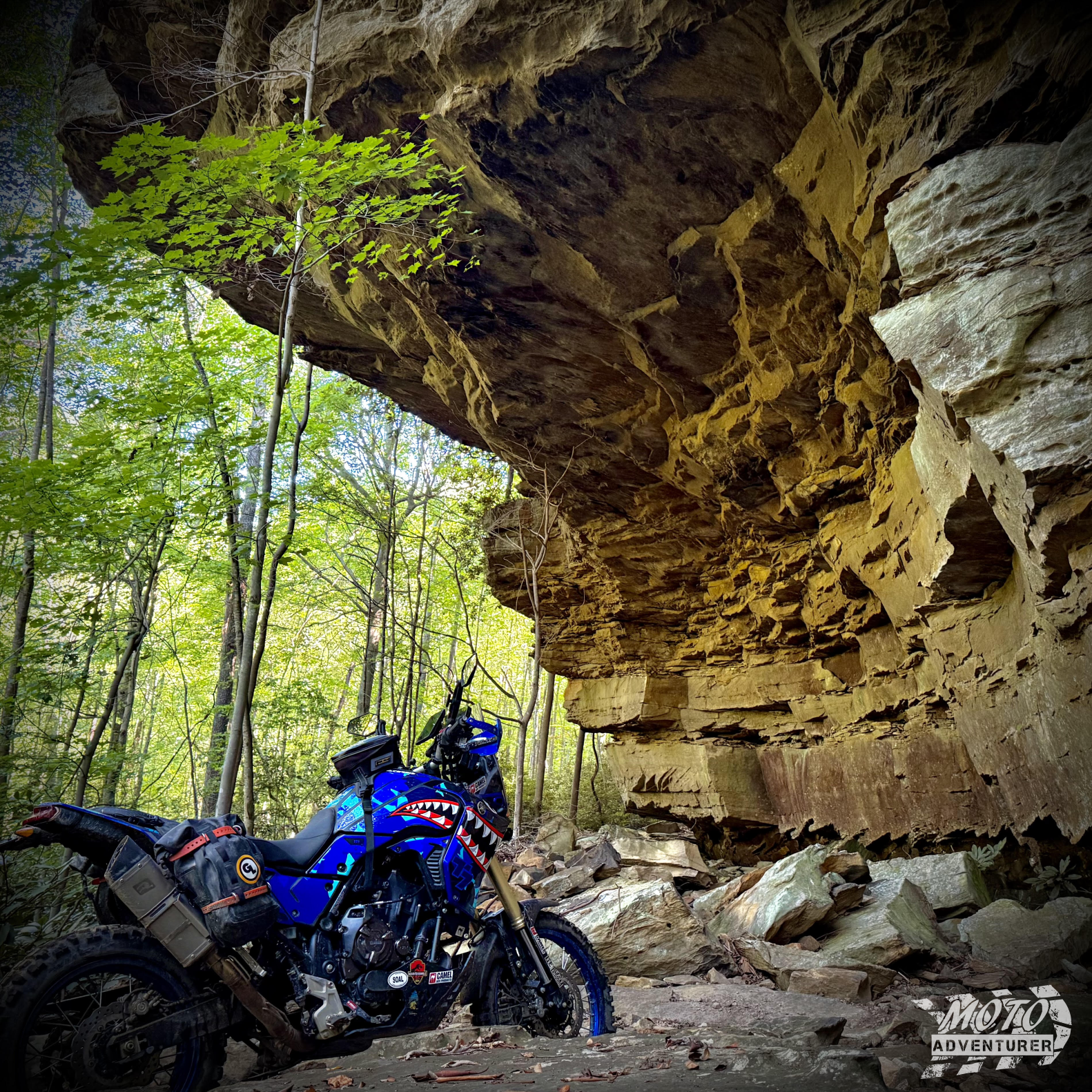
When Yamaha introduced the T7, the adventure industry was still dominated by 1200s, with the middleweight segment firmly in the 800 range. Then Yamaha showed up with a 700 and, instead of apologizing for the fact that it was smaller, they demonstrated what you could actually do with a lighter motorcycle with Pol Tarress at the helm, taking the T7 to the limits of its capability. Instead of increasing horsepower and technology, the Ténéré 700 arrived with less tech and less weight, asking the question of whether riders actually need a bigger motorcycle. When the “Bike of the year” articles continued to be dominated by horsepower and tech creep, Yamaha went the other direction, and the industry changed.
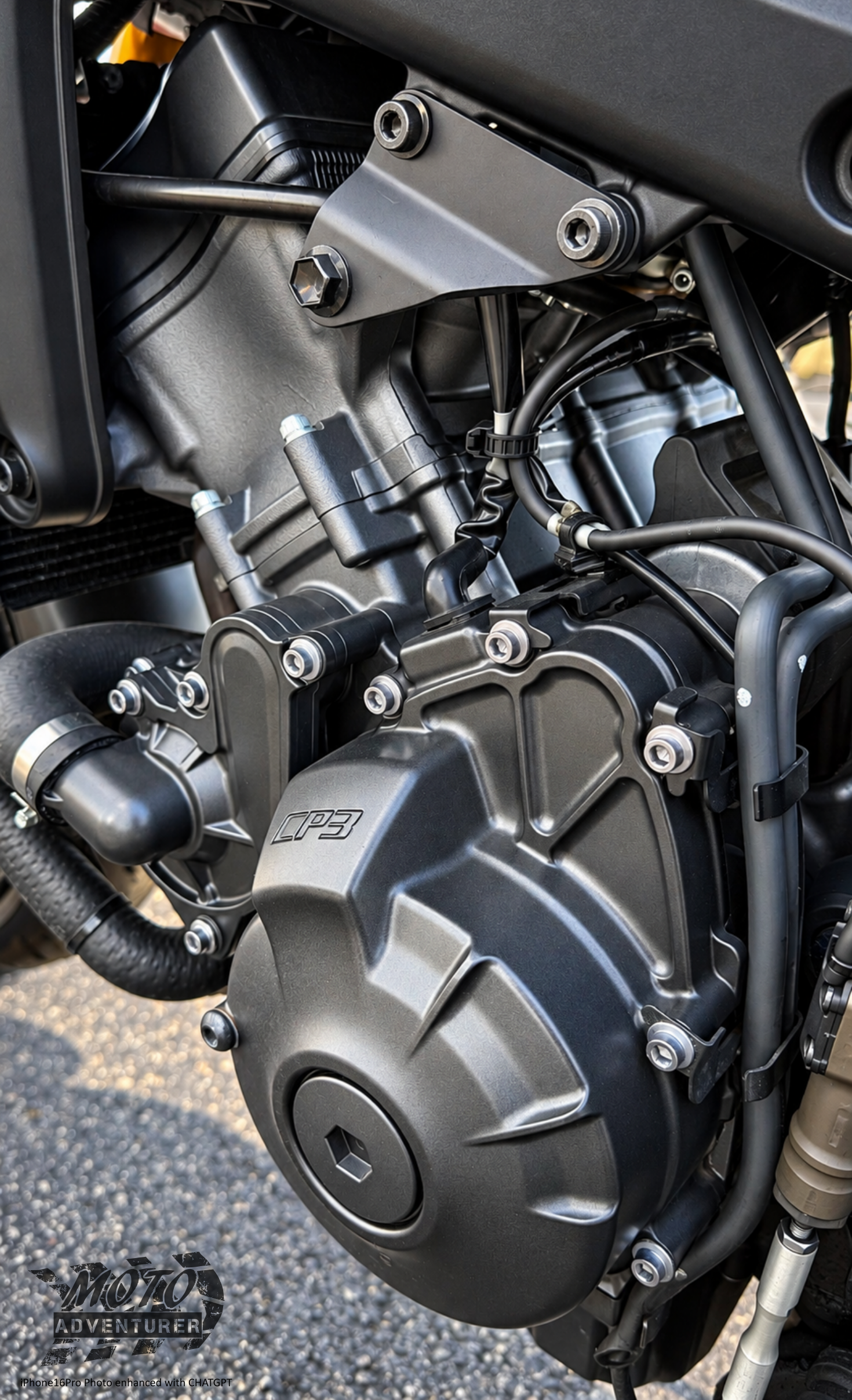
Now take that philosophy and apply it to the 900cc CP3 engine. That’s where I think things get interesting. The Tracer 9 already demonstrates that Yamaha has a very capable 900cc-class triple that can deliver substantially more performance than the Ténéré 700. A Ténéré 900 could take that engine and build an actual adventure-tourer with it rather than engineering a new heavyweight twin with T7 vibes.
In my mind, that means something more street-oriented than the Ténéré 700. A 19-inch front wheel and 17-inch rear would make sense, with a “World Raid” trim available with a 21-18 combo for those inclined. Better wind protection, better highway comfort, and a more touring-oriented chassis would allow it to cover greater distance while still being perfectly happy on gravel and forest service roads. I don’t think Yamaha needs to make a T9 better off-road than the T7. It needs to be better at everything the 700 isn’t designed to do. That distinction is important because a Ténéré 900 isn’t replacing the 700; the two motorcycles should complement each other. The 700 remains the lighter, more dirt-oriented option, while the 900 could give riders more power, more creature comforts, with more capability for long-distance riding. That would also give Yamaha a motorcycle that appeals to the rider who likes the idea of an adventure motorcycle but truthfully spends more of their time on pavement.
Like the XSR 900 and MT-09, a Ténéré 900 puts Yamaha into direct competition with Triumph and their Tiger 900. Triumph has already demonstrated that there is a market for a middleweight adventure motorcycle that can do a lot of things well. In fact, I’d argue that the Tiger 900 is probably more relevant to Triumph’s adventure lineup today than their Tiger 1200. You simply don’t see as many 1200 Tigers in the wild. That’s anecdotal, but I think it illustrates something happening in the market. The middleweight adventure motorcycle isn’t necessarily a compromise anymore. It may actually be the sweet spot.
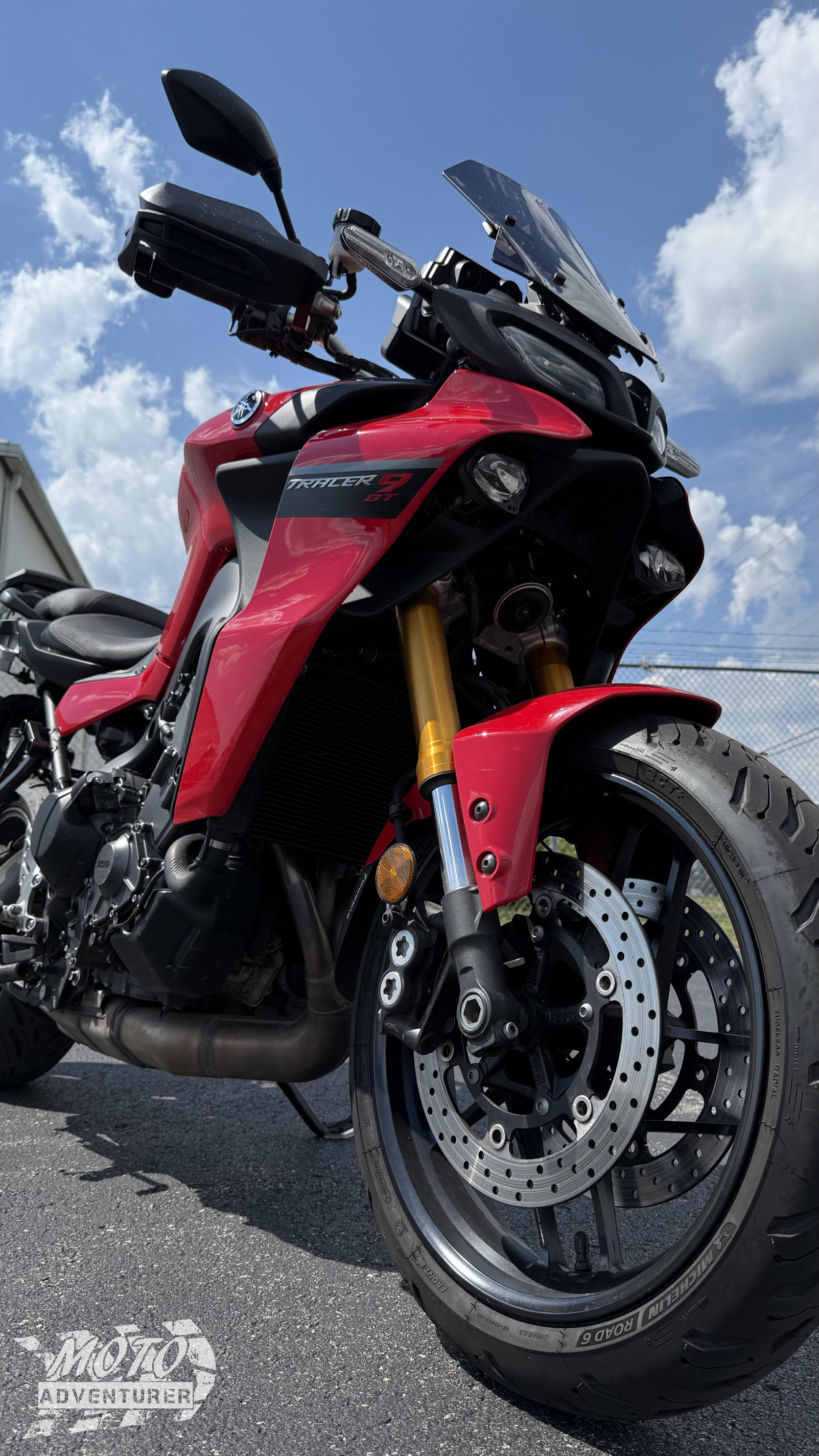
Yamaha has an opportunity to take that idea a step further. If they can put modern electronics, rider aids and touring features into a Ténéré 900 while keeping the price below comparable European motorcycles, they have a compelling package while playing to their strengths. A T9 would have enough engine to comfortably eat up highway miles, enough suspension and chassis capability to leave the pavement when the road gets interesting, and less weight than the big adventure motorcycles. Begging the question: Do I need 140-plus Horsepower?
There will always be people who want more power and another inch of suspension travel. That’s not going away. But I think there is a growing group of riders who are beginning to realize that more motorcycle doesn’t necessarily mean more enjoyment. In fact, for some riders, it means the opposite. This becomes particularly relevant as the motorcycle population ages. Eventually, the guy who has enough money to buy a 1300 GSA decides that he has the money but not the desire to pick it up when it falls over.
That’s where I think Yamaha could again be ahead of the curve. I don’t think a Ténéré 900 would represent Yamaha giving up on what we’ve seen as a flagship adventure motorcycle. I think it’s Yamaha redefining what a flagship adventure motorcycle is.
For years, the motorcycle industry has treated displacement as a proxy for status. Bigger engines, more power, more electronic features, and naturally higher prices. BMW has shamelessly taken that philosophy to its extreme with their “Gelände/Straße” big-bore boxers. Is Yamaha again headed in the opposite direction?
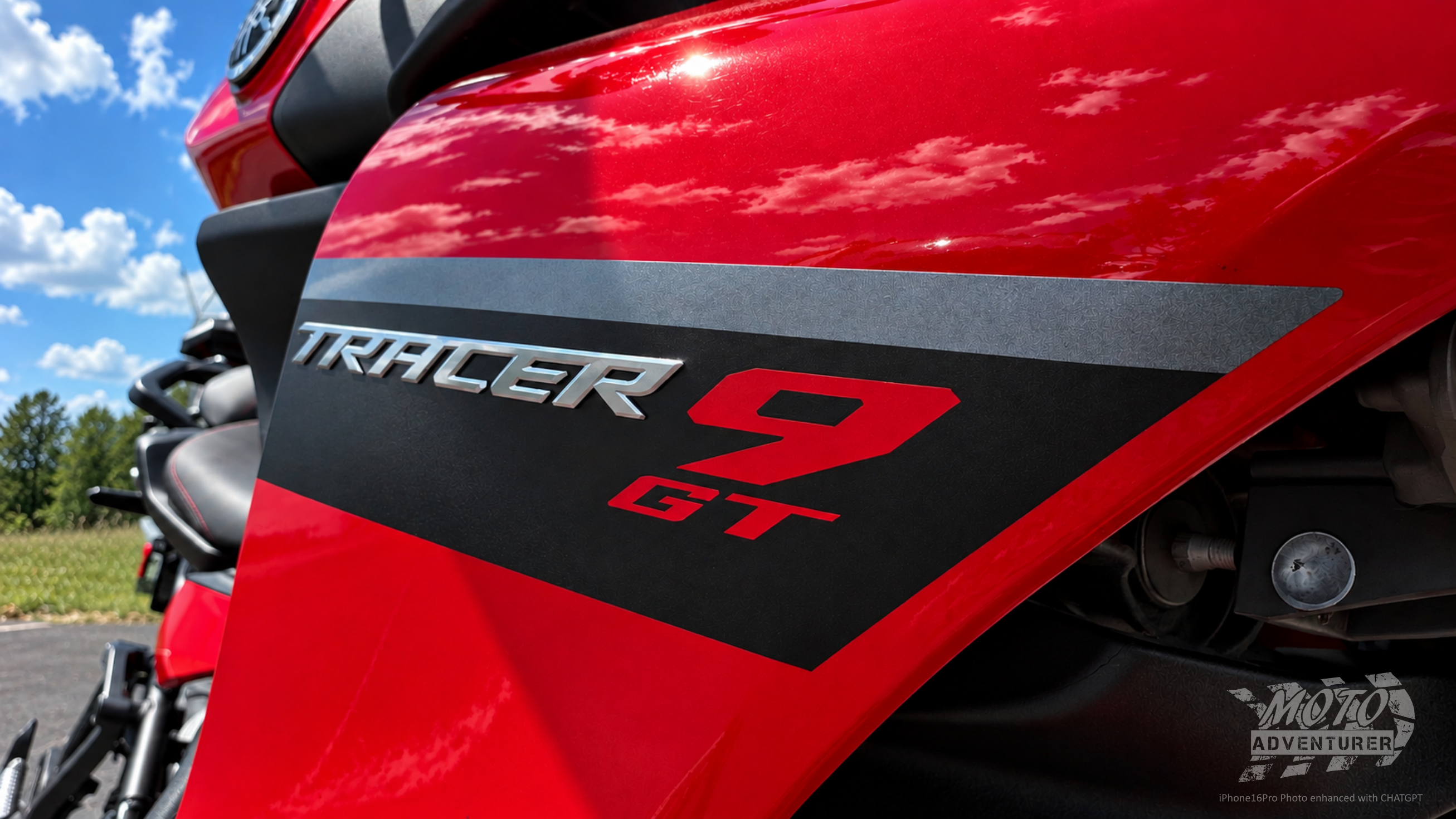
If the Ténéré 900 becomes the flagship of Yamaha’s adventure lineup, I think it will symbolize something much bigger than the replacement of the Super Ténéré. It will mean that a major manufacturer believes a sub-1000cc motorcycle can be the premium choice in one of the few growing segments of the motorcycle industry. Post-2020, I think this is a big deal.
The Super Ténéré was the sensible alternative to the big European adventure motorcycles in its era. Maybe the Ténéré 900 will be the sensible alternative to the big European adventure motorcycles of today. If Yamaha can deliver the performance, technology and comfort people expect from a flagship while taking a significant amount of weight and cost out of the equation, I’m not sure they’re following the market. I think they’re leading it.
I want to reiterate that this is speculation on my part. I read the news, I watch what manufacturers are doing, I watch what riders are buying and I draw conclusions. Conclusions that could be blatantly false. But when I look at what Yamaha has already done with the Tracer 700, Tracer 9, and the Ténéré 700, considering the incredible success of the CP3 platform, and the direction I see the adventure market moving, a Ténéré 900 flagship makes a lot of sense. Both in terms of lighter being better, but also Yamaha being the tip of the spear.
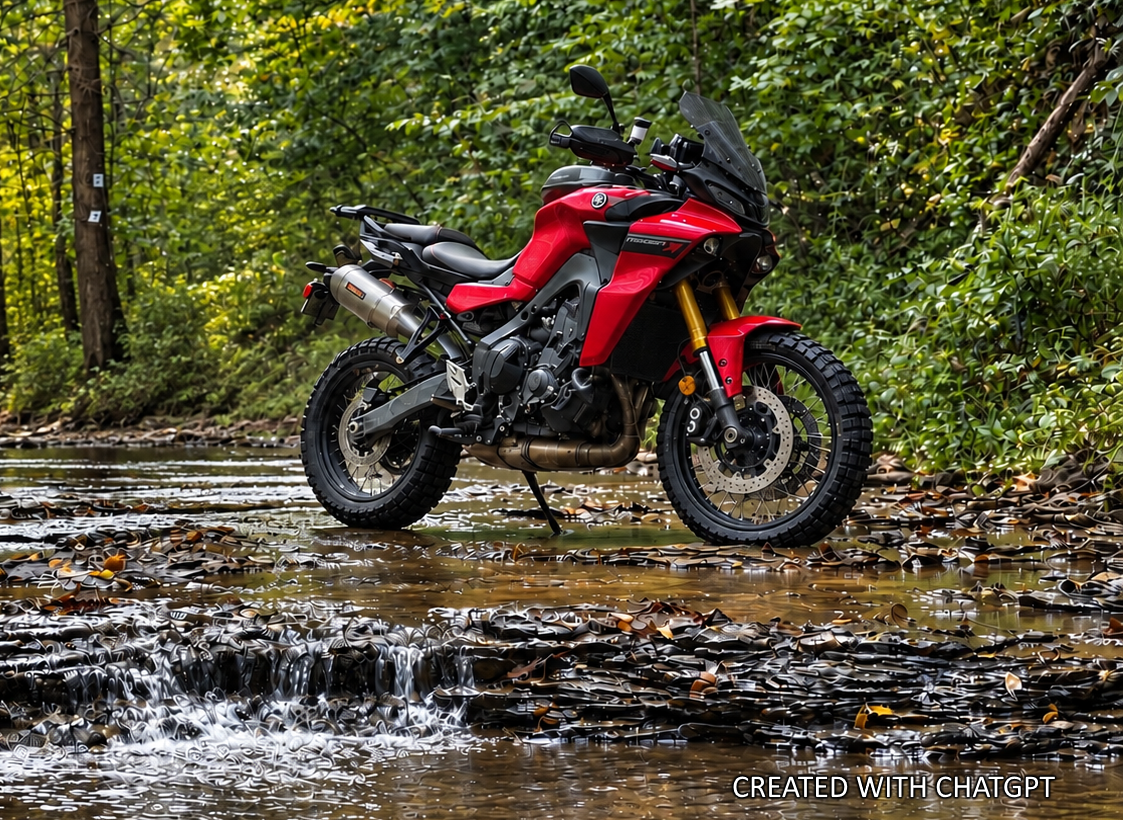
History is littered with false prophecies, so I could be completely wrong. But Yamaha wants to throw down in the knobby 900 space… I’m here for it. Here are some photos of my buddy’s Tracer 9 with some AI Knobbies: