Andy sent this draft over my way a couple days ago. I loved the premise from the get-go, but considering I’ve not properly introduced him to the Moto Adventurer fan base, I wanted to “set the stage” before he got into the philosophical details of motorcycle ownership. The first time I met Andy (that I can recall), was in the parking lot of the Iron Horse Motorcycle Lodge at the 2014 Dragon Raid. Andy was backing out into the lot, headed out for a ride with a group of guys that I now ride with regularly. I was immediately taken aback by the ungodly racket emitting from the nether regions of his ride. 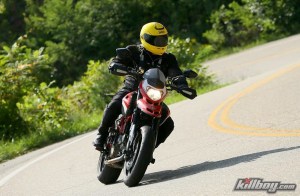 I looked over at the stranger and asked, “Is something wrong with that thing?” He lifted the visor on his helmet and in the thick British accent he said: “Eh, it’s short a few marbles but it should be okay.” Unbeknownst to me, that curious sound was the distinct clatter of the Ducati dry clutch. That first year, I met Andy on his Hypermotard, in 2015 that bike evolved into a Multistrada, and in 2016 that bike morphed into- …well, you get the idea. There’s no denying that there’s been some horse-trading going on in Andy’s stable from year to year, but despite appearances, I think you’ll find that’s heavily influenced by a much deeper emotional connection between man and machine- …but he also puts it better than I do:
Welche für dich? – Interesting title, right? To me it sounds like a sheep shaggers appendage… Welsh Fur Di… Alas, I’ve no idea how it should be pronounced, but I do kind of speak a second language… I am fluent in Sarcasm, which in itself, like revenge, is best served cold, and the drier the better, IMHO. My humour [“humor” for us colonials -ed.] such as it is, is often confusing to people, and I have to wield it with extreme caution. I’m told people can’t tell if I’m joking or not, so to avoid offending someone, I let it out slowly…
Where am I going with this? Well I’m going to a place that’s dark and littered with remnants of previous desires.  The place that most of us visit at some time or another. The place that tells us that if we just have this one thing, life will be so much better because of it. Now, I’ve been happily married for getting on about eight years, and I’m thankful every day for my wife’s patience when it comes to motorcycles. Something I may have mentioned previously (Orange Fever, I think), I used to joke with my old flames that I’m getting a new ride, “is it you or the bike that’s being replaced?” As a result of this approach, I can happily report that motorcycles do indeed keep me poor, but shit, I’ve had a few that were absolute stunners (usually Italian), some not so much (Yam YZF750-R), and a few dogs (Zephyr 550), but that’s par for the course I suppose.
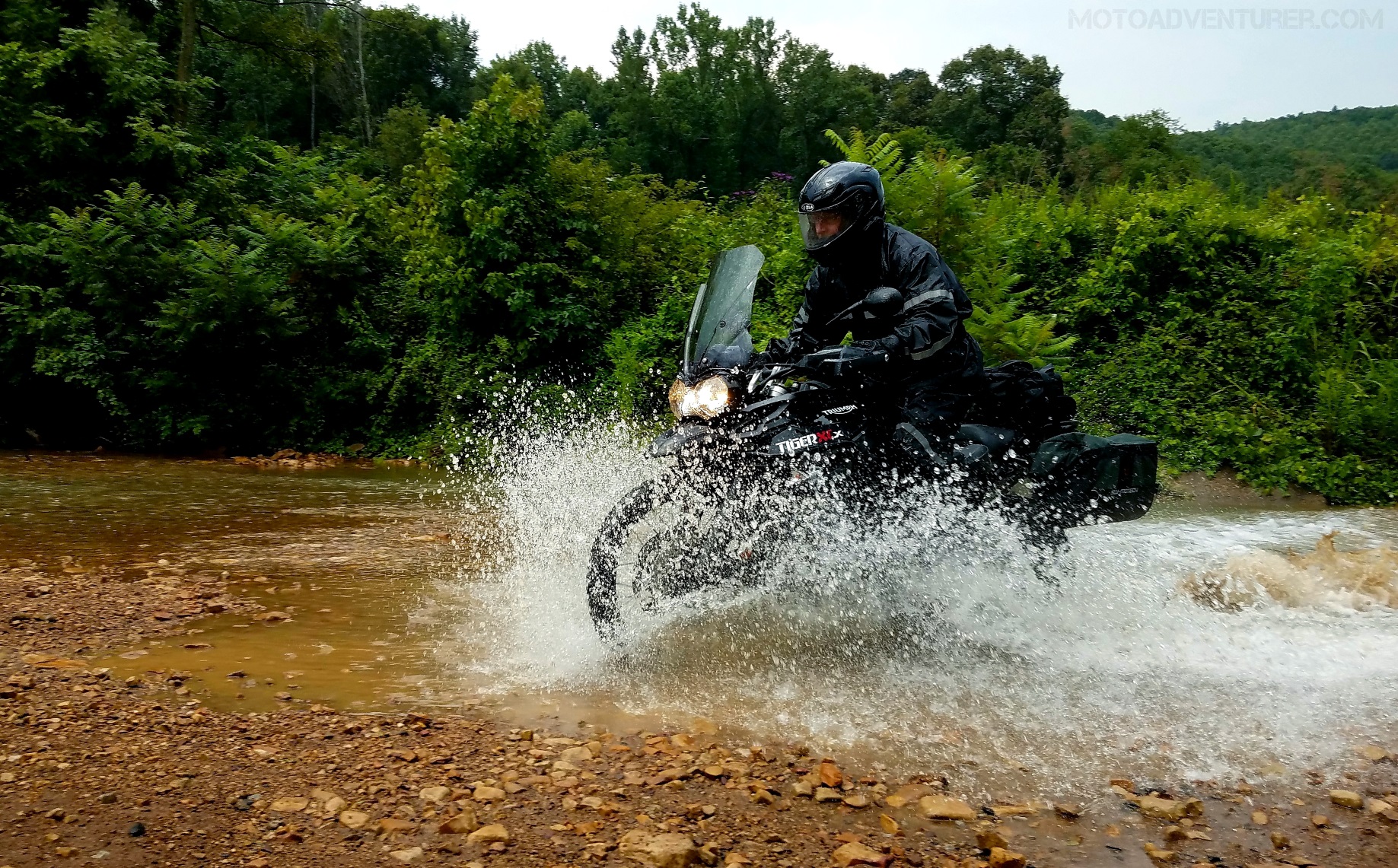
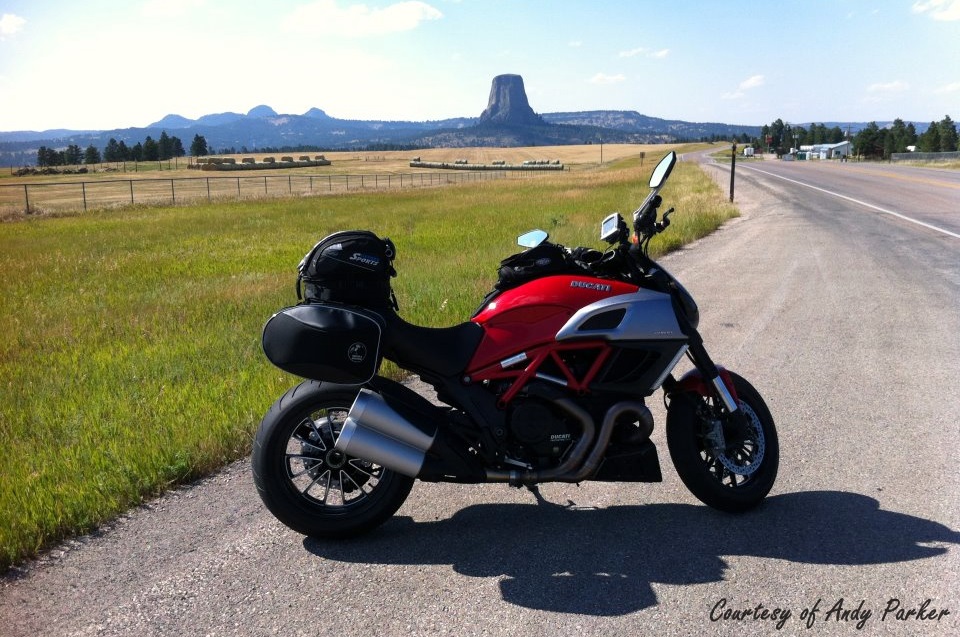
Back in 2015, I was bimbling around Middle Tennessee on a well sorted Triumph Tiger Explorer I’d bought a few years earlier when living in Dayton, OH.  This bike was my all-rounder if for no other reason than it was the only motorcycle I had at that time. A year before I had an early model Ducati Diavel that had seen some of Montana, North Dakota, South Dakota, Wyoming, Iowa, Illinois, North Carolina, Tennessee, and West Virginia, as well as the tri-state around Southwest Ohio. Although the Diavel was a surprisingly good tourer for a cruiser, it was getting a bit tedious replacing the $400 rear tire every 4,000 miles, and the front every 6,000. At 14,000 miles I’d replaced six tires in 16 months. It was time to get a more long-distance oriented bike if I was going to get back into touring again, and I wanted to.
I knew what it was like to Sport Tour, I’d had a couple of Sprint 1050 ST’s, but I knew the riding position was too forward for my lower back.  I for one was glad the ADV trend was gaining momentum and there were lots of upright models capable of day-long rides. The 1050 Tiger had been a contender to replace the first 1050 Sprint ST, but alas that model was not being imported by 2015, so the obvious Triumph was the big Tiger Explorer, especially because it pumped out 135 HP, and had a clean worry-free shaft drive. Over the first six months of ownership, the TEx had seen some additions to make it more tour-worthy; a pair of Rox bar risers, an MRA touring screen, and a full set of Jesse Odyssey II luggage. The bike had done a few local day rides and been to Deal’s Gap twice, both times two up with my wife, and after 12,000 miles the rear suspension was all but shagged.
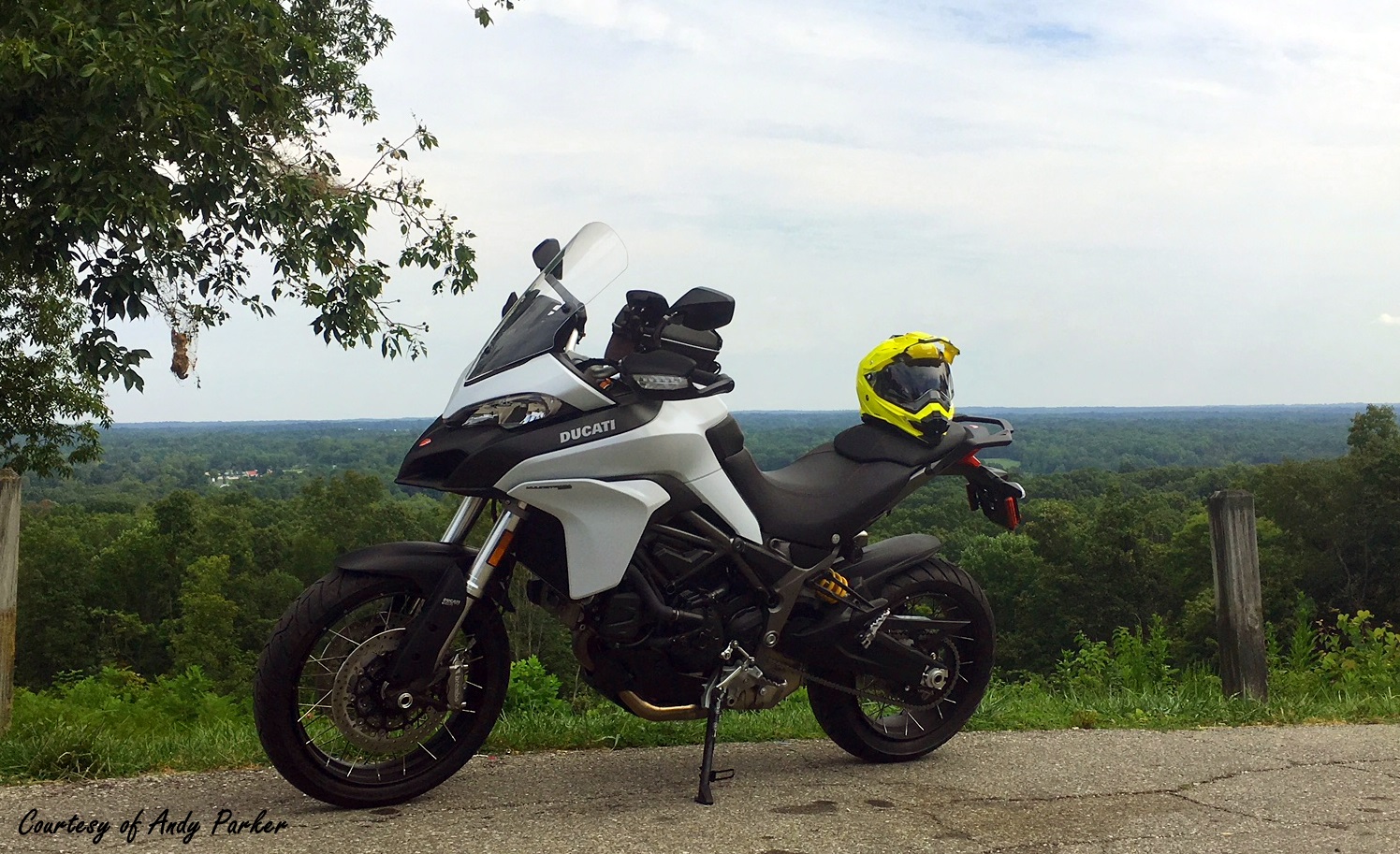
 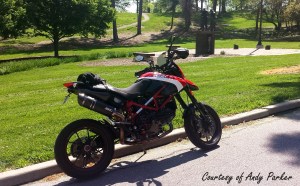 Triumph wouldn’t entertain any kind of claim as it was out of warranty, so some research was conducted, a few calls made, and it was decided that a complete suspension makeover was the order of the day. I wasn’t concerned about being bike-less for the month it was going to take to rework the Triumph because a few months before I’d bought a ‘fun’ bike to hammer around on. I’d found a deal on a 3,000 mile 2012 Hypermotard 1100 EVO SP. I’d been having fun getting it to bang out 100 HP and lift the front with not more than a light twist of the wrist, but now that was done my attention turned back to the Triumph’s suspension.
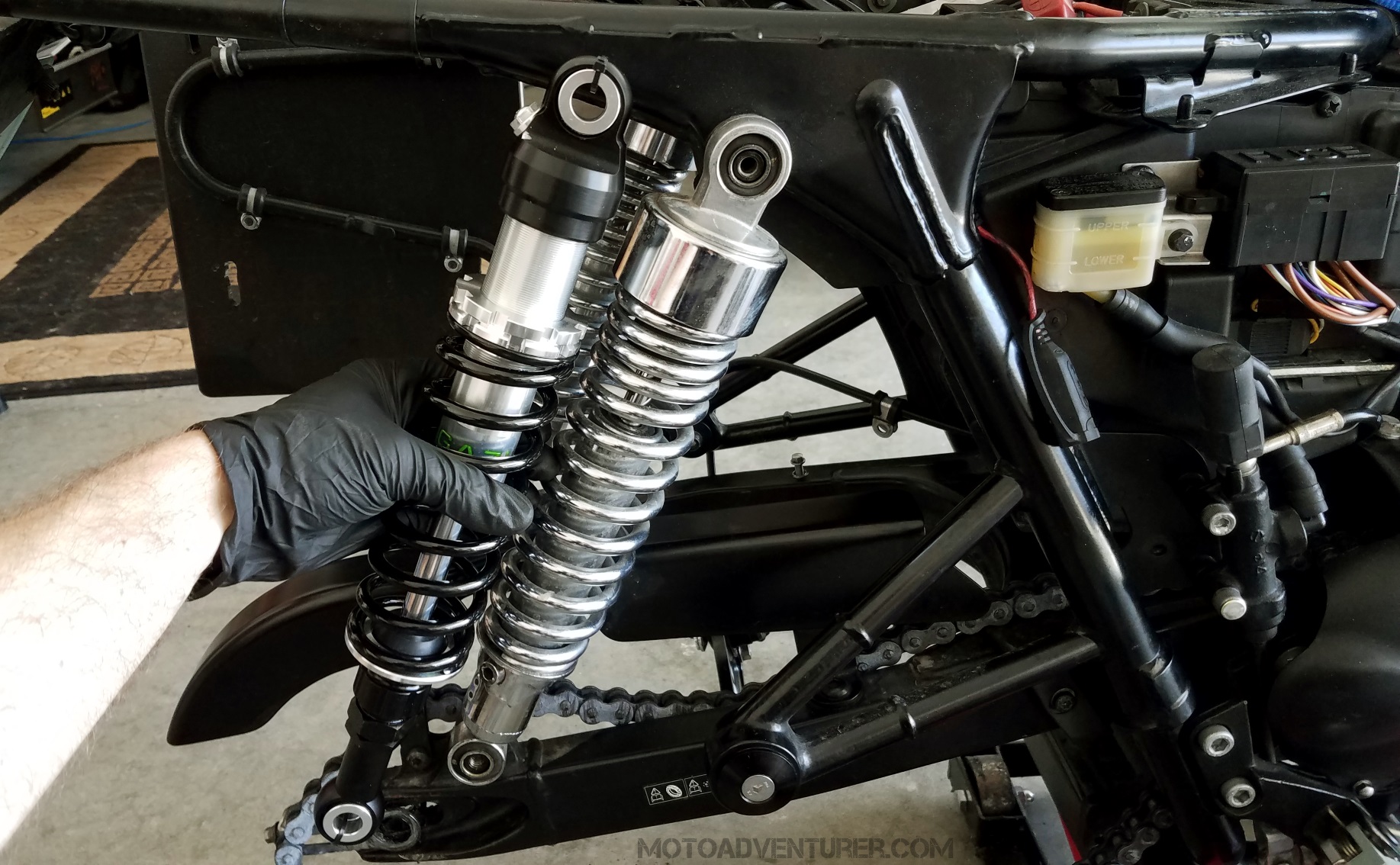
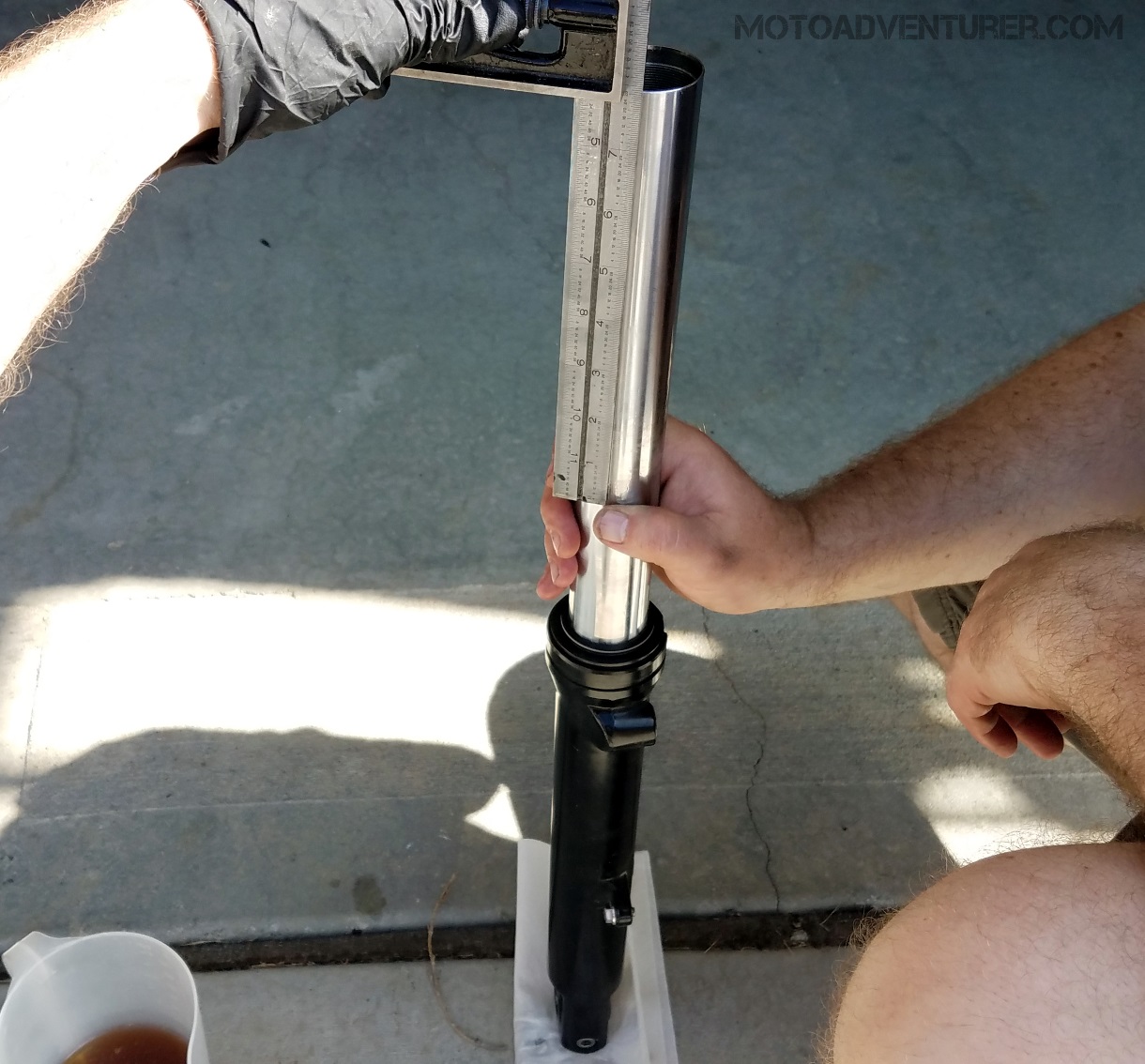
 On a recommendation from a friend, I began talking to Jeff Favorite at Ted Porters Beemer Shop about what was going on with the TEx. Over the course of a month or two the conversations started homing in on a plan, and while we weren’t 100% sure what the fix was, we had a pretty good place to start. We had decided on a fully adjustable Wilber’s HPA shock to replace the battered Triumph unit, and he was going to rework the front forks. This meant removing the forks and sending them to Jeff in CA where he would install some progressive springs with a different spring profile than the OE ones, and the damping rate and oil level would be optimized which should sort out the understeer and was also going to help with odd tire wear a lot of owners had reported.
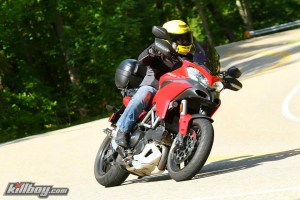 Strangely enough Jeff had ignited my curiosity in the BMW R1200 GS. I wasn’t sure why, but I wanted to try one. The Triumph was better on paper, and when I say better, I mean lighter, and had more power, and I was also in the process of trading my Hypermotard Evo for an ex-Demo, 145HP, Multistrada 1200S, and was probably going to replace the Triumph as the go-to Tourer if the suspension change didn’t work out, so what was the point? Hmmmm…
By the time I got ready to do all the work on the TEx I had moved and had been living in 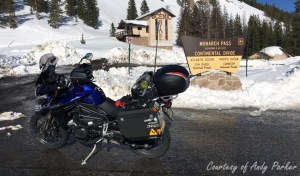 Tennessee for close to seven months and was about to embark on a two-week tour with a friend on a Tiger 800, leaving the Ozark RAT Raid out of Harrison, Arkansas. The plan was to get out to Colorado Springs in a couple of days, stay in Gunnison, CO, then head to Moab for a few days, drop south and head back through New Mexico and Texas. The TEx was loaded and rode like a completely different bike. It steered quickly, put the power down much better due to the improved rear shock, and the front end felt much more planted; it really was quite good to ride.
It just so happened that while out in Moab we did a bit of dirt roading. We were traveling along a track in the desert heading for Red Cliffs moving at 15-25mph in 80 degree heat when the TEX started to overheat. The fans wouldn’t come on. I pulled over and to let it cool while I swapped the relays about to see if that was the problem. It turned out that both fans had seized and even after working them lose they still wouldn’t turn on so we hobbled back to the Adventure Motel. Luckily the wind speed over 30 mph kept it cool enough to ride normally.
A few months later I was out riding in Tennessee and needed to get the TEx serviced. 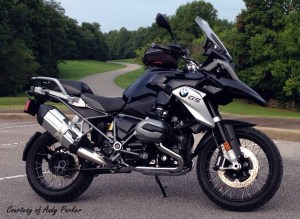 The donuts at the local Triumph dealership were as stale as the atmosphere in the service area, so I stopped in at the local BMW/Ducati dealer to talk to the service guy, who I’d met previously when he serviced my Multistrada. He was busy with a customer, so I went to find the sales guy who was also busy but handed me the keys to their demo R1200 GS asking me if I’d like to take it out for 20 minutes while he dealt with his customer. Now then, even though I wasn’t considering one, I was still curious. I also had two friends who both owned BMW R11/1200 RT’s and they always seemed less fatigued at the end of our days riding than I was on any of the Triumph’s I owned, and they swore by the boxer motor. They even went so far as to say that part of the reason they felt better at the end of the day was the rhythm of the engine, it was almost relaxing.
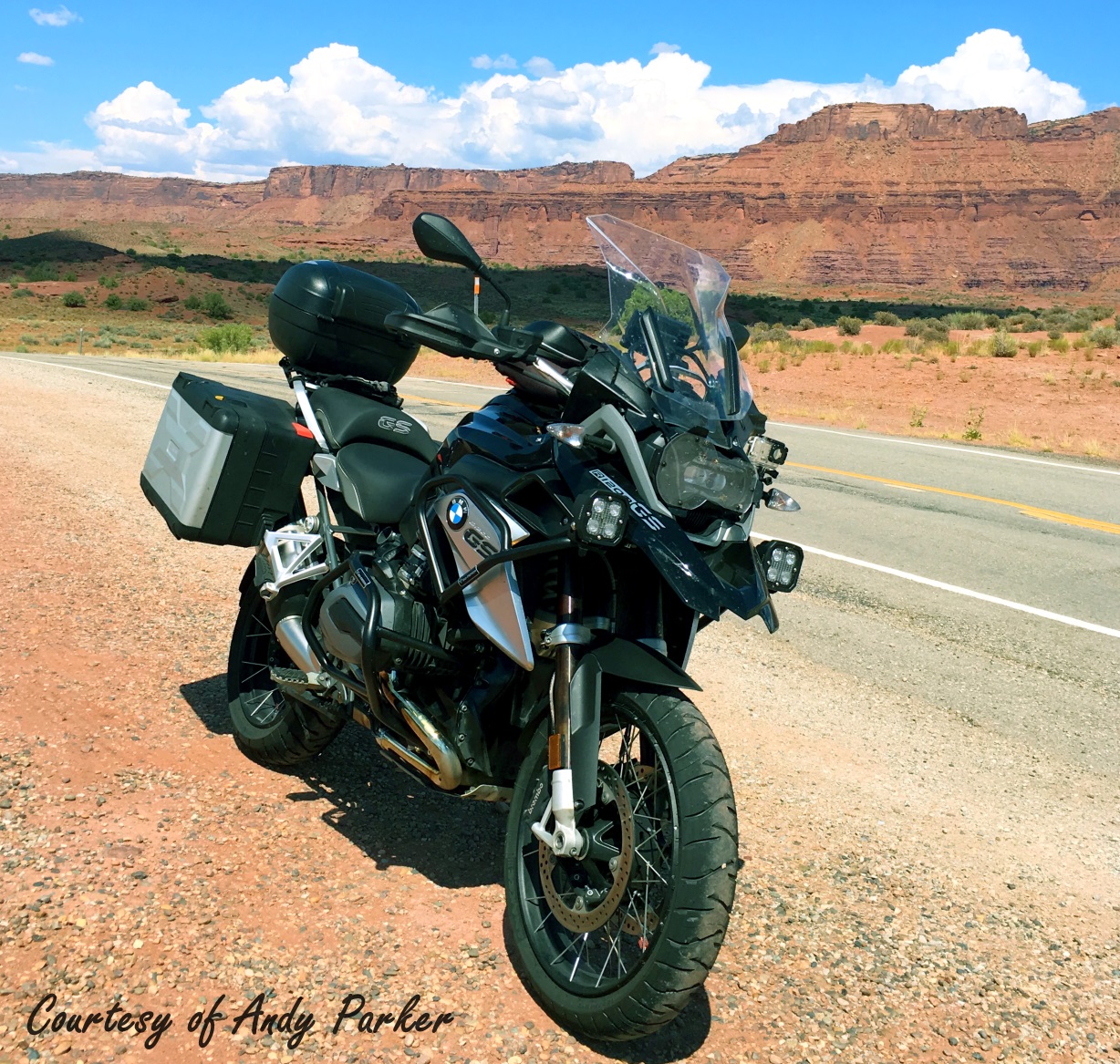
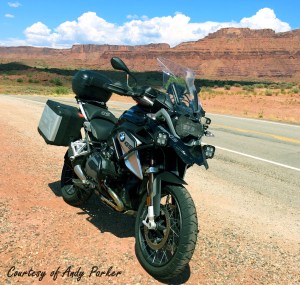 The GS was odd to start with. The pull on the motor as you revved it reminded me of a Guzzi I’d been on twenty years before. It felt like a cross between the Triumph and the Ducati; as smooth as the triple but felt just like the Italian L-twin. After five miles of riding the GS I knew I was going to buy it. The bike was so balanced and handled so well, it was a revelation. The brakes were good, the electronics were cool, it did everything really well. I was absolutely amazed at what a competent bike the GS was. I traded the TEx right then and there. I now owned a 2014 Multistrada 1200 S and a 2015 Triple Black R1200 GS. I knew the GS was going to be the Tourer.
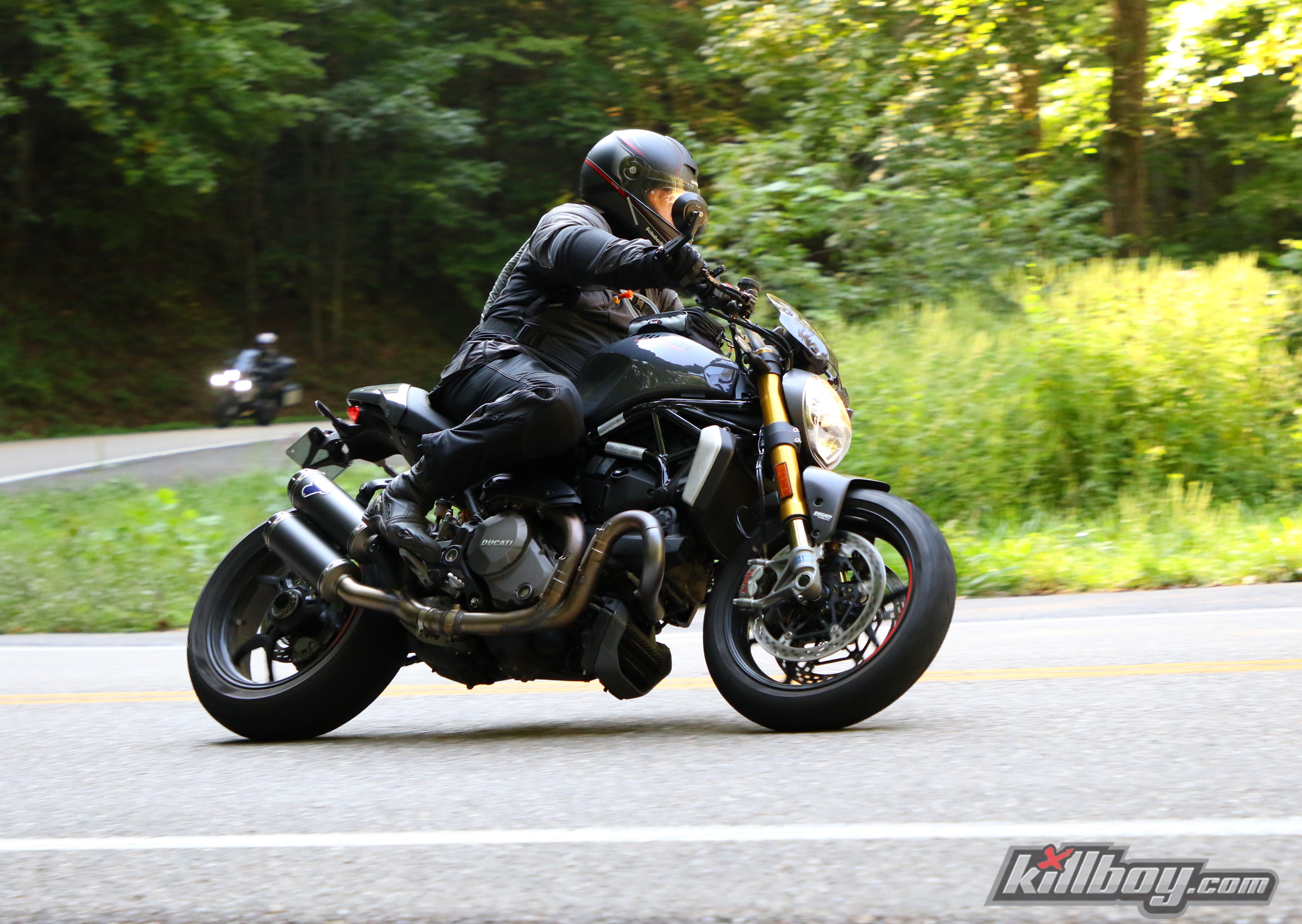
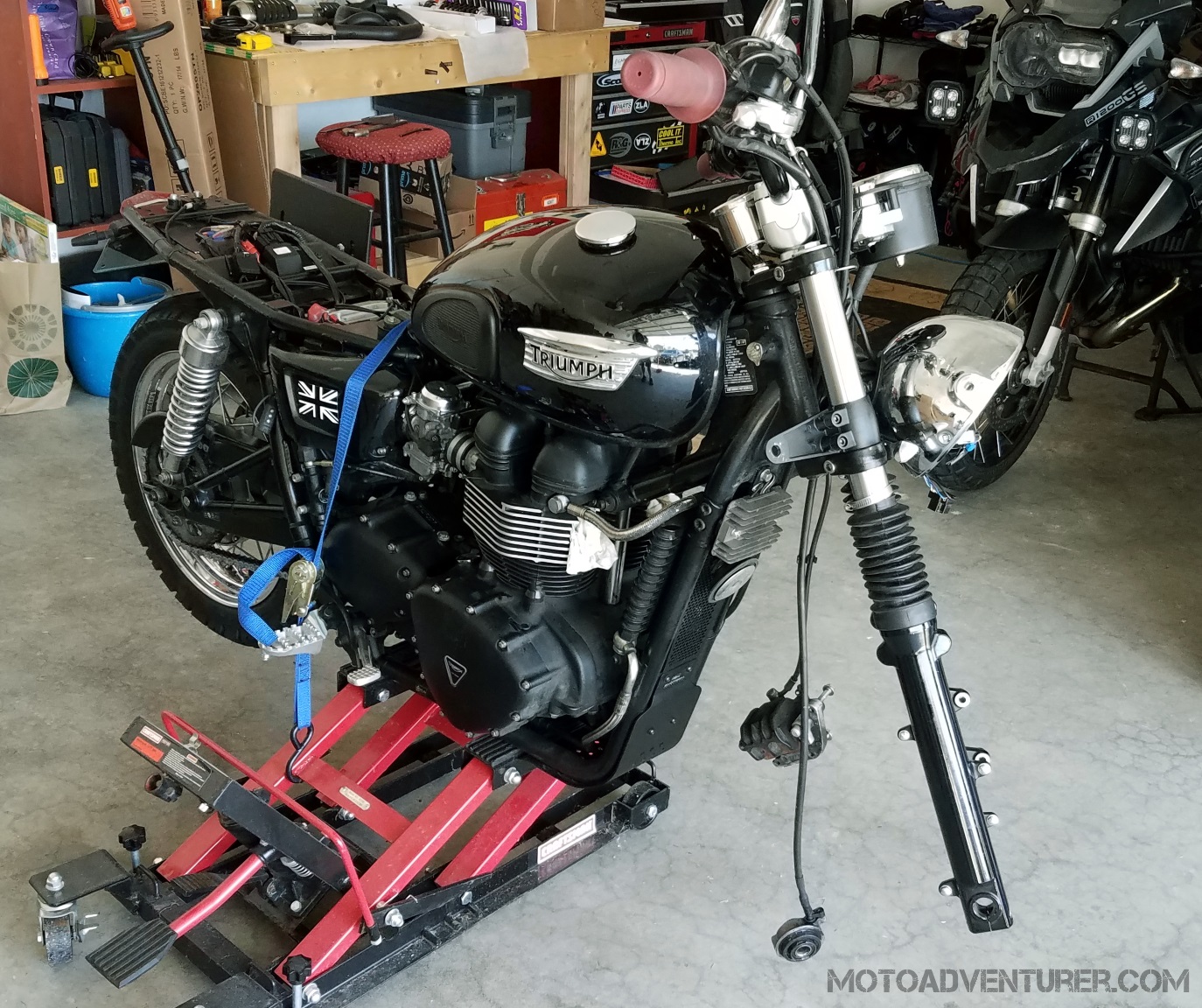
 Over the next two years we covered 15,000 miles together while I only racked up another 5,000 on the Multi before a Monster 1200 S found its way into my garage shortly thereafter. Blame was placed firmly on the Natchez Trace which was 5 miles from my doorstep. Although I did ride the whole of the Trace on the Multi four weeks after moving to Tennessee, the Monster was more at home on the constant radius switchbacks. That year I also found myself in possession of a 2008 Triumph Bonneville. I had three twins at home. A parallel twin, an ‘L’ twin, and a boxer. Life was good!
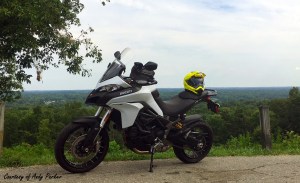 Another house move later and we were in Indianapolis. The Monster was out of place in Indiana, where the nearest corner without a stop sign was 45 minutes away; it got replaced by a baby 950 Multi.
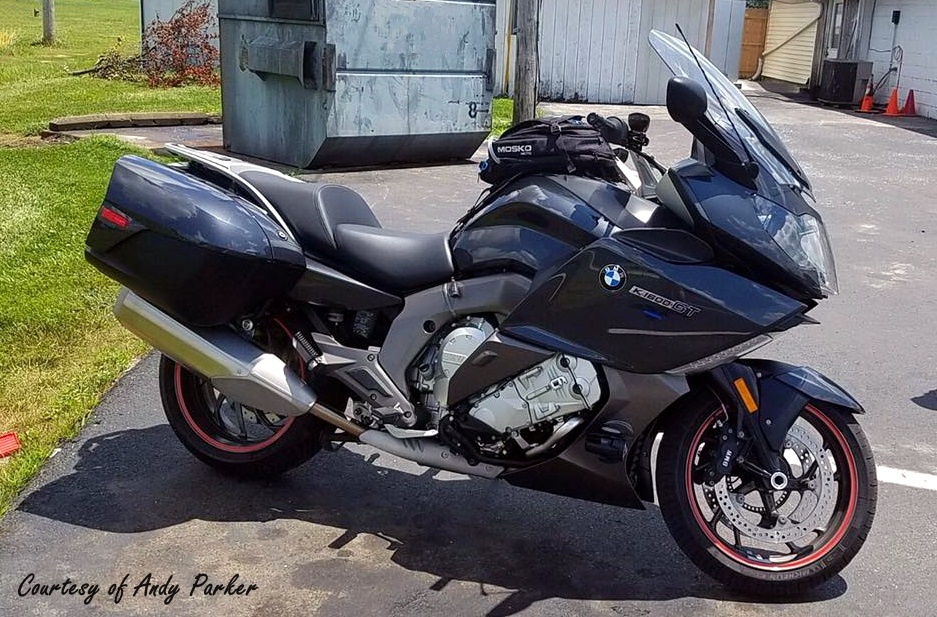
The GS had done a couple Iron butt rides including a Bun Burner 1500 on the way back from Moab, and had seen both the Pacific and the Atlantic. I was happy with it, until I rode an R1200 RT and a K1600 GT off the BMW demo truck. I longed for another Sport Tourer.  As one of my friends points out, 700 pounds and “Sport” don’t really go together, but the K1600 GT is a real mover. I liked the relaxed riding position and the smooth turbine-like engine. It’s got the characteristics that I wanted to live with except one, it has a weight problem. It’s no fun to move around the garage and it steers slowly at walking pace. But it is a missile that will pull from two-grand in sixth to the limiter with no fuss, and it has an addictive scream from the exhaust over 5,000 RPM. It handles predictably just like any other heavy sport
 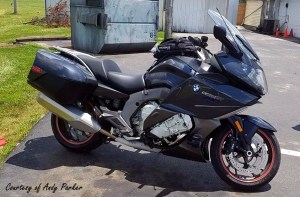 bike when you hustle it along and it will cruise all day at 90 with no complaints from bike or rider. Hell, you can go through the whole tank of fuel without the need to stop, time after time. I rode the 812 miles from New Orleans to home in Indianapolis in 12 hours stopping only three times and didn’t think twice about how I felt after I parked it in the garage. In fact, I just emptied the top box, side bags and did my washing before cooking dinner. The ride was like a non-event, it just happened to occur that same day.
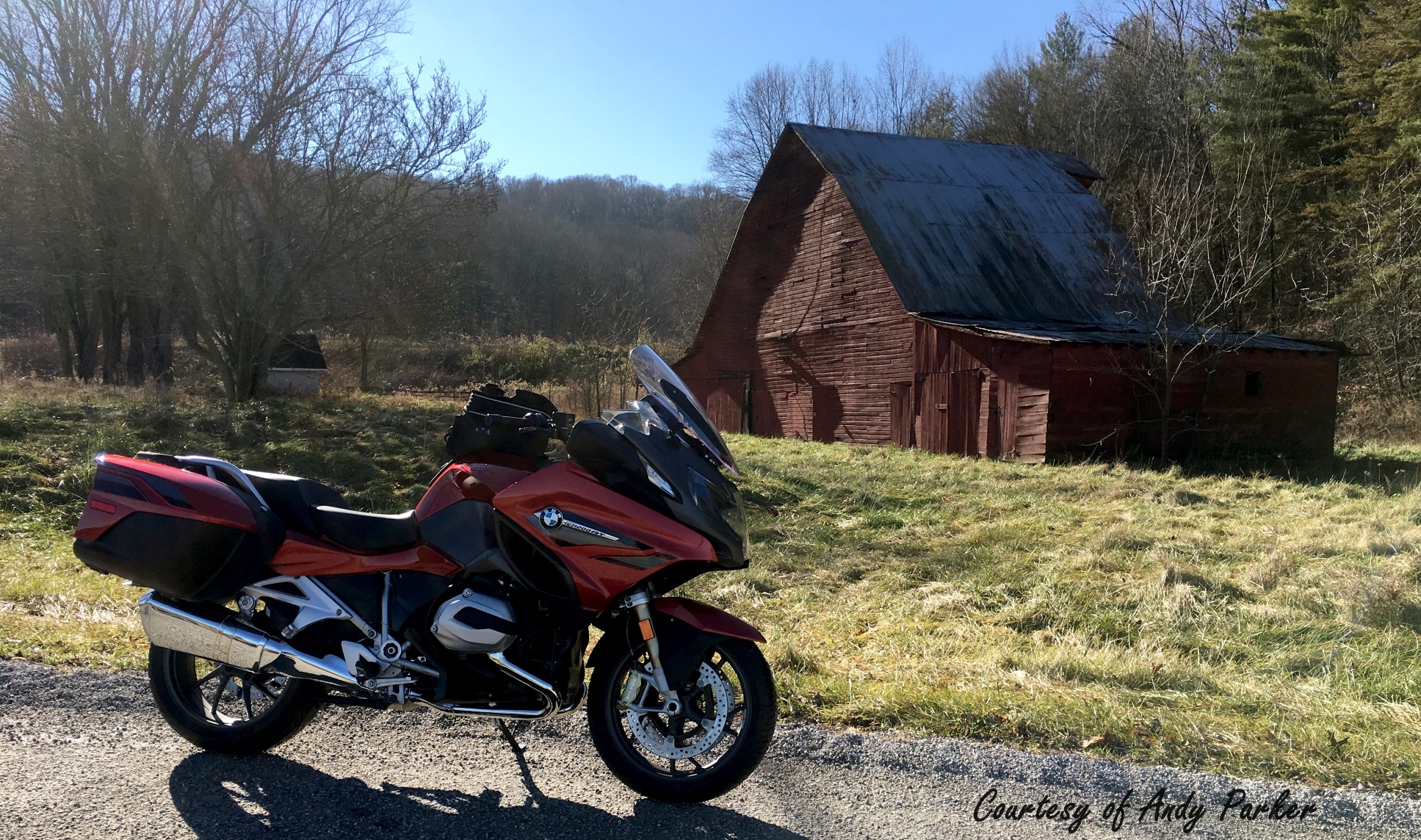
However, like the Diavel, the K1600 abused tires; I’d owned the bike six months and was on my second set. They wore out at the same rate and barely lasted 5,000 miles. All-in-all I put 10,500 miles on the bike between May and November and had not managed to convince myself that this was the bike I wanted. A couple weeks ago I found myself going for another ride on a newer R1200 RT. I bit my lip and bought it.
It has the same fabulous motor as the GS, albeit with revised gear ratios for 2018 that give it more bottom end and a higher cruising speed for a given RPM. The RT and the GS share the same electronics, along with the same engine and drive train, the same frame and features, just different exhaust, bodywork and suspension. The RT also has heated grips and seats, keyless ride, quick-shifter, hill assist start, Electronically Adjustable Suspension, Dynamic Ride modes and audio integration through the GPS. It’s more comfortable and has better wind protection than the K1600 GT, and it handles like a bike that’s 200 pounds lighter (oddly enough). I rode it back from Pennsylvania in 40°F weather wearing summer gloves and my heated liner on low. You sit in a little bubble of clean air and with the suspension dialed in correctly (you can do it on the fly through the dashboard and Wunder-Wheel) side-winds are just inconveniences that must be endured during foul weather. When it’s raining, you only get wet when you’re sitting still, or moving in slow traffic. I’m just as amazed to ride it again as the first time I rode the GS. I’m smitten. It’s no wonder they sell so many of them. They really are the “Real Thing”.
I guess the point of this is that there are a number of bikes that I’ve owned over the years that still resonate with me decades after they were superseded by something I deemed more desirable at the time.  If I lie down in a quiet space, close my eyes, clear my mind of all the important and the superfluous I can bring the memory of riding them right into mind and feel the bike’s soul touching my being. I can hear the sound of the exhaust and the engine, feel the pulses and vibrations while picturing the road ahead, all the time feeling what it was like to be in that moment and knowing exactly what is needed to keep the feeling present. Just like the ‘94 900SS, and the 750 F1 Santa Monica that I adored before it, the RT will be one of those bikes I think about decades from now, I know it.

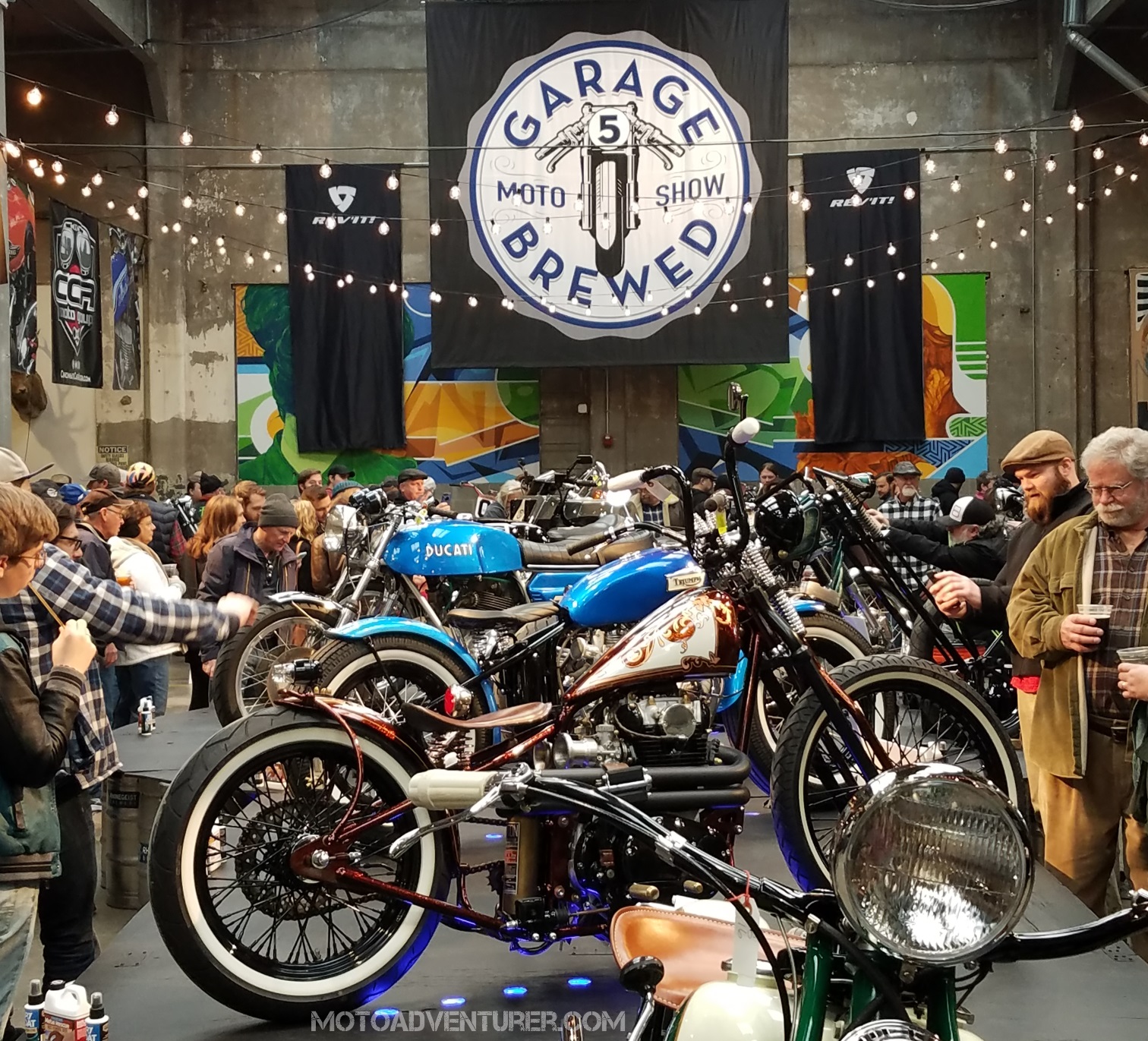 Bikes featured are the work of builders from small towns and big cities, from true backyard builders to professional customs. Garage Brewed is an invitation-only show, however, anyone can nominate a bike that they feel deserves to be showcased at Rhinegeist. This winter, volunteers from CCR pored over a hundred and thirty rare, vintage, and custom motorcycle nominations to put together a collection of sixty-three exceptional bikes for the viewing pleasure of event attendees. Each year, a unique crop of motorcycles is selected; thus providing visitors a different experience each January.
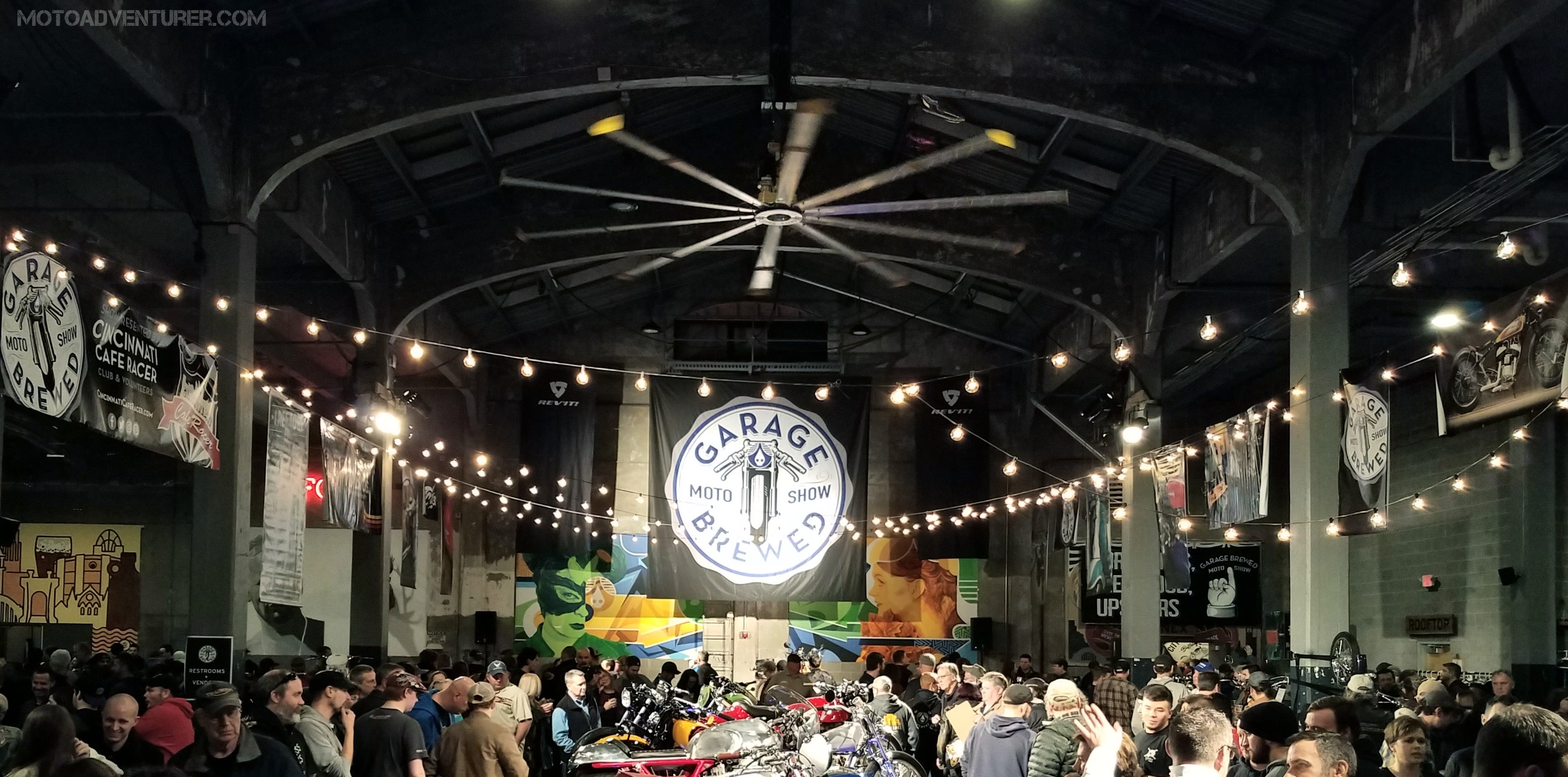 coincidentally on the former site of one of the largest breweries in Cincinnati history before it was closed under prohibition. In 2017, Rhinegeist became the second largest independent craft brewery in Ohio (by sales volume). During this year’s Garage Brewed, Rhinegeist had over twenty-five of their own draft beers on tap for visitors, as they let the Moto Show take over the majority of the brewery’s 250,000 square foot taproom.
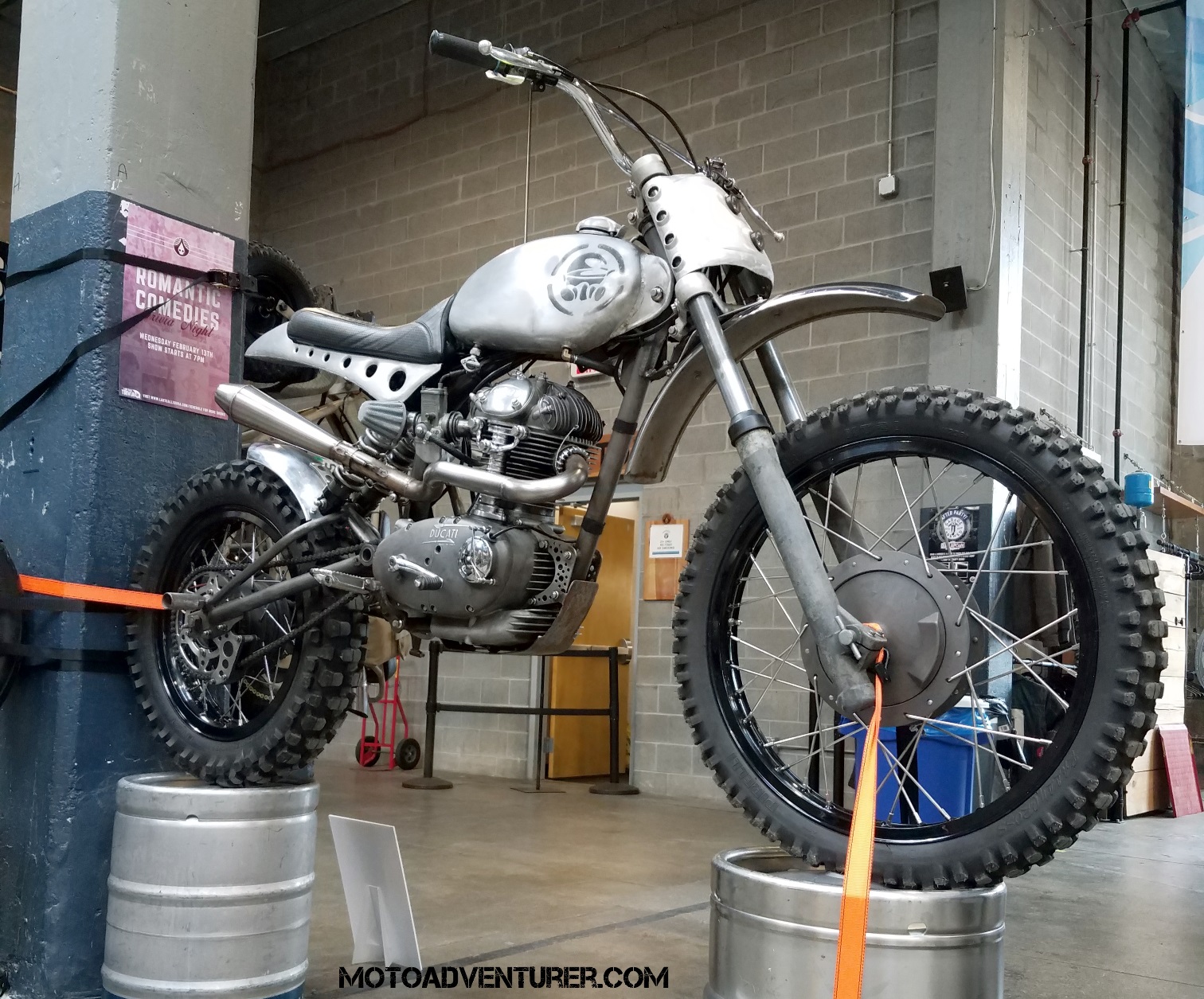 This year marked my second visit to Garage Brewed. As I’ve told many others, it’s a truly eclectic collection of motorcycles from across the country. I also have a great appreciation for the fact that many entrants are from right here in Cincinnati, including many vintage survivors that have been polished in the garage, but also a collection of one-of-a-kind custom machines. One of the best parts of the show is meeting new people that have traveled across states to show off their talent, while also catching up with old friends; all the while sharing a pint of some of Cincinnati’s finest craft beer.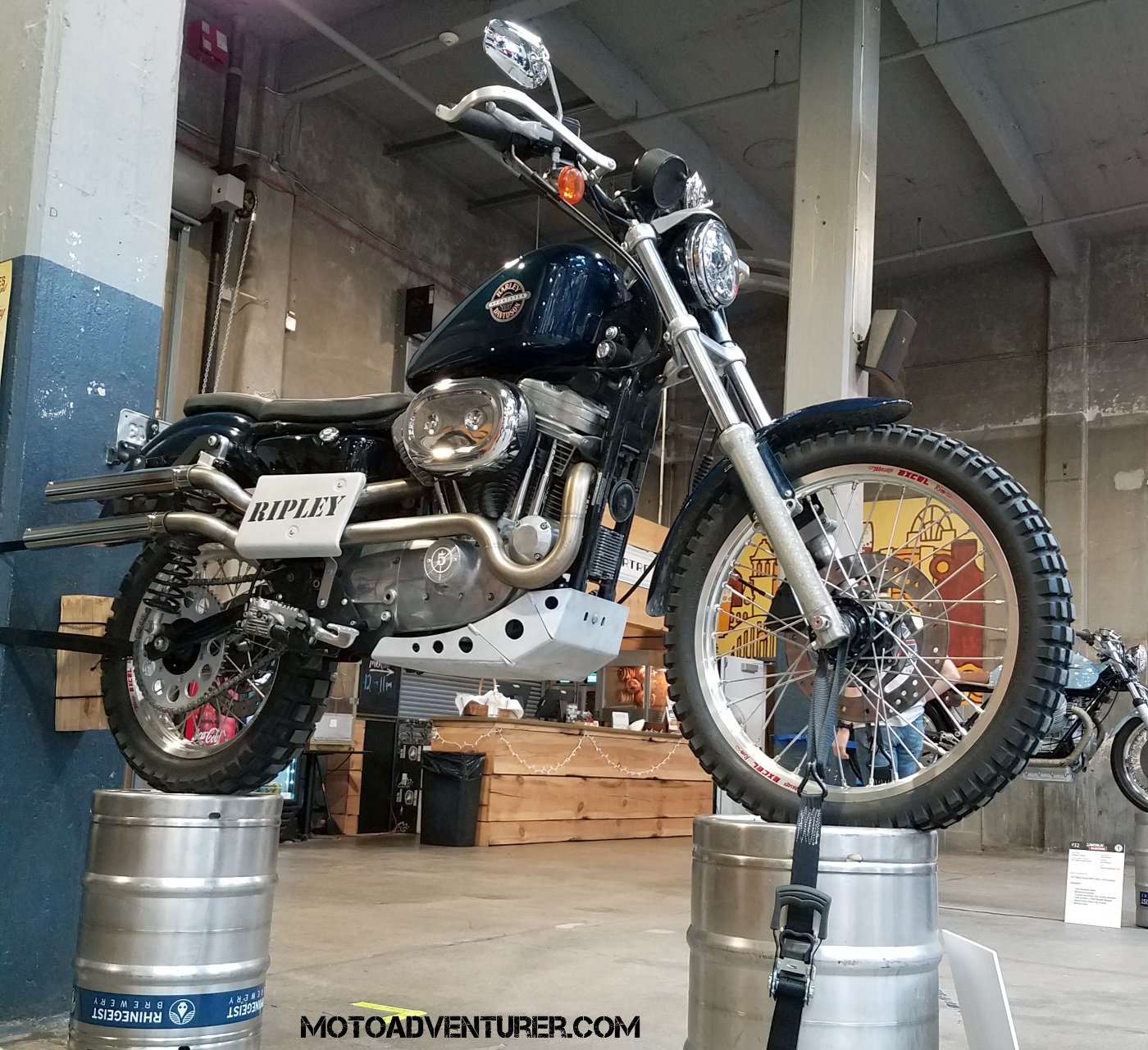


 Standing for twelve hours is a long time, but in reality, talking motorcycles with a top-notch craft brew in my hand is pretty close to heaven on earth in the snow-covered Midwestern winter. I also managed to convince a few non-riding family members to make the trip down to Cincinnati; despite not being motorcycle enthusiasts, they too had a great time exploring the brewery and enjoying the “artwork” littered throughout. I encourage everyone, motorcyclist of otherwise, to “keep your ears up” for the next year’s dates, and mark your calendars for Garage Brewed 2020.


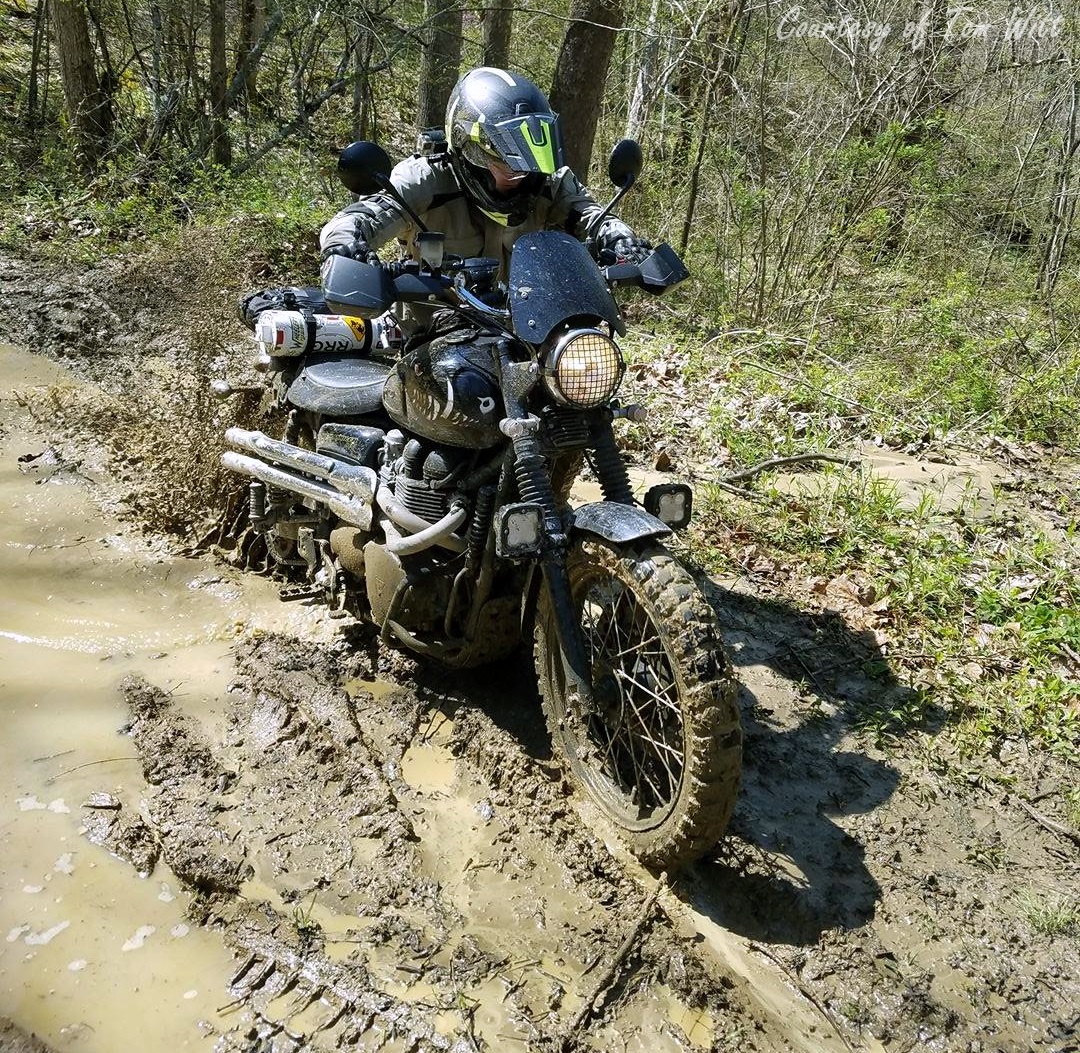
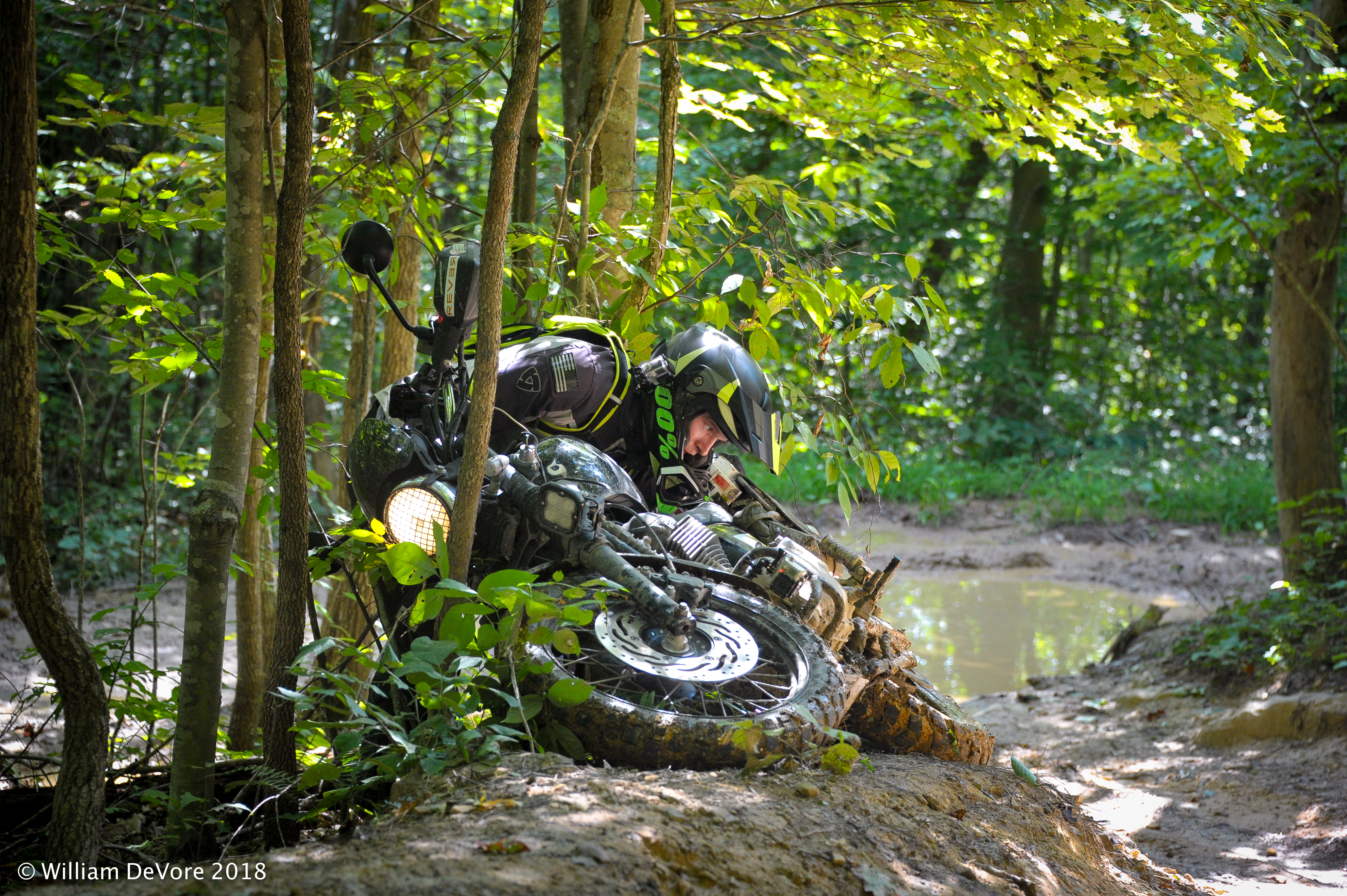

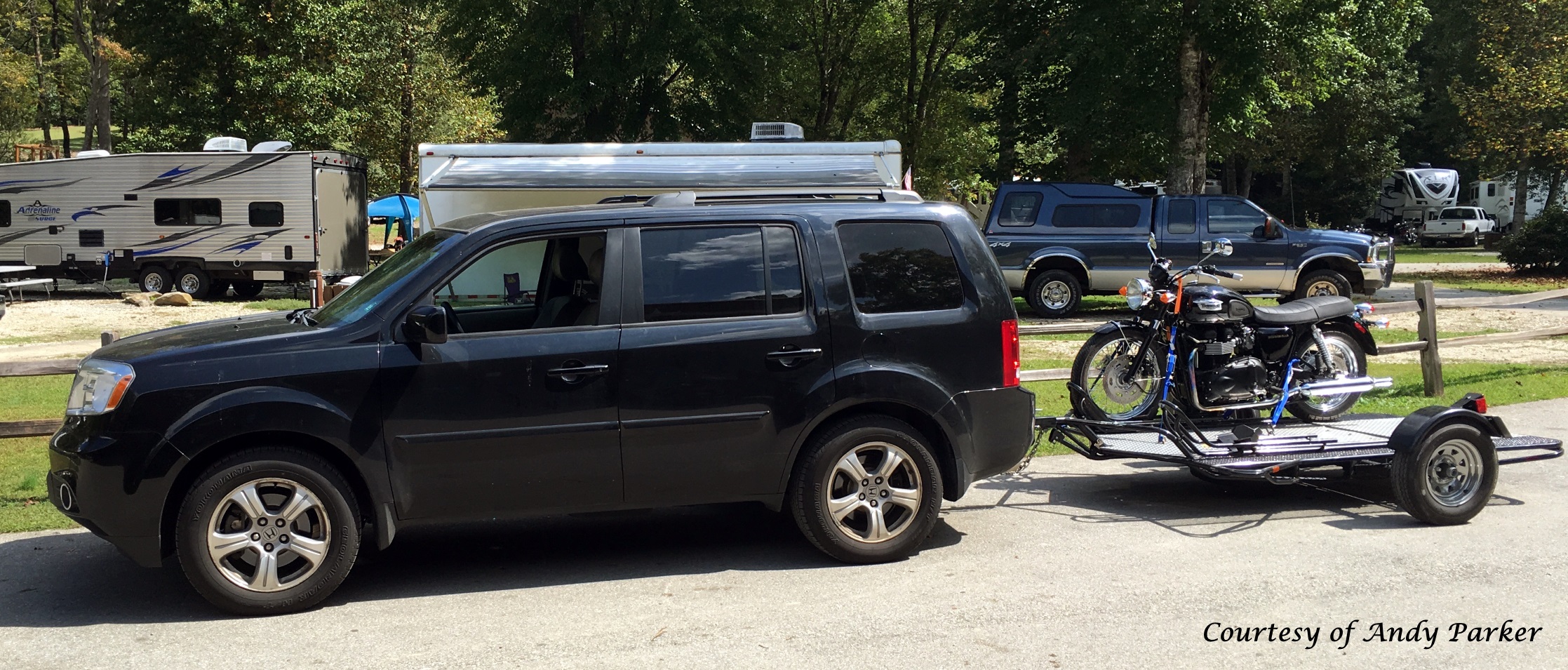

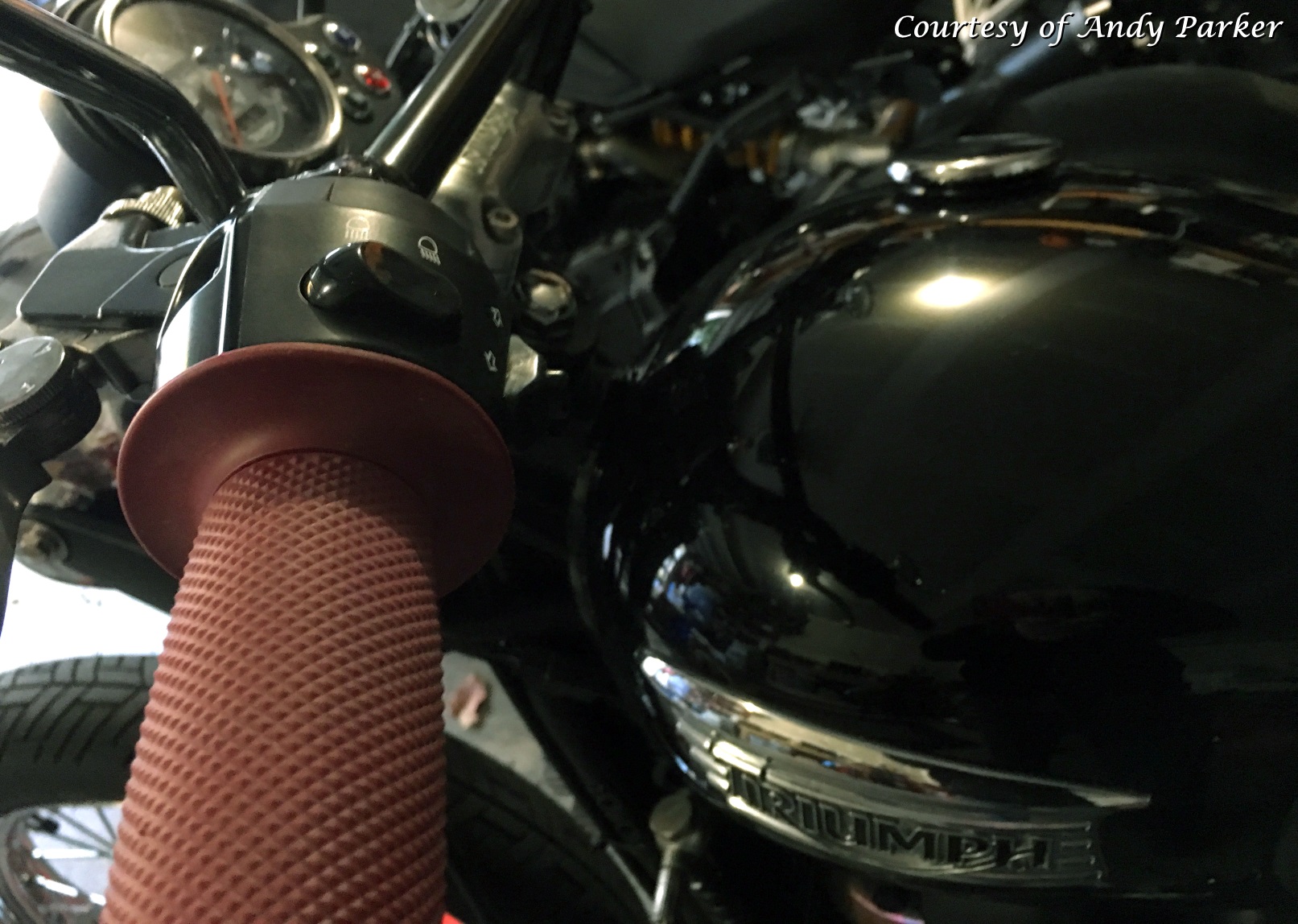

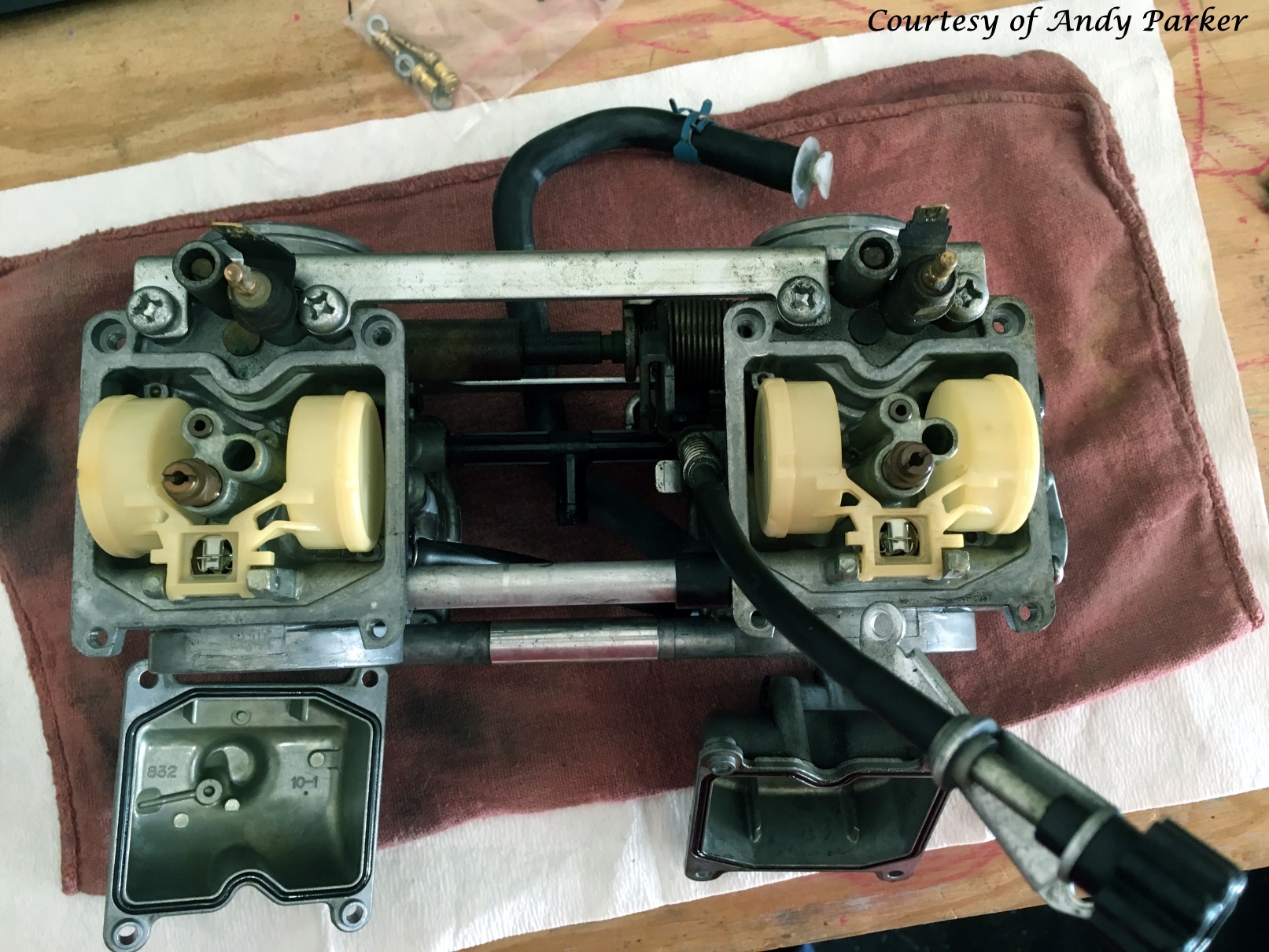
 I’d rather install a new set of connectors than have enough slack in the wire to loop it around, so I go through quite a few when I’m doing a job like this. I can almost laugh about it now (seriously, I’m close to being able to), but a few years back I ordered a set of lights and complete wiring kit for a CAN Bus bike. When it arrived, I didn’t like the way the light loom was built. It was a “Y” shape and supposed to be model specific, but it was too long in one place and just long enough in two others, while also requiring dis-assembly of both sides of the bike. I stripped it down and built my own using the switches, relay blocks, and connectors. My version split right at the front of the bike requiring only one side of the bike to be disassembled (and fit much better, even if I do say so myself) and there was just enough slack in the loom to tuck it away nice and tidily.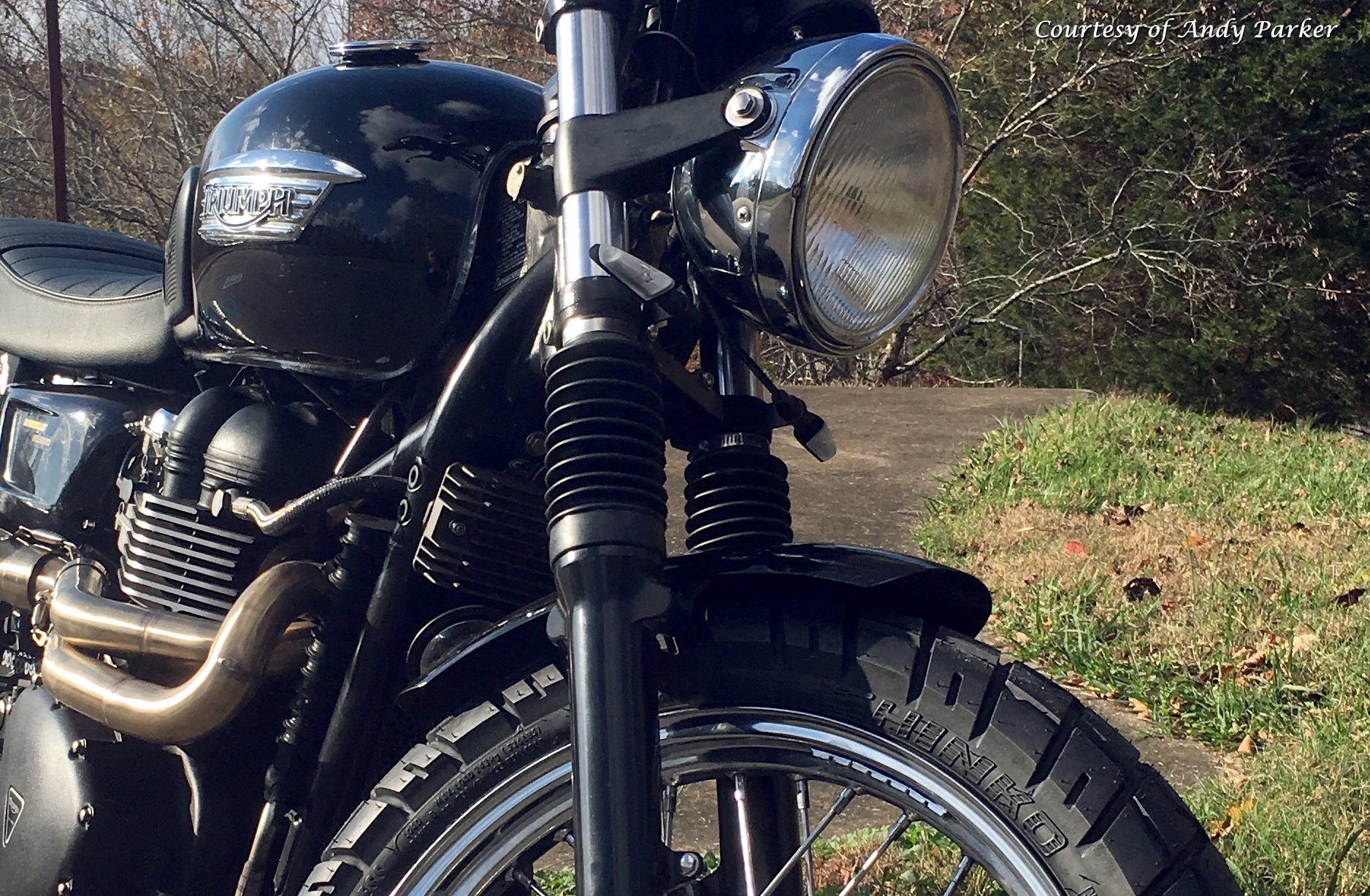
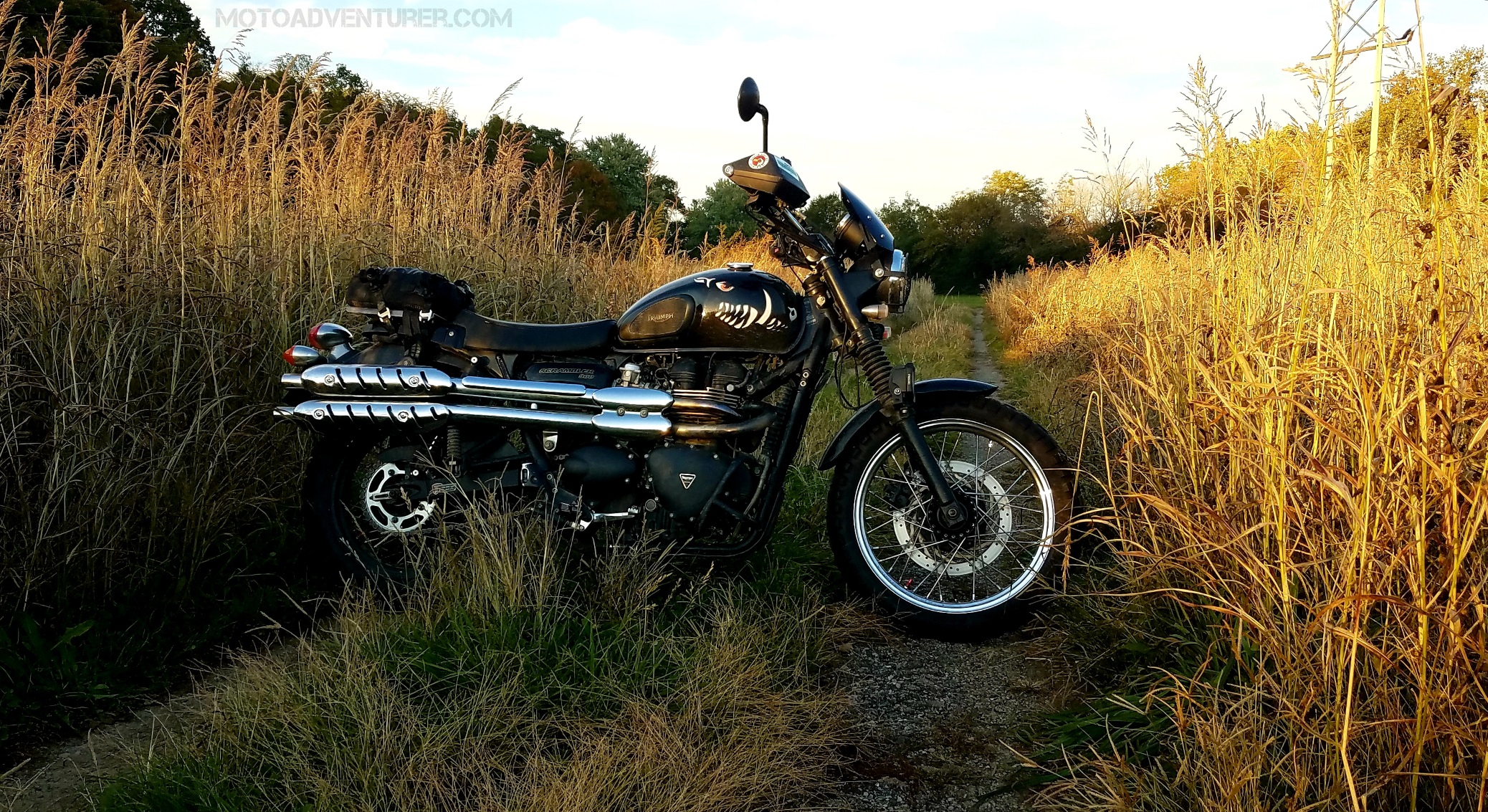
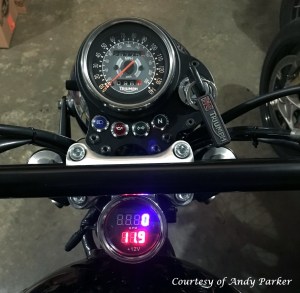 meter, idiot lights, and other measurables like temperature and fuel level was born out of a desire to add the tachometer, and to relocate the ignition key to the dash area. I’ve always been happier when I can see the key in front of me, and I really distrust the location on the side of the headlight bracket. The answer came one day when I found the Bonneville Bracket Ignition Relocation Single Gauge Mount for the earlier non-CVO Bonnies. I really didn’t want to pay for a new Triumph tachometer, or the money they were going for used on eBay. I’d bought a 2” LED Rev Counter and Battery Volt Meter I found a deal on and had formed up a template using thin aluminum as a mounting bracket to locate it on the riders’ side of the handlebar ala the current Scrambler models. This had been the result of some researching to figure out where to get the signal for the Tach.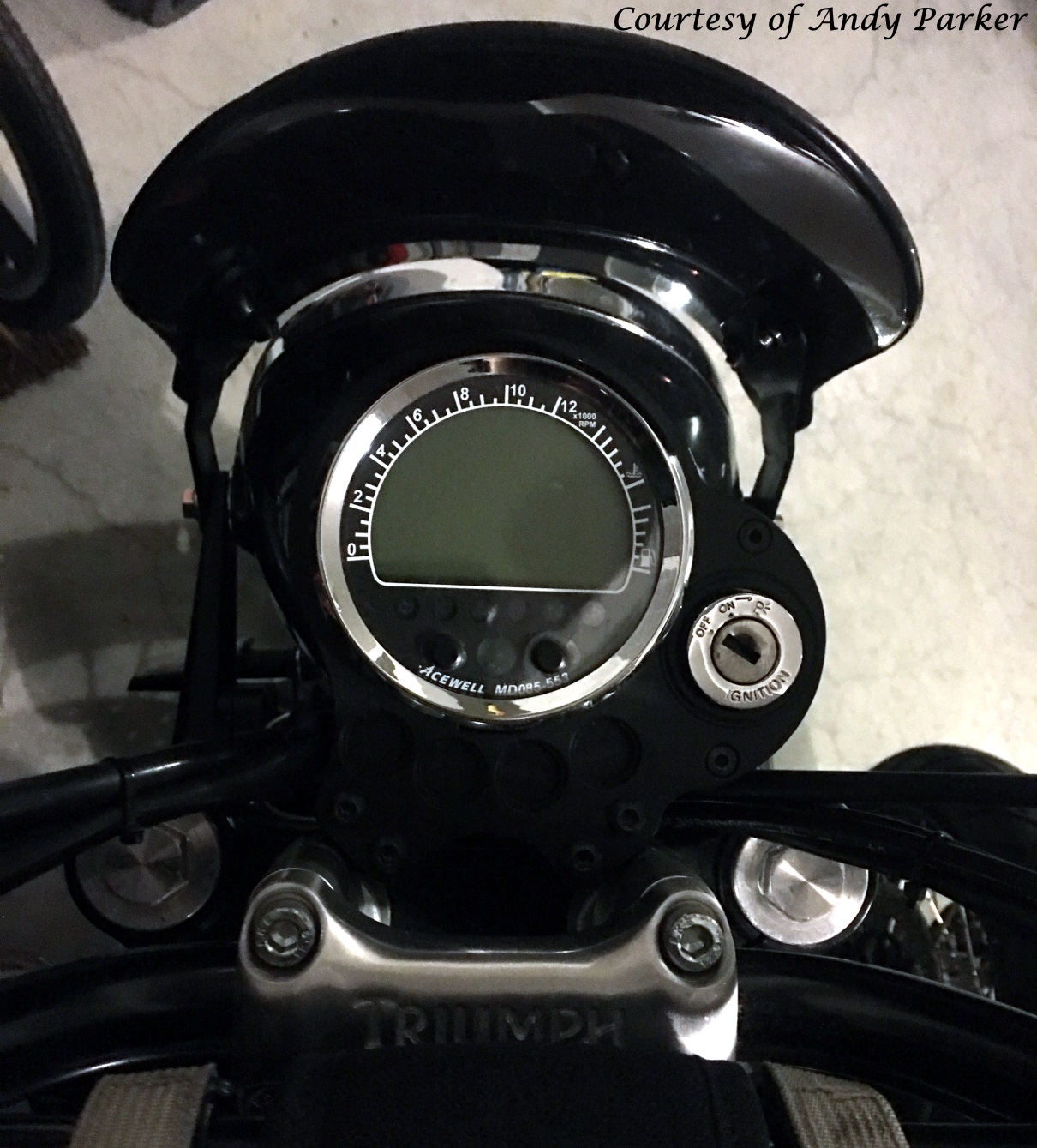
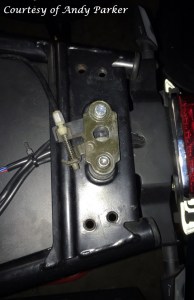 and lucky for me the bike came to me with the thin Triumph Comfort Seat. I didn’t realize how much I liked that particular seat until I bought a single seat with an integrated rear rack and rode that around for a couple of weeks. I’m blaming Drew for this diversion because his Scrambler looks really good with this setup and if I recall correctly, he did an Iron Butt Ride using that setup. It lasted about a fortnight (two weeks) on my bike before I swapped it back to the comfort seat. While I was playing on a forum one day, I saw a post about a long-forgotten mod that required a Vespa seat pin and a Kawasaki ZX6 seat latch. As you can tell, I went ahead and dropped $15 on a used seat latch and $6 on the Vespa part, and now I have a cable release for my comfortable seat.
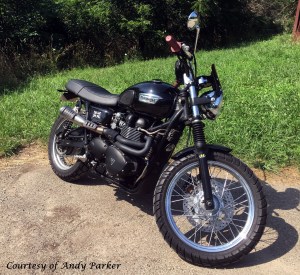 I realized that I was expecting the carb’ed Bonnie to feel like a well-tuned Fuel Injected bike, and anyone who’s in the know is well aware of the subtle differences between carb and FI bikes. I took the Bonbler out after Drew returned from one of our initial post-suspension work test-runs and realized the bike was actually pretty peachy the way it was. This impression was in no doubt due in part to Drew’s comment when he returned saying it was one of the best carb’ed Bonnies he’d ridden [One of the best Bonnevilles. Period. -Ed.].
 The gearing is just right for getting up to speed quickly, the suspension is nice and firm with plenty of feedback to the rider, and the engine is smooth with a nice crisp throttle response. It’s the bike I wanted to build. I am happy the way it’s turned out. I think it’s going to be with me for a while, and if you’ve read my other blogs on here you’ll know that is a strong testament to the finished product [I mean, it is the longest standing bike in Andy’s possession right now… -Ed.]. Thanks for bearing with me. I hope there’s something in here you can take away for your own project(s).




















 Moto Adventurer